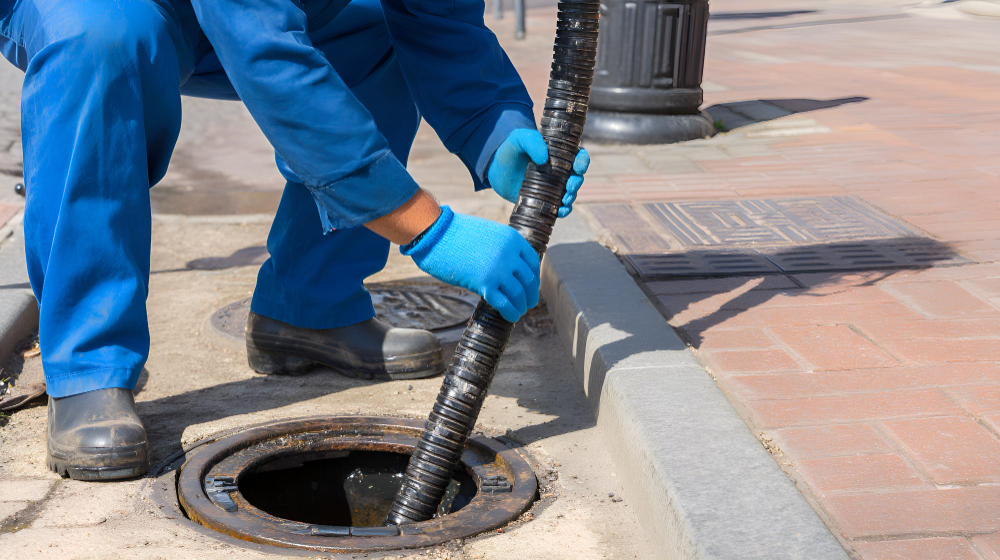
Commercial drain cleaning in Lexington is one of the least visible parts of running a restaurant or retail store, until a backed-up floor drain shuts down a lunch rush or floods a stockroom. Commercial lines carry far more volume than residential plumbing, and in food service they also carry grease that hardens inside pipes. Retail spaces face their own pressures, from busy public restrooms to exterior drains that collect parking lot debris. A clear maintenance plan keeps those lines flowing and your doors open.
In this article, you'll learn why commercial drains fail faster, which cleaning methods work best for grease and buildup, and how often to schedule service. You'll also see how grease trap care, camera inspections, and records support compliance with sewer and food safety rules. Finally, we'll cover daily staff habits and the warning signs that call for immediate service.
Let's break down the key points you should consider.
Keep reading to build a drain maintenance plan that protects your revenue, your inspections, and your customers' experience.
Commercial Drain Cleaning Lexington refers to the professional removal of grease, food solids, scale, and debris from the drain, sewer, and grease trap systems of businesses in the Lexington, SC area. It typically combines snaking, hydro jetting, camera inspection, and scheduled grease trap service to prevent backups and code violations.
A commercial drain system works harder in one day than most home systems work in a week. Dish machines, prep sinks, floor drains, and public restrooms all discharge into shared lines that must move high volumes without interruption. When one line slows down, the effects ripple through the whole operation within hours. That is why commercial drain cleaning in Lexington is best treated as an operating expense rather than an occasional repair.
The stakes are also higher because customers and inspectors see the results. A slow restroom drain, a sewer odor near the entrance, or standing water on a kitchen floor affects reviews, safety, and compliance at once. Businesses that invest in regular drain cleaning avoid most of these problems before anyone notices. The sections below explain what makes commercial drains different and what a failure really costs.
Fats, oils, and grease enter kitchen drains as warm liquids, then cool and solidify as they travel through the pipe. Over time, those deposits coat pipe walls, narrow the flow path, and trap food particles. An EPA review of commercial food-waste systems reported that blockages caused 74 percent of sanitary sewer overflows and grease contributed to 47 percent of those blockages.
The volume behind that risk can be substantial. EPA FOG guidance estimates that collected grease-trap waste and uncollected grease reaching treatment plants can range from 800 to 17,000 pounds per restaurant each year. For a busy Lexington kitchen, grease management is central to drain maintenance.
Pre-rinse and pot sinks collect residue from pans, sheet trays, and fryer baskets. Dish machines can carry emulsified grease downstream, while floor drains near fryers and grills receive spills and greasy mop water.
Garbage disposals add finely ground food that binds with grease in the line. Capturing these materials before they reach the drain reduces the load on both the interceptor and the downstream sewer.
Hot water and detergent only push grease farther down the line before it cools and hardens. That is why proper grease trap cleaning must be paired with periodic cleaning of the lines downstream.
When grease slips past a full interceptor, it settles in the building sewer where removal costs more. Food scraps, an overloaded interceptor, and cooled cooking oils are common causes of grease-clogged drains, so managers need to address the source as well as the symptoms.
Retail businesses rarely deal with heavy grease, but their drains still take a beating. Customers flush paper towels, wipes, and hygiene products that do not break down in the line. Break room sinks collect coffee grounds, while janitorial sinks receive mop water full of grit. Each source builds up slowly until a restroom closes during peak shopping hours.
Fast clogged toilet repairs keep one blockage from becoming a closed facility and frustrated customers. Staff should report a slow flush before the fixture becomes unusable.
Persistent drain odors near restrooms often point to dry floor drain traps, biofilm, or a partial blockage downstream. The source should be identified instead of masked with fragrance.
Exterior drains matter too, since Midlands summer storms can overwhelm trench and loading dock drains clogged with leaves and sediment. Scheduled outdoor drain cleaning before storm season keeps runoff away from inventory and sales floors.
The plumbing bill is usually the smallest part of a commercial drain failure. Lost sales, discarded food, overtime, and cleanup often cost several times more than the repair. Under food safety rules, a sewage backup in a food prep area is treated as an imminent health hazard that can stop kitchen operations until it is corrected. For a restaurant that depends on dinner service, one lost evening can exceed a year of preventive maintenance.
Here is what to expect at different stages of failure:
The operational impact grows when managers do not know the cleanout location or cannot reach an approved vendor quickly. A written response plan keeps a localized backup from disrupting the entire site.
Businesses also carry responsibility for what enters the public sewer. Federal pretreatment rules in 40 CFR 403.5 prohibit discharges of solid or viscous pollutants in amounts that obstruct sewer flow, and local utilities enforce that standard.
When a blockage happens, fast emergency sewer service limits damage and downtime. The response should include containment, cleaning, and confirmation that the line is open.
If repeated blockages point to corroded or damaged pipe, targeted commercial pipe repair may cost less than repeated cleanings. Camera footage can support that decision.
Not every drain cleaning method suits commercial conditions. A tool that clears a bathroom sink may barely dent a kitchen line coated in hardened grease. The right method depends on what is in the pipe, the pipe's condition, and how thoroughly it must be restored. Choosing correctly decides whether the fix lasts months or weeks.
A qualified plumber usually combines methods rather than relying on one tool. Snaking opens a blockage quickly, jetting restores the pipe diameter, and a camera confirms the result. That layered approach is why professional drain cleaning outperforms quick fixes in commercial settings. Here is where each method fits.
Snaking uses a rotating steel cable with a cutting head to bore through a blockage, making it fast and effective for restoring flow. Hydro jetting uses a specialized nozzle and controlled water pressure to scour the entire pipe wall. The difference between jetting and snaking is especially important in restaurant lines, where a cable can reopen a path without removing the grease coating around it. Snaking often remains the right first step in an emergency.
Hydro jetting removes grease, scale, and sludge around the pipe circumference, restores more usable capacity, and works well on long commercial runs. Because it relies on water, it also avoids sending caustic chemicals into the sewer or interceptor.
The method costs more than basic snaking on a single fixture and requires suitable cleanout access. Older or fragile pipe should be inspected first, and the operator must adjust the pressure and nozzle to avoid worsening existing damage.
In practice, the two methods complement each other. Snaking restores flow fast, and a follow-up hydro jetting service removes the grease coating a cable leaves behind. For kitchens that keep calling about the same line, jetting addresses the buildup instead of just the blockage. That usually means fewer emergency calls and more predictable costs.
Guessing at the cause of a recurring clog wastes money. A waterproof camera inserted through a cleanout records the inside of the line and shows exactly where buildup or damage sits. Most cameras include a locator so the plumber can mark the spot on the floor or pavement above. That turns an open-ended service call into a targeted repair plan.
A commercial sewer camera inspection commonly reveals:
The plumber should explain which findings call for cleaning and which point to structural repair. That distinction keeps a maintenance budget from being spent on a line that cannot be restored by cleaning alone.
The footage also supports budget requests, lease discussions, and warranty claims for property managers and franchise owners. If the camera finds tree roots at the joints, the plumber can recommend cutting, jetting, or lining based on severity. Recorded video also gives you a baseline to compare against future inspections. Over time, that history shows whether your maintenance schedule is working.
Many businesses reach for chemical openers or enzyme products when a line slows down. Caustic chemicals can generate heat and damage older pipe, gaskets, and interceptor components with repeated use. They also create a safety risk for staff and plumbers if the line must later be opened mechanically. Most commercial plumbers advise against routine chemical use for these reasons.
Hardened grease is also tougher than it looks. Research at NC State University has examined how grease can react with calcium and other minerals in wastewater to form hard, soap-like deposits inside pipes.
Once grease reaches that state, liquid treatments do little, and jetting or mechanical cleaning becomes necessary. Enzyme products can slow buildup between visits, but for lines already struggling, slow drain repair by a professional is the dependable fix.
The right schedule depends on how much each line carries and how fast buildup returns. A high-volume restaurant with fryers needs far more frequent service than a clothing store with two restrooms. Setting intervals from actual conditions keeps costs predictable while preventing emergencies. Camera footage and past service records are the best tools for that.
Local rules also shape schedules for food service businesses. Many sewer utilities require interceptors to be pumped at a minimum frequency and may inspect records to confirm it. A structured plan for commercial sewer maintenance keeps you ahead of those requirements. The sections below outline practical intervals and documentation.
Grease traps slow wastewater so grease floats and solids settle before the water reaches the sewer. Smaller hydromechanical units are typically built to ASME A112.14.3, while larger in-ground interceptors are sized under Chapter 10 of the International Plumbing Code. As grease and solids accumulate, separation drops and more grease escapes downstream. Pumping should occur before the accumulated material interferes with that separation process.
Small under-sink traps generally need attention more frequently than large in-ground interceptors. Fryers, grills, heavy sauces, catering, and seasonal peaks also increase the load and may require shorter service intervals.
Your sewer provider's grease program may set a maximum interval that overrides a longer maintenance plan. Each pumping report should record grease and solids depth so the next visit can be scheduled from evidence rather than guesswork.
Pumping is only half the job. Inlet and outlet lines, baffles, and flow control devices should be checked each visit, since a broken baffle lets grease bypass the unit. Large in-ground interceptors can also be confined spaces, so crews should follow OSHA confined space practices when entry is needed. A full service that covers the lines on both sides keeps the system working as designed.
Drain lines need their own plan alongside the grease trap. Lines closest to grease-producing fixtures build up fastest, while office and restroom lines may need attention less frequently. Treating every line the same wastes money on low-risk lines and underserves high-risk ones. A plumber can build a schedule by line type using your layout and history.
Start with the busiest and most failure-prone lines, then adjust each interval from camera footage and service notes. The goal is to clean before performance drops without servicing low-risk lines unnecessarily.
Responsibility for a shared or leased line should be confirmed in writing before service is needed. Property managers, tenants, and vendors can then act without losing time to approval questions.
These intervals should be refined over time based on what each visit finds. A scheduled commercial sewer inspection catches developing problems before they force a shutdown or a utility notice.
Even businesses with light drain use benefit from an annual sewer inspection that confirms the main line is sound. Adjusting the schedule this way keeps spending tied to real risk.
Documentation protects your business when a health inspector, sewer utility, or landlord asks how drains are maintained. The FDA Food Code, which underpins South Carolina's retail food regulation, requires grease traps to be located so they are easily accessible for cleaning. Inspectors often check that access along with floor drain condition and any odors. Routine service records make those conversations quick.
A complete file includes each pumping date, the hauler's name, and measured grease and solids depth. It should also hold drain cleaning invoices listing the lines serviced and methods used, plus camera reports and any utility notices. Many businesses keep a binder on site and a digital copy managers can access remotely. Local backflow testing requirements can also affect the maintenance calendar, so keeping those records together simplifies inspections.
Professional service keeps drains healthy, but daily habits decide how fast buildup returns. Most recurring blockages trace back to a few behaviors, like pouring grease down sinks or skipping strainers. Small changes in how staff clean and close each shift make a measurable difference. Training costs far less than a single emergency call.
Consistency is what separates businesses with recurring blockages from those that rarely see them. When managers treat drains as part of daily operations, problems surface early and cost less. Clear procedures also make it easier to train new hires quickly. The sections below cover habits, warning signs, and choosing the right partner.
Grease management starts long before wastewater reaches the trap. The goal is to capture fat, oil, and food waste in solid form so it goes to the trash or recycling instead of the drain. Kitchens that follow these steps consistently see longer intervals between pumpings. Posting them near sinks and dish stations helps new staff learn fast.
Managers should include the routine in opening, shift-change, and closing checklists. Clear ownership keeps the task from disappearing during busy service periods.
Supervisors should correct missed steps while the process is still visible, not after a drain slows. Short refresher training also helps seasonal and newly hired staff follow the same standard.
Summer adds extra stress, with higher customer volume, more beverage service, and heavy storm runoff. Businesses that plan ahead for summer clogs often schedule cleaning before their busiest months. That reduces the chance of a failure when downtime costs the most. It also gives staff a fresh start on drain habits before the rush begins.
Commercial drains usually warn you before they fail completely. The challenge is that staff may not recognize the signs or may assume someone already reported them. A simple log at the manager's station helps small issues reach the right person. The questions below cover signs that need immediate attention.
What does it mean when several drains slow down at once?
Multiple slow fixtures usually point to a blockage in a shared branch or main line. Call for service before the line stops completely.
Why is water coming up through a floor drain?
Rising water means a downstream line is blocked and wastewater is seeking the lowest opening. In a kitchen, treat this as urgent because it can quickly become a health code issue.
Should we worry about sewer odors near the kitchen or restrooms?
Persistent odors can signal dry traps, a partial blockage, a failed vent, or a damaged line. A plumber should identify the source, since some causes affect indoor air quality.
What if the grease trap overflows or smells strongly between pumpings?
That usually means the trap filled faster than expected or the outlet is clogged. Schedule pumping and have both connecting lines checked right away.
If the problem sits under the parking lot or in the building sewer, it may be a deeper sewer line clog rather than a fixture issue. The sooner a plumber inspects the line, the lower the risk of a full shutdown. Staff should know who to call and where the main cleanout is located. Those two details can save an hour when every minute counts.
Drain problems rarely wait for a convenient time, so the company you choose matters as much as the method. Look for commercial-grade jetting equipment, camera capability, and experience with grease interceptors and local utility rules. Ask about after-hours service, maintenance plans, and written reports after each visit. Those details show whether a company understands how a business runs.
A dependable commercial plumber arrives on schedule, gives upfront quotes, and explains findings in budget-friendly terms. They should work around your hours, such as early mornings before opening or after closing.
For older properties with cracked or bellied lines, options like trenchless sewer repair can restore pipe without tearing up a parking lot or kitchen floor. Planning that work ahead is far less disruptive than replacing a line after it fails.
Commercial drains carry the daily workload of your business, and restaurants and retail stores push them harder than any home system. Grease, heavy restroom use, storm runoff, and aging pipe all create blockages that can close a kitchen or restroom without warning. The right mix of grease trap service, hydro jetting, camera inspection, and documented maintenance keeps those lines flowing. It also keeps your business aligned with sewer rules and food safety expectations.
The most effective programs share a few traits: intervals based on real conditions, decisions guided by camera findings, and records that satisfy inspectors. They also depend on staff habits that keep grease and debris out of drains in the first place. When those pieces work together, emergency calls become rare and costs become predictable. That consistency protects both your revenue and your reputation.
Every Lexington business has a different layout, volume, and building age, so the right plan should be built around your operation. A licensed plumber can evaluate your lines, set intervals, and handle routine and urgent service without disrupting customers. That partnership turns drain maintenance into a reliable part of how your business runs. To protect your kitchen, restrooms, and revenue, contact Dr. Rooter of Lexington to schedule commercial service with licensed local plumbers.