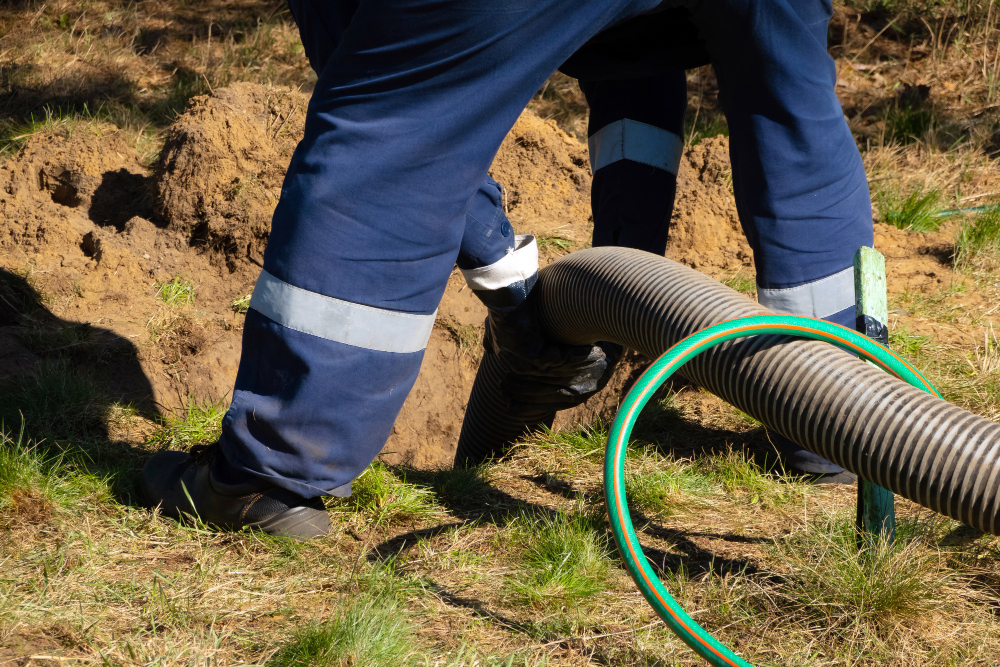
Clogged drains are one of the most common plumbing problems that homeowners in Lexington, SC face throughout the year. Professional drain cleaning services in Lexington can quickly clear blockages, restore proper drainage, and prevent costly damage to your plumbing system. Whether you're dealing with a slow bathroom sink or a completely blocked kitchen drain, understanding when to call for help can save you time and money.
Summer weather in Lexington puts extra stress on your home's drainage system. Heavy rains, increased water usage, and seasonal debris can all contribute to clogs and backups. Knowing what causes these issues and how to spot the warning signs early helps you avoid major plumbing emergencies.
Drain cleaning in Lexington SC is one of the most effective ways to protect your home from backups, water damage, and expensive sewer repairs. Staying current with routine plumbing maintenance keeps your drains flowing and catches problems before they escalate.
This guide walks you through everything you need to know about maintaining your drains. Here is what you will find inside:
Keep reading to learn how seasonal demands affect your plumbing and what you can do to prevent stubborn clogs from turning into costly emergencies.
Summer months bring distinct challenges to your home's plumbing system in Lexington, SC. Higher usage rates, outdoor gatherings, and warmer temperatures combine to stress your drains in ways that other seasons don't.
Your drains work harder during summer because everyone is home more often. Kids are out of school, which means more showers, bathroom breaks, and meal preparation throughout the day. According to the U.S. Environmental Protection Agency, the average American family uses more than 300 gallons of water per day at home, with roughly 70 percent of that consumption occurring indoors through fixtures and appliances that all feed into your drainage system.
Multiple family members using sinks, showers, and toilets at irregular hours puts constant demand on your drainage system. This increased flow doesn't give your pipes the normal rest periods they get during school and work schedules.
Common summer usage patterns that stress drains:
The clay soil common in Lexington expands and contracts with temperature changes, which can shift underground pipes. When you combine this movement with heavier drain use, you're more likely to notice slow drainage or gurgling sounds that weren't there before.
Summer cookouts and gatherings create specific problems for your kitchen drains. Grilling season means more grease, food scraps, and oil going down your sink.
Hot weather actually makes grease problems worse. While liquid cooking oils might seem to rinse away easily, they harden inside your pipes as they cool. Each cookout adds another layer of buildup that narrows your pipe diameter.
Party cleanup often involves scraping plates directly into the garbage disposal. Corn husks, watermelon rinds, and fibrous vegetables can jam your disposal or create blockages further down the line. Starchy foods like potato salad and pasta also break down into sticky masses that catch other debris.
Small issues with your drains become obvious problems during summer heat. P-traps can dry out faster when temperatures rise, especially in guest bathrooms or basement sinks that don't get regular use.
You might smell sewer odors that weren't present in cooler months. These smells happen when water in your drain traps evaporates, removing the barrier that normally blocks gases from coming up through your pipes.
Slower drainage that you could ignore in winter becomes frustrating when you're dealing with summer's increased water usage. According to the EPA, a sudden increase in water consumption during summer can also mask the signs of a hidden leak, making it even more important to investigate when drains begin performing poorly. A sink that takes an extra minute to empty might not seem urgent until you're rushing to clean up after a pool party. These warning signs often indicate partial clogs that need professional residential drain cleaning Lexington SC services before they turn into complete blockages.
Slow drains don't happen overnight. They develop gradually as debris accumulates inside your pipes. Water that takes longer than usual to disappear, strange sounds from your plumbing, and bad smells are all signs that buildup is restricting water flow in your drainage system.
When you notice water sitting in your sink, shower, or bathtub after use, it means something is blocking the normal flow through your pipes. The water should drain within a few seconds in a healthy plumbing system.
You might see a small pool of water that takes minutes to drain instead of seconds. This happens when soap scum, hair, grease, or other materials stick to the inside of your pipes and create a partial blockage.
Kitchen sinks often drain slowly because of grease and food particles. Bathroom sinks and showers typically slow down from hair and soap buildup. If you find yourself waiting for water to clear before you can use the fixture again, you're dealing with a drain that needs attention.
Catching this problem early helps you avoid a complete blockage later. A drain unclogging service Lexington can clear the buildup before it becomes a full clog.
Your drains should be quiet when water flows through them. Gurgling or bubbling sounds mean air is trapped in your pipes because water can't move freely past a blockage.
The noise happens when water tries to push past the obstruction and displaces air pockets in the system. You might hear these sounds coming from the drain itself or from nearby fixtures connected to the same pipe. A blocked vent stack can also cause gurgling by preventing proper airflow through your drainage system.
Gurgling is especially common when air gets pushed back up through the drain as water struggles to go down. This indicates that the blockage is restricting water flow enough to change the normal pressure in your pipes.
Bad smells coming from your drains signal that organic matter is decomposing inside your pipes. Food particles, grease, hair, and soap residue create a layer where bacteria can grow.
The odor often smells like rotting food or sewage. It gets stronger when you run water because the flow disturbs the buildup and releases the smell into your home.
These smells don't just indicate a dirty drain. They show that material is accumulating and narrowing the pipe opening. The same buildup causing the odor is also slowing your drain's performance and will eventually lead to a complete blockage if left untreated.
Lexington homes face three main clog culprits: kitchen grease and food waste, bathroom hair and soap buildup, and tree roots invading sewer lines. Each source requires different prevention strategies and professional attention when clogs become severe.
Grease is one of the worst substances you can put down your kitchen drain. When hot grease cools in your pipes, it solidifies and sticks to the pipe walls. Over time, this buildup narrows your pipes and catches other debris.
Food particles make the problem worse. Coffee grounds, eggshells, and pasta expand in water and create stubborn blockages. Even if you run hot water while washing dishes, grease will eventually cool and harden further down your drain lines.
Your garbage disposal doesn't prevent these clogs. It breaks food into smaller pieces, but grease still coats your pipes. You should scrape plates into the trash before washing and use drain strainers to catch food particles.
Common kitchen clog causes:
Hair combines with soap scum to form dense clogs in bathroom drains. A single shower can send dozens of hairs down your drain, where they tangle together and catch on pipe joints and rough spots.
Soap residue creates a sticky coating that traps hair and other debris. Bar soaps containing fats leave more residue than liquid soaps. This buildup gradually restricts water flow until your shower or sink drains slowly or stops completely.
Toothpaste, shaving cream, and other personal care products add to the problem. These products contain ingredients that don't dissolve easily in water. Regular cleaning helps, but persistent clogs need professional attention to fully clear the pipes.
Tree roots cause serious problems for sewer drain cleaning in Lexington. Roots naturally grow toward water sources, and your sewer lines provide moisture and nutrients. Small roots enter through tiny cracks or loose pipe joints.
Once inside, roots grow rapidly and form thick mats that block wastewater flow. They also catch toilet paper, wipes, and other materials passing through the line. This creates complete blockages that cause sewage backups into your home.
Older homes with clay or cast iron pipes face higher risk. These materials develop cracks and separations over time. Even newer PVC pipes can attract roots if joints aren't sealed properly or if ground settling creates openings.
Signs of root intrusion include gurgling toilets, multiple slow drains, and sewage odors in your yard. Professional inspection and cleaning address root problems before they damage your main sewer line.
Professional drain cleaning delivers long-term advantages that go beyond simply clearing a single clog. These services protect your plumbing system and help you avoid expensive repairs down the road.
Professional drain cleaning in Lexington removes the layers of grease, soap scum, and mineral deposits that build up inside your pipes over time. Unlike store-bought chemical cleaners that only punch a hole through clogs, professional methods like hydro jetting completely clean the pipe walls.
This thorough cleaning prevents clogs from forming again quickly. When technicians use high-pressure water or specialized equipment, they strip away years of accumulated debris that creates a rough surface where new buildup sticks.
Regular professional service keeps your drains flowing freely for months instead of dealing with the same slow drain every few weeks. The smooth, clean pipes that result from professional treatment make it harder for hair, food particles, and other debris to catch and create new blockages.
Professional technicians use camera inspections and other diagnostic tools to spot problems you can't see from your sink or shower drain. They can identify cracks in pipes, tree root intrusion, or sections where pipes have started to collapse before these issues cause major damage.
Early detection saves you money by catching small problems when they're still easy and affordable to fix. A minor crack found during routine cleaning costs far less to repair than a burst pipe that floods your basement.
Technicians also notice warning signs like unusual corrosion patterns or joints that have started to separate. These findings let you plan repairs on your schedule instead of dealing with an emergency at the worst possible time.
Professional drain servicing returns your plumbing system to the flow rate it had when first installed. Slow drains waste your time and can lead to standing water that creates unpleasant odors and unsanitary conditions in your home.
When your drains work at full capacity, water moves through quickly and efficiently. This proper flow reduces the chance of overflow and helps prevent water damage to your floors, walls, and belongings.
Key improvements you'll notice:
These improvements make daily tasks like showering, washing dishes, and doing laundry faster and more convenient.
Ignoring slow drains and minor clogs leads to expensive repairs and serious water damage in your home. Small problems grow into major plumbing emergencies when left untreated.
When you delay drain cleaning, clogs get worse over time. Water backs up into your sinks, showers, and toilets more frequently. Each backup increases the risk of overflow onto your floors and walls.
Standing water from repeated backups damages flooring, baseboards, and drywall. Moisture seeps into wood structures and causes rot. You may notice staining on ceilings below bathrooms or kitchens.
Mold starts growing within 24 to 48 hours of water exposure. According to the U.S. Environmental Protection Agency, the key to preventing mold in any home is moisture control, and damp surfaces must be dried completely within that window to stop spores from taking hold. It spreads through walls and under flooring where you cannot see it. Health problems develop when family members breathe in mold spores.
Your insurance may not cover damage from neglected plumbing maintenance. Most policies exclude gradual damage that you could have prevented with regular care.
A simple clog in your main drain line costs much less to fix than a damaged sewer pipe. When clogs sit too long, pressure builds up in your pipes. This pressure causes cracks and breaks in older pipes.
Tree roots grow into small cracks and make them larger. The roots create thick blockages that require hydro jetting or pipe replacement. A basic drain cleaning costs a few hundred dollars, while sewer line replacement runs into thousands.
Sewage backup into your home requires professional cleanup and sanitization. Raw sewage contains harmful bacteria that contaminate everything it touches. You may need to replace carpets, furniture, and personal belongings.
Contact a professional for clogged drain repair in Lexington SC when you notice multiple slow drains in your home. This signals a problem in your main sewer line rather than individual fixtures.
Call immediately if you see sewage backing up through floor drains or toilets. Gurgling sounds from drains when you flush toilets indicate air trapped by blockages.
Persistent foul odors from drains mean organic material is stuck and decomposing in your pipes. Chemical drain cleaners will not solve these problems and damage your plumbing over time.
Schedule regular maintenance every 18 to 24 months to prevent emergency situations. Professional plumbers use cameras to inspect pipes and remove buildup before it causes blockages.
Your drains need regular care to work properly. When you face clogs or slow drainage in Lexington, SC, professional drain cleaning services can solve the problem quickly and safely.
Local plumbing companies in the area offer several solutions for your drainage issues. These include hydro jetting, camera inspections, and traditional drain cleaning methods. Many providers also handle emergency situations 24/7.
Chemical drain cleaners from stores can damage your pipes over time. Professional plumbers use safer methods that remove buildup completely without harming your plumbing system.
Most Lexington drain cleaning companies service both homes and businesses. They can handle everything from simple kitchen sink clogs to complex sewer line problems. Licensed and insured plumbers bring the right tools and training to fix your drainage issues correctly the first time.
Regular maintenance helps prevent major clogs before they start. You can schedule routine drain cleaning to keep your plumbing system running smoothly year-round.
When you need drain cleaning services in Lexington, SC, local companies stand ready to help. They understand the specific plumbing challenges in the Midlands area and offer reliable solutions for your drainage needs. Contact Dr Rooter Lexington today to schedule a drain cleaning or inspection for your home.