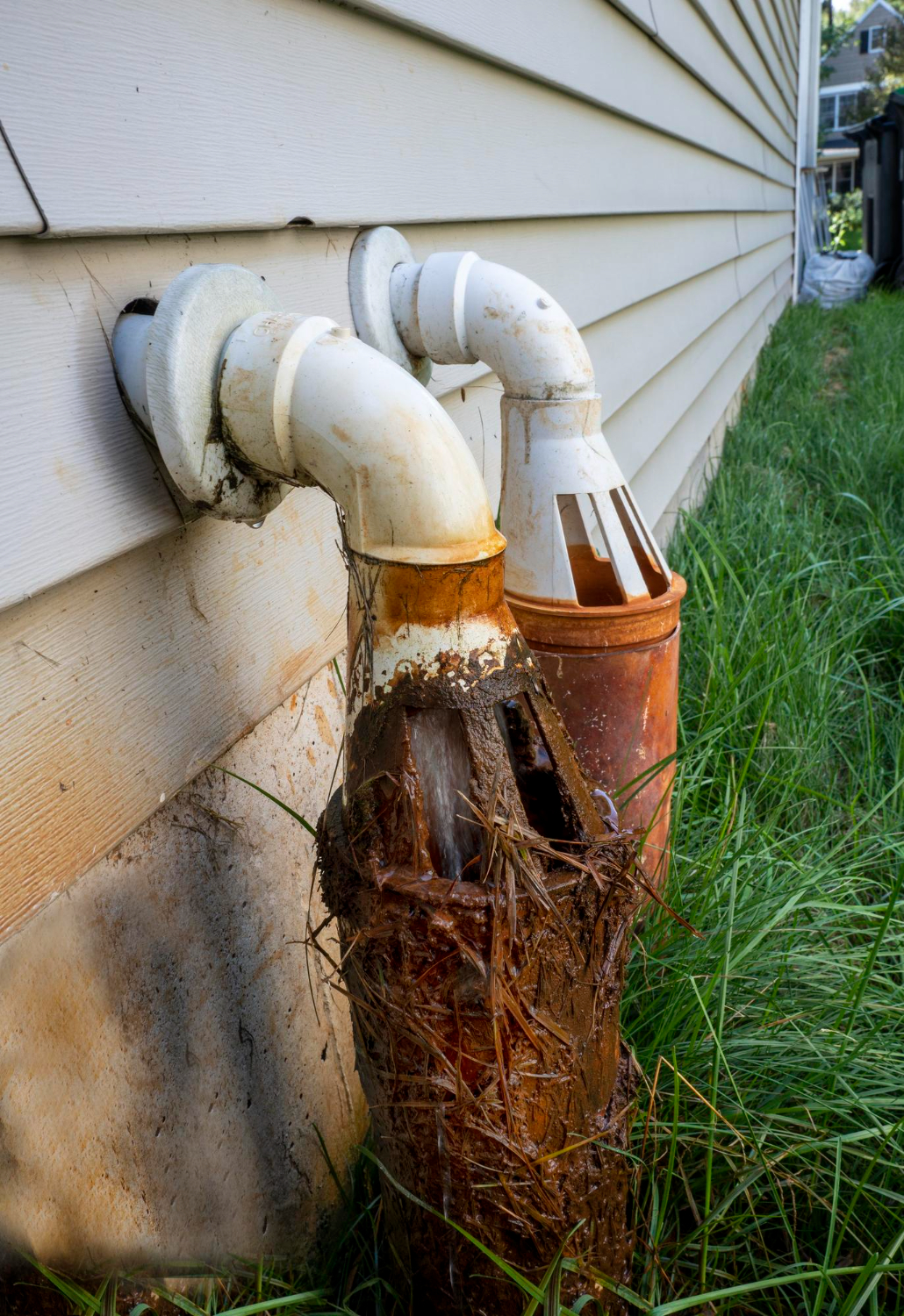
If you have a drain that clogs, you clear it, and it clogs again a few weeks later, you are not dealing with bad luck. Recurring drain blockages in Columbia, SC almost always point to something deeper than a simple buildup of hair or food scraps.
The same clog coming back in the same spot is your plumbing telling you there is a structural, environmental, or behavioral cause that a plunger or a bottle of drain cleaner will never fix.
Columbia sits in the Midlands of South Carolina, and that geography comes with specific challenges for residential plumbing. Dense clay soils that shift with moisture changes, mature trees with aggressive root systems, aging pipe materials in older neighborhoods, and seasonal storms that push drainage systems past their limits all contribute to the pattern.
These factors do not announce themselves. They work slowly, underground, until a drain that used to flow fine starts backing up every few weeks.
Understanding why drains keep clogging in Columbia is the first step toward stopping the cycle. This article breaks down the local causes that drive recurring blockages, explains what the warning signs actually mean, and covers when simple maintenance is enough versus when you need professional help to solve the underlying problem.
In this article, you will learn about:
Keep reading to find out what is really going on inside your pipes and how to break the cycle of recurring clogs for good.
Most Columbia homeowners think about what goes down their drains when clogs happen. Very few think about what is happening to the pipes themselves, underneath the yard, where the soil is doing damage they cannot see.
The Midlands region of South Carolina is known for dense, expansive clay soils. These soils absorb water and swell during wet periods, then shrink and crack during dry stretches. That cycle of expansion and contraction creates constant movement in the ground around your buried sewer and drain lines.
The American Society of Civil Engineers estimates that roughly 25 percent of all homes in the United States experience some degree of damage from expansive soils, and the annual cost exceeds that of floods, hurricanes, tornadoes, and earthquakes combined. Columbia and the broader Midlands sit squarely in a region with significant deposits of these problem soils.
For your plumbing, that ground movement means pipe joints can gradually pull apart. Sections of line can develop low spots, called bellies, where waste settles instead of flowing through. Small cracks form in rigid pipe materials like clay tile and cast iron. None of this happens overnight. It takes years, but once the damage is there, every flush and every drain cycle feeds the next clog.
Columbia's weather swings between heavy spring and summer storms and stretches of dry heat. Each swing moves the soil. A week of rain saturates the clay and swells it outward against your pipes. A dry spell shrinks it back, leaving gaps. The pipes shift slightly each time, and the cumulative effect over years is enough to misalign joints, crack walls, and create the collection points where recurring blockages form.
Stormwater itself adds to the load. When heavy rain overwhelms outdoor drainage and saturates the ground around your sewer line, it can infiltrate through the same cracks and joints that are already weakened, adding volume to a system that is already struggling to flow properly.
Tree root intrusion is one of the most common causes of recurring drain clogs in the Columbia area, and it is one of the hardest to solve without professional help.
Tree roots grow toward moisture and nutrients. A sewer line carrying wastewater is both, and even a hairline crack or a slightly separated joint is enough for a fine root to find its way in. Once inside, the root has access to a constant supply of water and organic material. It thickens, branches, and expands inside the pipe.
That root mass becomes a net. It catches toilet paper, grease, hair, wipes, and everything else flowing through the line. You clear the clog, the debris washes away, but the roots are still there. Within weeks, the net rebuilds and the drain backs up again. This is one of the most frustrating patterns homeowners deal with because snaking the line provides temporary relief but never addresses the entry point.
Oaks, maples, and willows are common across Columbia neighborhoods, and all three species have aggressive root systems that can extend far from the trunk. Older homes built with clay tile or cast iron sewer pipes are especially vulnerable because those materials develop cracks and joint separations over time that roots exploit.
The U.S. Forest Service has documented that root intrusions in sewer systems are directly tied to pipe material and joint quality. Modern PVC pipes with sealed joints resist roots far more effectively, but many Columbia properties still run on original infrastructure that predates these materials by decades.
Signs that tree roots may be in your sewer line:
A sewer camera inspection confirms whether roots are present, shows exactly where they entered, and reveals how far the intrusion has progressed. Without that visual confirmation, you can spend years clearing the same drain without ever solving the actual problem.
Not all pipes age the same way, and the material your home's drain system is made of has a direct impact on how often you deal with clogs.
Cast iron was the standard residential drain pipe material from the early 1900s through the 1970s. It is strong, but after decades of use the interior surface corrodes and develops a rough, uneven texture. That roughness gives grease, soap, hair, and other debris something to grip. Where a smooth PVC pipe lets waste slide through, a corroded cast iron pipe catches it.
Advanced corrosion also produces flaking and scaling, where pieces of rusted metal break off inside the pipe and contribute to blockages. If your home was built before the 1980s and you are dealing with recurring clogs, the pipe material itself may be the root cause.
Clay tile was widely used for sewer lines through the mid-twentieth century. These pipes are installed in short segments joined together, and those joints are the weakest point. Over years of soil movement and moisture cycling, the joints can separate slightly. Even a small gap creates a ledge where waste accumulates and an entry point where roots and soil can infiltrate.
Many older Columbia neighborhoods, including areas of West Columbia, Irmo, and established communities closer to downtown, still have original clay sewer lines. If you live in one of these areas and experience frequent drain backups, a professional evaluation of the pipe condition is worth the investment.
When soil settles unevenly beneath a buried pipe, it can create a low point where the line sags and then rises again. This belly traps solid material instead of letting gravity carry it downstream. Every time waste flows through, a little more settles in that low spot. You clear the clog, the belly fills back up, and the cycle repeats.
Bellied pipes are especially common in areas with expansive clay soils, which describes much of the Columbia market. The pipe may have been installed with proper slope originally, but years of soil movement changed the grade. A camera inspection is the only way to confirm a belly, and the fix usually involves repairing or replacing the affected section.
Not every recurring clog is caused by underground infrastructure. Many start right at the drain, driven by habits that seem harmless but build up over time.
Grease is the single most damaging thing that goes down a kitchen drain. It flows as a liquid when hot, but it solidifies as it cools inside the pipe. That coating narrows the interior diameter and catches every food particle that passes through.
According to the U.S. Environmental Protection Agency, fats, oils, and grease are among the primary materials that cause sewer blockages and contribute to sanitary sewer overflows. The EPA estimates between 23,000 and 75,000 sanitary sewer overflows occur in the U.S. each year, not counting backups into buildings, and grease is a leading factor.
What to keep out of your kitchen drain:
Let grease cool in a container and throw it away. Scrape plates before rinsing. Use a mesh strainer in the sink. These small habits prevent the kind of buildup that leads to stubborn kitchen clogs.
Hair is the leading cause of bathroom drain clogs, and it does not dissolve. It binds with soap scum, conditioner residue, and toothpaste to form dense mats that cling to pipe walls. A drain screen in every shower and tub catches hair before it reaches the pipe, and cleaning that screen after each shower is one of the most effective prevention steps you can take.
Toilets are designed for human waste and toilet paper. Everything else, wipes, cotton swabs, feminine products, paper towels, dental floss, does not break down the way toilet paper does and contributes to blockages in the drain line and main sewer line. Items marketed as flushable, particularly wipes, are a frequent cause of recurring clogs because they hold together inside pipes long enough to snag on rough spots and root masses.
When a drain slows down, the first instinct for many homeowners is to grab a bottle of chemical drain cleaner. It seems like an easy, cheap fix. In practice, it makes the problem worse over time.
Chemical drain cleaners rely on caustic ingredients like sodium hydroxide or sulfuric acid. These chemicals generate intense heat as they react with the clog material. That heat can warp PVC joints, accelerate corrosion in cast iron, and weaken the seals in older pipe systems. If the clog does not fully clear, the chemicals pool in one section of pipe and concentrate their damage in that spot.
The Clemson University Cooperative Extension warns homeowners to be cautious of chemical additives that claim to dissolve grease, noting that these products often just move the blockage further down the line where it re-forms in a less accessible location.
A chemical cleaner might open a narrow path through a clog, but it does not remove the clog entirely. The grease coating remains on the pipe walls. The roots are still inside the line. The belly still traps waste. Within days or weeks, the blockage rebuilds in the same spot.
If you are reaching for drain cleaner more than once on the same drain, that is the clearest sign that the problem is beyond what any over-the-counter product can solve. A plunger or a basic hand snake is safer for your pipes and more effective for minor clogs. For anything deeper, call a professional.
Breaking the cycle of recurring clogs requires identifying and addressing the actual cause, not just clearing the latest blockage.
A sewer camera inspection is the starting point for any recurring drain problem. A high-definition camera feeds through the pipe and shows exactly what is happening inside: roots, corrosion, bellies, cracks, buildup, joint separations, or any combination. Without that visual, every repair is a guess.
The camera also reveals the pipe material, the condition of the joints, and the location of the problem relative to the house and the property line. That information drives the right repair decision, whether that is a targeted cleaning, a section repair, or a full line replacement. If you have a drain that keeps backing up, the camera inspection is the single most valuable step you can take.
A standard drain snake punches a hole through a blockage. That restores flow temporarily, but it leaves grease, scale, and debris on the pipe walls. Hydro jetting uses high-pressure water to scour the full circumference of the pipe, stripping away years of buildup and restoring the interior to near-original condition.
For root intrusion, hydro jetting cuts through root masses and flushes them out. For grease-coated kitchen lines, it removes the coating that snaking leaves intact. It is the difference between making a temporary path and actually cleaning the pipe.
When camera inspection reveals cracked pipes, collapsed sections, severe corrosion, or bellied lines, cleaning alone will not solve the problem. The structural issue will keep producing clogs no matter how often the line is cleared.
Modern repair options include:
The right approach depends on the pipe material, the type and location of the damage, and the layout of the property. A professional assessment after camera inspection determines which method delivers the most cost-effective, lasting result.
Once the underlying cause is addressed, routine maintenance keeps it from coming back. A monthly baking soda and vinegar flush, enzyme-based drain treatments, proper grease disposal, drain screens in showers, and annual or biannual professional inspections form a maintenance routine that catches problems early and prevents the kind of buildup that leads to emergency plumbing calls.
For homes with mature trees near the sewer line or older pipe materials, scheduling a camera inspection every one to two years is the most practical way to stay ahead of root regrowth and progressive deterioration before they produce another round of clogs.
A drain that keeps clogging is not a maintenance problem. It is a diagnostic problem. Something specific is causing the blockage to rebuild in the same spot, whether that is clay soil shifting your pipes, roots growing through a cracked joint, corroded cast iron catching debris, a bellied section trapping waste, or years of grease narrowing your kitchen line from the inside.
Clearing the clog buys time. Finding and fixing the cause is what actually stops the cycle. The combination of a camera inspection, the right cleaning method, and targeted repair when needed solves recurring drain problems permanently instead of temporarily.
If your drains keep backing up and the usual fixes are not holding, Dr Rooter serves Columbia, Lexington, and the surrounding Midlands with the diagnostic tools and expertise to find the real cause and deliver a lasting fix. One call, one honest assessment, and a solution that actually works.