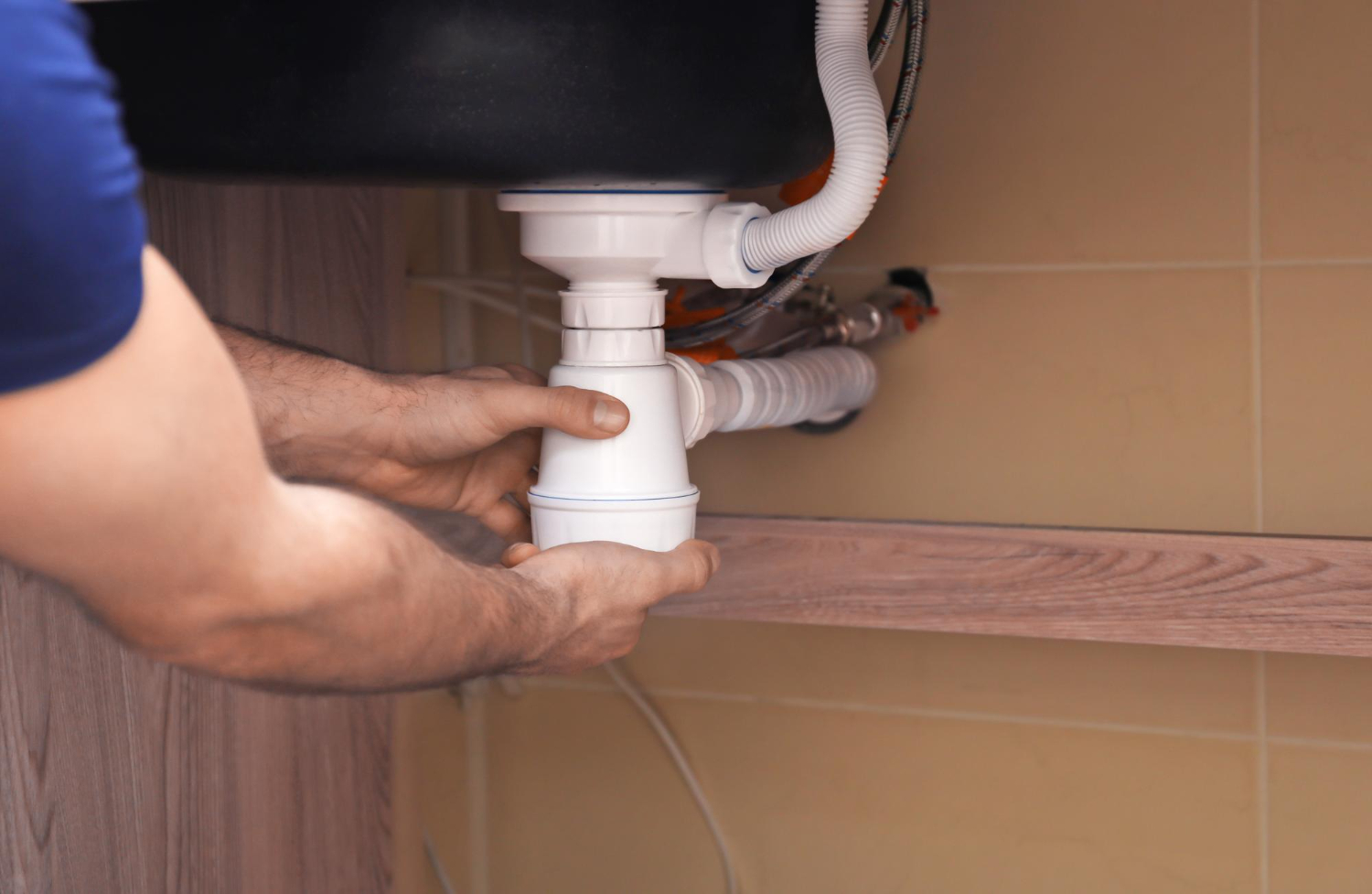
The best way to clear a drain clogged with grease is to use hot water mixed with dish soap, but serious blockages often need professional tools or enzyme cleaners to break down the hardened grease.
According to the City of Portsmouth, NH (Public Works), hot water and dish soap don’t remove grease from plumbing; they only push it downstream where it cools and re-solidifies in household or municipal lines.
Grease clogs are one of the most common plumbing problems in homes. When cooking oils, fats, and greasy food particles go down the drain, they cool and stick to the inside of pipes. Over time, this buildup gets thicker and blocks water from flowing through.
Many people try to fix the problem themselves with boiling water or natural solutions. Some clogs are too stubborn for home remedies and require expert help.
This article covers the warning signs of a blocked drain, the dangers of letting grease build up, and the difference between do-it-yourself fixes and professional cleaning services. It also explains simple ways to keep grease out of drains in the first place.
Here's what you need to know:
Keep reading! Understanding what causes grease clogs and how to spot them early can save you from costly repairs.
Grease clogs form when fats, oils, and cooking residue cool and solidify inside drain pipes, creating blockages that restrict water flow. These clogs develop through improper disposal practices, gradual buildup over time, and interactions with other materials in the plumbing system.
Pouring cooking grease, oil, and fat down the kitchen sink is the primary cause of grease-related drain clogs. When hot grease enters the drain, it appears liquid and seems to flow away easily. However, as it travels through the pipes and cools down, it solidifies and sticks to pipe walls.
Common sources include bacon grease, butter, cooking oil, and meat drippings. Even small amounts add up over time. Many people rinse greasy pans or plates directly in the sink, unknowingly sending fat down the drain.
The grease forms a sticky coating that catches other materials passing through. This creates a foundation for larger blockages. Within a few weeks, repeated disposal of grease can create a solid mass that completely blocks the pipe.
Grease builds up gradually in layers inside drain pipes. Each time someone washes dishes or disposes of fatty substances, a thin film of grease adheres to the pipe interior. These layers stack on top of each other, slowly narrowing the pipe opening.
The accumulation happens faster in certain areas of the plumbing. Horizontal pipes and areas with bends collect more grease because the material moves slower and has more contact time with pipe surfaces.
Temperature plays a key role in how quickly grease accumulates. Cooler sections of piping, especially those running through basements or exterior walls, cause grease to solidify faster.
A grease clogged drain becomes worse when fat combines with other materials. Food particles, soap scum, and small debris stick to greasy pipe walls and create dense blockages. Hair, coffee grounds, and food scraps that normally might pass through get trapped in the sticky grease layer.
This combination forms a compound clog that is harder to remove than grease alone. The mixture creates a thick, stubborn mass that resists simple cleaning methods. Soap residue actually contributes to the problem by mixing with fats to create a waxy substance.
Dishwashing detergent can break down grease temporarily while in the sink, but it often just pushes the fat further down the pipe where it resolidifies.
Older pipes are more susceptible to grease clogs because they often have rougher interior surfaces. Years of corrosion, mineral deposits, and previous buildup create an uneven texture that catches and holds grease more easily. Cast iron and galvanized steel pipes, common in older homes, are particularly prone to these issues.
Narrow pipes also increase clog risk significantly. Standard kitchen drain pipes measure 1.5 to 2 inches in diameter, but even small amounts of grease buildup in these spaces create restrictions. Homes with undersized plumbing for their usage needs experience faster clog development.
Physical damage to pipes, including cracks or misaligned joints, creates catch points where grease accumulates more rapidly.
Grease clogs don't happen overnight, and they give off clear warning signs before causing a complete blockage. Recognizing these early indicators helps homeowners address the problem before it leads to expensive repairs or serious damage.
Water that pools in the sink or drains slowly points to a grease buildup problem. The grease sticks to pipe walls and narrows the space where water flows through.
At first, the water might take just a few extra seconds to drain. Over time, this gets worse until the sink fills with water that barely moves. The problem becomes most obvious after washing dishes or disposing of food waste.
Grease doesn't wash away like other substances. Instead, it cools and hardens inside the pipes, creating a sticky layer that catches food particles and other debris. This combination forms a thick mass that blocks water flow.
Kitchen sinks show this problem more than other drains because they handle cooking oils and fats regularly. The slow drainage typically affects the sink directly connected to where grease enters the system first.
A grease-clogged drain produces unpleasant smells that spread through the kitchen. The trapped grease creates a barrier that prevents food particles and organic matter from washing away completely.
These materials sit in the pipes and begin to rot. The decomposition process releases gases that rise back up through the drain opening. The smell often resembles spoiled food or rancid oil.
The odor gets stronger when hot water runs through the drain. Heat causes the grease to release trapped particles and intensifies the smell. Running water or using the garbage disposal may temporarily push the smell down, but it returns quickly.
Multiple drains affected by grease buildup can make entire rooms unpleasant. The smell doesn't go away with regular cleaning or air fresheners because the source remains inside the pipes.
Unusual noises from drains indicate air pockets trapped behind grease blockages. As water tries to push past the clog, it creates bubbles that produce gurgling or bubbling sounds.
The noise happens because water can't flow smoothly through narrowed pipes. Air gets trapped and displaced as water moves, creating the distinctive sound. These noises often occur in the affected drain and sometimes in nearby fixtures.
Gurgling may also appear when using other plumbing fixtures in the home. For example, flushing a toilet might cause the kitchen sink to make noise if they share drainage lines affected by grease buildup.
The sounds typically get louder as the clog worsens. What starts as quiet bubbling can turn into loud gurgling that's hard to ignore.
Small backups that clear on their own signal a growing grease problem. Water might rise in the sink during use but eventually drain after several minutes.
These partial clogs happen when grease buildup hasn't completely sealed the pipe yet. Water pressure can sometimes force liquid past the narrowed opening, but the flow remains restricted. Each incident deposits more grease and debris, making the next backup worse.
The time between backups gets shorter as the clog grows. What starts as an occasional problem becomes a daily occurrence. Some homeowners notice the issue happens most after cooking meals that involve oils or fats.
Ignoring these warning signs leads to a complete blockage. Once the pipe seals fully, water stops draining entirely and may overflow from the sink. Professional intervention becomes necessary at this stage to remove the hardened grease mass blocking the pipes.
A grease-clogged drain creates problems that grow worse over time. The blockage can spread through the plumbing system and cause damage to both the property and the health of people living there.
Grease starts as a thin layer inside pipes but builds up with each use of the sink. The sticky substance traps food particles and soap residue, making the blockage thicker. Within weeks or months, the drain can stop working completely.
When grease hardens deep in the pipes, simple fixes don't work anymore. A plunger or drain cleaner might clear surface clogs, but grease stuck to pipe walls requires professional help. Plumbers may need to use special equipment like hydro-jetting or snake tools to break through the blockage.
The clog can move from the kitchen drain into the main sewer line. This affects every drain in the home, including toilets, showers, and other sinks. Repairing a main sewer line costs significantly more than fixing a single drain. Some cases require digging up pipes or replacing entire sections of the plumbing system.
Researchers at North Carolina State University note that hardened, insoluble fats, oils, and grease (FOG) deposits are a primary cause of sewer line blockages that lead to sanitary sewer overflows (SSOs).
Standing water backs up when a drain becomes fully blocked. Water overflows from sinks onto countertops and floors. The water seeps into cabinets, walls, and flooring materials if not cleaned up quickly.
Wood cabinets absorb water and start to warp or rot. Drywall becomes soft and discolored. Flooring materials like hardwood or laminate can buckle and need replacement. Water can even damage the home's foundation if it continues to pool.
The U.S. Environmental Protection Agency (EPA) advises that water-damaged areas should be dried within 24–48 hours to prevent mold growth, underscoring the urgency of addressing backups and overflows promptly.
The fungus spreads behind walls and under flooring where it stays hidden. Mold releases spores into the air that cause breathing problems and allergic reactions. Removing mold requires special cleaning methods and sometimes professional remediation services.
Grease clogs trap bacteria-filled wastewater in pipes. The standing water becomes a breeding ground for harmful microorganisms. These bacteria multiply quickly in the warm, moist environment.
When sewage backs up into sinks or other fixtures, it exposes household members to dangerous pathogens. Contact with contaminated water can cause skin infections, stomach illnesses, and respiratory problems. Raw sewage contains E. coli, salmonella, and other disease-causing bacteria.
The smell from trapped wastewater indicates decomposing organic matter and bacterial growth. Breathing in these fumes can trigger nausea, headaches, and breathing difficulties. Children and people with weakened immune systems face higher health risks from these exposures.
Homes with ongoing grease problems need frequent plumber visits. Each service call adds up over time. Property owners pay for drain cleaning, pipe inspections, and repairs that could have been avoided.
Restaurants and commercial kitchens face even higher costs. Health inspectors can shut down businesses with severe drainage issues. Grease traps require regular professional cleaning, and failure to maintain them results in fines.
Emergency plumbing services cost two to three times more than scheduled appointments. Pipes that burst from pressure buildup require immediate attention at premium rates. Insurance may not cover damage caused by poor maintenance, leaving property owners responsible for the full repair bill.
Professional plumbers use specialized equipment and methods to remove grease clogs that home remedies can't fix. They follow a systematic process to locate the blockage, clear it completely, and help prevent it from happening again.
Plumbers start by examining the drainage system to find where the grease has built up. They often use small cameras that go inside the pipes to see the exact location and size of the clog. This step helps them choose the right tools and method for the job.
The camera inspection shows whether the grease has hardened into a thick layer on the pipe walls or formed a complete blockage. It also reveals if there are other problems like damaged pipes or tree roots. This information is important for commercial drain repair where multiple drains might be affected.
Plumbers check all the connected pipes to see how far the grease has spread through the system. They look for slow drainage points and areas where water backs up.
Hydro-jetting uses high-pressure water to blast away grease buildup from pipe walls. The water pressure can reach up to 4,000 pounds per square inch, which breaks apart even thick grease deposits. This method cleans the entire pipe diameter and flushes the debris out of the system.
For tougher clogs, plumbers use motorized augers or drain snakes. These tools have rotating cables with cutting heads that break through solid grease blockages. The auger pushes through the clog while spinning to clear a path for water to flow.
Commercial drain repair often requires both methods. Plumbers might use an auger first to open a path, then follow with hydro-jetting to clean the pipes thoroughly.
After breaking up the clog, plumbers capture and remove the grease properly. They use vacuum equipment to pull out loose grease and debris before it can settle back into the pipes. This prevents the material from causing another blockage downstream.
Professional plumbers follow local rules about grease disposal. They don't let large amounts of grease go into the sewer system. Instead, they collect it in containers for proper disposal at approved facilities.
They also clean the drain opening and nearby pipes to remove any remaining grease film. This extra step helps water flow freely right away.
Plumbers explain what caused the grease buildup and how to avoid it in the future. They recommend never pouring cooking oil, fat, or grease down the drain. These substances should go in the trash after they cool and solidify.
They suggest running hot water for 30 seconds after each use to help clear any small amounts of grease. Using a drain strainer catches food particles before they mix with grease in the pipes.
For homes or businesses with frequent grease problems, plumbers might recommend regular professional cleanings. They can set up a maintenance schedule based on how much cooking happens at that location. Some plumbers also suggest using enzyme treatments monthly to break down small grease deposits before they become major clogs.
Grease clogs respond differently to home remedies than professional treatments. Understanding when to use a plunger and when to call a plumber protects both the drain and the wallet.
Hot water provides the first line of defense against grease buildup. Pouring boiling water down the drain once a week helps melt light grease deposits before they harden. Adding a cup of dish soap before the hot water increases effectiveness.
A plunger creates pressure that can dislodge minor grease clogs near the drain opening. The key is using firm, steady plunges rather than aggressive motions that might damage pipes.
Preventive measures include:
Baking soda and vinegar creates a natural cleaning reaction. Pour half a cup of baking soda followed by half a cup of vinegar, wait 30 minutes, then flush with hot water. This method works for light buildup but cannot handle major blockages.
Chemical drain cleaners damage pipes over time through repeated use. The harsh ingredients eat away at grease but also corrode metal pipes and weaken PVC connections. Older plumbing systems face even greater risk of damage.
These chemicals create dangerous fumes that irritate eyes and lungs. Mixing different products can cause toxic reactions. The chemicals also harm septic systems by killing beneficial bacteria needed for proper function.
Store-bought cleaners rarely reach deep clogs in the main line. They only clear surface blockages temporarily. The grease further down the pipe remains untouched, causing repeated clogs within weeks.
Improper use of drain snakes can puncture pipes or push clogs deeper into the system. Without proper training, homeowners often worsen the problem rather than fix it.
Licensed plumbers use video camera inspections to locate the exact position and cause of grease clogs. This technology shows the pipe's interior condition and identifies damage that DIY methods miss.
Professional equipment includes hydro-jetters that spray high-pressure water to remove grease from pipe walls. This method clears the entire diameter of the pipe rather than just punching a hole through the blockage. The results last significantly longer than chemical treatments or snaking.
Plumbers complete most drain cleaning jobs within a few hours. They bring the right tools on the first visit and fix the problem correctly. This saves homeowners from multiple store trips and wasted money on products that don't work.
Professional services provide:
Trained professionals identify whether tree roots, broken pipes, or improper venting contributes to frequent grease clogs. They address underlying issues that cause repeated backups.
Stopping grease from building up in drains requires consistent habits and regular maintenance. Simple changes in how people dispose of cooking oils and maintain their plumbing can prevent most grease-related clogs.
Pouring grease down the drain causes most kitchen clogs. When hot grease enters pipes, it cools and solidifies, sticking to pipe walls and trapping other debris.
The best method is to let cooking oils and fats cool in a container. Once solid, people can scrape the grease into a trash bag or sealed container. For liquid oils, homeowners should pour them into an old jar or can and throw it away once full.
Wiping greasy pans with paper towels before washing removes excess oil. This simple step keeps grease from entering the drain system. Restaurants and homes that do a lot of frying should never dump oil directly into sinks, even with hot water running.
Some communities offer grease recycling programs. These programs collect used cooking oil for conversion into biodiesel fuel.
Weekly drain maintenance prevents grease buildup from becoming a serious problem. Hot water alone won't break down grease effectively since it cools quickly in pipes.
A mixture of hot water and dish soap works better for kitchen drain cleaning. The soap breaks down grease while hot water flushes it through the system. Pouring this mixture down the drain once or twice a week helps maintain clear pipes.
Monthly treatments with baking soda and vinegar provide deeper cleaning. Pour half a cup of baking soda down the drain, followed by half a cup of white vinegar. Let the mixture sit for 30 minutes, then flush with hot water.
Avoid using chemical drain cleaners regularly. These products can damage pipes over time and often push grease further into the plumbing system rather than removing it.
Drain strainers act as the first line of defense against clogs. These simple mesh or perforated metal devices sit in the drain opening and catch food scraps before they enter pipes.
Installing strainers in all kitchen sinks prevents food particles from mixing with grease residue. When food debris combines with grease, it creates thick blockages that are difficult to remove. Strainers should be emptied into the trash after each use and cleaned regularly with soap and water.
Types of strainers:
Double sinks should have strainers in both drains. Even small amounts of food waste can contribute to grease buildup over time.
Commercial kitchens face higher risks of grease clogs due to cooking volume. Professional inspections identify problems before they cause major backups.
Restaurants should schedule drain inspections every three to six months. Plumbers use cameras to examine pipes and locate grease buildup. They can also clean grease traps, which are required in most commercial kitchens.
Grease traps need emptying based on usage, typically every one to three months. A professional can determine the right schedule based on the kitchen's size and cooking frequency. Neglecting grease trap maintenance leads to violations of local plumbing codes and potential fines.
High-volume kitchens benefit from quarterly hydro-jetting services. This process uses high-pressure water to blast away grease deposits from pipe walls.
Dr. Rooter Lexington brings specialized knowledge and professional equipment to tackle grease blockages that standard home remedies cannot fix. Their team handles both urgent situations and routine maintenance with the same level of care.
Dr. Rooter Lexington employs trained plumbers who understand how grease accumulates in pipes and the best methods to remove it. These technicians arrive prepared with the right tools for each job, whether it's a simple kitchen sink backup or a more serious main line obstruction.
The company responds quickly to emergency drain service calls. When grease blocks a drain completely, water backs up fast and creates unsanitary conditions. Their technicians work efficiently to clear the blockage and get drains flowing again.
Each plumber on the team knows how to identify the extent of grease buildup. They use professional-grade equipment that reaches deep into pipes to break up hardened grease and flush it away completely. This thorough approach prevents the same clog from returning within weeks.
Dr. Rooter Lexington follows local plumbing codes and safety standards for all drain cleaning work. They use methods that protect pipes from damage while removing stubborn grease deposits. Chemical drain cleaners can corrode pipes over time, but professional equipment clears blockages without harmful side effects.
The company serves both homes and businesses in the Lexington area. Restaurants and commercial kitchens face frequent grease problems due to high cooking volumes. Dr. Rooter Lexington handles these larger-scale issues with commercial-grade tools and techniques.
Their methods meet health department requirements for commercial properties. Proper grease removal helps businesses avoid violations and maintain safe, sanitary conditions for employees and customers.
Dr. Rooter Lexington focuses on lasting results rather than temporary fixes. After clearing a grease clog, they inspect the entire drain line to spot potential problem areas. This complete assessment helps prevent future blockages.
The team provides specific advice for each property based on usage patterns and pipe conditions. For kitchens with heavy grease loads, they may recommend regular maintenance cleaning before clogs develop. This proactive approach saves money compared to repeated emergency calls.
Professional drain cleaning removes grease buildup that accumulates gradually over months or years. Once cleared, drains work better and last longer when customers follow basic prevention steps like disposing of cooking oils properly and using drain screens.
Grease clogs are a common problem that homeowners can handle with the right approach. Hot water, dish soap, baking soda, and vinegar offer simple solutions for minor blockages. A drain snake can break up tougher clogs that DIY methods cannot fix.
Prevention makes the biggest difference in avoiding future problems. Pouring grease into a container instead of down the sink keeps pipes clear. Installing a grease trap captures fats before they enter the plumbing system.
Regular drain cleaning stops small problems from becoming major issues. Running hot water after each use helps prevent grease from sticking to pipe walls. Wiping greasy pans with paper towels before washing removes most of the fat.
Some clogs require professional help when home methods fail. A plumber has specialized tools and experience to handle severe blockages. They can also inspect pipes for damage caused by years of buildup.
Taking action at the first sign of a clog saves time and money. The methods outlined in this guide work for most grease-related drain problems. Consistent prevention habits protect plumbing systems from future damage.
Schedule same-day drain cleaning with Dr. Rooter Lexington to perform a camera inspection and hydro jetting in one visit and restore full flow safely.