Most homes should have annual sewer inspection, every 18 to 24 months, though homes with mature trees or older pipes may need annual checks
Your home's sewer system works hard every day to remove wastewater, but most homeowners never think about it until something goes wrong. A backup or major pipe failure can lead to thousands of dollars in repairs and serious damage to your property. The good news is that these problems are often preventable with regular maintenance.
According to the U.S. EPA, sanitary sewer overflows (SSOs) can back up into homes, causing property damage and threatening public health, which is why routine sewer system inspection is a core step to prevent sewer emergencies.
During inspection, a professional uses a special camera to look inside your sewer line and spot problems like cracks, clogs, or tree root damage before they turn into emergencies. This simple step helps you avoid costly repairs and keeps your plumbing system running smoothly.
Understanding when you need an inspection, what the process involves, and how to maintain your system between checkups can save you time, money, and stress. In this article, you'll learn how an annual sewer inspection helps property owners catch sewer line problems early and prevent costly backups and pipe failures.
Here's what you'll find below:
- Annual sewer inspection: Protect your home and prevent backups
- What is an annual sewer inspection?
- Signs your sewer system needs an inspection
- How an annual sewer inspection is performed
- Benefits of scheduling an annual sewer inspection
- Tips to maintain your sewer system between inspections
- Why choose Dr. Rooter Lexington for annual sewer inspection
Keep reading! You'll learn the warning signs that mean your sewer needs attention right away and why making inspections part of your home maintenance routine protects your investment.
Annual sewer inspection: Protect your home and prevent backups
Getting your sewer line inspected once a year helps you catch problems before they turn into expensive disasters. Your sewer pipes sit underground where you can't see them, which means damage can build up without any warning signs.
A professional inspection uses a special camera that travels through your pipes to look for issues. The camera can spot tree roots growing into pipes, cracks in the line, and sections that might be starting to collapse.
According to NC State Cooperative Extension (N.C. Cooperative Extension), tree roots typically invade sewer lines by exploiting an existing vulnerability (like a crack or leak), then expanding inside the opening as they seek moisture and nutrients, one reason camera-based annual sewer inspection is effective for catching root intrusion early.
Common problems found during inspections:
- Tree roots breaking through pipe joints
- Cracks or holes in aging pipes
- Buildup of grease and debris
- Pipes that are sagging or shifting
- Blockages forming in the line
Catching these issues early saves you money. A small crack can be repaired quickly, but waiting until it causes a backup could mean thousands of dollars in water damage to your floors, walls, and belongings.
Annual inspections are especially important if your home is older or you have large trees near your sewer line. Clay and cast iron pipes that were common in older homes break down over time and are more likely to have problems.
Most plumbing companies can complete an inspection in less than an hour. They'll give you a detailed report showing the condition of your pipes and flag any areas that need attention. This lets you plan for repairs on your schedule instead of dealing with an emergency backup.
What is an annual sewer inspection?
An annual sewer inspection checks your entire sewer system for problems before they turn into expensive emergencies. The process uses special cameras and tools to find cracks, blockages, and leaks that you can't see from above ground.
Comprehensive assessment of sewer lines and connections
A complete sewer system inspection looks at every part of your underground plumbing. The inspector checks the main sewer line that runs from your house to the street connection. They also examine branch lines that connect to different parts of your home.
The inspection covers pipe conditions, joint connections, and any areas where tree roots might enter. Your inspector looks for signs of wear, corrosion, or damage throughout the entire system. They pay special attention to connection points where pipes join together because these spots often develop problems first.
The process includes checking pipe slopes to make sure waste flows properly. If pipes are too flat or have settled over time, water and waste can pool instead of draining correctly.
Detecting cracks, blockages, and leaks early
Early detection saves you from major repairs and water damage. Small cracks in your sewer pipes can grow into complete breaks if left alone. A yearly check catches these issues when they're still manageable.
Blockages start small but can build up over years. Grease, soap scum, and other materials stick to pipe walls and slowly reduce water flow. Tree roots seek out tiny cracks and grow into pipes, creating serious clogs.
Common problems found during inspections:
- Hair and debris buildup
- Grease accumulation
- Root intrusion
- Pipe cracks or breaks
- Collapsed sections
- Corroded pipes
Leaks waste water and can damage your foundation or yard. They also let groundwater seep into your sewer system, which increases your water bill and strains treatment plants.
Using advanced tools such as sewer cameras
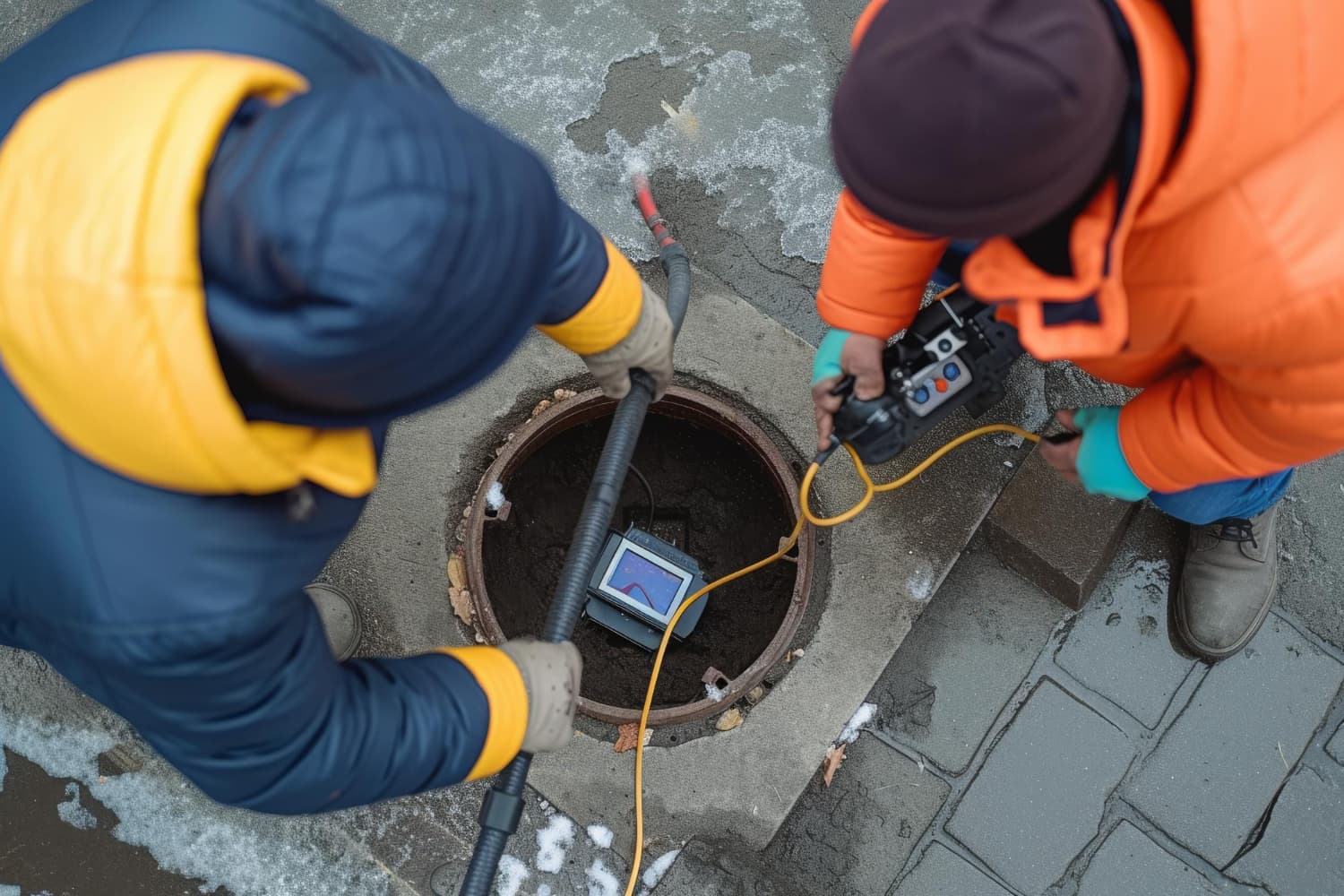
Modern sewer cameras provide a clear view inside your pipes without digging up your yard. These waterproof cameras attach to flexible cables that travel through your entire sewer line. The camera sends live video to a monitor above ground so the inspector can see everything in real time.
The camera shows the exact location and size of any problems. Inspectors can measure how much buildup exists or how wide a crack has become. They record the footage so you have documentation of your system's condition.
Some cameras include locator devices that mark problem spots from above ground. This helps if you need repairs later because workers know exactly where to dig. The technology makes inspections faster and more accurate than older methods.
Preventing costly repairs and emergencies
Regular inspections cost much less than emergency repairs. A sewer backup in your home can cause thousands of dollars in damage to floors, walls, and belongings. Preventive maintenance catches problems when repairs are simple and affordable.
Emergency plumbing calls often happen at the worst times, like holidays or weekends. These repairs cost more because of urgent service fees. A planned inspection lets you schedule repairs during normal business hours at standard rates.
Your homeowner's insurance might not cover damage from neglected maintenance. Many policies require you to maintain your plumbing systems properly. Documentation from annual inspections proves you've taken care of your sewer system.
Maintaining system efficiency and longevity
A clean, well-maintained sewer system works better and lasts longer. Annual inspections help you remove buildup before it restricts flow or causes backups. This keeps your drains running smoothly throughout the year.
Your sewer pipes can last 50 years or more with proper care. Without maintenance, the same pipes might fail in 20 to 30 years. Regular inspections identify problems that shorten pipe life and give you time to fix them.
Efficient systems also protect public health and the environment. Leaking sewer pipes contaminate groundwater and soil. Well-maintained systems keep waste contained and flowing to treatment facilities where it belongs.
Signs your sewer system needs an inspection
Your sewer system sends clear warning signals when something goes wrong. Catching these signs early helps you avoid expensive repairs and prevents sewage backups in your home.
Slow draining sinks, tubs, or toilets
Water that drains slowly from your fixtures often points to a blockage in your sewer line. You might notice your kitchen sink taking longer than usual to empty, or your bathtub holding water for several minutes after you shower.
When multiple drains in your home slow down at the same time, this usually means the problem sits in your main sewer line rather than individual pipes. A single slow drain could be a local clog, but widespread drainage issues require professional attention.
Pay attention to toilets that don't flush with their normal force or make gurgling sounds. These symptoms suggest air trapped in your sewer line due to a partial blockage. The longer you wait to address slow drains, the more likely a complete backup becomes.
Unpleasant odors coming from drains
Sewage smells in your home indicate breaks or cracks in your sewer line. Your sewer system is designed to be airtight, so any odor escaping means something has compromised the line's integrity.
Strong sewage odors near floor drains, toilets, or in your basement signal serious problems. These smells come from methane and hydrogen sulfide gases that build up in damaged sewer pipes. Fresh sewage odors in your yard, especially near where your sewer line runs, point to leaks underground.
Even faint sewage smells shouldn't be ignored. They often appear before other visible symptoms and give you a chance to fix problems early.
Frequent clogs or backups
Dealing with the same clog over and over means your sewer line has an underlying problem. Tree roots, pipe damage, or built-up debris can cause blockages that keep returning no matter how many times you clear them.
Multiple fixtures backing up at once is a red flag. When you flush your toilet and water comes up in your shower drain, the blockage sits in your main sewer line. You might also notice your washing machine causing toilets to overflow or sinks to backup.
Common patterns that require inspection:
- Clogs that return within days or weeks of clearing
- Backups that affect multiple bathrooms
- Water backing up in your basement floor drain
- Sewage coming up through shower drains
Unusual wet spots in your yard
Soggy patches of grass or pooling water in your yard can mean your sewer line is leaking underground. These wet areas often appear even during dry weather when nothing else in your yard shows moisture.
Look for spots where grass grows unusually green or lush compared to surrounding areas. Sewage leaking from pipes acts as fertilizer, creating these distinctive patches. You might also notice indentations or sinkholes forming where soil has eroded around a damaged pipe.
Water puddles near your foundation or driveway cracks that weren't there before can indicate sewer line problems. Underground leaks cause soil to shift and settle unevenly.
Older sewer lines or previous repairs
Sewer pipes don't last forever. If your home is more than 25 years old and still has original clay or cast iron pipes, inspection becomes critical. These materials break down over time and develop cracks, holes, or collapse completely.
Homes built before 1980 often have clay pipes that tree roots easily penetrate. Cast iron pipes corrode from the inside out, creating rough surfaces where waste catches and builds up. Even homes with PVC pipes need inspection if previous repairs were made, since patch jobs can fail.
Previous sewer repairs actually increase your risk of future problems. Older repair methods like spot fixes don't address issues in surrounding pipe sections. If you've had your sewer line repaired before, regular inspections help catch new problems before they cause backups.
Keep records of any past sewer work done on your property. This information helps inspectors know where to look for potential weak points.
How an annual sewer inspection is performed
A professional sewer inspection follows a systematic approach that starts with locating access points and uses specialized camera equipment to examine your pipes from the inside. The technician will document any problems found and provide you with a complete report that explains what repairs or maintenance your system needs.
Initial assessment of sewer access points
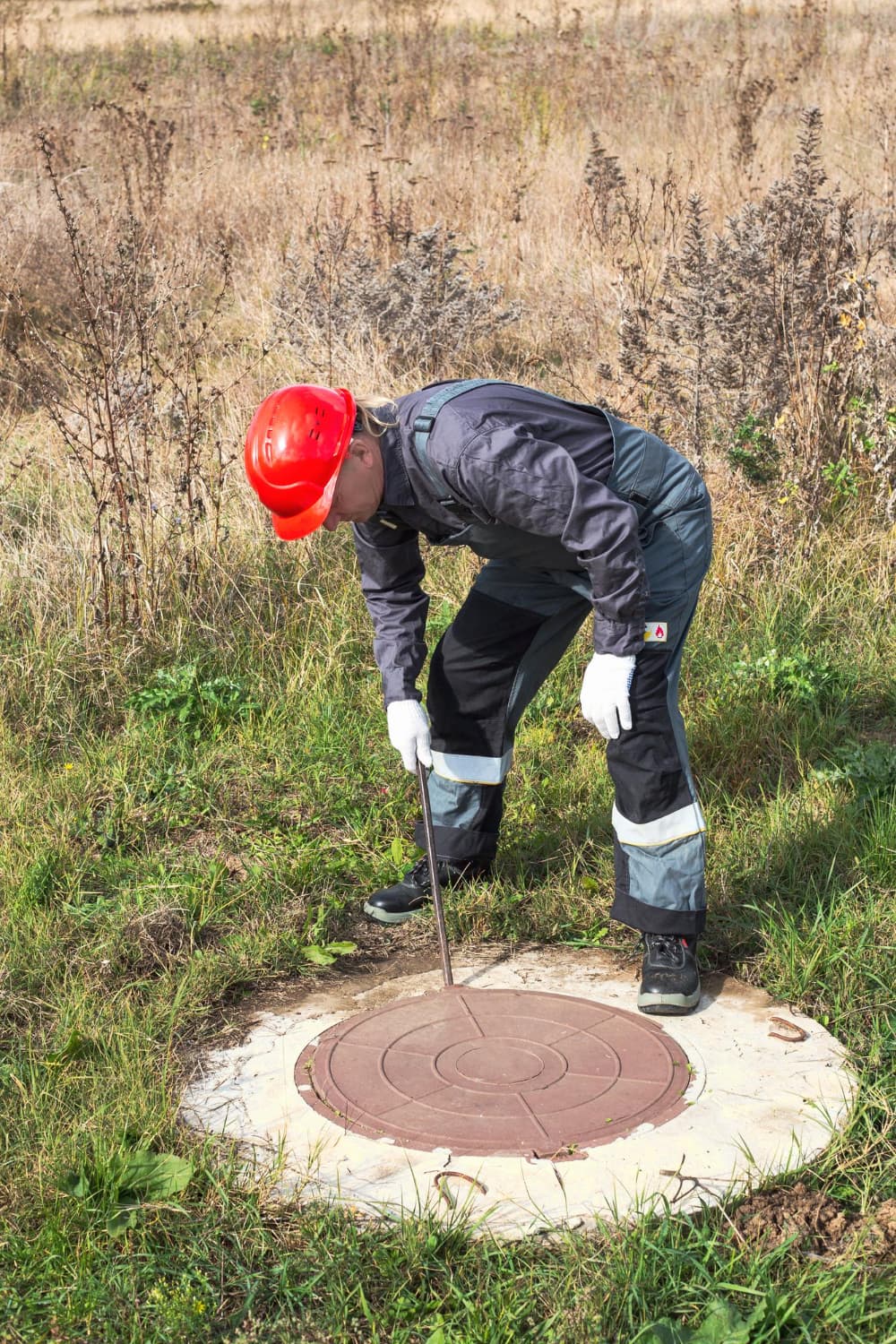
The inspector begins by locating the best entry point to access your sewer line. This is usually through a cleanout, which is a capped pipe that provides direct access to your sewer system. Most homes have cleanouts in the basement, crawl space, or outside near the foundation.
If your home doesn't have an accessible cleanout, the technician may need to remove a toilet or use another plumbing fixture as an entry point. The inspector will examine the cleanout cap for signs of previous backups or leaks before removing it.
They'll also check your home's plumbing layout and ask questions about any drainage issues you've noticed. This helps them understand which areas of the line need the most attention during the inspection.
Video camera inspection of the sewer line
The technician inserts a waterproof camera attached to a flexible cable into your sewer line. This camera has bright LED lights and records high-definition video as it moves through the pipes. The cable has distance markers that help pinpoint the exact location of any problems.
As the camera travels through your sewer line, the inspector watches a live feed on a monitor. They can see the pipe's interior condition, diameter, and material. The camera can navigate bends and turns in the line, providing a complete view from your home to where it connects with the main sewer or septic system.
Most inspections include a recording of the entire camera feed. This gives you visual proof of your pipe's condition and creates a baseline record for future comparisons.
Identifying cracks, root intrusions, or blockages
The inspector looks for specific problems as the camera moves through your pipes. Tree roots are one of the most common issues, appearing as white or brown tendrils that penetrate through pipe joints or cracks. Even small root intrusions can catch debris and create major blockages over time.
Cracks and breaks in the pipe show up as gaps, misaligned sections, or areas where light from outside enters the pipe. The inspector notes the severity and location of each crack. They also watch for:
- Corrosion or rust in metal pipes
- Bellied sections where the pipe has sagged
- Offset joints where pipe sections have separated
- Grease buildup coating the pipe walls
- Foreign objects lodged in the line
Blockages appear as dark areas where the camera can't pass through or sees accumulated debris, grease, or other materials restricting flow.
Providing a detailed report and recommendations
After completing the inspection, you receive a comprehensive report that documents everything found in your sewer line. The report includes timestamps showing where each problem exists in the pipe, measured from the access point. Most companies provide you with a copy of the video recording along with still images of problem areas.
The report explains each issue in clear terms and rates its severity. Minor concerns might just need monitoring, while serious problems require immediate attention. You'll get specific recommendations for repairs, such as hydro-jetting to remove roots, spot repairs for cracks, or full line replacement if the damage is extensive.
The inspector will explain which issues pose immediate risks and which ones you can address during routine maintenance. They'll also estimate how long your pipes should last if problems are fixed properly.
Scheduling preventive maintenance or repairs if needed
Based on the inspection findings, your plumber will help you create a maintenance plan. If the camera revealed minor root growth, scheduling regular hydro-jetting sessions can prevent roots from causing blockages. This high-pressure water treatment clears debris and cuts away small root intrusions before they become serious.
For more significant issues like cracks or collapsed sections, you'll need to schedule repair work. The technician will explain your options, which might include trenchless repair methods or traditional excavation depending on the problem's location and severity.
Many homeowners set up annual inspections as part of their regular home maintenance. Your plumber can add you to their schedule so you automatically receive a reminder when it's time for your next inspection. This helps catch new problems early before they cause backups or expensive emergency repairs.
Benefits of scheduling an annual sewer inspection
Annual sewer inspections help you catch problems before they become serious and expensive to fix. These routine checks protect your home from damage, keep your family safe, and help your plumbing system work better for longer.
Early detection of sewer line issues
Annual inspections let plumbers find small problems while they're still easy to fix. A camera inspection can spot cracks, tree root intrusions, and blockages forming in your pipes before they cause backups or leaks.
Tree roots often grow into sewer lines through tiny cracks. When caught early, you can remove these roots before they completely block your pipes. Small cracks can be patched with simple repairs instead of requiring full pipe replacement.
Inspections also reveal buildup from grease, soap, and minerals that narrows your pipes over time. Clearing these blockages early prevents sewage backups in your home. You'll see signs of pipe corrosion, joint separation, and sagging pipes that could collapse if left untreated.
Avoid costly emergency sewer repairs
Emergency sewer repairs often cost three to five times more than planned maintenance. When a sewer line breaks or backs up unexpectedly, you need immediate service that comes with premium pricing.
Regular inspections help you prevent sewer emergencies by addressing issues during normal business hours. You can schedule repairs when it's convenient and compare quotes from different plumbers. Emergency situations don't give you this luxury.
A full sewer line replacement can cost $3,000 to $25,000 depending on your property. Annual inspections typically cost $300 to $500. Finding and fixing a small crack might only cost a few hundred dollars compared to thousands for emergency excavation and replacement.
Improved home safety and sanitation
Raw sewage contains harmful bacteria and viruses that threaten your family's health. When sewer lines leak or back up, these contaminants can enter your home or yard.
Annual inspections keep sewage flowing safely away from your living spaces. You'll avoid exposure to E. coli, salmonella, and other dangerous pathogens found in wastewater. Mold growth from hidden leaks also poses serious respiratory risks.
Sewer gases like methane and hydrogen sulfide can build up when pipes crack or vent improperly. These gases are toxic and potentially explosive in high concentrations. Regular inspections ensure your sewer system vents safely and doesn't release harmful fumes into your home.
Extended lifespan of your sewer system
Sewer lines typically last 50 to 100 years with proper maintenance. Without regular care, problems can shorten this lifespan significantly.
Annual inspections help you address wear and tear before it causes permanent damage. Removing tree roots yearly prevents them from cracking your pipes. Cleaning out buildup stops corrosive materials from eating through pipe walls.
- Annual inspections: catches problems early
- Root removal: prevents pipe crushing
- Regular cleaning: reduces corrosion
- Early crack repair: stops deterioration
Your sewer system represents a major investment in your property. Spending a few hundred dollars each year on inspections protects this investment and delays the need for full replacement by decades.
Peace of mind for homeowners
You gain confidence knowing your sewer system works properly when you schedule annual inspections. Instead of worrying about unexpected backups or leaks, you have professional confirmation that everything functions correctly.
This peace of mind becomes especially valuable when selling your home. Many buyers request sewer inspections before closing. Having recent inspection reports shows you've maintained the property responsibly.
You can plan your household budget better with predictable maintenance costs. Annual inspections eliminate the stress of surprise repairs that drain your savings. You'll know exactly what needs attention and can save accordingly.
Tips to maintain your sewer system between inspections
Taking care of your sewer system between annual inspections helps prevent clogs, backups, and expensive repairs. Simple habits like watching what goes down your drains, cleaning regularly, and addressing small problems quickly can keep your pipes flowing smoothly all year.
Avoid flushing non-degradable items
Your sewer system is designed to handle human waste and toilet paper only. Flushing other items causes blockages that can damage your pipes and lead to costly backups.
Per the U.S. EPA, materials like fats, oils, and grease (FOG) and some household products (including some labeled "flushable," such as baby wipes and certain hygiene products) can contribute to sewer problems that lead to overflows and backups, supporting sewer line maintenance habits between professional sewer inspections.
Items you should never flush:
- Paper towels and tissues
- Wet wipes (even those labeled "flushable")
- Cotton swabs and cotton balls
- Dental floss
- Feminine hygiene products
- Condoms
- Medication
- Cat litter
- Cooking grease and oils
Paper towels and wet wipes do not break down like toilet paper. They clump together in your pipes and create stubborn blockages. Grease solidifies as it cools and coats the inside of your sewer lines, trapping other debris.
Keep a small trash can next to each toilet for proper disposal of these items. For kitchen grease, let it cool in a container and throw it in the trash instead of pouring it down the sink.
Regularly clean drains and traps
Monthly drain cleaning removes buildup before it turns into a serious clog. Hair, soap scum, food particles, and mineral deposits accumulate slowly in your pipes over time.
Clean your bathroom drains by removing the drain cover and pulling out visible hair and debris. Pour hot water down the drain once a week to help dissolve soap buildup. You can also use a mixture of baking soda and vinegar monthly as a natural cleaning method.
Kitchen sink traps collect food particles and grease. Clean the P-trap under your sink every few months by placing a bucket underneath, unscrewing the curved pipe section, and clearing out accumulated debris. Replace it carefully and check for leaks.
Use drain screens or catchers in all sinks and showers to prevent hair and large particles from entering your pipes. Empty these screens regularly.
Monitor water flow and drainage performance
Pay attention to how water drains throughout your home. Changes in drainage speed often signal developing problems in your sewer line maintenance routine.
Watch for these warning signs:
- Slow draining sinks, tubs, or showers
- Gurgling sounds from drains or toilets
- Water backing up in one fixture when using another
- Unusual odors coming from drains
- Multiple slow drains at the same time
A single slow drain usually means a local clog in that fixture. Multiple slow drains suggest a problem deeper in your main sewer line. Check your drains monthly by running water and observing how quickly it flows.
If you notice standing water in your sewer cleanout area or wet spots in your yard near the sewer line, contact a plumber right away. These signs indicate a potential leak or blockage that needs professional attention.
Schedule timely minor repairs
Small plumbing issues grow into major problems when ignored. Fixing minor leaks, drips, and slow drains quickly protects your sewer system from extensive damage.
A dripping faucet wastes water and can indicate deteriorating washers or seals. Leaking pipe joints allow water to escape and damage surrounding structures. Address these repairs as soon as you notice them.
Persistent slow drains need attention even if they still function. The partial blockage will worsen and eventually cause a complete backup. Call a plumber if plunging does not solve the problem within a few attempts.
Keep records of all repairs and maintenance work performed on your plumbing system. This information helps professionals diagnose future problems and shows which areas may need extra attention.
Keep tree roots away from sewer lines
Tree and shrub roots naturally grow toward water sources. Your sewer line provides moisture and nutrients that attract roots, which can infiltrate pipes through small cracks or joints.
Plant new trees at least 10 feet away from your sewer line. Larger trees with aggressive root systems need even more distance. Research root spread before planting anything near underground pipes.
Trees to avoid near sewer lines:
- Willows
- Poplars
- Maples
- Elms
- Oak trees
If you already have trees near your sewer line, apply root barriers to redirect growth away from pipes. These physical or chemical barriers guide roots in safer directions. You can also use copper sulfate or foaming root killers in your toilet twice yearly to discourage root intrusion, but check local regulations first.
Watch for signs of root invasion like recurring clogs, slow drains throughout the house, or sinkholes in your yard near the sewer line. Professional video inspection can confirm root problems before they cause pipe collapse.
Why choose Dr. Rooter Lexington for annual sewer inspection
Dr. Rooter Lexington combines local expertise with professional-grade equipment to deliver thorough sewer inspections for homeowners. The company brings certified technicians, modern diagnostic tools, clear pricing, and dependable service to every inspection appointment.
Licensed and experienced plumbing technicians
Dr. Rooter employs licensed plumbers who understand Lexington's specific plumbing challenges. These technicians receive regular training on both older plumbing systems found in historic homes and modern installations. They know local building codes and how to spot problems before they become expensive emergencies.
Your technician will have experience working with the types of sewer lines common in central Kentucky homes. This includes knowledge of issues like tree root infiltration and aging pipe materials that affect many properties in the area. Licensed professionals can identify code violations and safety concerns during your inspection.
The team lives and works in the Lexington community, so they understand the unique needs of local homeowners. This familiarity means faster, more accurate diagnoses during your annual sewer inspection.
Advanced equipment for accurate inspection
Dr. Rooter uses video camera inspection systems to examine your sewer line from the inside. These cameras travel through your pipes and send back real-time footage that reveals cracks, blockages, and deterioration. You can see exactly what the technician sees on a monitor during the inspection.
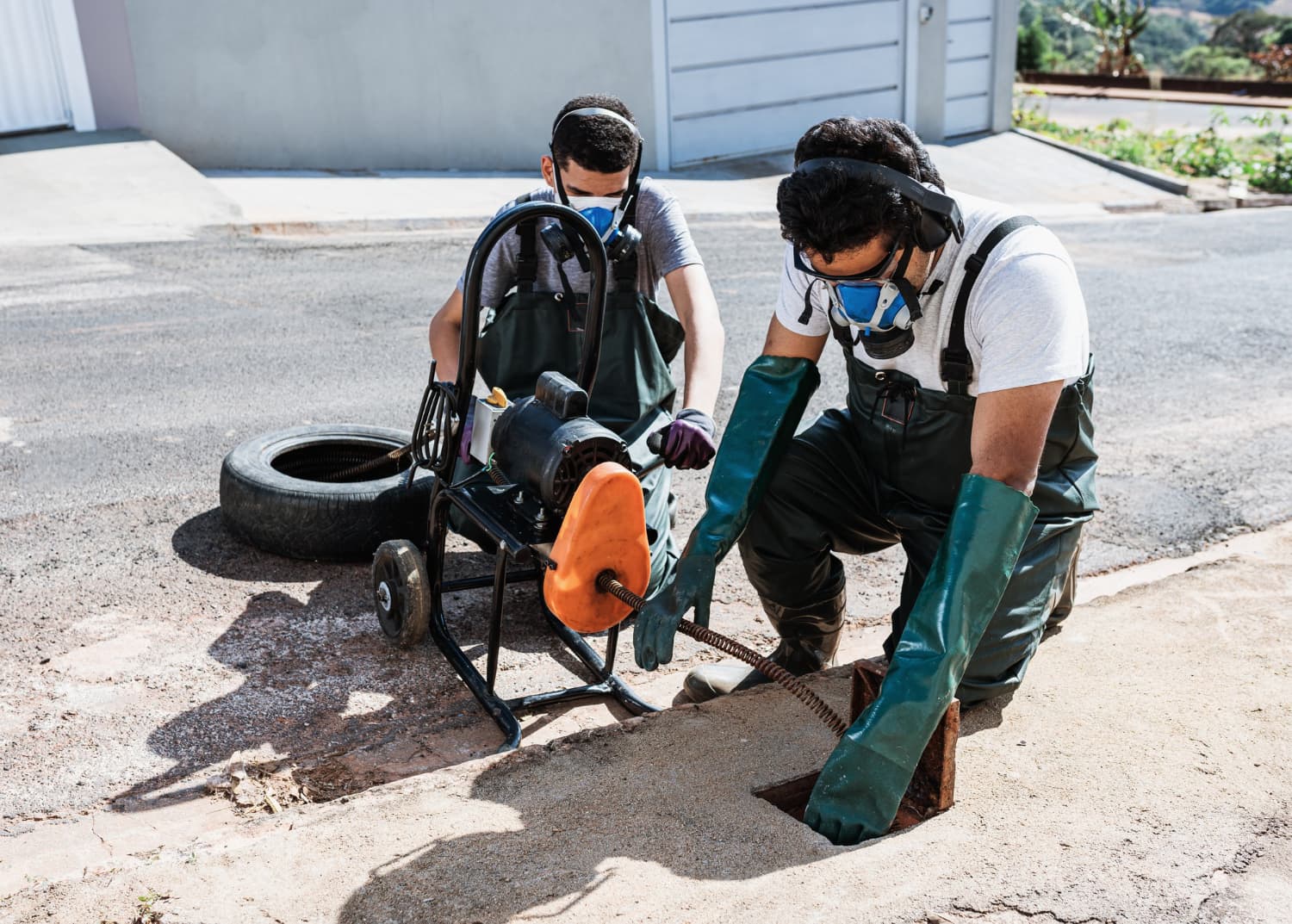
The company also employs hydro-jetting equipment when needed. This technology uses high-pressure water to clear stubborn blockages and buildup that standard methods miss. The combination of camera inspection and cleaning capabilities means problems get diagnosed and addressed in a single visit.
Advanced diagnostic tools reduce guesswork and prevent unnecessary digging or repairs. Your inspection report will include clear visual evidence of your sewer line's condition.
Reliable residential sewer service
Dr. Rooter specializes in residential sewer service for homeowners throughout Lexington and surrounding areas. The company handles everything from routine inspections to emergency repairs. You can schedule your annual inspection at a time that works for your household.
The team provides 24/7 emergency service when unexpected sewer problems occur between scheduled inspections. This availability means you're covered even when issues arise outside regular business hours. Response times are quick because technicians operate locally throughout central Kentucky.
Each inspection includes a thorough examination of your entire sewer system, not just problem areas. This comprehensive approach catches small issues before they turn into major failures.
Transparent pricing and professional guidance
Dr. Rooter provides upfront pricing before starting work on your sewer inspection. You'll know the cost before any technician begins examining your system. There are no hidden fees or surprise charges added to your bill after the inspection is complete.
Your technician will explain findings in plain language and show you the camera footage from inside your pipes. They'll recommend necessary repairs or maintenance based on what the inspection reveals. You'll receive honest guidance about which issues need immediate attention and which can wait.
The company focuses on accurate diagnosis rather than overselling services. Your inspection report will include documentation you can reference throughout the year and compare with future inspections to track changes in your sewer system's condition.
Conclusion
Annual sewer inspections protect your home from expensive plumbing emergencies. You take care of what you can see in your house, but the pipes underground need attention too.
These yearly checkups catch small problems before they turn into major repairs. A tiny crack can become a complete pipe collapse if you ignore it. Regular inspections save you money in the long run.
You should schedule your inspection with a licensed plumber who uses camera technology. This tool shows exactly what's happening inside your pipes. The professional can spot tree roots, cracks, and buildup that might cause trouble.
Keep records of each inspection. These documents help you track changes in your sewer system over time. They also prove valuable when you sell your home.
Most homeowners spend less on annual inspections than on one emergency repair. You make a smart investment when you stay ahead of sewer problems. Your plumbing system works better when you maintain it properly.
Start planning your annual sewer inspection today. Contact a qualified plumber to set up an appointment. Your home deserves this basic maintenance, just like any other important system.
Request an annual sewer inspection from Dr. Rooter Lexington to document your sewer line's condition with a camera inspection and address any developing blockages or damage before they become an emergency backup.