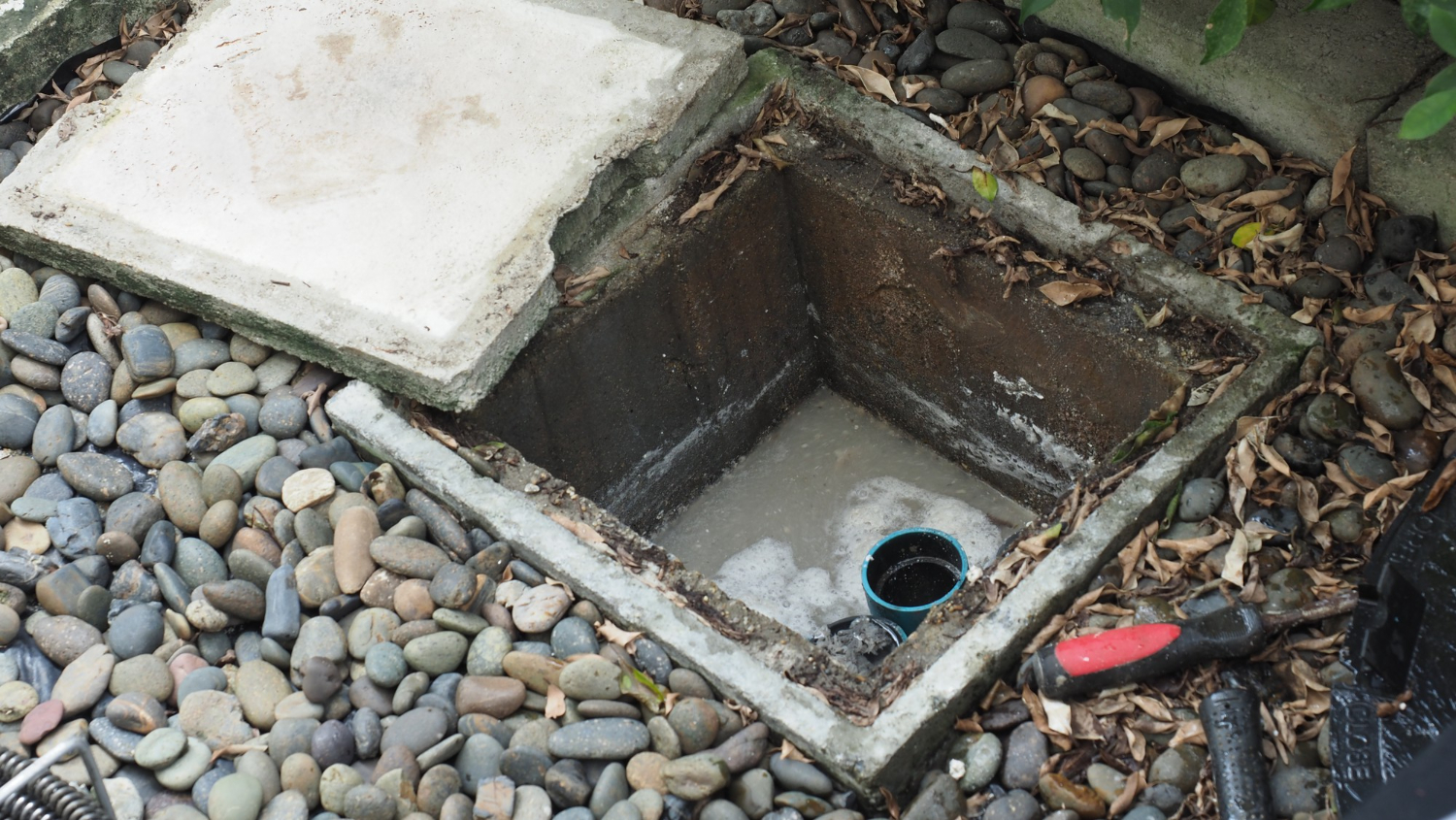
Regular grease trap cleaning prevents sewage backups, keeps your kitchen compliant with health regulations, and protects your plumbing from costly damage.
Grease traps work in commercial kitchens by catching fats, oils, and grease before they enter the plumbing system. Without proper maintenance, these traps can overflow, cause backups, and lead to expensive repairs or health code violations.
Many restaurant owners wonder when to clean their traps and whether to handle it themselves or hire professionals. The answer depends on factors like trap size, kitchen volume, and local regulations. Most experts recommend cleaning when the trap reaches 25% capacity to avoid serious problems.
This guide covers everything businesses need to know about maintaining grease traps. It explains warning signs that cleaning is overdue, what happens during professional service, and the benefits of staying on top of maintenance.
Here's what you need to know:
Whether running a busy restaurant or small café, understanding proper grease trap care helps avoid shutdowns and keeps operations running smoothly.
Grease traps protect commercial kitchens from major plumbing failures and health code violations. Regular cleaning prevents expensive repairs, maintains proper drainage, and ensures compliance with local regulations.
Grease trap cleaning removes accumulated fats, oils, and grease (FOG) from a device installed between kitchen drains and the main sewer line. These traps collect FOG before it enters the plumbing system, where it can solidify and cause blockages.
The cleaning process involves removing the lid, scooping out floating grease and oils, extracting settled solids from the bottom, and scraping down the sides and baffles. Professional cleaners then dispose of the waste according to environmental regulations.
According to the Town of Lexington (SC) Utilities Engineering, the city’s standard grease trap detail specifies a 1,500-gallon interceptor and requires a Utility Department visual inspection before backfilling.
Commercial kitchens must clean their grease traps when they reach 25% capacity. Waiting longer risks system failures and regulatory penalties. A trap that fills beyond this point cannot effectively separate FOG from wastewater, allowing grease to flow into pipes where it hardens and creates obstructions.
A grease trap sits between kitchen sinks and the main sewer line. As wastewater flows through, the trap slows the water down and cools it. This process allows FOG to separate and float to the top while solid food particles sink to the bottom.
Clean water exits through an outlet pipe positioned in the middle layer. The trap's baffles prevent FOG and solids from flowing out with the water. This simple mechanism protects municipal sewer systems from grease buildup that can cause citywide blockages.
Different kitchen sizes require different trap capacities. Small operations might use traps as small as 20 gallons, while large restaurants need units holding hundreds of gallons. The trap size determines cleaning frequency and maintenance requirements.
For South Carolina food service facilities on onsite systems, the SC Department of Environmental Services specifies that grease traps must be cleaned frequently and “no grease trap shall be less than 1000 gallons in size,” guiding capacity and maintenance planning.
Neglected grease traps fill with solidified FOG that blocks drainage pipes. This causes water to back up into sinks, floor drains, and preparation areas. A backup can shut down kitchen operations for hours or days while repairs are made.
Lexington County Public Works notes that improper disposal of fats, oils, wipes, and grease contributes to sewer leaks and overflows, and the County accepts FOG at all Recycle Centers to prevent line blockages.
Decomposing grease and food particles produce strong, unpleasant odors. These smells seep into dining areas and create a poor customer experience. Regular cleaning eliminates odor-causing buildup before it becomes noticeable.
Grease buildup also corrodes pipes and trap components. The acidic compounds in decomposing FOG eat through metal and concrete, leading to leaks and structural damage. Routine maintenance extends equipment life and prevents emergency repairs that can cost thousands of dollars.
Health departments require commercial kitchens to maintain clean, functional grease traps. Inspectors check maintenance records and can issue violations for poorly maintained systems. These violations result in fines ranging from hundreds to thousands of dollars per offense.
Repeated violations lead to serious consequences. Health departments can suspend operating permits, forcing businesses to close until they achieve compliance. Some jurisdictions impose daily fines until facilities correct the problem.
Common compliance requirements include:
Most areas require businesses to keep cleaning records for three to five years. These records must show service dates, waste volumes removed, and disposal locations. Documentation protects businesses during inspections and demonstrates good faith efforts to maintain compliant operations.
A grease trap that needs cleaning will show clear warning signs before it causes serious problems. Restaurant and commercial kitchen operators should watch for slow drainage, bad smells, visible overflow, and wastewater issues to avoid expensive repairs and health code violations.
Kitchen sinks that drain slowly or clog often point to a grease trap filled beyond capacity. As fats, oils, and grease build up in the trap, water has less space to flow through the system. This creates a bottleneck that backs up into the sinks.
Staff may notice standing water in sinks that takes several minutes to drain. Dishes pile up as multiple sinks become unusable at the same time.
The problem gets worse during busy service hours when large amounts of wastewater enter the system. A partially blocked grease trap cannot handle the increased flow. Water backs up faster than it can drain.
Frequent clogs require repeated use of plungers or drain snakes. These quick fixes only provide temporary relief. The underlying issue remains until someone cleans the grease trap properly.
Bad smells rising from drains indicate decomposing grease and food particles trapped inside the system. The odor resembles rotting food or sewage and becomes stronger as more material accumulates.
These smells occur when bacteria break down the organic matter stuck in the grease trap. The process produces gases that travel back through the drain pipes into the kitchen. Customers and staff can detect these unpleasant odors throughout the dining area.
The smell intensifies when hot water flows through the drains. Heat activates the trapped grease and releases more odor-causing gases. Running the dishwasher or washing pots can trigger sudden waves of bad smells.
Air fresheners and cleaning products only mask the problem temporarily. The odor returns within hours because the source remains in the grease trap.
Grease traps that overflow have reached their maximum capacity and can no longer contain additional material. Wastewater and grease spill out from the trap's access points onto the floor or into surrounding areas.
Visible grease floating on top of the water inside the trap signals an urgent need for cleaning. Most traps should not exceed 25 percent full of fats, oils, and grease. Anything beyond this level creates overflow risk.
Backups force wastewater to reverse direction through the plumbing system. Sinks, floor drains, and dishwashers all experience simultaneous drainage problems. The entire kitchen's wastewater system stops functioning normally.
Wastewater leaving the building should not carry strong odors if the grease trap works properly. Foul-smelling discharge indicates grease and food particles are passing through the trap without proper separation.
This problem occurs when the trap becomes so full that it can no longer capture grease effectively. Materials flow straight through and enter the municipal sewer system. The discharge smells like rancid grease mixed with decomposing food waste.
Health inspectors consider this a serious violation in most jurisdictions. The facility may face fines or temporary closure until the issue is resolved. Regular monitoring of discharge quality helps operators identify problems early.
When grease traps don't get proper cleaning and maintenance, they create serious problems for commercial kitchens. These issues range from blocked pipes and bad smells to legal troubles and higher repair bills.
Grease buildup in traps leads to blocked pipes throughout the kitchen plumbing system. When fats, oils, and grease accumulate without regular removal, they harden and create solid blockages that prevent water from draining properly.
These clogs often require emergency plumbing services to fix. Professional plumbers may need to use special equipment like hydro-jetting or mechanical snakes to clear the blockages. The cost of emergency repairs typically runs much higher than routine maintenance.
In severe cases, backed-up grease can damage pipes and require full replacement of plumbing sections. Restaurant owners might face thousands of dollars in repair costs when pipes crack or corrode from grease buildup. The problem gets worse when grease enters the main sewer lines, creating blockages that affect entire buildings or neighborhoods.
Dirty grease traps produce strong, foul smells that spread through kitchens and dining rooms. The odors come from rotting food particles and decomposing grease trapped in the system.
These smells create an unpleasant experience for customers and staff. Diners may lose their appetite or leave negative reviews about the restaurant. Kitchen workers have to deal with the bad odors during their entire shift, which affects morale and work conditions.
The smell intensifies as trapped grease continues to break down over time. Bacteria growth in neglected traps makes the odor problem worse. Even after cleaning other areas of the kitchen, the smell persists if the grease trap remains dirty.
Health inspectors check grease traps during routine restaurant inspections. Neglected traps that overflow or show poor maintenance can result in violations and citations.
Local health departments require commercial kitchens to maintain clean, functioning grease traps. Violations can lead to fines ranging from hundreds to thousands of dollars depending on the severity and location. Repeat violations may result in temporary closure of the business until the problems get fixed.
Restaurants must keep records of grease trap cleaning and maintenance. Failure to provide these records during inspections can also result in penalties. Some jurisdictions require monthly or quarterly cleaning schedules based on trap size and kitchen volume.
Dirty grease traps force other parts of the plumbing system to work harder. Pumps, drains, and pipes wear out faster when they constantly deal with grease buildup.
Equipment replacement costs add up quickly when systems fail early due to grease damage. A drain pump might need replacement years before its normal lifespan ends. Pipes may corrode and leak, requiring patches or full section replacements.
Regular professional cleaning costs less than frequent emergency repairs. The expense of maintaining a neglected system often reaches three to four times the cost of proper preventive maintenance.
Professional grease trap cleaning involves a systematic process where trained technicians inspect the system, pump out accumulated waste, clean all components, and provide guidance for ongoing maintenance. Licensed companies use specialized equipment and follow strict disposal regulations to keep commercial kitchens compliant and operational.
The cleaning process starts with a thorough inspection of the grease trap system. Technicians examine the trap's condition, check for damage or wear, and measure the grease levels to determine how much waste needs removal.
They document the amount of buildup present, which helps track compliance with the 25% capacity rule that most health departments require. During inspection, professionals also look for cracks, leaks, or damaged seals that could cause problems later.
Once the assessment is complete, technicians remove the trap cover and begin extracting the separated waste layers. This includes the top grease layer, middle water layer, and bottom solids layer. They use specialized tools to carefully remove these materials without causing spills or contamination in the kitchen area.
Restaurant grease trap cleaning requires industrial-grade vacuum pumps that extract all accumulated fats, oils, and grease from the system. These powerful pumps handle thick, viscous materials that regular equipment cannot manage effectively.
The pumped waste gets stored in specially designed trucks that transport it to approved disposal or recycling facilities. Professional companies maintain proper licenses and certifications that allow them to handle and dispose of grease waste legally.
They follow local, state, and federal regulations for waste disposal, which protects businesses from fines and environmental violations. Many services also recycle used cooking oil and grease into biodiesel or other products, supporting sustainable disposal practices.
After grease trap pumping removes all waste, technicians thoroughly clean every part of the system. They use high-pressure water jets and specialized cleaning agents to remove stubborn grease residue from trap walls, baffles, and pipes.
This deep cleaning step prevents future buildup and eliminates bacteria that cause foul odors. Technicians scrub the trap's interior surfaces, clean the inlet and outlet pipes, and ensure all baffles move freely without obstruction.
They also clean the trap cover, gaskets, and seals before reassembling everything. Some companies use hydro-jetting technology to clean connected drain lines, which removes grease deposits from pipes leading to and from the trap.
Professional cleaners document their findings and create a maintenance plan based on the trap's condition and usage patterns. They calculate how quickly grease accumulates to recommend an appropriate cleaning schedule that keeps the trap below 25% capacity.
Technicians identify any repairs needed, such as replacing worn gaskets or fixing damaged baffles. They also provide practical advice on reducing grease buildup, including proper disposal methods for kitchen staff and suggestions for installing additional equipment if needed.
The service report includes cleaning dates, waste volumes removed, and notes about the trap's condition. This documentation helps restaurants maintain compliance during health inspections and plan their maintenance budgets accordingly.
Small grease traps under 50 gallons can sometimes be cleaned by trained staff, but most commercial operations benefit from professional services that ensure compliance, safety, and proper waste disposal.
Cleaning a grease trap without proper training creates several problems. Staff members may not recognize when the trap needs repair or when buildup has damaged internal components.
DIY cleaning often misses hardened grease in corners and along walls. This partial cleaning lets bacteria grow and creates bad smells that return quickly.
Health and safety concerns:
Most businesses lack the right tools for complete cleaning. A shop vacuum removes surface grease but cannot scrape stuck material or clean the entire system. Without proper equipment, workers spend more time on the job and still get poor results.
Improper disposal of grease creates legal problems. Many areas require FOG (fats, oils, and grease) to go to approved facilities. Pouring it down drains or into regular trash violates environmental regulations and leads to fines.
Certified technicians bring specialized knowledge about different grease trap designs and manufacturers. They spot problems like cracks, broken baffles, and worn gaskets before these issues cause backups or leaks.
Professional cleaners use industrial pumps and scrapers that remove all grease and solids. They clean every part of the system, including inlet and outlet pipes that kitchen staff cannot easily reach.
Technicians measure grease levels and check flow rates to confirm the trap works correctly. They document their findings and create maintenance records that health inspectors require.
Professional service includes:
These experts work faster than untrained staff. A job that takes employees several hours gets done in 30 to 60 minutes by professionals.
Licensed grease trap cleaners follow local health codes and environmental regulations. They maintain proper insurance and waste disposal permits that protect business owners from liability.
Professional services provide documentation for every cleaning. These records prove compliance during health inspections and help businesses avoid violations or fines.
Technicians use EPA-approved cleaning methods and disposal practices. They transport waste to licensed treatment facilities where it gets processed according to environmental standards.
Professionals also identify code violations before inspectors do. They recommend repairs or upgrades needed to meet current regulations, giving businesses time to fix problems without penalties.
Regular grease trap maintenance protects commercial kitchens from plumbing disasters, keeps operations running smoothly, and helps businesses avoid costly repairs and regulatory penalties.
Grease traps capture fats, oils, and grease before they enter the plumbing system. Without regular cleaning, these substances build up inside the trap and create blockages that can stop drainage completely.
When a grease trap fills beyond capacity, wastewater backs up into sinks and floor drains. This forces kitchen operations to halt while staff deals with overflowing water and debris. The backup can damage equipment and require emergency plumbing services that cost significantly more than scheduled maintenance.
Regular cleaning removes accumulated grease before it reaches problem levels. Most commercial kitchens need service every one to three months depending on their volume of grease production. High-volume kitchens that prepare fried foods or meat-heavy dishes may require monthly cleaning to prevent issues.
A properly maintained trap allows water to flow freely through the drainage system. This prevents the slow drainage that signals an upcoming blockage and keeps kitchen staff productive.
Health departments require commercial kitchens to maintain functioning grease traps as part of food service regulations. Businesses must keep detailed cleaning records that show the date of service, amount of waste removed, and disposal methods used.
Inspectors check these records during routine visits and can issue violations for poor maintenance. A single violation may result in fines ranging from hundreds to thousands of dollars. Repeated violations can lead to temporary closure until the business corrects all issues.
Regular grease trap maintenance helps restaurants and food service facilities pass health inspections without problems. Professional cleaning services provide documentation that proves compliance with local regulations. These records protect businesses during audits and demonstrate commitment to proper waste management.
Grease buildup damages pipes over time by creating corrosive conditions inside the plumbing system. The acids produced during grease decomposition eat away at pipe walls and joints. This leads to leaks, cracks, and eventual pipe failure that requires expensive replacement work.
Regular maintenance prevents grease from entering the main plumbing lines. This protects not just the trap itself but the entire drainage infrastructure connected to the kitchen. Pipes stay cleaner and last longer when grease gets removed at the trap rather than traveling through the system.
A well-maintained grease trap can function effectively for many years. Neglected traps often need complete replacement within a few years due to structural damage from accumulated waste. The cost of regular cleaning remains far lower than premature equipment replacement.
Decomposing grease produces strong, unpleasant smells that spread throughout the kitchen and dining areas. These odors come from bacteria breaking down organic matter trapped in the accumulated fats and food particles.
Regular cleaning eliminates the source of these smells before they become noticeable. A clean trap processes wastewater without releasing offensive odors into the workspace. This creates a more pleasant environment for kitchen staff and prevents smells from reaching customer areas.
Clean grease traps also improve overall kitchen efficiency by maintaining proper drainage speeds. Water flows quickly through sinks and equipment when the trap works correctly. Staff can wash dishes and clean work surfaces without waiting for slow drains to clear.
Dr. Rooter Lexington provides reliable commercial grease trap service backed by trained technicians and proven cleaning methods. The company handles everything from one-time cleanings to scheduled maintenance programs that keep restaurants and food service businesses running smoothly.
Dr. Rooter Lexington employs technicians who specialize in commercial kitchen systems and understand the unique demands of food service operations. These professionals receive training in proper grease trap maintenance procedures and know how to work efficiently without disrupting business hours.
The team identifies potential problems during routine service calls, which helps prevent emergency situations. They inspect trap components, check for leaks, and verify that all parts function correctly. This attention to detail protects kitchen operations from unexpected shutdowns.
Commercial grease traps require different handling than residential plumbing systems. The technicians at Dr. Rooter Lexington recognize these differences and adjust their approach based on trap size, usage patterns, and business type. They bring the right equipment for each job and complete work according to manufacturer specifications.
The company uses proper disposal methods that meet local regulations in Lexington. All removed fats, oils, and grease get transported to approved processing facilities rather than being dumped illegally. This protects businesses from fines and environmental violations.
Speed matters in commercial settings where kitchen downtime equals lost revenue. Dr. Rooter Lexington schedules service appointments that align with slower business periods. The crew arrives on time with all necessary tools and completes most jobs within a few hours.
Safety protocols remain a priority during every service call. Technicians wear protective equipment, secure work areas, and follow proper handling procedures for waste materials. This reduces liability for business owners and creates a safer environment for kitchen staff.
Regular cleaning schedules prevent grease buildup before it causes blockages or odors. Dr. Rooter Lexington creates customized maintenance plans based on kitchen volume, menu type, and trap capacity. Some restaurants need monthly service while others operate effectively with quarterly cleanings.
The company tracks service history and sends reminders when the next cleaning appointment approaches. This system helps busy restaurant owners stay compliant with health codes without managing schedules themselves. Consistent maintenance extends trap lifespan and reduces the likelihood of expensive emergency repairs.
Maintenance programs include documentation of each service visit. These records prove compliance during health inspections and provide a clear timeline of all work performed.
Regular grease trap cleaning keeps commercial kitchens running smoothly and prevents expensive plumbing problems. A well-maintained grease trap protects pipes from clogs and keeps foul odors out of the workspace.
Business owners should follow a consistent cleaning schedule based on their kitchen's needs. Most grease traps need cleaning every 1-3 months, though busier kitchens may require more frequent service.
Kitchen staff must watch for warning signs like slow drains, bad smells, or standing water near the trap. These signs mean the trap needs immediate attention.
Professional cleaning services offer expertise and proper disposal methods that meet environmental standards. They have the right tools and knowledge to handle the job safely. Some businesses choose to handle basic maintenance themselves while scheduling professional deep cleanings.
Keeping detailed records of all cleaning and maintenance helps businesses stay compliant with regulations. Documentation also makes it easier to track when the next service is due.
A clean grease trap is essential equipment, not optional. It protects both the business and the community's water systems from grease-related damage.
Schedule commercial grease trap cleaning and pumping with Dr. Rooter Lexington to measure capacity, pump and haul FOG per local code, and keep your kitchen compliant and clog-free.