A sewer camera inspection uses a waterproof camera on a flexible cable to look inside your sewer pipes and show exactly what's causing problems without digging up your yard
Your home's sewer system works hard every day, but most problems stay hidden underground until they become expensive emergencies. Slow drains, bad smells, and wet spots in your yard can all point to issues deep in your pipes. The good news is that modern technology makes it easy to find these problems before they get worse.
. A trained plumber feeds the camera through your drains and watches live video of the inside of your pipes. This lets them spot clogs, cracks, tree roots, and other damage that you can't see from above ground.
This guide will walk you through everything you need to know about sewer camera inspections, from spotting warning signs to understanding how professionals perform the service and keep your plumbing system running smoothly.
Here's what you need to know:
- Sewer camera inspection: Detect sewer issues before they escalate
- What is a sewer camera inspection?
- Signs your sewer line needs a camera inspection
- How a sewer camera inspection is performed
- Benefits of scheduling a sewer camera inspection
- Tips to maintain your sewer system between inspections
- Why choose Dr. Rooter Lexington for sewer camera inspection
Keep reading! Knowing when to get a camera inspection and what the process involves can save you time and money.
Sewer camera inspection: Detect sewer issues before they escalate
A sewer camera inspection uses a small waterproof camera attached to a flexible cable. The camera travels through your pipes and sends back live video of what's inside. This lets plumbers see problems without digging up your yard or breaking through walls.
The camera can spot many types of damage in your sewer lines. You can find out about clogs, cracks, tree root growth, pipe corrosion, and misaligned sections. The inspection also shows if foreign objects are blocking your pipes or if joints have separated over time.
Common issues detected during inspection:
- Blockages from grease, debris, or waste buildup
- Cracks and breaks in pipe walls
- Tree roots growing into sewer lines
- Collapsed or sagging pipes
- Corrosion and deterioration
- Poor pipe installation or connections
This technology helps you catch problems early. A small crack today can turn into a major pipe failure next month. Root intrusion starts small but grows larger over time. Finding these issues early means simpler and cheaper repairs.
You don't need to wait for a backup or overflow to get an inspection. Regular inspections work well for preventative maintenance. They're also useful before buying a home, after completing repairs, or when you notice slow drains and odd smells.
The inspection typically takes one to three hours. The length depends on how much pipe needs checking and how complex your system is. You get clear answers about your sewer line condition without any invasive work.
What is a sewer camera inspection?
Sewer camera inspections use waterproof video equipment to examine the inside of your pipes without digging up your yard. This technology helps plumbers find specific problems and plan targeted repairs.
Using video cameras to inspect sewer lines
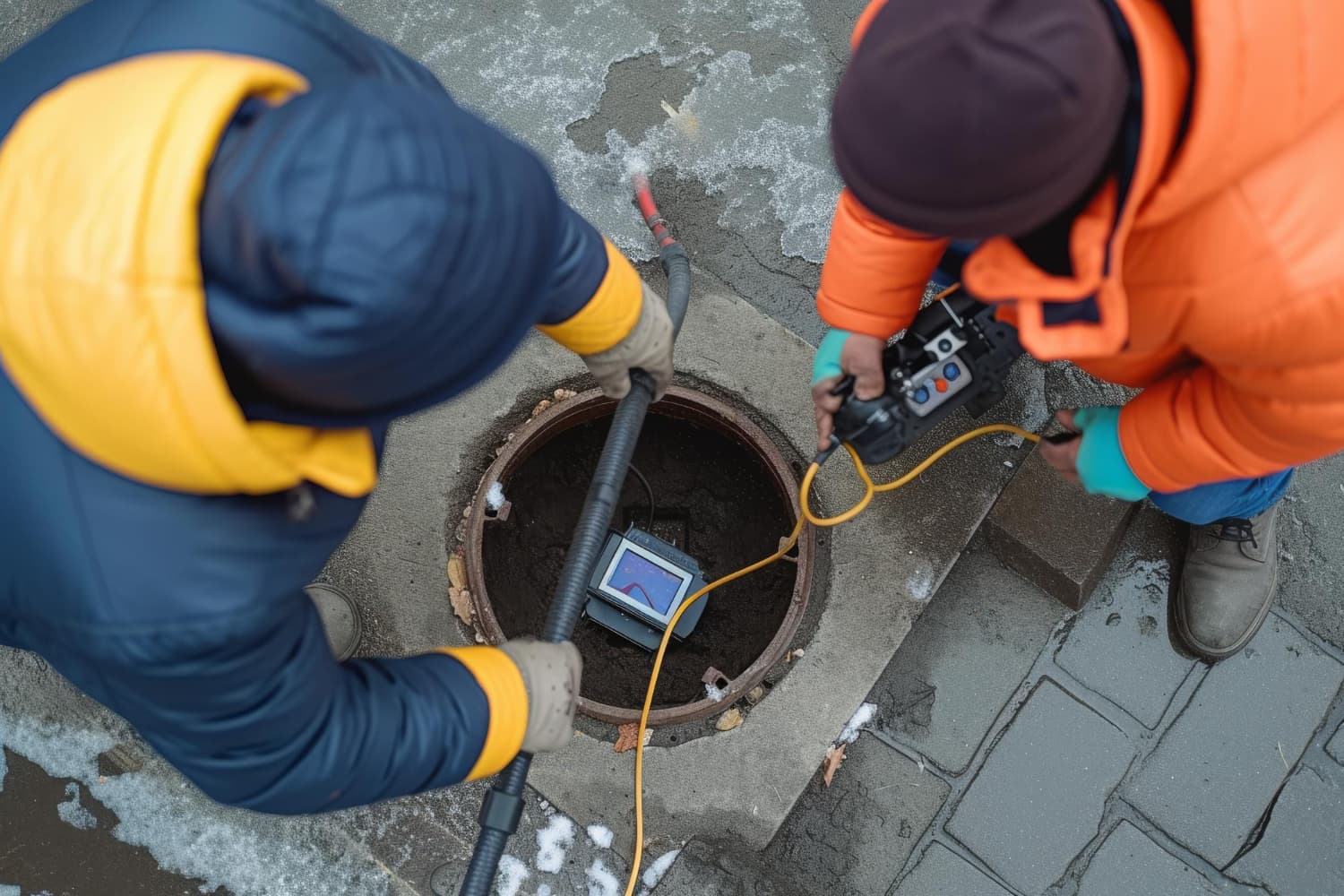
A sewer camera inspection involves inserting a small waterproof camera attached to a flexible cable into your drain or sewer line. The camera travels through the pipe while sending live video footage back to a monitor above ground.
The camera features high-resolution capabilities and built-in LED lights to see clearly in dark pipes. A technician controls the camera's movement through your sewer system, guiding it through bends and junctions.
The flexible cable can extend hundreds of feet into your sewer line. This reach allows plumbers to inspect the entire system from your home to the main sewer connection. The camera transmits real-time footage that shows the exact condition of your pipes.
Identifying cracks, blockages, and root intrusions
Video sewer inspection reveals problems that were previously impossible to see without excavation. The camera captures clear images of pipe damage, including cracks in the pipe walls and broken sections that need repair.
Common issues detected include:
- Tree roots growing into pipes through joints and cracks
- Grease buildup and solid waste blockages
- Collapsed or crushed pipe sections
- Corrosion and deteriorating pipe material
- Misaligned pipe connections
The camera also shows the exact location of problems using a transmitter that marks the position above ground. This precision means your plumber knows exactly where to dig if repairs are necessary. You avoid unnecessary excavation and reduce repair costs significantly.
Preventing costly repairs and emergencies
Regular camera inspections catch small problems before they become major emergencies. A minor crack detected early can be repaired for a few hundred dollars, while a collapsed sewer line might cost thousands to replace.
The inspection identifies slow-forming blockages that haven't caused backups yet. Removing these blockages proactively prevents sewage from backing up into your home. You also avoid the water damage and health hazards that come with sewer emergencies.
Camera inspections are particularly valuable before buying a home. The inspection reveals the true condition of the sewer system and helps you avoid purchasing a property with expensive hidden plumbing problems.
Improving sewer system maintenance
Video inspections create a baseline record of your sewer system's condition. You can schedule follow-up inspections to monitor how problems develop over time and plan maintenance accordingly.
The technology helps plumbers recommend the most effective cleaning methods for your specific situation. Some blockages respond to hydro jetting, while others need mechanical cutting tools. The camera shows which approach will work best.
Maintenance benefits include:
- Scheduled cleaning based on actual pipe condition
- Targeted root removal before major damage occurs
- Early detection of shifting or settling pipes
- Documentation of repairs and improvements
You can plan repairs during convenient times rather than dealing with emergency situations. This approach saves money and reduces stress related to unexpected plumbing failures.
Providing detailed video reports for homeowners
Your plumber provides a recorded copy of the entire inspection. This video serves as documentation of your sewer system's condition and any problems found during the inspection.
The report includes time-stamped footage that marks the location of each issue within your sewer line. Many plumbers add notes and measurements directly on the video. You receive clear explanations of what the footage shows and what repairs are recommended.
This documentation proves valuable when filing insurance claims for sewer line damage. The video evidence shows the extent of problems and justifies the need for repairs. You can also use the report to get multiple repair estimates and compare recommendations from different plumbers.
Signs your sewer line needs a camera inspection
Your sewer line can develop problems that are hard to spot without the right tools. Knowing the warning signs helps you act before small issues turn into expensive repairs.
Slow draining sinks, tubs, or toilets
When water drains slowly from your sinks, tubs, or toilets, it often points to a blockage in your sewer line. This happens when waste builds up or tree roots grow into the pipes.
You might notice one drain working fine while others are slow. This suggests the problem is in your main sewer line rather than a single fixture. If multiple drains are sluggish at the same time, a camera inspection can find the exact location and cause of the blockage.
A single slow drain might just need a simple fix. But when several fixtures drain slowly, especially after you have tried basic cleaning methods, your sewer line likely needs professional attention.
Unpleasant odors from drains
Bad smells coming from your drains signal a potential sewer line problem. These odors happen when waste gets trapped in your pipes or when there is a crack that lets sewer gas escape.
The smell might remind you of rotten eggs or sewage. It can come from your bathroom, kitchen, or any drain in your home. If cleaning your fixtures does not remove the odor, the source is likely deeper in your sewer system.
A camera inspection traces where the smell originates. The camera can spot buildup, damage, or ventilation issues that cause the odor. Finding the source means you can fix it properly instead of just covering up the smell.
Frequent clogs or backups
Dealing with the same clog over and over is frustrating. It also means something is wrong deeper in your sewer line. Regular plunging might work temporarily, but the problem keeps returning.
Backups are more serious. They occur when wastewater cannot flow through your pipes and comes back up through drains or toilets. This creates unsanitary conditions and can damage your home.
According to the U.S. EPA, sanitary sewer overflows can back up into homes, causing property damage and threatening public health, which is why recurring clogs or signs of blockage warrant a sewer line inspection before an overflow occurs.
A camera inspection shows what causes repeated clogs. Common culprits include tree roots, broken pipes, or collapsed sections of your sewer line. Once you know the cause, you can choose the right repair method.
Wet spots or sinkholes in the yard
Unexplained wet areas in your yard can mean your sewer line is leaking underground. These spots stay damp even when it has not rained. You might also notice grass that grows faster or looks greener in certain areas because sewage acts as fertilizer.
Sinkholes or depressions in your yard are more serious. They form when a broken sewer line washes away the soil underneath. The ground becomes unstable and can collapse.
A camera inspection confirms if your sewer line is leaking. The camera shows cracks, holes, or completely broken sections of pipe. This information helps your plumber plan the repair without digging up your entire yard.
Older homes or previous sewer repairs
Homes built before 1980 often have clay or cast iron sewer pipes. These materials break down over time. Clay pipes crack easily, and tree roots grow through the joints. Cast iron corrodes and develops holes.
If your home has had sewer repairs before, the rest of the line might be in similar condition. Previous repairs often fix one problem area while other sections continue to age.
A camera inspection gives you a complete view of your sewer line's condition. You can see where pipes are deteriorating before they fail completely. This lets you plan repairs on your schedule instead of dealing with an emergency.
How a sewer camera inspection is performed
A professional sewer line inspection follows a clear sequence that allows technicians to examine your pipes without digging. The process uses specialized camera equipment to evaluate the interior condition of your sewer system and identify specific problems that need attention.
Locating sewer cleanouts or access points
The technician begins by finding the best entry point into your sewer system. Most homes have cleanouts, which are capped pipes that provide direct access to the main sewer line. These cleanouts are typically located outside near your home's foundation or in the basement.
If your property doesn't have a cleanout, the technician may need to access the line through a drain opening or by removing a toilet. The professional will choose the access point that provides the clearest path to the area of concern. They'll also consider which entry point allows the camera to travel in the right direction through your pipes.
Before inserting any equipment, the technician prepares the area around the access point. This preparation keeps the work area clean and ensures the camera enters the line smoothly.
Inserting a flexible video camera into the sewer line
The technician attaches a waterproof camera to a flexible cable or push rod. This cable allows the camera to navigate through the curves and bends in your sewer pipe evaluation without causing damage. The camera head includes bright LED lights that illuminate the dark interior of the pipes.
As the technician feeds the cable into the line, they monitor the live video feed on a screen above ground. The flexible design lets the camera move through pipes of different sizes, typically ranging from 2 inches to 36 inches in diameter.
The cable has depth markers that help the technician track how far the camera has traveled into your system. This information becomes important later when pinpointing the exact location of any problems discovered during the inspection.
Capturing footage to identify cracks, blockages, and tree root intrusions
The camera transmits high-resolution video as it moves through your sewer line. The technician watches carefully for common issues that affect sewer systems:
- Blockages from grease buildup, debris, or foreign objects
- Cracks and breaks in the pipe walls
- Tree root intrusions that have penetrated the pipe joints
- Pipe corrosion or deterioration
- Misaligned pipe sections or collapsed areas
- Bellied pipes where sections have sunk and created low spots
The video quality allows the technician to see fine details like small cracks or early-stage root growth. Many camera systems record the footage automatically while others require the technician to manually capture important segments.
Reviewing video footage and documenting findings
After completing the sewer pipe evaluation, the technician reviews the recorded footage with you. They'll show you exactly what they found inside your pipes and explain what each problem means for your system. The video provides clear visual evidence of any issues rather than requiring you to trust a verbal description alone.
The technician documents the location of each problem using the cable's depth markers and any visible landmarks in the video. They typically create a written report that includes:
- Specific locations of damage or blockages
- Severity ratings for each issue
- Screenshots or video clips of problem areas
- Pipe material and estimated age
- Overall condition assessment
This documentation becomes valuable if you need to file insurance claims or plan future repairs.
Recommending repair or maintenance solutions based on inspection
Based on what the inspection revealed, the technician provides specific recommendations for addressing problems in your sewer system. Minor blockages might only need professional cleaning with a drain snake or hydro-jetting equipment. Small cracks could be fixed with trenchless pipe lining that doesn't require excavation.
More serious issues like collapsed pipes or extensive tree root damage may require partial or complete pipe replacement. The technician will explain your options, including traditional dig-and-replace methods versus trenchless repair techniques.
You'll receive cost estimates for the recommended repairs and guidance on which issues need immediate attention versus which ones you can monitor over time. The video evidence helps you make informed decisions about your sewer system maintenance and understand why certain repairs are necessary.
Benefits of scheduling a sewer camera inspection
Professional sewer camera inspections help you find problems in your pipes before they turn into expensive emergencies. These inspections use waterproof cameras to show exactly what's happening inside your sewer lines, giving you accurate information about blockages, cracks, and other damage.
Early detection of sewer line issues
A professional sewer camera inspection catches problems when they're still small and manageable. The waterproof camera travels through your pipes and sends live video footage to a monitor, showing cracks, tree root intrusions, and blockages before they cause serious damage.
Small cracks in your sewer line can grow larger over time. When you catch them early through camera inspection, you can repair them before they break completely and flood your property.
Tree roots often invade sewer pipes through tiny openings. A camera inspection reveals these root intrusions while they're still minor, allowing you to address them before they create a full blockage. Regular inspections help you prevent sewer backups that happen when roots or debris completely block your pipes.
According to North Carolina State University (N.C. Cooperative Extension), tree roots generally take advantage of existing cracks, gaps, or leaking joints in sewer piping, so root intrusion on video sewer inspection often indicates a pre-existing opening that should be repaired or sealed to prevent repeat growth.
Professionals can also spot pipe misalignments and deteriorating sections during these inspections. These issues might not cause immediate problems, but they will fail eventually. Finding them early gives you time to plan and budget for repairs.
Avoiding costly emergency sewer repairs
Regular camera inspections save you money by preventing emergency situations. When you know about problems in advance, you can schedule repairs at your convenience instead of paying premium rates for emergency service.
A sewer backup in your home can cost thousands of dollars in cleanup and repairs. The inspection itself costs a few hundred dollars, making it a smart investment compared to emergency repairs that can run into tens of thousands.
Insurance companies often don't cover sewer line damage caused by lack of maintenance. Having regular camera inspections on record shows you've maintained your system properly, which can help with claims if you do experience an issue.
Emergency repairs also mean more disruption to your daily life. You might need to leave your home during extensive repairs or deal with unsanitary conditions. Scheduled maintenance happens on your timeline.
Accurate diagnosis and targeted solutions
Professional camera inspections provide exact locations and detailed views of problems in your sewer system. The technician can measure the distance from the access point to the problem area, eliminating guesswork about where to dig or make repairs.
This accuracy means contractors only excavate where necessary, saving your landscaping and reducing labor costs. Without camera inspection, workers might need to dig up large sections of your yard to find the problem.
The video footage also helps you understand what's wrong with your pipes. Technicians can show you the exact issue on a monitor, making it easier to make informed decisions about repairs. You're not just taking someone's word for it.
Different problems require different solutions. A camera inspection reveals whether you need a simple cleaning, spot repair, or full pipe replacement. This targeted approach prevents unnecessary work and expense.
Increased system lifespan and performance
Regular camera inspections extend the life of your sewer system by catching issues before they cause permanent damage. Small repairs now prevent the need for complete pipe replacement later.
Your sewer system works more efficiently when it's clear of buildup and blockages. Camera inspections identify areas where grease, debris, or mineral deposits are accumulating so you can clean them before they restrict flow.
The inspection process itself doesn't harm your pipes. The camera is small, flexible, and designed specifically for pipe interiors. You get valuable information without adding wear to your system.
Professional technicians also provide maintenance recommendations based on what they see during the inspection. They might suggest more frequent cleanings in certain areas or advise on products to avoid putting down your drains.
Peace of mind for homeowners
A professional sewer camera inspection gives you confidence in your home's plumbing system. You know the actual condition of your pipes instead of worrying about unknown problems lurking underground.
This knowledge is valuable when buying or selling a home. Buyers want proof that the sewer system is in good condition, and sellers can use a clean inspection report to justify their asking price.
You can plan your budget more effectively when you know what repairs might be needed in the coming years. There are no surprises that drain your emergency fund or force you to take on unexpected debt.
Regular inspections also help you sleep better at night. You won't worry about sudden backups or sewage in your basement because you know your system is in good shape. Professional monitoring keeps your home safe and sanitary.
Tips to maintain your sewer system between inspections
Taking care of your sewer system between professional inspections helps prevent clogs, backups, and expensive repairs. Simple habits like being mindful of what goes down your drains and watching for early warning signs can keep your pipes flowing smoothly for years.
Avoid flushing non-degradable items
Your toilet is designed to handle only human waste and toilet paper. Flushing items like wet wipes, paper towels, cotton swabs, dental floss, or feminine hygiene products can create serious blockages in your sewer lines.
Per the U.S. Environmental Protection Agency (EPA), grease from homes, restaurants, and industrial sources is cited as the most common cause of reported sewer blockages (47%), which is why keeping fats, oils, and grease out of drains matters for anyone trying to prevent sewer backups.
These products don't break down like toilet paper does. They can stick to pipe walls or clump together with grease and other debris.
Items you should never flush:
- Wet wipes (even those labeled "flushable")
- Paper towels and tissues
- Cotton balls and swabs
- Dental floss
- Medications
- Cat litter
- Cooking grease or oil
- Cigarette butts
Keep a small trash can in your bathroom for these items. Teach everyone in your household these rules to prevent problems before they start.
Regularly clean drains and traps
Your drain traps catch hair, soap scum, and small debris before they enter your main sewer line. Cleaning these traps every few months prevents buildup that leads to slow drains and clogs.
Remove pop-up stoppers in bathroom sinks and clear away accumulated hair and soap residue. Pour hot water down your drains weekly to help dissolve soap and grease.
Use a mixture of baking soda and vinegar monthly for natural drain maintenance. Pour half a cup of baking soda down the drain, followed by half a cup of vinegar. Wait 15 minutes, then flush with hot water.
Avoid chemical drain cleaners when possible. These harsh products can damage your pipes over time, especially if you have older plumbing. A drain snake or plunger works better for most clogs without causing pipe damage.
Monitor water flow and drainage performance
Pay attention to how water drains throughout your home. Slow drainage often signals a developing problem in your sewer line before it becomes a complete blockage.
Watch for these warning signs:
- Water backing up in sinks, tubs, or showers
- Gurgling sounds from drains or toilets
- Multiple fixtures draining slowly at once
- Water pooling around floor drains
- Unpleasant odors coming from drains
Test your drainage regularly by running water in different fixtures. If water drains slowly in more than one location, the problem likely exists in your main sewer line rather than individual drains.
Check your water pressure too. Sudden changes in pressure can indicate issues with your plumbing system that affect your sewer line.
Schedule timely minor repairs
Small plumbing problems rarely fix themselves. A slow drain today can become a complete backup tomorrow if you ignore it.
Fix leaky faucets and running toilets promptly. Excess water flowing through your system can worsen existing issues in your sewer line.
Address minor clogs as soon as you notice them. Use a plunger first for toilet clogs. For sink drains, try a drain snake before considering other options.
Replace worn-out fixtures and seals before they fail completely. Old wax rings under toilets or deteriorating gaskets can allow debris to enter your sewer line in ways that cause problems.
Call a professional plumber if you can't clear a clog yourself or if problems keep coming back. Recurring issues usually mean a deeper problem in your sewer line that needs expert attention.
Keep tree roots away from sewer lines
Tree roots cause some of the most serious and expensive sewer line damage. Roots naturally grow toward water sources, and your sewer pipes provide moisture and nutrients.
Plant new trees at least 10 feet away from your sewer line. Larger trees with aggressive root systems need even more distance. Aim for 20 feet or more.
Know where your sewer line runs on your property. Contact your local utility company for help locating underground pipes before planting trees or large shrubs.
Consider installing root barriers if you already have trees near your sewer line. These physical barriers redirect roots away from pipes.
Use copper sulfate or foaming root killers twice yearly if roots have already entered your pipes. These products kill roots inside the line without harming the tree itself. Follow product instructions carefully and check local regulations before use.
Remove trees that consistently cause root problems. While this seems extreme, it costs less than repeated sewer line repairs or a complete replacement.
Why choose Dr. Rooter Lexington for sewer camera inspection
Dr. Rooter Lexington brings together trained professionals, modern equipment, and clear communication to handle your sewer line problems. Their team focuses on accurate diagnostics and honest service to keep your plumbing system running smoothly.
Licensed and experienced plumbing technicians
Dr. Rooter Lexington employs licensed plumbers who have completed extensive training in drain and sewer systems. These technicians understand how to operate camera equipment properly and interpret what they see inside your pipes. Their experience allows them to spot problems that untrained eyes might miss.
When you schedule a professional sewer camera service, you get technicians who know the difference between normal pipe wear and serious issues that need attention. They can identify tree root intrusions, cracks, blockages, and deteriorating pipe materials. This knowledge helps them recommend the right repairs instead of guessing at solutions.
The team stays current with plumbing codes and industry standards. They know how different pipe materials behave over time and what problems are common in the Lexington area. This local expertise matters when diagnosing your specific plumbing situation.
Advanced video inspection technology
Dr. Rooter Lexington uses waterproof cameras attached to flexible cables that can navigate through your sewer lines and drain pipes. These cameras provide clear, real-time video footage of your pipe interiors. The equipment includes lighting systems that illuminate dark pipes so technicians can see every detail.
The camera heads are compact enough to fit through standard drain openings while still capturing high-quality images. This technology eliminates the need for digging up your yard to find problems. You can often watch the inspection video yourself and see exactly what's happening inside your pipes.
The system also records footage for future reference. This documentation helps track how problems develop over time and proves useful if you need to show evidence to insurance companies or when selling your home.
Reliable residential sewer service
Dr. Rooter Lexington serves homeowners throughout the area with consistent, dependable service. They handle routine inspections, emergency diagnoses, and pre-purchase home inspections. The team responds promptly to service calls and works around your schedule.
Their residential focus means they understand common household plumbing challenges. They've seen everything from toy blockages to old clay pipes that have shifted with ground movement. This residential experience translates to faster diagnosis and more effective solutions.
The company maintains its equipment properly and arrives prepared with the right tools for your inspection. You won't face delays because of broken equipment or missing parts. They complete most camera inspections within a few hours, giving you answers quickly.
Transparent pricing and professional guidance
Dr. Rooter Lexington provides upfront pricing before starting any work. You'll know what the camera inspection costs before the technician begins. There are no hidden fees or surprise charges added to your bill afterward.
After completing the inspection, technicians explain their findings in plain language. They show you the problem areas on video and describe what repairs or maintenance you need. If your pipes are in good condition, they'll tell you that too.
The team prioritizes necessary repairs over unnecessary services. They give you honest assessments about whether problems need immediate attention or can wait. You also receive written reports that document the inspection results, making it easy to get repair quotes from contractors or plan your maintenance budget.
Conclusion
A sewer camera inspection gives you a clear look at what's happening inside your pipes without any digging or guesswork. This technology helps you find problems early before they turn into expensive emergencies.
You can use this inspection method to identify blockages, cracks, root intrusions, and pipe damage. The camera provides real-time footage that shows exactly where issues are located. This means repairs can be targeted and precise.
Regular inspections help you maintain your sewer system properly. You can schedule preventive maintenance based on what the camera reveals. This approach stops small issues from becoming major problems.
The inspection process is minimally invasive and quick. A waterproof camera on a flexible rod moves through your pipes while recording everything it sees. You receive a complete report with video footage that documents the condition of your sewer lines.
Whether you're dealing with recurring clogs or want to check your system's health, this inspection method takes the uncertainty out of plumbing maintenance. You make informed decisions based on visual evidence rather than assumptions.
Schedule a professional sewer camera inspection with Dr. Rooter Lexington to pinpoint the exact cause of sewer line problems and get a clear, documented plan for the next repair step.