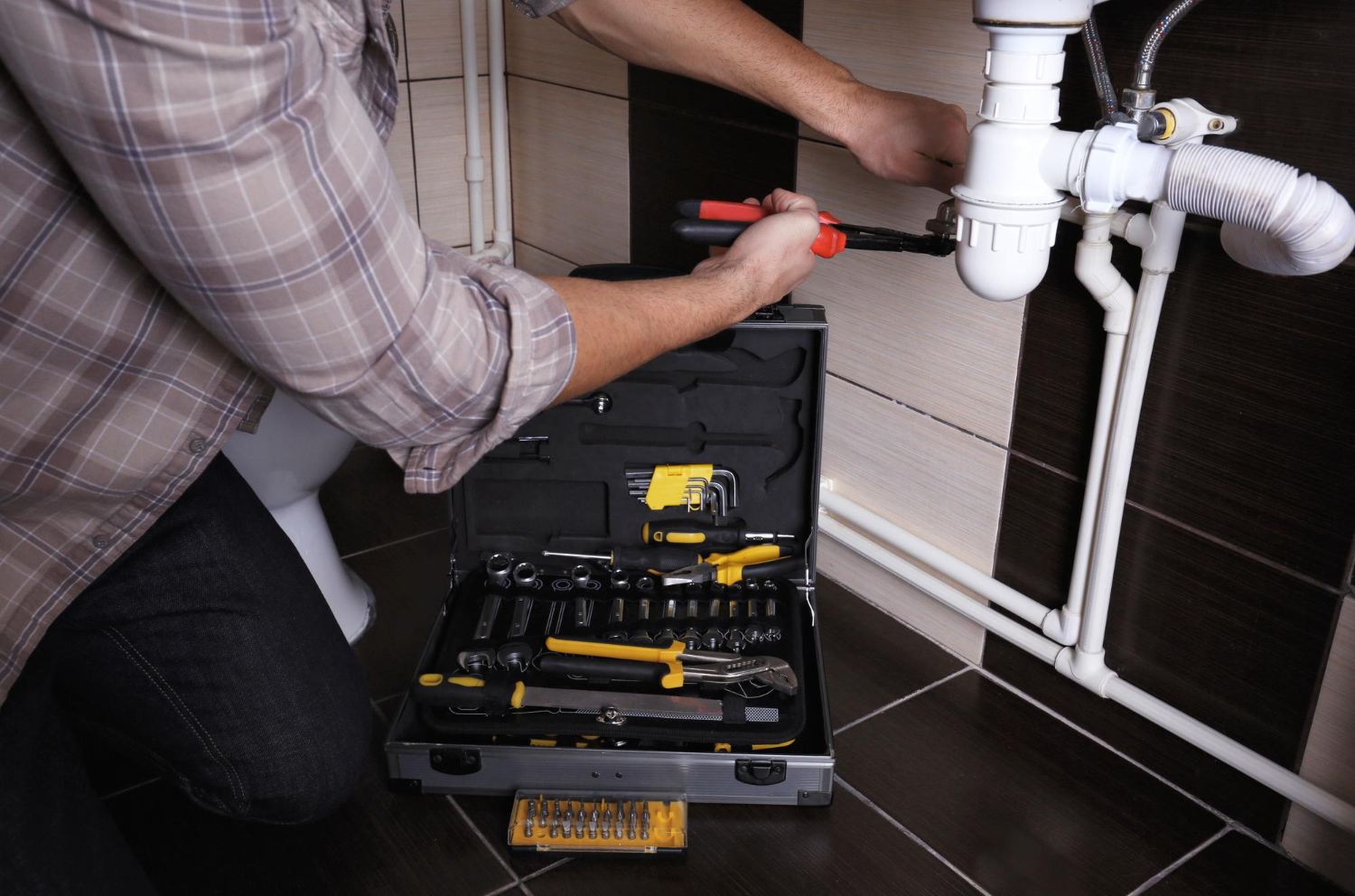
Clogged drains can turn into serious problems fast, causing water damage, bad smells, and plumbing emergencies in your Lexington home. Professional drain cleaning services in Lexington use special tools like hydro-jetting and camera inspections to clear blockages completely and keep your plumbing system running smoothly. Whether you're dealing with a slow sink, a backed-up toilet, or a main sewer line issue, local experts can fix the problem quickly and help prevent it from happening again.
Understanding why drains get clogged and how professionals fix them can save you time and money. This guide will explain what causes most drain problems in Lexington homes, what methods plumbers use to clean drains, and how you can avoid clogs in the future.
You'll also learn about the benefits of working with a local drain cleaning company and get practical tips to keep your drains flowing freely.
Here's what you need to know:
Keep reading! Knowing when to call a professional versus when to handle a minor clog yourself will help you protect your home's plumbing system.
Clogged drains create serious problems for your home's plumbing system and can lead to expensive repairs if left untreated. Understanding when to call for help and how regular maintenance protects your property helps you avoid major issues down the road.
When drains get blocked, water pressure builds up inside your pipes. This pressure can damage pipe joints and connections over time. The extra strain weakens your entire plumbing system.
Clogs force wastewater to sit in your pipes longer than it should. This standing water corrodes metal pipes and creates breeding grounds for bacteria. The longer a clog remains, the more damage it causes to your plumbing infrastructure.
Per the U.S. EPA WaterSense program, the average household wastes nearly 10,000 gallons of water per year from easily fixable leaks — and slow or partially blocked drains that force water to pool and increase pressure on pipe joints can accelerate the wear that leads to those leaks over time.
Blockages in one drain often affect other parts of your system. A kitchen sink clog can slow down your dishwasher drainage. A bathroom drain issue might cause your toilet to back up. These connected problems require professional drain cleaning in Lexington to fix properly.
Slow drainage is usually the first sign of a developing clog. If water takes more than a few seconds to drain from your sink or tub, buildup has started in your pipes.
Bad smells coming from your drains indicate trapped food, grease, or other organic matter decomposing in your pipes. These odors get worse over time and spread throughout your home.
Watch for these urgent warning signs:
Professional cleaning removes soap scum, hair, grease, and food particles before they form solid blockages. Regular service keeps your pipes clear and water flowing at normal speed.
Scheduled maintenance helps identify small problems before they turn into emergencies. Technicians spot early warning signs like minor buildup or small cracks during routine cleanings. Fixing these issues early costs much less than emergency repairs.
Professional drain cleaning in Lexington extends the life of your plumbing system. Clean pipes experience less corrosion and wear. They handle daily use better and need fewer repairs. Most experts recommend professional cleaning every 18 to 24 months for homes with normal usage.
Drains in your home can become blocked by different materials depending on which room you're in. Kitchen drains typically face problems from cooking byproducts, while bathroom drains deal with personal care items.
Grease is one of the worst things you can put down your kitchen drain. When hot grease goes down the pipe, it cools and hardens on the pipe walls. Over time, this buildup narrows the pipe opening.
According to the U.S. Environmental Protection Agency (EPA), fats, oils, and grease poured down kitchen drains, along with tree roots entering through pipe defects, are among the leading causes of sewer blockages nationwide — and improper or inadequate maintenance and cleaning of residential sewer lines is itself identified as a direct contributing factor to sanitary sewer overflows.
Food waste adds to the problem. Small bits of food seem harmless, but they stick to grease and create thick clogs. Coffee grounds, eggshells, and vegetable peels are common culprits.
Even if you have a garbage disposal, some foods cause problems. Pasta and rice expand when wet. Fibrous vegetables like celery wrap around disposal blades. These items should go in the trash instead.
The best practice is to scrape plates into the garbage before washing dishes. Wipe greasy pans with paper towels before rinsing them. Pour cooking oil into a container and throw it away rather than dumping it down the sink.
Hair combines with soap residue to form tough clogs in bathroom drains. Each time you shower or wash your hair at the sink, strands fall out and wash toward the drain. The hair catches on the drain stopper or pipe joints.
Soap doesn't fully dissolve in water. Bar soap contains fats that leave behind a sticky film. This film coats your pipes and catches hair. Shampoo and body wash also contribute to residue buildup.
Common bathroom drain problems include:
You can reduce hair clogs by using drain screens or catchers. These simple devices trap hair before it enters your pipes. Clean the screens weekly to prevent buildup.
Tree roots grow toward water sources, including your sewer lines. Small cracks or loose joints in underground pipes release water vapor. Roots detect this moisture and grow into the openings.
Once inside, roots expand and create major blockages. They act like nets that catch toilet paper, waste, and other materials. This leads to slow drains throughout your entire house or complete backups.
Older homes in Lexington are more vulnerable to root intrusion. Clay pipes and aging connections develop more cracks over time. Mature trees near your sewer line increase the risk.
Signs of root problems include gurgling toilets, multiple slow drains at once, and sewage odors in your yard. These issues require professional inspection with camera equipment to locate the roots and determine the best removal method.
Items that don't belong in drains cause sudden blockages. In bathrooms, cotton swabs, dental floss, and feminine hygiene products create clogs. These items don't break down in water.
According to the U.S. Environmental Protection Agency (EPA), flushing anything other than toilet paper — including products marketed as "flushable" wipes — can damage internal plumbing, local sewer systems, and septic systems, creating sewage backups inside homes and neighborhoods and placing added strain on wastewater infrastructure.
Toys are a common problem in homes with children. Small action figures, building blocks, and toy cars can fall or be dropped into toilets and sinks. These objects lodge in pipe bends.
Paper products other than toilet paper cause trouble. Paper towels, wet wipes, and cleaning cloths don't dissolve like toilet paper. They bunch up and block pipes.
Items to keep out of your drains:
Your toilet is not a trash can. Only human waste and toilet paper should go down it. Teach everyone in your household what can and cannot be flushed or washed down drains.
Plumbers use specialized tools and techniques to clear blocked drains and restore proper water flow. These methods range from mechanical tools that break up clogs to high-pressure water systems and camera technology that helps locate problems deep inside pipes.
A drain snake is a flexible metal cable that plumbers feed into your pipes to break up and remove blockages. The cable has a coiled end that rotates as it moves through the drain, catching hair, food particles, and other debris that cause clogs.
Plumbers use different types of snakes depending on your specific problem. Handheld snakes work well for clogs near the drain opening, like those in bathroom sinks. For deeper blockages in your main sewer line, plumbers use motorized snakes that can reach 100 feet or more into your plumbing system.
This method works especially well for clogged drain repair in Lexington homes with older pipes. The snake physically breaks apart tree roots, grease buildup, and solid waste that accumulates over time. Most plumbers can clear simple clogs in under an hour using this technique.
Hydro jetting uses high-pressure water to clean your pipes from the inside. A special nozzle shoots water at pressures up to 4,000 PSI, which blasts away grease, mineral deposits, and debris stuck to pipe walls.
This method cleans more thoroughly than snaking alone. The powerful water stream removes all buildup instead of just poking a hole through the clog. Your pipes end up almost as clean as when they were first installed.
Plumbers often recommend hydro jetting for sewer drain cleaning in Lexington properties with recurring clogs. It's particularly effective for restaurants and commercial buildings where grease builds up quickly. The process also clears tree roots that have grown into sewer lines.
While more expensive than basic snaking, hydro jetting provides longer-lasting results. Most residential drains stay clear for several years after treatment.
Plumbers use waterproof cameras attached to flexible cables to see inside your pipes. These cameras send live video feed to a monitor, showing the exact location and cause of blockages or damage.
The camera reveals problems you can't detect from the surface. Plumbers can spot cracked pipes, separated joints, and root intrusion before these issues cause major backups. They can also verify that cleaning work removed the entire blockage.
This technology helps plumbers plan the most effective repair strategy. Instead of guessing where a problem exists, they know exactly what needs fixing and where. The inspection typically adds 30-60 minutes to a service call but saves money by preventing unnecessary digging or repairs.
Local drain cleaning services in Lexington offer quick emergency response, professional diagnostic tools, and lasting solutions that prevent future problems. Working with nearby professionals means you get experienced technicians who understand the specific drainage challenges in your area.
When you have a plumbing emergency, time matters. Local drain cleaning services in Lexington can reach your home or business much faster than companies based in other cities. Many local providers offer 24/7 availability and arrive within an hour of your call.
Emergency drain cleaning Lexington companies keep their equipment and crews stationed nearby. This means they can respond quickly when your toilet backs up at midnight or your kitchen sink overflows during dinner. Quick response prevents water damage to your floors, walls, and belongings.
Local technicians also know the shortest routes to your neighborhood. They understand traffic patterns and can navigate around construction zones or busy areas. This local knowledge helps them arrive faster when every minute counts.
Local professionals use advanced equipment to identify the exact cause of your drainage problems. They rely on video camera inspections to see inside your pipes and locate blockages, cracks, or tree root intrusions. This technology shows them what's happening without guessing or unnecessary digging.
Experienced local technicians recognize common issues specific to Lexington properties. They know which types of pipes were installed in different neighborhoods and how local soil conditions affect drainage systems. This knowledge helps them diagnose problems faster and more accurately.
Video inspections also create a record of your pipe condition. You can see the problem yourself on a monitor and understand why certain repairs are needed. This transparency helps you make informed decisions about your plumbing.
Professional drain cleaning addresses the root cause of clogs rather than just clearing surface blockages. Local services use methods like hydro-jetting that remove buildup from pipe walls and restore full water flow. This thorough cleaning prevents clogs from returning quickly.
Regular maintenance from local providers keeps your drains working properly year-round. They can set up scheduled cleanings that remove debris before it causes major blockages. This proactive approach extends the life of your pipes and prevents expensive emergency repairs.
Local companies also offer preventive advice based on your specific drainage system. They might recommend enzyme treatments, suggest changes to what goes down your drains, or identify warning signs to watch for. These long-term strategies protect your plumbing investment and reduce future repair costs.
Preventing drain clogs saves you time and money compared to dealing with backups and emergency repairs. Simple daily habits and routine maintenance keep your pipes clear and water flowing smoothly.
Never pour cooking grease, oil, or fat down your kitchen sink. These substances stay liquid when hot but solidify as they cool inside your pipes. This creates stubborn blockages that trap other debris and grow larger over time.
Let grease cool in a container and throw it in the trash instead. Wipe greasy pots and pans with paper towels before washing them.
Food scraps also cause major clogs. Coffee grounds, eggshells, pasta, rice, and fibrous vegetables like celery should go in the trash or compost bin. Even if you have a garbage disposal, these items can build up in your pipes.
Run cold water for 15 seconds before and after using your disposal. The water helps flush waste through your plumbing system.
Install mesh screens or drain covers over all your drains. These inexpensive tools catch hair, soap residue, food particles, and other debris before they enter your pipes.
Clean your drain screens at least once a week. Remove the collected debris and rinse the screen with warm water. In bathrooms, hair is the main culprit for slow drains and clogs.
Replace worn or damaged screens right away. A good screen costs just a few dollars but prevents clogs that could cost hundreds to fix.
Professional drain cleaning every 12 to 18 months keeps your plumbing system healthy. Plumbers use specialized equipment like video cameras and hydro-jetting tools to remove buildup you cannot reach with household methods.
Video camera inspections show the inside condition of your pipes. The plumber can spot early warning signs like root intrusion, corrosion, or partial blockages before they become emergencies.
Hydro-jetting uses high-pressure water streams to blast away grease, mineral deposits, and other stubborn buildup. This thorough cleaning method restores your pipes to nearly new condition and prevents future clogs more effectively than snaking alone.
Keeping your drains clear is an important part of home maintenance. When you ignore slow drains or minor clogs, they can turn into bigger problems that cost more to fix.
Professional drain cleaning services in Lexington use the right tools and know-how to handle any blockage. They work with equipment like drain snakes, hydro-jetting machines, and camera inspection systems. These tools help them find and fix problems quickly.
You might be tempted to use store-bought drain cleaners or try to fix clogs yourself. But these quick fixes often don't solve the root problem. Professional plumbers can spot issues like tree root intrusion, pipe damage, or main sewer line problems that you might miss.
Regular drain cleaning keeps your plumbing system running smoothly. It helps you avoid emergency situations like backed-up toilets or flooded basements. Most local companies in Lexington offer fair pricing and flexible scheduling to fit your needs.
When you notice slow drains, bad smells, or gurgling sounds, don't wait. Contact a trusted drain cleaning service to inspect your system and clear any blockages. Taking care of your drains now saves you time, money, and stress down the road.
Contact Dr Rooter Lexington to schedule professional drain cleaning services and get a thorough inspection before a slow drain turns into a costly plumbing emergency.