Sewer problems never happen at a convenient time. A backed-up sewer line can quickly turn into a serious issue that threatens your home, your health, and your peace of mind. Emergency sewer service provides immediate professional help when your sewer system fails, preventing costly damage and unsanitary conditions in your home.
When sewage backs up into your drains or yard, you need more than a regular plumber with standard business hours. You need trained professionals who can respond quickly, diagnose the problem correctly, and fix it right the first time.
In this article, you'll learn when to call for emergency sewer service in Lexington and what to expect from 24/7 response for sewer line repair and residential sewer emergencies.
Here's what you'll find below:
- Emergency sewer service: fast response to protect your home
- What is emergency sewer service?
- Signs you need emergency sewer service
- How emergency sewer service is performed
- Benefits of timely emergency sewer service
- Tips to avoid future sewer emergencies
- Why choose Dr. Rooter Lexington for emergency sewer service
Keep reading! Understanding what emergency sewer service involves and when to call for it can save you thousands of dollars in damage.
Emergency sewer service: fast response to protect your home
When a sewer emergency strikes, quick action makes the difference between minor inconvenience and major damage. Emergency sewer services provide 24/7 response to handle urgent plumbing repair needs that can't wait until morning.
Most professional emergency teams respond within 1-2 hours of your call. This speed matters because sewage backups pose serious health risks and can cause extensive property damage within hours.
According to the South Carolina Department of Environmental Services (SCDES), South Carolina has reported an average of almost 600 sewer overflows per year over the last 10 years, and untreated sewage can back up into basements, causing property damage and threatening public health, which is why fast emergency sewer response matters.
What triggers an emergency sewer call:
- Raw sewage backing up into your home
- Multiple drains clogging at once
- Strong sewage odors throughout your house
- Water pooling in your yard near sewer lines
- Gurgling sounds from toilets and drains
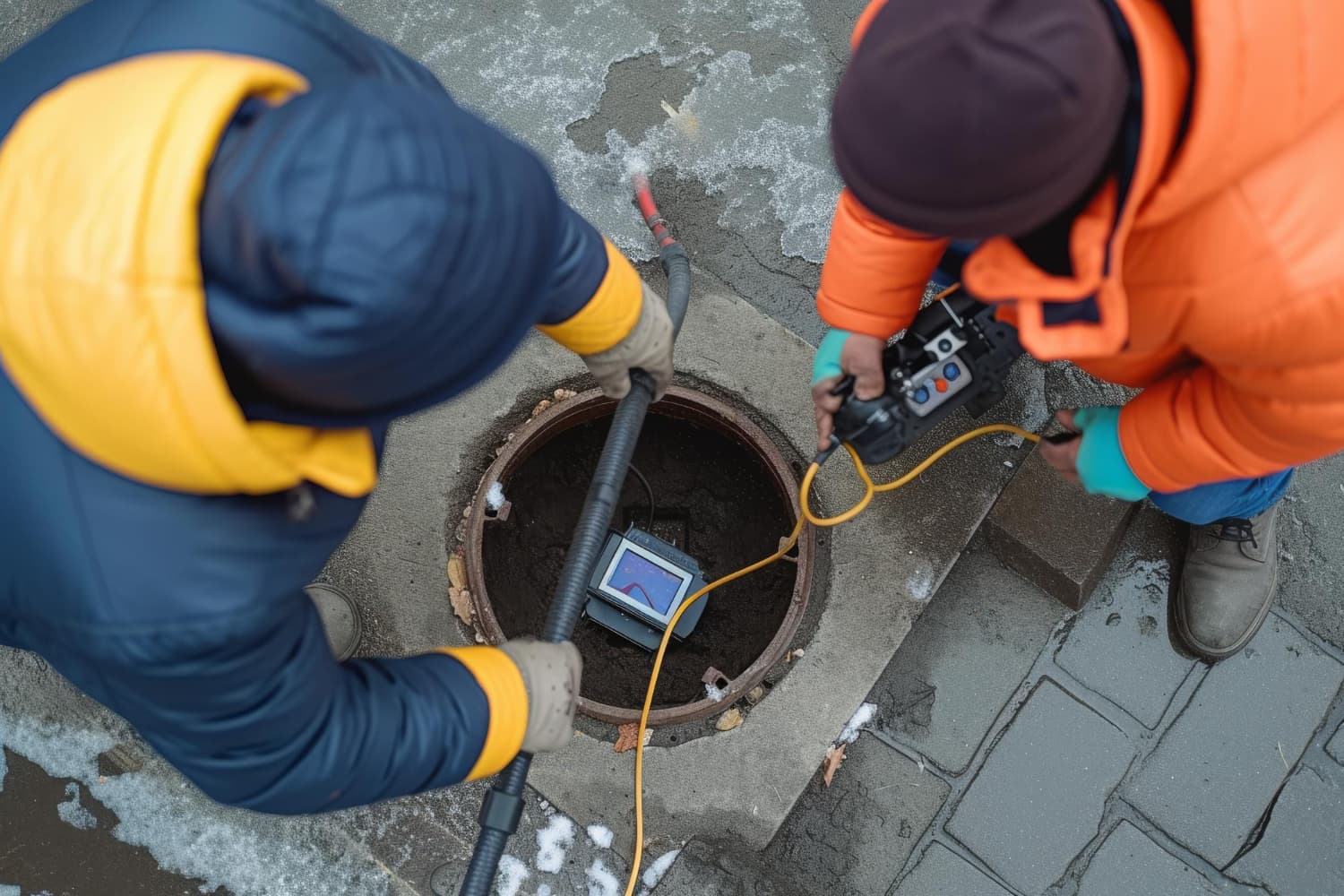
Emergency plumbers arrive equipped with specialized tools to diagnose and fix problems immediately. They often use camera inspections to locate blockages or breaks in your sewer line without guessing.
Your role during a sewer emergency:
- Stop using all water in your home immediately
- Keep family members away from sewage
- Open windows to ventilate affected areas
- Call a licensed emergency plumber right away
Many emergency services offer flat-rate pricing so you know costs upfront. Professional teams also provide same-day or next-day repairs for most common sewer issues.
The best emergency sewer services maintain proper licensing and certifications. They carry insurance to protect your property and have the experience to handle both simple blockages and complex line failures.
What is emergency sewer service?
Emergency sewer service provides immediate professional help when your sewer system fails or threatens to cause serious damage. These services operate around the clock to handle urgent problems that can't wait for regular business hours.
Rapid response to sewer backups and clogs
Emergency sewer service means getting help fast when sewage starts backing up into your home. Professional plumbers arrive quickly to assess the situation and stop the backup before it spreads.
Sewer backups happen when waste can't flow properly through your pipes. This creates pressure that forces sewage back through drains in your toilets, sinks, and showers. Tree roots, grease buildup, and flushed items often cause these blockages.
Emergency teams use specialized equipment to clear the clog right away. They typically start with video cameras to locate the exact problem spot. Then they use tools like motorized augers or hydro-jetting systems to remove the obstruction and restore flow.
Per Lexington County (SC), sewer blockages caused by fats, oils, wipes, and grease (FOWG) can force sewage to back up into homes and businesses or overflow into streams and creeks, and the County notes utilities spend hundreds of thousands of dollars and thousands of hours unclogging and cleaning sewer lines, supporting sewer backup prevention habits alongside emergency sewer service readiness.
The goal is to get your sewer line working again within hours, not days. Speed matters because sewage backup creates health risks and damages your property with every minute that passes.
Repairing leaks and damaged sewer lines
Emergency repairs fix broken or cracked sewer pipes that leak sewage into your yard or foundation. These problems need immediate attention because leaking sewage contaminates soil and groundwater.
Signs of sewer line damage include soggy patches in your yard, foul odors around your property, and foundation cracks. You might also notice sinkholes forming or sewage surfacing in your lawn.
Professional plumbers use trenchless repair methods when possible to fix pipes without digging up your entire yard. Pipe lining and pipe bursting techniques let them repair or replace damaged sections through small access points. Traditional excavation remains necessary for severe breaks or collapsed pipes.
Emergency repairs stop the leak and prevent further contamination. Technicians also check for structural damage to ensure your system won't fail again soon.
Preventing basement flooding and water damage
Emergency sewer service protects your basement from sewage floods that can destroy belongings and damage your home's structure. Quick action stops the flow before sewage reaches floor level or reduces how much enters your living space.
Key protection measures include:
- Installing backwater valves that prevent sewage from flowing backward into your home
- Pumping out standing sewage immediately to limit absorption into walls and floors
- Setting up temporary drainage solutions to redirect flow away from your property
- Sealing entry points where sewage might enter through cracks or gaps
Water damage from sewage is particularly harmful because it contains bacteria and pathogens. The longer sewage sits in your basement, the more it soaks into drywall, insulation, and wooden structures. This leads to mold growth and requires extensive restoration work.
Restoring proper drainage and home sanitation
Emergency service returns your plumbing system to normal function so you can safely use your toilets, sinks, and drains again. This means clearing blockages completely and ensuring waste flows away from your home as designed.
Your home's sanitation depends on properly working sewer lines. When your system fails, you can't flush toilets or run water without creating more backup problems. Emergency plumbers test your entire drainage system after clearing the main issue.
They run water through multiple fixtures to verify everything drains correctly. They also check vent pipes and drain traps to make sure your whole system works together. Any weak points get addressed before the technician leaves your property.
Proper drainage also means maintaining the right slope in your sewer lines. Emergency repairs ensure pipes remain at the correct angle for gravity to move waste efficiently toward the main sewer or septic system.
Minimizing health hazards and property loss
Emergency sewer service reduces your exposure to dangerous bacteria, viruses, and parasites found in raw sewage. Fast response limits how much contamination spreads through your home.
Health risks from sewer problems include:
- E. coli and salmonella infections from contact with contaminated surfaces
- Respiratory issues from breathing sewer gases and mold spores
- Skin infections from direct sewage exposure
- Hepatitis and other serious diseases transmitted through human waste
Property damage escalates rapidly when sewage enters your home. It ruins carpets, furniture, electronics, and personal items within hours. The longer you wait for service, the more you'll need to replace or professionally clean.
Emergency teams also handle initial cleanup to reduce contamination levels. They remove standing sewage, apply antimicrobial treatments, and advise you on which items can be salvaged. This immediate action prevents small problems from becoming total losses that cost thousands more to fix.
Signs you need emergency sewer service
Recognizing the warning signs of a sewer emergency can help you avoid extensive property damage and costly repairs. These indicators often appear suddenly or worsen quickly, requiring immediate professional attention to protect your home and health.
Sewer backups or slow drainage
Multiple drains backing up at once signals a serious problem in your main sewer line. You might notice water coming back up through your lowest drains, such as basement floor drains or bathtub drains, when you flush a toilet or run water elsewhere in your home.
A single slow drain usually means a localized clog. However, when all your drains are sluggish or when wastewater backs up into other fixtures, you're dealing with a main sewer line blockage.
This type of backup poses immediate health risks because it often contains raw sewage and harmful bacteria. You should stop using all water fixtures immediately and call for emergency service. Don't attempt to fix this yourself with chemical drain cleaners, as they won't clear main line blockages and can make the situation worse.
Foul odors coming from drains
Strong sewage smells inside or around your home indicate a breach in your sewer system. Your sewer lines are designed to be airtight, so any odor means gases are escaping where they shouldn't.
These smells often indicate cracks, breaks, or severe clogs in your sewer line. The odor may be strongest near specific drains or outside near your sewer cleanout. You might also notice the smell intensifies when you run water or flush toilets.
Sewer gas contains harmful compounds like methane and hydrogen sulfide. Extended exposure can cause headaches, nausea, and respiratory problems. This isn't just unpleasant, it's a health hazard that requires immediate attention from a professional plumber.
Water pooling in your basement or yard
Unexplained water or soggy patches in your basement indicate a possible sewer line leak. These wet areas often appear near the foundation or around floor drains, and they may contain sewage contamination.
Standing water in your yard, especially near your sewer line path, suggests underground pipe damage. You might see unusually green or lush grass in specific spots where sewage is leaking and acting as fertilizer. The ground may feel spongy or sink slightly when you walk on it.
Any water pooling that appears without recent rainfall needs investigation. Sewage-contaminated water creates health hazards and can damage your home's foundation. Act quickly to minimize property damage and prevent soil contamination around your home.
Gurgling sounds from toilets or drains
Unusual gurgling or bubbling noises from your plumbing fixtures signal air trapped in your sewer lines. These sounds typically occur when water tries to flow through a partially blocked pipe, pushing air bubbles back up through your drains.
You might hear these sounds in one fixture when using another elsewhere in your home. For example, your toilet might gurgle when you run the washing machine. This cross-fixture reaction confirms a main sewer line issue rather than a simple drain clog.
The noises indicate that your sewer line can't properly vent gases or drain water. This problem will worsen over time, eventually leading to complete blockage or backup. Contact an emergency plumber before the situation escalates to a full sewage backup.
Sudden plumbing failures or pipe bursts
A burst pipe releasing sewage requires immediate emergency service. You'll see water or sewage flooding from visible pipes, and the damage can spread rapidly through your home. Shut off your main water supply and call for help right away.
Multiple plumbing fixtures failing simultaneously points to main sewer line problems. If several toilets won't flush, drains stop working, or you experience widespread backups, your residential sewer system needs urgent professional evaluation.
Sudden changes in water pressure throughout your home can also indicate sewer line damage. Tree roots, ground shifting, or aging pipes can cause unexpected failures. Don't wait to address these issues, the longer you delay, the more extensive and expensive the damage becomes.
How emergency sewer service is performed
Emergency sewer professionals follow a structured process to address urgent plumbing failures, starting with a thorough inspection and ending with system verification to prevent future problems.
Immediate assessment and diagnosis
When you call for emergency sewer service, technicians arrive quickly to evaluate the situation. They inspect visible signs like water backup, sewage odors, or wet spots around your property. The team asks questions about when problems started and what symptoms you noticed.
Technicians check your drains, toilets, and outdoor access points to determine the severity. They look for standing water, slow drainage, or complete blockages that indicate urgent issues. This initial assessment helps them understand whether you need simple cleaning or major sewer line repair.
The diagnostic phase typically takes 15 to 30 minutes. Professionals identify whether the problem affects one fixture or your entire system, which determines the repair approach and equipment needed.
Locating blockages, leaks, or damaged pipes
Technicians use video camera inspection to see inside your sewer lines. They insert a waterproof camera attached to a flexible cable through cleanout access points or drain openings. The camera sends real-time footage to a monitor, showing exactly where problems exist.
This technology reveals tree roots, grease buildup, collapsed sections, or cracked pipes. The camera equipment includes distance markers that pinpoint the exact location of damage. GPS technology helps mark problem spots when pipes run deep underground or beneath structures.
For hidden leaks, professionals may use acoustic listening devices or thermal imaging. These tools detect moisture and pressure changes without excavation, saving time and reducing property damage.
Using specialized equipment to clear clogs or repair lines
For blockages, technicians deploy hydro-jetting equipment that blasts high-pressure water through pipes. This method removes grease, scale, and debris more effectively than traditional snaking. The water pressure ranges from 3,000 to 8,000 PSI depending on your pipe material and clog severity.
When sewer line repair becomes necessary, professionals choose between trenchless and traditional methods. Trenchless repairs use pipe lining or pipe bursting techniques that require minimal digging. Traditional excavation involves removing soil to access damaged sections directly.
Minor cracks often get sealed with epoxy lining that hardens inside existing pipes. Collapsed or severely damaged sections require pipe replacement. The repair method depends on damage extent, pipe depth, and your property layout.
Sanitizing affected areas to ensure safety
After clearing blockages or completing repairs, technicians clean all contaminated surfaces. They remove sewage water and solid waste from affected areas using industrial pumps and vacuums. Raw sewage contains harmful bacteria and pathogens that create health risks.
Professionals apply antimicrobial treatments to floors, walls, and fixtures exposed to wastewater. They use EPA-approved disinfectants designed for sewage cleanup. The sanitizing process includes multiple applications to eliminate microorganisms completely.
Your team may set up air scrubbers and dehumidifiers to remove moisture and prevent mold growth. They dispose of contaminated materials following local health regulations and safety protocols.
Testing system function and providing preventive recommendations
Technicians run water through your system to verify proper drainage and flow. They flush toilets, run sinks, and check all fixtures connected to the repaired line. This testing confirms that blockages are cleared and repairs hold under normal use conditions.
The camera inspection gets repeated to document that pipes are clean and structurally sound. Professionals check water pressure and drainage speed to ensure everything meets standard performance levels.
Before leaving, your technician explains what caused the emergency and how to prevent future problems. They recommend maintenance schedules, proper disposal habits, and warning signs to watch for. Some services provide documentation with before-and-after photos showing the condition of your sewer line.
Benefits of timely emergency sewer service
Getting help fast when sewer problems occur protects your home from serious damage and keeps your family safe from health risks. Quick action also prevents small issues from turning into expensive repairs.
Prevent costly home and property damage
Sewer backups can cause thousands of dollars in damage to your home's foundation, floors, and walls. Water from a broken sewer line seeps into areas where it shouldn't go, weakening structural supports and damaging building materials.
When you call for emergency sewer service right away, you stop the problem before it spreads. A small crack or clog caught early might cost a few hundred dollars to fix. Wait too long, and you could face bills for replacing flooring, drywall, and personal belongings.
Your property value drops when sewer damage goes untreated. Home inspections reveal past water damage, making it harder to sell your house later. Fast repairs keep your home's value stable and avoid costly restoration work.
Protect family health and safety
Raw sewage contains dangerous bacteria, viruses, and parasites that make people sick. Exposure to sewage can cause stomach problems, skin infections, and respiratory issues.
Standing water from sewer backups creates the perfect environment for mold growth. Mold spreads quickly through your home's air system, affecting everyone who breathes it in. People with asthma or allergies face even worse symptoms.
Emergency sewer cleaning removes contaminants before they spread through your living spaces. Professional crews use proper equipment to sanitize affected areas and prevent health hazards. Getting help within hours instead of days reduces your family's exposure to harmful substances.
Restore proper drainage quickly
When your drains stop working, you can't use sinks, toilets, or showers normally. This disrupts your daily routine and makes basic tasks difficult.
Emergency sewer service gets your plumbing back to normal fast. Professionals arrive with the right tools to clear blockages, repair broken pipes, and restore water flow. Most emergency calls get resolved within a few hours.
You won't need to worry about where to use the bathroom or how to wash dishes. Quick restoration means you can get back to your regular schedule without extended inconvenience.
Reduce the risk of prolonged plumbing issues
Small sewer problems rarely stay small. A minor clog can turn into a complete blockage. A small crack in a pipe can burst and flood your basement.
Addressing issues right away stops them from getting worse. Emergency repairs fix the root cause, not just the symptoms. This prevents the same problem from coming back next week or next month.
Delaying repairs also puts extra stress on other parts of your plumbing system. When one section doesn't work properly, connected pipes and fixtures work harder to compensate. This leads to additional breakdowns and higher repair costs down the road.
Peace of mind with 24/7 support
Sewer emergencies don't wait for business hours. Pipes can break at midnight, and major clogs often happen on weekends or holidays.
24/7 sewer service means you always have someone to call when disaster strikes. You don't have to wait until Monday morning while sewage backs up into your home. Help arrives day or night, any day of the year.
Knowing you have access to emergency professionals reduces stress during an already difficult situation. You can reach trained technicians who will respond quickly and fix the problem right. This reliability gives you confidence that your home and family stay protected no matter when problems occur.
Tips to avoid future sewer emergencies
Most sewer emergencies can be prevented through proper maintenance and smart daily habits. Regular inspections and being mindful of what goes down your drains will save you from costly repairs and messy backups.
Avoid flushing non-degradable items
Your toilet is designed to handle human waste and toilet paper only. Items like paper towels, cotton swabs, dental floss, and feminine hygiene products do not break down in water and can create serious blockages in your sewer line.
Baby wipes labeled as flushable are particularly problematic. These wipes do not disintegrate like toilet paper and often get tangled with other debris in your pipes. The same rule applies to cat litter, medications, and food scraps.
Your kitchen drain needs similar care. Grease, oil, and coffee grounds should never go down the sink. Pour cooking grease into a container and throw it in the trash once it solidifies. Install drain screens to catch food particles before they enter your pipes.
Schedule regular sewer inspections
Annual sewer inspections help catch problems before they turn into emergencies. A professional plumber can use a camera to look inside your sewer line and identify cracks, blockages, or tree root intrusion.
These inspections are especially important if your home is more than 20 years old. Older pipes made from clay or cast iron are more likely to crack or collapse over time. Early detection allows you to plan repairs on your schedule instead of dealing with an unexpected crisis.
The cost of an inspection is minimal compared to emergency repair bills. Most inspections take less than an hour and provide valuable information about the condition of your entire sewer system.
Maintain drains and pipes routinely
Clean your drains monthly using hot water and a mixture of baking soda and vinegar. Pour half a cup of baking soda down the drain, followed by half a cup of vinegar. Let it sit for 30 minutes, then flush with hot water.
Avoid chemical drain cleaners that can corrode your pipes. These harsh products may clear a clog temporarily but can damage pipe walls and create bigger problems later. Use a plunger or drain snake for stubborn clogs instead.
Install drain covers in showers and tubs to catch hair before it enters your pipes. Clean these covers weekly and remove any accumulated debris. This simple step prevents one of the most common causes of bathroom drain clogs.
Address minor plumbing issues promptly
Slow drains are early warning signs of developing blockages. When water takes longer than normal to drain from your sink or tub, take action immediately. A small clog is much easier and cheaper to fix than a complete blockage.
Water backing up in unusual places signals a serious problem. If water appears in your basement floor drain when you flush a toilet, your main sewer line may be blocked. Contact a plumber right away to prevent sewage from backing up into your home.
Gurgling sounds from your drains or toilets indicate air trapped in your pipes. This often means a partial blockage is restricting water flow. Do not wait for the problem to get worse.
Keep tree roots away from sewer lines
Tree roots naturally grow toward water sources, making your sewer line an attractive target. Roots can penetrate small cracks in pipes and expand until they create a complete blockage.
Plant new trees at least 10 feet away from your sewer line. Large trees like willows, maples, and elms have aggressive root systems and should be planted even farther away. Research the mature root spread of any tree before planting it in your yard.
Consider installing a root barrier if you have trees near your sewer line. These physical barriers redirect roots away from your pipes. You can also treat your sewer line with root-killing products that prevent growth without harming the tree. Have a plumber check for root intrusion during your annual inspection and remove any roots before they cause damage.
Why choose Dr. Rooter Lexington for emergency sewer service
Dr. Rooter Lexington brings reliable expertise and round-the-clock availability to handle your most urgent sewer problems. The company combines skilled technicians, modern diagnostic tools, and honest pricing to restore your plumbing system quickly.
Licensed and experienced plumbing technicians
Dr. Rooter employs licensed plumbers who understand local building codes and the specific plumbing challenges in Lexington properties. The team has served the Lexington and Midlands region since 1999, giving them deep knowledge of both historic homes and modern plumbing systems.
These technicians handle everything from burst pipes to complex sewer line issues. Their training covers the full range of emergency repairs, so they can diagnose problems accurately and fix them right the first time.
The plumbers live in your community and understand the unique needs of Lexington properties. This local knowledge helps them work more efficiently when every minute counts during a sewer emergency.
24/7 fast and reliable service
Sewer emergencies happen at any hour, which is why Dr. Rooter offers 24/7 emergency services. You can reach their team day or night when you face urgent issues like sewer backups or severe leaks.
The company responds quickly to minimize damage to your property. Their emergency plumbers arrive prepared with the tools and parts needed to address most problems on the first visit.
This around-the-clock availability applies to both residential and commercial properties. Whether you run a restaurant dealing with a backup or face a sewer issue at home, the team works to get your system functioning again fast.
Advanced equipment for accurate repair
Dr. Rooter uses modern diagnostic technology to identify sewer problems precisely. This equipment helps technicians locate issues without unnecessary digging or guesswork.
The company's tools allow for detailed system diagnostics and troubleshooting. Advanced cameras and detection devices pinpoint blockages, cracks, or other damage in your sewer lines.
Better diagnostics mean faster repairs and less disruption to your property. The team can determine whether you need a simple clearing or more extensive pipe repair based on what the equipment reveals.
Transparent pricing and professional guidance
Dr. Rooter provides clear pricing information upfront so you know what to expect. The company offers free estimates and explains your options before starting any emergency work.
Their technicians walk you through the problem and recommended solutions in plain language. You receive honest guidance about what repairs are necessary versus what can wait.
This straightforward approach helps you make informed decisions during stressful situations. The team focuses on protecting your property and getting your plumbing back to normal without hidden fees or surprise charges.
Conclusion
Emergency sewer problems require fast action and the right help. You need to know when to call a professional and what steps to take to protect your home and family.
Quick response makes a big difference in emergency situations. The longer you wait, the more damage can occur to your property. Health risks also increase when sewage backs up into your home.
Professional emergency sewer services have the right equipment and training to handle urgent repairs. They can diagnose issues quickly and use methods that minimize damage to your property. Trenchless repair options often save you time and money compared to traditional digging methods.
Regular maintenance helps prevent many sewer emergencies. Schedule inspections and address small problems before they become big ones. Simple steps like avoiding flushing inappropriate items and being careful about what goes down your drains can protect your system.
Being prepared helps you stay calm during a sewer emergency. You can handle these situations effectively when you know what to expect and who to call.
Call Dr. Rooter Lexington's 24/7 emergency sewer service immediately to isolate the blockage or failure, stop sewage intrusion, and complete the required sewer line repair to restore safe drainage.