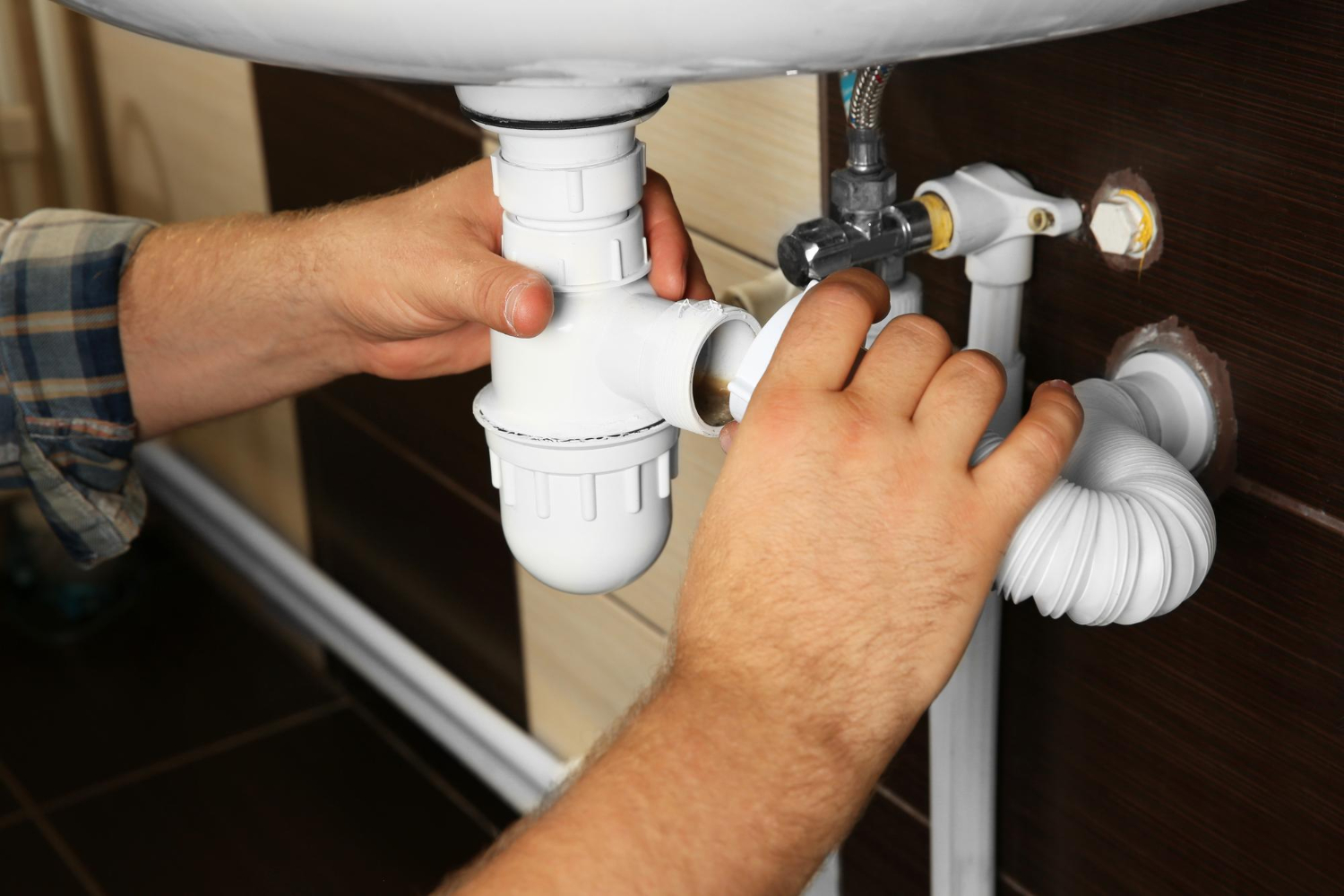
A clogged drain is one of the most frustrating plumbing problems you can face in your home. Water backs up in your sink, shower, or tub, and simple daily tasks become difficult. The good news is that many drain clogs can be fixed without calling a plumber.
You can perform most clogged drain removal yourself using basic tools like a plunger, drain snake, or natural cleaning solutions, though severe blockages may require professional help. Understanding what causes clogs and knowing the right removal methods can save you time and money.
This guide will walk you through everything you need to know about drain removal. You'll discover what's blocking your pipes, when to handle it yourself versus calling an expert, and how to keep your drains flowing freely in the future.
Here's what you'll find below:
You'll also learn how to spot warning signs before a small problem becomes a major headache.
Drains become blocked when materials build up inside pipes over time. The main culprits include personal care items and debris in bathrooms, cooking byproducts in kitchens, and outdoor factors like plant growth.
Hair is one of the most frequent causes of bathroom drain clogs. When you shower or wash your hair at the sink, strands fall out and travel down the drain. These strands stick to the inside of pipes and catch other debris passing through.
Soap scum makes the problem worse. Traditional bar soaps contain fats that combine with minerals in your water to create a sticky residue. This residue coats your pipes and traps hair even more effectively.
Other bathroom items add to the blockage. Dental floss, cotton swabs, and small pieces of tissue can get caught in the hair and soap mixture. Toothpaste, shampoo, and conditioner also leave behind residue that narrows your pipes over time.
The combination of these materials creates thick clogs that water cannot pass through easily. You'll notice your sink or shower draining slowly at first, then stopping completely if the blockage grows large enough.
Grease is the primary cause of kitchen drain problems. When you pour cooking oil, butter, or fat down your drain, it sticks to pipe walls. These substances stay liquid when hot but solidify as they cool, creating thick layers inside your plumbing.
According to the U.S. EPA, grease (FOG) from restaurants, homes, and industrial sources is the most common cause of reported sewer blockages (47%), which is why keeping cooking fats, oils, and grease out of kitchen drains is one of the highest-impact prevention steps.
Food scraps worsen grease buildup. Small pieces of food get trapped in the greasy coating and make it thicker. Coffee grounds, rice, pasta, and flour are especially problematic because they expand when wet or clump together.
Many people incorrectly believe their garbage disposal can handle any food waste. However, disposals only grind food into smaller pieces. Those pieces still travel through your pipes and can cause blockages further down the line.
Over time, these materials restrict water flow and can lead to complete blockages. The problem often extends beyond a single drain and can affect your entire kitchen plumbing system.
Tree roots cause serious problems in main sewer lines. Roots grow toward water sources and can detect moisture from small cracks or joints in your underground pipes. Once they find an entry point, they grow inside the pipe to access the water and nutrients.
These roots expand as they grow and eventually fill the entire pipe. They create a net-like barrier that catches toilet paper, waste, and other materials. This leads to sewer line blockage that affects all the drains in your home.
Older homes with clay or cast iron pipes face higher risk. These materials develop cracks and separations more easily than modern PVC pipes. Trees planted near your sewer line increase the chances of root intrusion.
External factors can also cause blockages. Soil shifts, construction damage, or collapsed pipes prevent proper drainage. These issues require professional inspection and repair since they occur outside your home's visible plumbing system.
Some drain problems go beyond what a plunger or store-bought cleaner can fix. Water that drains slowly, strange sounds from your pipes, and clogs that keep coming back all point to deeper blockages that need professional tools and expertise.
When water pools in your sink or takes several minutes to drain from your tub, you have a clog building up in your pipes. This happens when debris, grease, hair, and soap scum stick to the inside of your drain lines over time.
A single slow drain usually means a blockage in that fixture's pipe. Multiple slow drains throughout your home signal a problem in your main sewer line. This type of blockage affects your entire plumbing system.
Common causes of slow drainage:
Professional plumbers use cameras to find the exact location and cause of the blockage. They have powerful equipment like hydro jetting machines that blast away stubborn clogs without damaging your pipes.
Gurgling sounds from your drains mean air is trapped in your pipes because water can't flow properly. You might hear these noises when you flush the toilet or run water in one fixture, but the sound comes from a different drain. This indicates a blockage is disrupting normal water flow.
Bad smells coming from your drains suggest waste material is stuck in your pipes and starting to rot. Fresh water should never smell bad. Sewer gas odors point to a serious blockage or damaged pipe that needs immediate attention.
These warning signs mean bacteria and decomposing matter are building up in your system. Drain cleaners and home remedies only mask the smell temporarily without removing the actual blockage. Professional drain cleaning removes the source of both the odor and the gurgling by clearing out everything stuck in your pipes.
When the same drain clogs up every few weeks or months, you're dealing with a partial blockage that DIY methods can't fully remove. Your plunger or liquid drain cleaner might create a small opening for water to pass through, but it leaves most of the clog intact.
Recurring clogs waste your time and money on temporary fixes. Each time you use chemical drain cleaners, you risk damaging your pipes with harsh ingredients. These products can corrode older pipes and create bigger problems down the road.
Signs your DIY efforts aren't working:
Professional plumbers use drain augers and hydro jetting to remove the entire blockage, not just punch a hole through it. They clean the full diameter of your pipes and remove buildup from the walls. This thorough cleaning prevents clogs from forming again in the same spot.
Different clogs require different approaches, from physical removal tools to water pressure systems. The right method depends on the severity of the blockage, its location, and what caused it in the first place.
A drain snake is a long, flexible metal cable with a coiled end that breaks up or hooks onto clogs. You feed it into the drain until you hit resistance, then rotate the handle to break through the blockage. This tool works well for hair, soap buildup, and other common obstructions in sinks, tubs, and toilets.
Manual snakes work for basic clogs near the drain opening. For deeper blockages, you might need a motorized auger that can reach further into your pipes. Professional drain unclogging services use industrial-grade snakes that extend up to 100 feet into your plumbing system.
When to use a snake:
The advantage of snaking is that it physically removes the clog rather than just pushing it deeper. You can reuse the tool multiple times, and it won't damage your pipes when used correctly.
Hydro-jetting uses high-pressure water streams to blast away stubborn clogs and clean pipe walls. A professional plumber inserts a specialized hose into your drain that shoots water at pressures between 3,000 and 8,000 PSI. This method removes grease buildup, mineral deposits, tree roots, and other debris that snakes can't handle.
The water pressure scours the entire pipe interior, not just the immediate blockage. This thorough cleaning helps prevent future clogs from forming. Hydro-jetting works best for main sewer lines and commercial drains with years of accumulated buildup.
You should hire a professional for this service since the high pressure can damage older or weakened pipes. A plumber will inspect your pipes with a camera first to check their condition. The average cost runs around $250 to $800 depending on the severity of the clog and your location.
Chemical drain cleaners use strong acids or bases to dissolve organic matter and grease. They work quickly but can damage pipes with repeated use and create harmful fumes. You should only use them for minor clogs when mechanical methods aren't available.
According to the CDC (ATSDR Medical Management Guidelines), sodium hydroxide (a common ingredient in some drain cleaners) is highly corrosive and can cause severe burns to tissues it contacts, which is why chemical drain products require strict label compliance, eye/skin protection, and careful handling.
Safer alternatives include:
Enzymatic treatments use natural bacteria to digest hair, soap, and food particles over several hours. They're slower than chemical cleaners but won't harm your pipes or the environment. These work best as maintenance products for slow drain solutions rather than complete blockages.
Never mix different chemical cleaners together, as this creates dangerous reactions. If a chemical cleaner doesn't work after one application, switch to a mechanical method instead of adding more chemicals.
Taking steps to prevent clogs saves time and money compared to repeated drain cleanings. Simple daily habits and regular maintenance keep your plumbing system flowing smoothly for years.
Flush your drains weekly with hot water to clear away minor buildup before it becomes a problem. Pour a kettle of boiling water down each drain to dissolve soap scum and grease that accumulates along pipe walls.
Use a mixture of baking soda and vinegar monthly for natural drain cleaning. Pour half a cup of baking soda down the drain, followed by half a cup of white vinegar. Let it sit for 15 minutes, then flush with hot water. This combination breaks down organic matter without damaging your pipes.
Install drain strainers in all sinks, tubs, and showers to catch debris before it enters your plumbing. Empty these strainers daily and clean them weekly with soap and water. In bathroom drains, use hair catchers specifically designed to trap strands before they form clogs.
Check your drain stoppers monthly and remove any accumulated hair, soap, or debris. Clean stoppers thoroughly with an old toothbrush to remove sticky residue that attracts more buildup.
Never pour cooking grease, oil, or fat down your kitchen drain. These substances solidify as they cool and coat your pipes, creating stubborn clogs. Instead, pour grease into a container, let it harden, and throw it in the trash.
Wipe greasy pans and dishes with paper towels before washing them. This simple step removes most of the grease before it reaches your drain.
Brush or comb your hair before showering to remove loose strands. This reduces the amount of hair that enters your drain by up to 50%.
Scrape food scraps into the trash or compost bin before rinsing dishes. Even if you have a garbage disposal, items like coffee grounds, eggshells, and fibrous vegetables cause clogs and should go in the trash.
Dispose of cleaning wipes, cotton swabs, and feminine hygiene products in the trash, not the toilet. These items don't break down in water and frequently cause toilet and drain blockages.
Per the U.S. EPA, “flushable” products and other inappropriate materials (including baby wipes, facial wipes, sanitary pads, and tampons) can contribute to sanitary sewer overflows, which can back up into homes and create property damage and public health risks.
Have a licensed plumber inspect your drains every 1-2 years to catch problems early. Professional inspections identify mineral buildup, tree root intrusion, and pipe damage before they cause major blockages.
Schedule video camera inspections if you experience recurring clogs in the same drain. Plumbers use small cameras to view the inside of your pipes and pinpoint the exact location and cause of problems.
Consider professional hydro-jetting every few years for thorough cleaning. This process uses high-pressure water to remove years of buildup from pipe walls, restoring full flow capacity.
Plan preventative maintenance visits during off-peak seasons when plumbers have more availability and may offer better rates. Spring and fall are ideal times for routine inspections before heavy usage periods.
Finding the right professional to handle your clogged drain requires careful research and smart questions. You need to evaluate credentials, understand service options, and know what to expect during emergencies.
Check if the drain cleaning service Lexington companies you're considering have proper licensing and insurance. Licensed plumbers have met state requirements and can legally work on your plumbing system. Insurance protects you if something goes wrong during the job.
Look for companies with established reputations in your area. Read online reviews from multiple sources to see what other customers experienced. Pay attention to comments about punctuality, pricing accuracy, and whether the problem was actually fixed.
Experience matters when dealing with drain issues. Ask how long the company has been in business and what types of drain problems they handle most often. Companies that specialize in drain cleaning typically have better equipment and more expertise than general handyperson services.
Verify that they offer guarantees on their work. Reliable companies stand behind their services with warranties that cover the repair for a specific period. This shows they're confident in their ability to solve your problem correctly the first time.
Ask about their diagnostic process and what equipment they use. Professional drain cleaners should explain how they'll identify the problem before starting work. Modern tools like video camera inspections can pinpoint exact blockage locations without guesswork.
Get detailed pricing information upfront. Request whether they charge flat rates or hourly fees, and what's included in the quoted price. Some companies add surprise charges for equipment or disposal fees.
Find out about their availability and response times. Ask if they service your specific area and how quickly they can typically arrive. This information becomes critical during urgent situations.
Request references from recent customers with similar drain problems. Talking to previous clients gives you real insight into the company's work quality and customer service.
Emergency drain service costs more than scheduled appointments, but you need to know these rates before a crisis hits. Ask what they charge for after-hours, weekend, or holiday calls. Some companies charge double or triple their normal rates during these times.
Confirm whether they truly offer 24/7 emergency service. Some businesses claim emergency availability but only answer calls during extended business hours, not at 2 AM on Sunday.
Understand their response time guarantees for emergencies. A company offering same-day service should arrive within hours, not by the end of the next business day. Get specific timeframes in writing when you call.
Keep contact information for at least two emergency drain service providers. Having backup options prevents panic if your first choice can't respond quickly enough during a plumbing emergency.
You now have multiple ways to handle a clogged drain in your home. The best method depends on what caused the blockage and how serious it is.
Start with simple solutions like hot water or a plunger. These often work for minor clogs and don't require special tools. If those don't help, try natural methods using baking soda and vinegar.
For tougher clogs, you might need a drain snake or auger. These tools can reach deeper into your pipes and break up stubborn blockages. You can buy them at most hardware stores.
Chemical drain cleaners can damage your pipes over time. Save them as a last resort and always follow the directions carefully.
Prevention is easier than removal. Don't pour grease down your drains and use drain screens to catch hair and food particles. Run hot water through your drains regularly to keep them clear.
Professional help costs around $250 on average, but it's worth it for serious problems. Plumbers have tools like hydro jetting and camera inspections that can fix issues you can't reach on your own.
Take care of small clogs quickly before they become bigger problems. Regular maintenance keeps your drains flowing smoothly and saves you money in the long run.
Request 24/7 clogged drain removal with Dr. Rooter Lexington to clear the blockage safely, identify whether it’s a localized clog or a sewer line blockage, and restore full drainage without damaging your pipes.