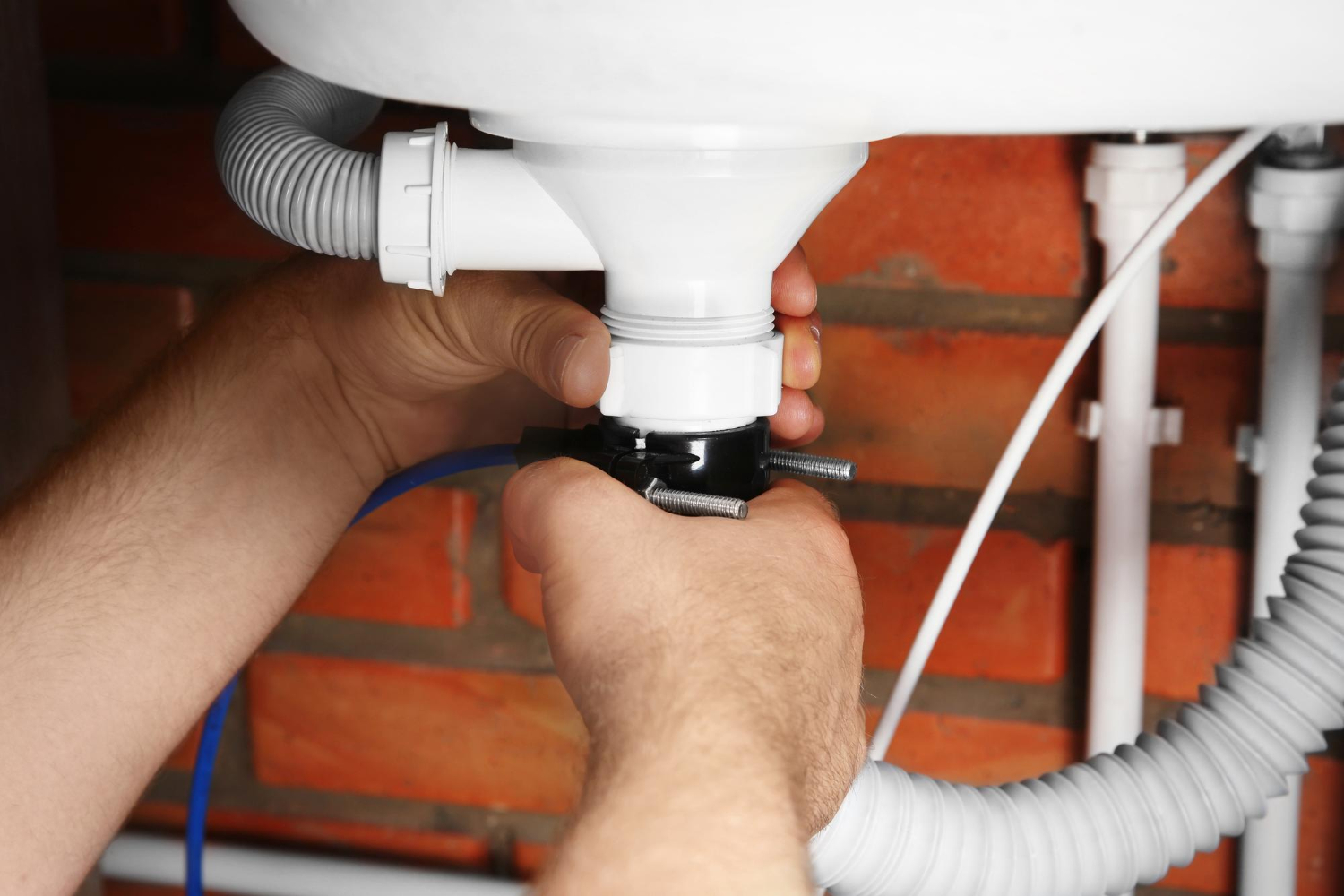
When a drain keeps backing up, it usually means there's a hidden blockage in the pipes, a problem with the main sewer line, or damage that prevents water from flowing properly.
A drain that backs up once is frustrating. A drain that keeps backing up is a sign of a deeper problem that needs attention. Sometimes the issue affects just one fixture. Other times, multiple drains slow down or overflow at the same time, which points to a bigger concern with the home's plumbing system.
This article walks through the hidden causes behind recurring backups, how plumbers find the source of the problem, and what solutions actually work for the long term.
Here's what you need to know:
Keep reading! Understanding why drains keep backing up helps homeowners find the right fix instead of dealing with the same mess over and over.
When a drain backs up once, it might be a simple clog. When it happens over and over, something bigger is wrong with the plumbing system. The real problem often hides deep in the pipes where standard cleaning methods can't reach it.
Soap scum, grease, hair, and mineral deposits stick to the inside of drain pipes over time. These materials form a thick coating that narrows the pipe opening. Water flows slower through the restricted space, and debris catches on the rough surface more easily.
Nebraska Extension notes that heated hard water forms calcium- and magnesium-based scale that reduces flow and can ultimately clog plumbing, requiring pipe replacement.
Each time someone uses the drain, more material adds to the existing buildup. A plunger or drain snake might clear the immediate blockage, but it rarely removes the sticky layer on the pipe walls. Within days or weeks, new debris gets trapped in the same spot.
Common materials that create stubborn buildup:
The buildup acts like a magnet for anything flowing down the drain. This explains why recurring drain clogs happen in the same location repeatedly, even after cleaning.
When several fixtures back up together, the problem isn't in the individual drain lines. The blockage sits in a shared pipe that multiple drains connect to. Water has nowhere to go, so it flows backward into the lowest or most recently used fixture.
A toilet, shower, and sink backing up at the same time points to a blocked branch line or main drain. The location of affected fixtures helps identify where the clog sits. Ground-floor drains typically show symptoms first because they're closest to the main sewer line.
Warning signs of a shared pipe blockage:
This type of backup needs professional attention. The clog is too far into the system for standard home tools to reach effectively.
The New York City Department of Environmental Protection reports that the most common cause of residential sewer backups is blocked pipes from improper disposal of grease, wipes, and other items down toilets and sinks.
Sewer line issues cause the most serious recurring backups. Tree roots grow into underground pipes through tiny cracks, creating a net that catches waste. Broken or collapsed sections of pipe create low spots where debris collects. Old pipes may have bellies (sagging sections) that hold water and solid material.
These problems won't go away with regular drain cleaning. The structural damage or root intrusion continues even after temporary clearing. Backups become more frequent as the underlying issue gets worse.
A sewer camera inspection reveals what's happening inside the buried pipes. The camera shows root masses, pipe breaks, or severe corrosion that needs repair. Without fixing the actual damage, the drain will keep backing up no matter how many times it gets cleared.
Drains back up repeatedly due to buildup from everyday materials like grease and hair, physical obstructions from foreign objects, or structural problems with the pipes themselves. Understanding which type of blockage affects a specific drain helps homeowners take the right steps to fix it.
Kitchen drains face constant exposure to cooking oils, fats, and food particles that create stubborn clogs over time. Grease appears liquid when hot but solidifies as it cools inside pipes, coating the interior walls and trapping other debris.
Food waste compounds the problem when homeowners rinse items like coffee grounds, eggshells, and pasta down the drain. These materials don't break down easily and stick to existing grease buildup. Even homes with garbage disposals experience this issue because disposals only grind food into smaller pieces that can still accumulate in the pipes.
A clogged sink drain in the kitchen often develops gradually. The water drains slower each week until it stops moving altogether. Some homeowners notice gurgling sounds or foul odors coming from the drain before a complete backup occurs.
The blocked drain line may extend several feet from the sink into the main plumbing system. Simple plunging might provide temporary relief, but the clog returns quickly if the grease layer remains intact along the pipe walls.
Bathroom drains collect hair from showering, shaving, and daily grooming activities. A single shower can release 50-100 strands of hair that wind together and catch on drain components like stoppers and crossbars.
Soap scum creates a sticky film that binds hair into dense clumps. Modern liquid soaps and shampoos contain oils and moisturizers that don't fully dissolve in water. This residue coats pipes and gives hair something to cling to as it passes through the drain.
The combination of hair and soap scum forms thick masses that trap additional debris. Toothpaste, skin cells, and other bathroom waste add to the blockage. These clogs typically form within a few inches of the drain opening but can extend deeper into the pipes.
Bathroom sink drains face similar issues on a smaller scale. Facial hair from shaving and residue from face washing products create the same binding effect in bathroom sink pipes.
Toilets and drains sometimes contain items that should never enter the plumbing system. Common culprits include:
These objects don't dissolve in water like toilet paper. They get stuck at pipe bends or narrow sections and create immediate blockages. Unlike gradual buildup, foreign objects cause sudden backups that appear without warning.
According to the U.S. EPA, sanitary sewer overflows are often triggered by inappropriate materials sent to sewers—specifically fats, oils, and grease (FOG) and household products (including some labeled “flushable”) like wipes and sanitary items—which can clog lines and cause backups.
Children sometimes drop toys or other items into toilets and sinks. Adults accidentally flush items that fall from pockets or bathroom counters. Once lodged in the pipes, these objects act as anchors that catch passing waste and toilet paper.
A blocked drain line from a foreign object requires physical removal. Chemical drain cleaners won't dissolve plastic, fabric, or other non-organic materials. The object must be extracted with a snake tool or by disassembling part of the plumbing.
Tree and shrub roots naturally seek water sources, making underground sewer lines attractive targets. Roots detect moisture vapor escaping from tiny cracks or loose pipe joints and grow toward these openings.
Once roots find an entry point, they expand inside the pipe and create dense mats that catch passing waste. A single root can grow several inches per year inside a sewer line. The roots absorb nutrients from wastewater, which encourages even more aggressive growth.
Older homes with clay or concrete pipes face higher risk because these materials develop cracks and separations over time. Tree roots can penetrate pipes located 50 feet or more from the trunk. Fast-growing species like willows, poplars, and maples pose the greatest threat.
Multiple drains backing up simultaneously often indicates a root problem in the main sewer line. Homeowners might notice backups that temporarily clear after snaking but return within weeks. This pattern suggests roots regrow quickly after mechanical cleaning removes them.
Drain pipes deteriorate from decades of use and exposure to water, chemicals, and soil conditions. Cast iron pipes common in older homes develop rust and corrosion that creates rough interior surfaces where debris catches easily. The rust eventually eats through the pipe walls completely.
Clay pipes crack from ground settling, temperature changes, and pressure from heavy vehicles or construction equipment above. These cracks allow soil to enter the pipe and create blockages. Severely damaged sections can collapse inward and completely block water flow.
PVC and other plastic pipes last longer but still degrade from constant exposure to hot water and chemical drain cleaners. The materials become brittle and develop stress cracks at joints and connections.
Bellied pipes create another structural problem. When soil settles unevenly, sections of pipe sag and form low spots where water pools instead of flowing freely. Solid waste settles in these bellies and causes recurring backups. The only permanent fix involves excavating and replacing or realigning the affected pipe sections.
Plumbers use specific tools and techniques to find out why a drain keeps backing up. They test the blockage with snakes, inspect pipes with cameras, and determine if the clog is partial or complete.
A plumber starts by feeding a drain snake into the problem pipe to feel how the blockage responds. The snake helps them understand if the clog is soft material like grease and hair or something harder like tree roots. They pay attention to how much resistance they encounter as the snake moves through the pipe.
The distance the snake travels before hitting resistance tells the plumber where the blockage is located. If the snake moves freely for 20 feet and then stops, they know the problem is about 20 feet from the entry point. This information helps them decide what tools and methods they need to use next.
Plumbers also use the snake to test if they can break through the blockage or if it pushes back. A blockage that breaks apart easily might be soap buildup or food waste. A blockage that stays solid could be tree roots or a damaged pipe that needs more advanced repair methods.
A sewer camera gives plumbers a clear view inside the pipes without digging or breaking walls. The camera sits on a flexible cable that moves through the drain line while sending video back to a monitor. This lets plumbers see the exact condition of the pipes in real time.
The camera shows problems that a snake cannot detect, like cracks in the pipe, collapsed sections, or bellied areas where water pools. Plumbers can spot tree roots growing through pipe joints or corrosion that narrows the pipe opening. They can also see if grease has built up on the pipe walls or if foreign objects are stuck inside.
Most modern cameras record footage and measure the depth of the blockage from the entry point. This recorded video helps plumbers explain the problem to homeowners and plan the right repair strategy. The inspection typically takes 30 to 60 minutes depending on the length of the sewer line.
Plumbers determine if a blockage is partial or complete by running water and watching how it drains. A partial blockage allows some water to pass through but drains slowly or causes gurgling sounds in other fixtures. A full blockage stops all water flow and causes immediate backup into sinks, tubs, or toilets.
They test multiple fixtures at once to see if the problem affects just one drain or the entire system. If only one sink backs up, the blockage is probably in that fixture's individual drain line. If water backs up in multiple locations, the main sewer line has a blockage.
The plumber also checks if waste backs up in lower fixtures when upper ones drain. Water appearing in a basement floor drain when flushing an upstairs toilet signals a main line blockage. This pattern helps them locate the problem and choose between simple drain cleaning or more extensive sewer line repair.
Fixing a backed-up drain requires targeting the specific cause of the blockage. The most effective solutions range from mechanical removal of clogs to repairing damaged pipes.
A drain snake, also called a drain auger, is a long flexible cable that reaches deep into pipes to break up clogs. Professional plumbers use motorized snakes that can extend 50 to 100 feet into the drain line.
The snake's rotating head cuts through accumulated debris like hair, soap scum, and food particles. This method works well for localized blockages in kitchen sinks, bathroom drains, and toilet lines.
Manual drain snakes are available for homeowners, but professional-grade equipment provides more power and reach. A plumber can navigate the snake through bends and turns in the pipe without causing damage.
This solution typically clears blockages within 30 to 60 minutes. It's most effective when the clog is caused by soft materials rather than tree roots or collapsed pipes.
Hydro jetting uses high-pressure water streams to clean the inside of drain pipes completely. The equipment shoots water at 3,000 to 4,000 pounds per square inch through a specialized nozzle.
This method removes not just the immediate blockage but also cleans the pipe walls. It eliminates grease buildup, mineral deposits, and debris that regular snaking might leave behind.
The process works by inserting a hose with a forward-facing and backward-facing jets into the drain. The water pressure scours the entire diameter of the pipe as it moves through the system.
Hydro jetting is particularly effective for recurring backups and preventive maintenance. It can clean several hundred feet of pipe in one session. However, it requires a professional plumber with proper equipment and shouldn't be used on old or damaged pipes that might break under pressure.
Tree roots can infiltrate sewer lines through small cracks or joints seeking water and nutrients. Once inside, they expand and create major blockages that require more than simple clearing.
A plumber first uses a camera inspection to locate the root intrusion and assess pipe damage. Specialized root-cutting attachments on drain snakes can cut through smaller root masses.
For extensive root damage or broken pipes, section replacement becomes necessary. Plumbers may use trenchless pipe repair methods that insert a new liner inside the old pipe without digging up the entire yard.
Common repair methods include:
The repair method depends on the pipe's condition, location, and the extent of damage. These repairs typically come with warranties of 10 to 50 years.
The P-trap is the curved pipe section under sinks that holds water to block sewer gases. This area commonly collects hair, soap residue, and other debris that causes backups.
Cleaning a P-trap involves placing a bucket underneath, loosening the slip nuts, and removing the trap. Most debris can be cleared by hand or with a brush once the trap is removed.
Steps for P-trap maintenance:
For fixture drains like bathtubs and showers, removing the drain cover allows access to accumulated hair and soap buildup. A small hand snake or bent wire can pull out these clogs without removing any pipes.
Regular P-trap cleaning every few months prevents most common drain backups. This simple maintenance takes 15 to 20 minutes and doesn't require professional help.
A sewer line backup affects the main pipe that connects a home to the municipal system, not just individual drains. These backups show specific patterns that differ from simple clogs in a single fixture.
Sewer problems typically start at the lowest points in a home because water and waste flow downward through the plumbing system. When the main sewer line gets blocked, sewage has nowhere to go and rises to the lowest available opening.
Basement floor drains, basement toilets, and ground-floor showers are usually the first places to show signs of trouble. Water or sewage may bubble up through these drains even when someone flushes a toilet or runs water on an upper floor.
A blocked individual drain only affects one fixture. A sewer line issue causes problems in the lowest drains first, then works its way up to higher fixtures as the blockage worsens. This bottom-up pattern is a key indicator that the main line needs attention rather than just a single pipe.
Gurgling noises from drains signal that air is trapped in the plumbing system. When a sewer line gets partially blocked, water tries to push past the obstruction and forces air back through the pipes. This creates the distinctive gurgling or bubbling sound.
The sounds often happen in one fixture when using a different one. A person might hear gurgling from the shower drain when flushing the toilet, or notice bubbling in a sink when running the washing machine.
Foul odors add another warning sign. A properly functioning sewer system keeps gases contained and vents them outside through roof pipes. When the main line backs up, these gases get pushed back into the home through drains and fixtures. The smell resembles rotten eggs or sewage and persists even after cleaning.
Standing water near floor drains indicates that the sewer system cannot handle the volume of wastewater leaving the home. Floor drains are designed to stay dry except when water is directly poured into them.
Water pooling around these drains means sewage is backing up through the lowest point in the system. The liquid may appear dirty or contain waste particles. Sometimes the water recedes on its own, but it returns each time someone uses plumbing fixtures.
This issue differs from a leaking pipe, which produces constant wetness. Sewer backup through floor drains happens in response to water usage in the home.
When several drains throughout a home slow down or back up together, the problem exists in the shared main line rather than individual pipes. Each fixture connects to branch lines that eventually merge into the main sewer line.
A clog in the main line affects every fixture that drains into it. Toilets may not flush properly while sinks drain slowly and showers back up. These problems occur simultaneously or in quick succession.
Single fixture clogs are isolated issues. If clearing one drain does not solve problems in other fixtures, or if backups keep returning after attempts to clear them, the main sewer line likely needs professional inspection and repair.
Preventing drain backups comes down to controlling what enters the plumbing system and keeping pipes clear through regular maintenance. Small daily habits make a bigger difference than most homeowners realize.
Grease and cooking oils are the biggest culprits behind kitchen drain backups. When hot grease cools inside pipes, it solidifies and creates thick buildup that traps other debris. Homeowners should pour grease into a container and throw it in the trash instead.
Coffee grounds also cause problems even though they seem harmless. They clump together inside pipes and don't break down with water.
Food scraps like pasta, rice, and potato peels expand when wet and create blockages. Even with a garbage disposal, these items should go in the trash or compost bin.
In bathroom drains, hair combines with soap residue to form tough clogs. Dental floss, cotton swabs, and wipes don't dissolve in water. These items belong in the garbage, not the toilet or sink.
Chemical drain cleaners damage pipes over time and create more problems than they solve.
Professional drain cleaning removes buildup that regular household cleaning misses. Plumbers use specialized tools to clear pipes completely and inspect for potential problems.
Most homes benefit from professional cleaning every 18 to 24 months. Homes with frequent drain issues or large families may need service annually.
Hydro jetting uses high-pressure water to blast away grease, soap scum, and mineral deposits from pipe walls. This method cleans more thoroughly than chemical solutions or basic snaking.
Camera inspections let plumbers see inside pipes to identify tree root intrusion, cracks, or severe buildup. Finding these issues early prevents emergency backups and expensive repairs.
Regular professional maintenance costs less than emergency calls for completely blocked drains. It also extends the life of plumbing systems.
Homes built before 1980 often have clay or cast iron sewer lines that deteriorate with age. Tree roots grow into cracks and joints, causing recurring backups.
Homeowners should schedule sewer line inspections every three to five years. Video camera inspections show the condition of underground pipes without digging.
Tree roots seek out water sources and can completely fill sewer pipes. Cutting roots out requires professional equipment, and the process may need repeating every few years.
Clay pipes develop cracks and separations as soil shifts. Cast iron pipes rust through from the inside out. Replacing damaged sections prevents sewage backups into the home.
Some older homes benefit from installing a backwater valve. This device prevents sewage from flowing backward into the house during heavy rain or municipal sewer overflows.
Drain strainers are simple tools that catch debris before it enters pipes. Every sink, shower, and tub drain should have one.
Kitchen sink strainers catch food particles and prevent them from reaching the pipes. Emptying the strainer into the trash after each use takes seconds and prevents clogs.
Mesh hair catchers fit over bathroom drains and trap hair before it goes down the pipe. These inexpensive tools prevent the most common cause of shower and tub clogs. They need cleaning weekly or when visibly full.
Pop-up stoppers in bathroom sinks collect hair and soap buildup. Removing and cleaning them monthly keeps water flowing freely.
Running hot water for 30 seconds after each use helps flush remaining debris through the pipes. This simple habit works especially well after using the garbage disposal.
Persistent drain backups need professional attention from plumbers who have the right tools and training. Dr. Rooter Lexington offers fast response times, modern equipment, and permanent fixes that address the real problem instead of just treating symptoms.
Drain backups don't wait for convenient times to happen. Water backing up into your home creates immediate risks of property damage and health hazards that need quick action.
Dr. Rooter Lexington provides emergency services for urgent plumbing situations. The team responds quickly to calls about backed-up drains and sewer lines.
When multiple drains back up at once, this usually means a serious blockage in the main sewer line. Fast professional help prevents sewage from flooding into living spaces. The company understands that timing matters when water is backing up into sinks, tubs, or floor drains.
Finding the exact cause of recurring backups requires looking inside the pipes. Dr. Rooter Lexington uses camera inspection technology to see what's blocking the drain.
A small waterproof camera travels through the pipes and shows the plumber exactly where clogs exist. This helps identify problems like:
After locating the problem, the team uses hydro jetting for drain cleaning in Lexington. This method shoots high-pressure water through pipes to remove stubborn clogs. Hydro jetting clears away grease, sludge, and debris better than basic snaking methods.
Dr. Rooter Lexington employs licensed plumbers with proper training and certification. These professionals know local plumbing codes and building requirements.
Licensed plumbers have the skills to diagnose why drains keep backing up instead of just clearing surface clogs. They examine the whole drainage system to find underlying issues. Many recurring backups happen because the original problem never got fixed properly.
The team addresses issues like damaged pipes, improper venting, or structural problems that cause repeated clogs. They explain what's wrong and recommend solutions that actually solve the problem for good.
Repeated service calls for the same drain backup cost more than fixing it right the first time. Dr. Rooter Lexington provides pricing information upfront before starting work.
The company focuses on repairs that last rather than temporary fixes. Clearing a clog might help for a few weeks, but replacing a damaged pipe section prevents future backups. Professional drain cleaning removes buildup from pipe walls and extends the life of plumbing systems.
Regular maintenance plans help prevent backups before they start. Scheduled inspections catch small problems early when they're easier and cheaper to fix.
Dealing with a drain that keeps backing up can be frustrating. The good news is that most drainage problems have clear causes and solutions.
The first step is identifying where the problem originates. A single slow drain usually means a localized clog in that fixture. Multiple backed-up drains point to an issue in the main sewer line.
Some problems require professional help. Tree roots in sewer lines, damaged pipes, and main line blockages are beyond typical DIY fixes. A licensed plumber has the tools and experience to diagnose complex issues.
Prevention is easier than dealing with repeated backups. Homeowners should avoid pouring grease down drains and use drain screens to catch hair and food particles. Regular maintenance helps catch small problems before they become major headaches.
When a drain backs up repeatedly after clearing, the original issue likely wasn't fully resolved. Persistent backups signal a deeper problem that needs proper diagnosis. Taking action quickly prevents water damage and unsanitary conditions in the home.
The right approach depends on the specific situation. Simple clogs respond well to basic tools. Recurring problems need a closer look at the entire drainage system.
Schedule a professional drain and sewer camera inspection with Dr. Rooter to stop recurring backups and restore full flow safely.