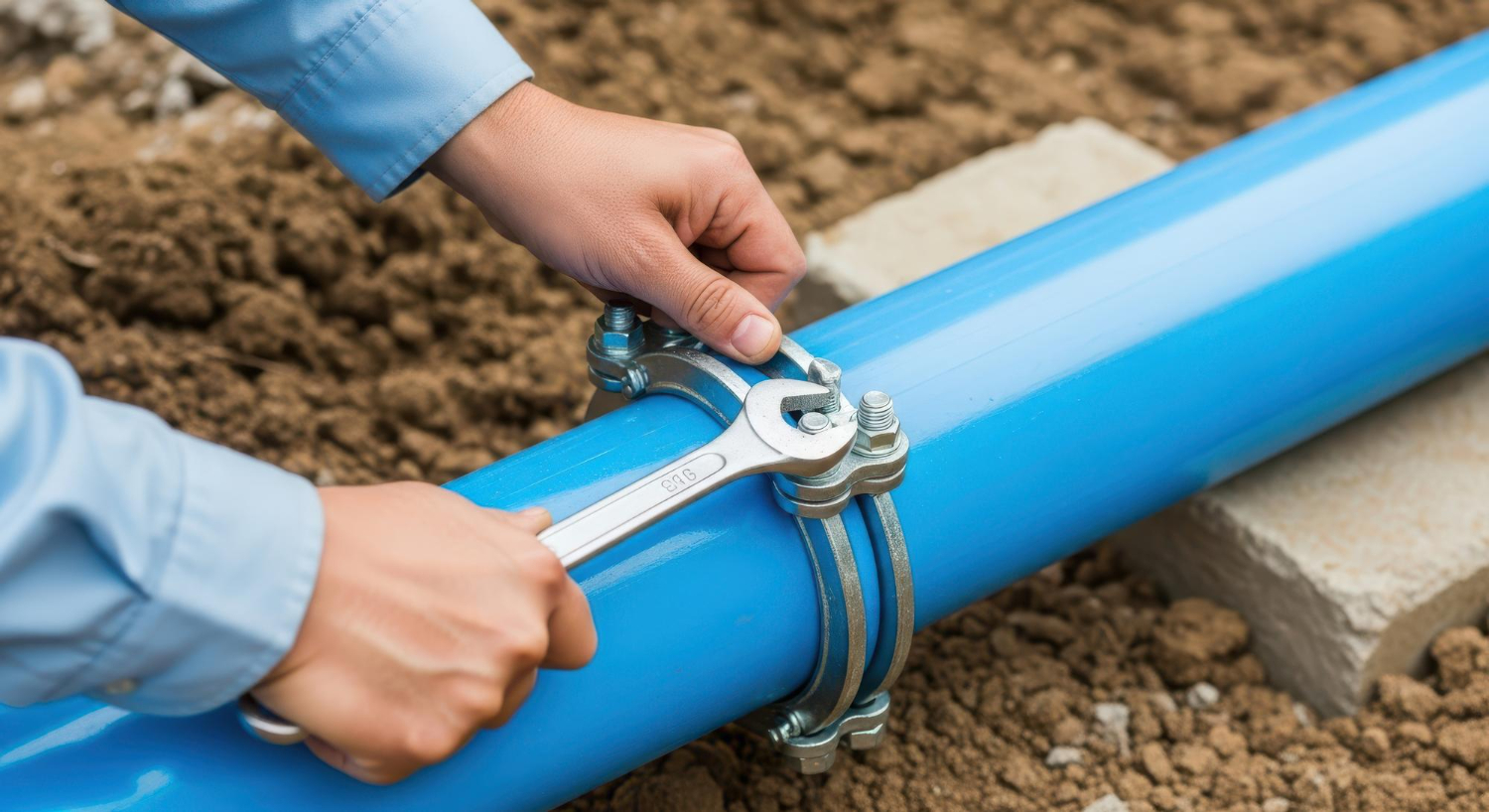
Whole home repiping services replaces all the water supply pipes in your home with new materials like PEX or copper, fixing systemic plumbing problems that small repairs can't solve.
Your home's plumbing system works behind the walls every day to deliver clean water to your faucets, showers, and appliances. When those pipes start to fail, you might notice low water pressure, discolored water, or frequent leaks. These problems often signal that your pipes have reached the end of their useful life.
This major upgrade addresses issues throughout your entire plumbing system rather than patching one problem at a time. Most homes need repiping when the existing pipes are 50 years old or more, though some materials fail sooner.
Understanding what repiping involves helps you make informed decisions about your home's plumbing.. The process requires professional plumbers with the right tools and expertise, but the result is a reliable plumbing system that can last for decades.
In this article, you’ll learn how whole home repiping services solve system-wide pipe failures and what to expect for materials, timeline, and repiping cost in Lexington.
Here’s what you’ll find below:
Keep reading! You'll learn about the benefits of new pipes, how to plan your project, what happens during installation, and how to care for your updated system
Whole home repiping replaces all the water supply pipes in your house with new materials. This process addresses old, corroded, or failing plumbing systems that can't be fixed with simple repairs.
Whole home repiping means replacing every water supply pipe in your house from the main water line to all your fixtures. This includes pipes running through walls, under floors, and in ceilings. The work covers supply lines that bring water to sinks, toilets, showers, and appliances.
A licensed plumber starts with a thorough inspection of your existing system. They check for corrosion, leaks, and water pressure problems. The plumber may also perform pressure testing to find hidden issues.
During the actual work, plumbers access pipes by making small openings in walls and ceilings. They remove old pipes and install new ones throughout your home. The job typically takes 1-2 days for most homes, though larger properties may need more time.
After installation, the team tests the new system to make sure everything works properly. They also handle permits and patch any openings made during the work. Some companies include repainting patched areas as part of their service.
Several warning signs indicate your plumbing system needs replacement. Low water pressure throughout your home suggests pipe buildup or corrosion inside your lines. If multiple fixtures have weak flow, the problem likely affects your whole system.
Discolored water coming from your taps shows rust and corrosion inside your pipes. Brown or yellow water means your pipes are breaking down from the inside. Frequent leaks in different parts of your house point to system-wide pipe failure rather than isolated problems.
Visible corrosion on exposed pipes tells you the hidden pipes likely have the same damage. Homes built before 1970 often have outdated materials that need replacement. Strange noises like banging or rattling when you use water can mean your pipes are damaged or loose.
Copper pipes have been the standard choice for decades. They last 50+ years and resist bacteria growth. Copper handles high temperatures well and works for both hot and cold water. These pipes cost more than alternatives and require professional soldering during installation.
PEX (cross-linked polyethylene) has become popular for repiping projects. These flexible plastic pipes cost about 50% less than copper. PEX installs faster because it bends around corners without joints. The material resists corrosion and freezing better than metal pipes. PEX can't be used outdoors because UV light damages it.
Per the U.S. Department of Energy’s Building Science Education resources, PEX can stretch to accommodate the expansion of freezing water and then return to its original size after thawing, which is one reason many repipes use PEX where freeze resilience is a priority.
CPVC (chlorinated polyvinyl chloride) offers another plastic option. These rigid pipes cost less than copper but more than PEX. CPVC handles hot water well and resists corrosion. The pipes connect with special cement and don't require special tools. However, CPVC can become brittle over time and may crack under stress.
Replacing your home's old pipes brings real improvements to your daily life and protects your property. Better water flow, fewer leaks, and a safer plumbing system are the main advantages you'll notice after a water system upgrade.
Old pipes develop buildup and corrosion inside that narrows the space where water flows. This restriction causes weak showers, slow-filling washing machines, and faucets that barely trickle.
A whole home repipe removes these blocked pipes and replaces them with modern materials like PEX or copper. These new pipes have smooth interiors that let water move freely throughout your house. You'll notice the difference immediately when you turn on multiple faucets at once.
Modern piping materials maintain their full diameter for decades. They resist the mineral deposits and rust that plagued your old system. This means your water pressure stays strong for years to come.
The improved flow also helps your appliances work better. Your dishwasher cleans more effectively, and your water heater operates at proper capacity.
Corroded pipes cause ongoing problems that only get worse over time. Small leaks damage walls, floors, and foundations before you even notice them. Homes built before 1980 commonly face these issues with their original plumbing.
Repiping removes all the deteriorated pipes from your system at once. This prevents the cycle of fixing one leak only to have another appear somewhere else. You avoid the water damage, mold growth, and costly repairs that come from hidden leaks.
New pipes don't corrode the way galvanized steel or old copper does. Materials like PEX resist corrosion entirely, while modern copper piping lasts 50 years or more without developing problems. Your plumbing becomes reliable instead of a constant source of worry.
Old pipes can leach harmful materials into your drinking water. Corroded galvanized pipes release iron, lead, and other contaminants that affect water quality and health.
According to the U.S. EPA, lead in drinking water most commonly comes from lead pipes (including service lines) and brass/bronze plumbing components, so a repipe plan should include confirming whether any lead-containing lines or fittings are present and prioritizing their replacement to protect water quality.
A complete repipe eliminates these contamination sources. Modern materials meet current safety standards and keep your water clean. Your family gets better-tasting water that's safer to drink and use for cooking.
The new system also runs more efficiently. Better water flow means your water heater doesn't work as hard to deliver hot water. Appliances that use water operate at their intended performance levels. You reduce the risk of sudden plumbing failures that require emergency repairs.
A successful repiping project starts with proper planning that includes a detailed inspection, accurate cost estimates, and a clear timeline. Understanding these steps helps you prepare your home and budget while avoiding unexpected delays.
A licensed plumber will examine your current plumbing system before any work begins. This inspection checks for visible corrosion, leaks, and water pressure problems throughout your home. The plumber may also perform pressure testing to identify hidden issues inside your walls.
During the assessment, the plumber will note how many bathrooms, kitchens, and floors need new pipes. They will also check your plumbing layout to determine the complexity of the job. This information helps create an accurate work plan.
The inspection results tell you which pipes need replacement and what materials work best for your home. Your plumber will discuss whether your local building codes require specific pipe types or installation methods.
Repiping costs depend on your home size, the materials you choose, and local permit fees. PEX piping typically costs less than copper because it requires less labor and materials. The number of bathrooms, kitchens, and stories in your home directly affects the total price.
Key cost factors include:
In Lexington, repiping costs follow similar patterns based on these factors. Getting multiple quotes from licensed plumbers helps you compare pricing and services. Make sure each estimate includes materials, labor, permits, and any repairs needed after installation.
Most whole house repipe projects take 2 to 5 days to complete. Larger homes or those with complex plumbing layouts may need additional time. Older homes with difficult wall access can also extend the timeline.
Your plumber will work in phases so you always have some water access. The water supply will shut off during active work periods, but complete shutoffs rarely last more than a few hours. Professional teams coordinate their work to minimize disruption to your daily routine.
Expect some holes in your walls and ceilings where plumbers access the pipes. Most companies patch these openings, but you may need to arrange painting or finishing work separately.
Professional installers follow a structured approach that protects your home while replacing your plumbing system. The process includes careful removal of old pipes, strategic access methods that limit damage, and thorough testing to verify proper function.
Your plumber starts by shutting off the main water supply and draining all existing pipes. They create small access points in walls and ceilings to reach the old piping without tearing apart your entire home.
The removal process targets old pipes from the water source to every fixture in your home. This includes both hot and cold water lines running to sinks, showers, toilets, and appliances. Workers carefully extract corroded or damaged pipes through the access points they created.
New pipes get installed in the same pathways as the old ones. Professional crews use premium materials like PEX-A or CPVC that resist corrosion and provide better water flow. They install new valves, connections, and fixtures as they work through each section of your home.
The installation moves systematically through your house, typically completing one area before moving to the next. Plumbers secure all new pipes properly and ensure connections meet local building codes.
Modern repiping relies on strategic access points rather than demolishing walls. Plumbers cut small openings only where necessary to reach pipe connections and junctions.
Your installation team uses specialized tools to run new pipes through existing pathways. They work from accessible areas like attics, crawl spaces, and basements whenever possible. This approach keeps disruption to your living space minimal.
Common access points include areas behind bathroom fixtures, under sinks, and in utility closets. Plumbers place holes where drywall repair will be easiest and least visible. They protect your floors, furniture, and belongings with drop cloths and plastic sheeting throughout the work area.
After completing the plumbing pipe replacement, your plumber performs pressure testing on the entire system. This test checks every connection and joint for potential leaks before closing up walls.
They slowly restore water pressure and inspect each access point. Any weak connections get tightened or replaced immediately. The system runs for several hours while plumbers monitor for drops in pressure.
Your plumber then flushes the entire system to remove debris and particles from installation. This step ensures clean water flows through your new pipes from day one. They test water pressure at each fixture to confirm proper flow rates throughout your home.
Final checks include verifying hot water reaches all fixtures and examining all visible connections one last time.
Your new plumbing system requires regular attention to keep it working properly for decades. Basic inspections, preventive care habits, and knowing when to call experts will protect your investment and prevent small issues from becoming expensive problems.
Check exposed pipes under sinks, in basements, and around water heaters every few months. Look for moisture, water stains, or discoloration on walls and ceilings near plumbing fixtures.
Pay attention to your water meter reading when no water is running in your home. If the meter continues to move, you likely have a hidden leak somewhere in the system. Small leaks waste water and can cause damage over time if left unaddressed.
Monitor your water pressure at different fixtures throughout your home. A sudden drop in pressure could indicate a developing issue. Also watch for any changes in water color, strange odors, or unusual sounds coming from your pipes when you turn on faucets.
Avoid pouring grease, oil, or harsh chemical drain cleaners down your drains. These substances can damage pipes and create buildup inside the system. Use drain screens to catch hair and debris before they enter your pipes.
Keep your water heater temperature set between 120-140°F to prevent mineral buildup and extend the life of both the heater and your pipes. Flush your water heater once per year to remove sediment that accumulates at the bottom of the tank.
Insulate exposed pipes in unheated areas like garages, crawl spaces, and attics to prevent freezing during cold weather. Frozen pipes can burst and cause significant water damage even in newer plumbing systems.
According to the U.S. Department of Energy (DOE), insulating hot water pipes reduces heat loss and helps lower the risk of pipes bursting in freezing weather, making insulation a practical add-on after a whole-home repipe—especially for runs near exterior walls or in unconditioned areas.
Call a professional plumbing service immediately if you notice wet spots on walls, floors, or ceilings that weren't there before. Quick action prevents mold growth and structural damage to your home.
Schedule annual inspections with a licensed plumber to check components like pressure regulators, shut-off valves, and connections. These checkups catch wear and tear before failures occur.
Contact professionals if you experience persistent low water pressure, discolored water that doesn't clear after running taps, or strange noises like banging or whistling from your pipes. These signs often indicate issues that require specialized tools and knowledge to diagnose and repair correctly.
Whole home repiping gives your plumbing system a complete upgrade. You replace all the old pipes in your home with new ones that work better and last longer.
This service solves many problems at once. You get better water pressure, cleaner water, and fewer leaks. Your home becomes safer and more valuable too.
The project works well if you have old galvanized steel pipes or lead pipes. It also helps when you face constant plumbing repairs that never seem to end.
Talk to a repiping specialist about your specific situation. They can look at your current pipes and tell you what needs to be done. They will also explain which materials work best for your home and budget.
The upfront cost may seem high. But repiping prevents expensive emergency repairs down the road. You also avoid water damage that could happen from old, failing pipes.
Your plumbing system is one of the most important parts of your home. Replacing worn-out pipes now protects your property and gives you peace of mind for years to come.
Request whole home repiping services from Dr. Rooter Lexington for an on-site inspection, a written material recommendation (PEX vs. copper), and an itemized repiping cost estimate that includes permits, installation timeline, and any wall/ceiling access and patching needed.