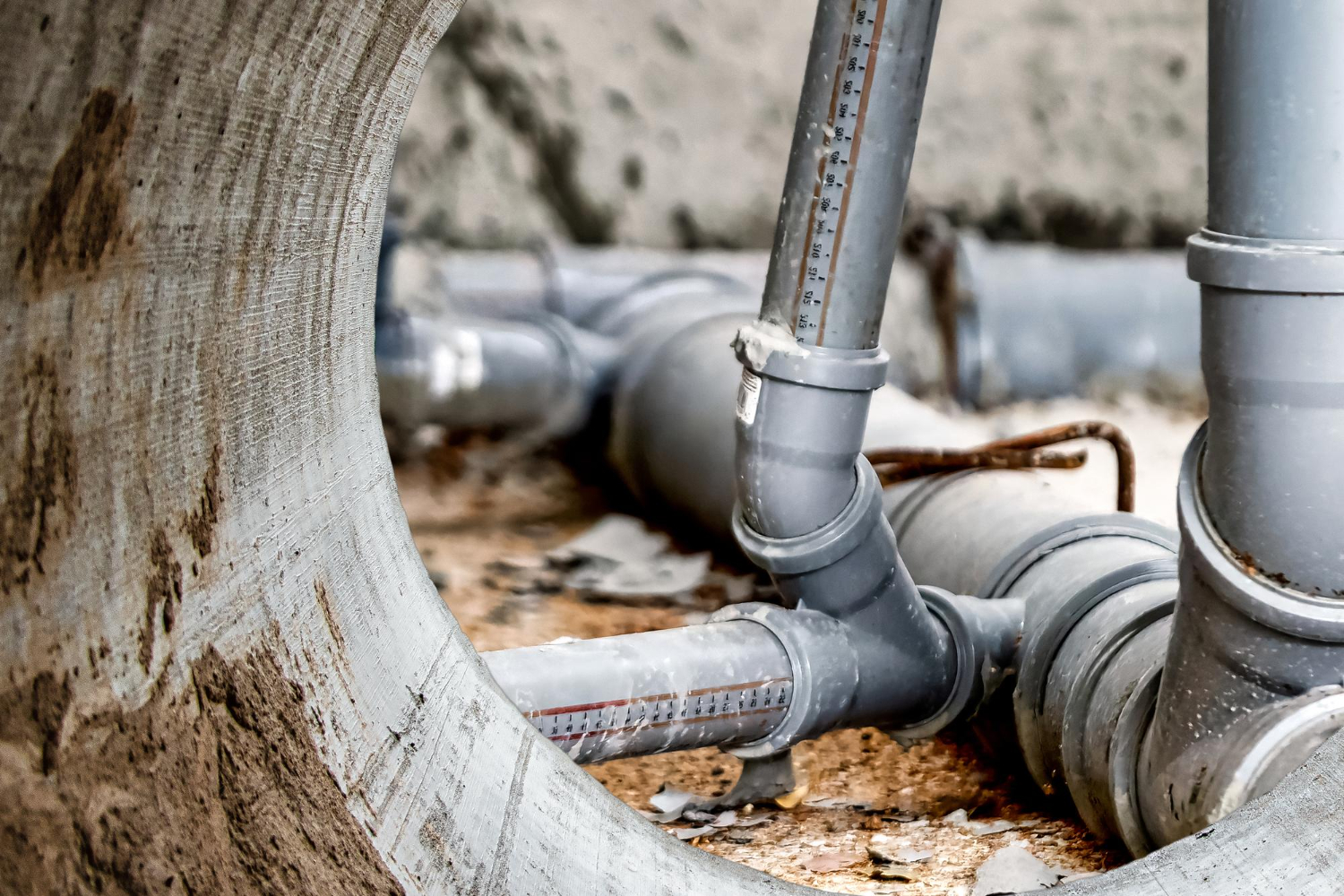
A clogged main sewer line is one of the most serious plumbing problems you can face in your Lexington home. When this happens, wastewater has nowhere to go and can back up through your drains, toilets, and sinks. This creates a messy and unhealthy situation that needs fast action.
The good news is that most main sewer line clogs can be cleared by professional plumbers using special tools like snakes, hydro-jetting equipment, and camera inspections. Understanding what causes these clogs and how to spot the warning signs early can save you from costly repairs and major damage to your property.
In this article, we cover everything you need to know about main sewer line clogs, including what creates blockages, how to recognize the problem before it gets worse, and what steps to take to fix and prevent them in the future.
Keep reading to understand what's happening inside your pipes and how to protect your Lexington home from costly sewer emergencies.
Main sewer pipe blockage typically happens due to tree roots growing into pipes, grease and debris building up over time, aging or damaged pipe systems, and objects that shouldn't be flushed ending up in your sewer line.
Tree roots cause one of the most common and serious types of sewer line blockages in Lexington. Roots naturally grow toward moisture sources, and your sewer pipes provide an ideal environment with constant water flow.
Small cracks or loose joints in your pipes allow roots to enter. Once inside, these roots continue growing and expanding, creating significant blockages that restrict wastewater flow. This problem is especially common in older neighborhoods where pipes are made of clay or cast iron.
Large trees near your sewer line pose the biggest risk. Roots can extend several meters into your pipes, causing slow drains, gurgling sounds, and repeated backups. The damage gets worse over time as roots thicken and spread throughout the pipe system.
Grease and oil dumped down your drains create stubborn blockages in your main sewer line. When hot grease enters your pipes, it cools and hardens, sticking to pipe walls and trapping other debris.
Over time, these layers of hardened grease combine with food particles, soap residue, and other materials. According to the U.S. Environmental Protection Agency, fats, oils, and grease are among the leading causes of sanitary sewer overflows nationwide, which highlights why proper disposal habits at home matter so much. The buildup happens gradually, so you might not notice problems until the blockage becomes severe.
Proper garbage disposal practices help prevent this issue. Never pour cooking oils, fats, or grease down your drains. Instead, let grease cool in a container and throw it in the trash.
Aging sewer pipes develop structural problems that lead to clogs and backups. Older homes in Lexington often have cast iron or clay pipes that corrode, crack, or collapse over time.
Corrosion weakens pipe walls and creates rough surfaces where debris catches and accumulates. Cracked pipes allow soil and rocks to enter your sewer line, creating immediate blockages. Shifting soil around your property can cause pipes to sag or collapse completely.
These structural issues require professional repair or replacement. You cannot fix damaged pipes with simple drain cleaning methods. Warning signs include frequent backups, persistent slow drains, and wet spots in your yard above the sewer line.
Non-biodegradable items flushed down toilets cause severe main sewer line clogs. So-called "flushable" wipes are major culprits because they do not break down like toilet paper.
Common problematic items include:
These materials do not dissolve in water. They get stuck in pipe bends or catch on rough spots, creating blockages that trap additional waste. The only items safe to flush are human waste and toilet paper. Everything else belongs in the trash, even if the packaging claims it is flushable.
A clogged main sewer line affects every drain in your home, not just one fixture. You'll notice problems happening in multiple locations at the same time, which separates a main line issue from a simple drain clog.
When your main sewer line gets blocked, water has nowhere to go except back into your home. You might see water backing up in your shower when you flush the toilet. Your washing machine draining could cause your bathtub to fill with water.
These backups happen because all your drains connect to one main pipe. When that pipe is clogged, the water takes the path of least resistance back into your home. The lowest drains in your house typically show problems first.
According to the U.S. Environmental Protection Agency, at least 23,000 to 75,000 sewer line backups occur across the U.S. every year, not counting the far greater number of backups inside individual homes. If you notice water coming up through floor drains or backing up into multiple fixtures at once, your main line is likely blocked. This isn't something that will fix itself over time.
A properly working sewer line keeps all waste gases sealed away from your home. When you smell sewage inside your house or yard, it means gases are escaping from a blockage or break in the line.
These smells often come from your drains, especially the ones closest to the main line. You might notice the odor near floor drains, toilets, or in your basement. The smell can also appear in your yard if waste is leaking into the soil.
Sewer gas isn't just unpleasant. It can be harmful to breathe. If the smell persists or gets stronger, you need to address the clog right away.
One slow drain usually means a local clog in that fixture. Multiple slow drains throughout your home point to a main sewer line problem. You'll notice sinks, tubs, and showers all draining slower than normal at the same time.
The issue gets worse when you use water-heavy appliances. Running your dishwasher or washing machine might cause other drains to slow down or back up completely. This happens because the main line can't handle the volume of water trying to pass through the blockage.
Pay attention to your toilet since it has the most direct connection to the main line. If it drains slowly or doesn't flush with normal pressure, your main sewer line likely has a clog developing.
Your drains should be quiet when water goes down. Gurgling or bubbling noises mean air is trapped in your pipes because of a blockage. The sound occurs when water tries to push past the clog and forces air back up through your drains.
You'll often hear these sounds in one fixture when you use another. Your toilet might gurgle when you run the sink, or your tub might make noise when you flush. These noises indicate that air pressure in your sewer line is off balance due to a blockage.
The gurgling gets louder as the clog gets worse. If you hear these sounds coming from multiple drains, your main sewer line needs attention before a complete backup occurs.
Fixing a clogged main sewer line requires different approaches depending on the severity of the blockage. Simple clogs may respond to basic snaking methods, while stubborn blockages often need professional equipment or pipe repairs.
A drain snake or auger is the most common tool for clearing basic sewer line clogs. You can rent a motorized snake from most hardware stores for around $50 to $100 per day.
Start by locating your main cleanout access point, which is usually a white or black capped pipe near your foundation. Put on rubber gloves and safety glasses before removing the cap. If water rushes out, you have confirmed a blockage.
Feed the snake cable slowly into the pipe while running the motor. When you hit resistance, work the cable back and forth to break up the clog. Grease buildup and small debris often clear with this method.
The snake can reach 50 to 100 feet into your sewer line. Once you break through the blockage, run water to flush out remaining debris. This approach works best for minor clogs but may not solve problems caused by tree roots or collapsed pipes.
Hydro jetting uses high-pressure water streams to blast away stubborn clogs and buildup. This method shoots water at pressures between 3,000 and 8,000 PSI through your sewer line.
The powerful water stream cuts through tree roots, grease, and mineral deposits that regular snaking cannot remove. Professional plumbers insert a specialized nozzle into your cleanout that sprays water in multiple directions as it moves through the pipe.
This process also cleans your pipe walls, helping prevent future clogs. Hydro jetting typically costs between $350 and $600 but provides longer-lasting results than basic snaking. It works well for recurring blockages and heavy buildup.
You should not attempt hydro jetting yourself. The high pressure can damage old or weakened pipes if not used correctly. Comparing hydro jetting vs. snaking with a professional helps you choose the right method for your specific blockage.
Some clogs indicate serious pipe damage that cleaning cannot fix. Collapsed pipes, major cracks, or extensive tree root intrusion require repair or replacement.
A plumber can use a sewer camera to inspect your line and identify the problem. Trenchless repair methods like pipe lining can fix damage without digging up your yard. This involves inserting a resin-coated liner that hardens inside your existing pipe.
Traditional pipe replacement requires excavation but may be necessary for severely damaged sections. Costs range from $3,000 to $25,000 depending on pipe length and location.
Signs you need pipe repair include recurring clogs, sewage odors in your yard, or sinkholes near your sewer line. Addressing these issues quickly prevents more expensive damage to your property.
Emergency sewer repair in Lexington becomes necessary when DIY methods fail or sewage backs up into your home. Professional plumbers have specialized equipment and expertise to diagnose and fix complex problems.
Call a professional immediately if you see sewage backing up through drains or toilets. Most emergency services in Lexington offer 24-hour response times for urgent situations.
Professional clogged sewer repair typically starts with a camera inspection to locate the exact problem. This costs $100 to $300 but saves money by targeting the specific issue.
Licensed plumbers carry insurance and warranties on their work. According to the U.S. Environmental Protection Agency, the nation's sewer collection systems are valued at more than $1 trillion, underscoring why proper maintenance and timely professional repairs protect a significant public and private infrastructure asset. Standard service calls range from $150 to $500, while complex repairs cost more based on the required work.
Taking steps now can save you from expensive repairs and messy backups later. Simple habits around your home make a big difference in keeping your main sewer line clear and working properly.
Schedule professional video inspections of your sewer line every 2-3 years, even when everything seems fine. These cameras let plumbers spot early warning signs like small cracks, tree root intrusion, and buildup before they turn into major blockages.
If you have older pipes or large trees near your property, you should inspect more often. An annual sewer inspection is worth considering if you live in an older Lexington neighborhood. Professional sewer cleaning services use high-definition cameras to examine your pipes and identify exactly where trouble spots exist.
Catching issues early means you can handle them with simple cleaning instead of expensive replacement. Many plumbers keep recordings of your inspections so you can track changes over time.
Your toilet is designed to handle only human waste and toilet paper. Everything else belongs in the trash, not your plumbing system.
Never flush these items:
These items don't break down like toilet paper does. They clump together in your pipes and create stubborn blockages that require professional clearing. Even products labeled as flushable often cause problems because they don't dissolve quickly enough.
Grease is one of the top causes of sewer line clogs. When you pour hot grease down your drain, it cools and hardens inside your pipes. Over time, this buildup narrows your pipes and traps other debris.
Let cooking grease cool in a container, then throw it in the garbage. Wipe greasy pans with paper towels before washing them. Run hot water for 30 seconds after using your sink to help clear any small amounts of grease that made it down the drain.
Food scraps also contribute to clogs. Scrape plates into the trash before washing dishes. Use drain strainers to catch food particles in your kitchen sink.
A clogged main sewer line in Lexington needs fast attention to avoid expensive damage to your home. You can prevent most clogs by watching what goes down your drains and scheduling regular inspections. Tree roots, grease buildup, and old pipes cause the majority of blockages in the area.
When you notice these problems, acting quickly saves you money. Simple fixes like using a sewer snake or hydro jetting often clear blockages without replacing pipes. Professional plumbers have the right tools to diagnose and fix the problem correctly.
Regular maintenance keeps your main sewer line working properly. You should have your line inspected every few years, especially if you have older pipes or large trees near your property. A pipeline inspection helps catch small issues before they turn into big emergencies.
Remember that some clogs need professional help. If water is backing up into your home or multiple fixes haven't worked, call a licensed plumber. They can use camera inspections to find the exact location and cause of your blockage.
Taking care of your main sewer line protects your home and keeps your plumbing system running smoothly. Contact Dr. Rooter Lexington today to schedule an inspection or get fast help with a sewer line problem.