Smart sewer line maintenance is the difference between a manageable plumbing budget and a sudden five-figure repair bill. Catching small issues underground before they reach your fixtures protects your home, your foundation, and your finances year after year.
Your sewer line works quietly underground, moving waste away from your home every day. Most people never think about it until something goes wrong. When problems happen, they often turn into expensive emergencies that could have been prevented.
Regular sewer line maintenance helps you catch small problems before they become major disasters that cost thousands of dollars to fix. A small clog today can turn into a full backup next month. A tiny crack can grow into a pipe collapse that damages your yard and foundation.
Taking care of your sewer line protects your home and saves you money. Simple steps like regular inspections and professional cleanings keep your plumbing system running smoothly. In this article, we'll cover:
- Early warning signs of developing sewer line issues
- Risks of ignoring minor clogs
- Consequences of delayed sewer repairs
- Benefits of proactive sewer inspections
- Long-term protection through professional maintenance
Keep reading to understand exactly how routine sewer care prevents the kind of plumbing failures that disrupt your home and drain your budget.
Early Warning Signs of Developing Sewer Line Issues
Sewer line problems typically develop gradually and show specific symptoms before turning into major emergencies. Recognizing these signs early allows you to address issues while they're still manageable and less expensive to fix.
Slow Drains Indicating Deeper Problems
A single slow drain usually means a localized clog in that fixture. Multiple slow drains throughout your home signal a different problem entirely.
When several sinks, showers, or toilets drain slowly at the same time, this points to an obstruction in your main sewer line. The blockage restricts wastewater flow from all your plumbing fixtures.
You might notice that your downstairs drains work fine while upstairs ones struggle, or vice versa. This pattern happens because the blockage sits at a specific point in your sewer line, affecting everything downstream from that location.
Common drain patterns that indicate sewer line issues:
- All first-floor fixtures drain slowly
- Water backs up in the lowest drain when you use fixtures on higher floors
- Multiple bathrooms experience drainage problems simultaneously
- Kitchen and bathroom drains both slow down over the same period
These symptoms worsen gradually as debris, grease, or tree roots further restrict your pipe. What starts as slightly slower drainage becomes a complete backup if left unaddressed.
Odors as a Sign of Hidden Pipe Buildup
Your sewer line should be completely airtight, preventing any smells from entering your home or yard. Sewage odors indicate cracks, breaks, or serious blockages in your pipes.
The smell of sewage in your basement, near drains, or in your yard means wastewater is escaping somewhere it shouldn't. Even faint odors deserve immediate attention because they signal compromised pipe integrity.
Indoor sewage smells often come from partial blockages that prevent proper venting. Your plumbing system relies on air pressure balance, and blockages disrupt this balance, allowing sewer gases to escape through your drains.
According to the U.S. Occupational Safety and Health Administration, hydrogen sulfide is one of the primary gases produced inside sewer environments and is hazardous to human health at elevated concentrations, which is why any persistent sewage smell inside a home should be treated as a structural plumbing issue rather than a nuisance.
Outdoor odors near your foundation or in damp patches of your lawn suggest a cracked or broken sewer line. Wastewater seeps into the surrounding soil, creating both smell and potential health hazards.
Gurgling Sounds and Restricted Airflow
Gurgling noises from your drains, toilets, or pipes indicate air trapped in your plumbing system. Your sewer line needs proper airflow through vent pipes to function correctly, and blockages disrupt this flow.
You might hear bubbling sounds when you flush a toilet or notice your sink gurgling when you run the washing machine. These noises mean air is being pushed back through your system instead of flowing freely through vent pipes.
The sounds occur because water can't move smoothly past an obstruction. As wastewater tries to flow through a restricted area, it creates air pockets that bubble back up through your fixtures.
Gurgling intensifies as blockages worsen. What begins as occasional bubbling becomes constant noise from multiple drains throughout your home.
Risks of Ignoring Minor Clogs
Small clogs may seem harmless, but they create a chain reaction of problems that worsen over time. What starts as a slow drain can lead to pipe damage, costly repairs, and even complete sewer line failure if left unaddressed.
How Grease and Debris Narrow Pipes Over Time
When you pour grease down your drain, it doesn't stay liquid for long. The grease cools and sticks to the inside of your pipes, creating a layer that gets thicker, trapping food particles, soap residue, and other debris. Each time you use your drains, this layer builds up further.
Over months and years, these buildups reduce your pipe diameter significantly. A pipe that once handled normal water flow might now operate at half capacity or less. The narrowed space slows drainage throughout your home and increases pressure on the entire system.
This gradual narrowing makes your pipes more vulnerable to sudden blockages. A minor clog that water could have pushed through a clean pipe now creates a complete backup. The buildup also holds moisture against pipe walls, which can lead to corrosion in metal pipes or weakening in older clay pipes.
Tree Root Intrusion in Aging Sewer Lines
Tree roots naturally seek out water sources, and your sewer line provides both moisture and nutrients. Even small cracks or loose joints in your pipes release water vapor that attracts roots. Once roots find an entry point, they grow rapidly inside the pipe.
The roots create a net-like barrier that catches toilet paper, waste, and other materials. This turns a minor crack into a major blockage within months. Your drains start working slower, but the real damage happens inside the pipe where you can't see it.
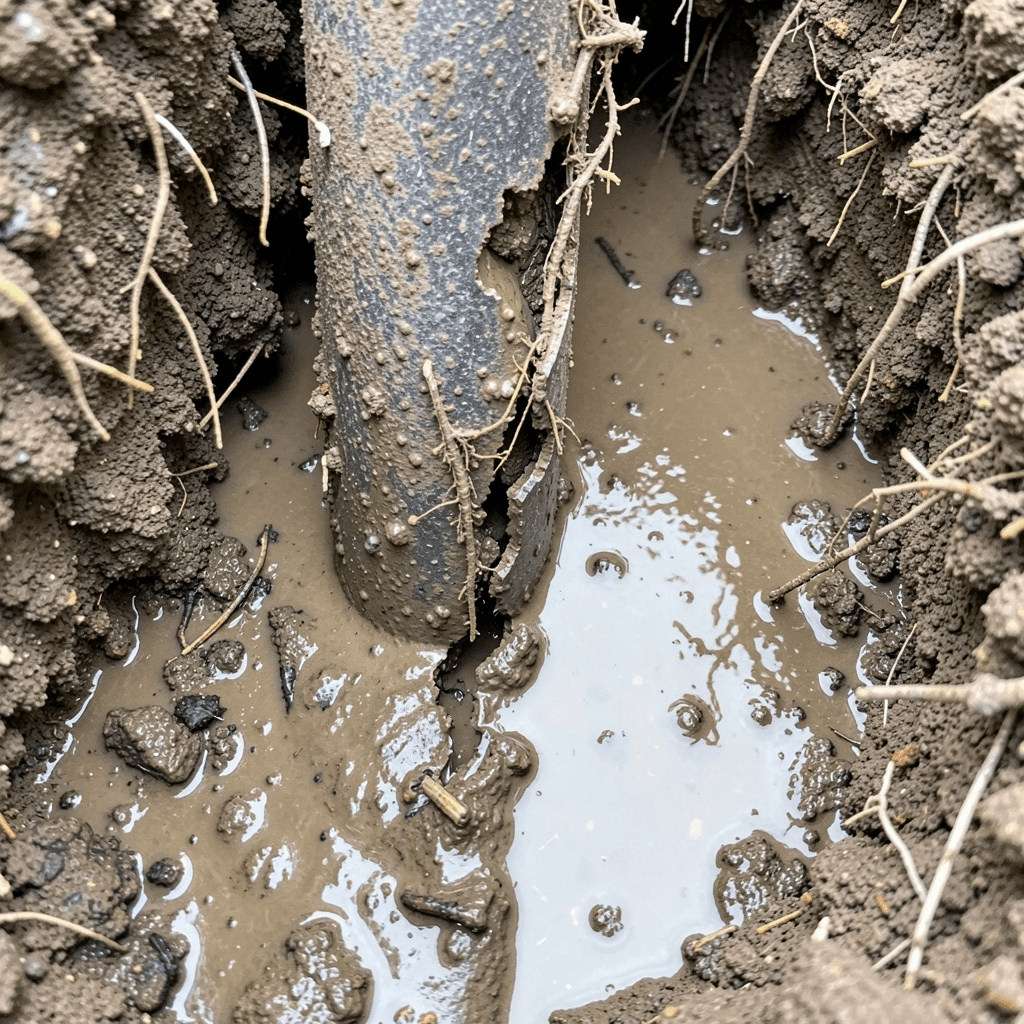
As roots expand, they push against pipe walls and widen existing cracks. Clay and concrete pipes are especially vulnerable to this pressure. The roots can break through sections of pipe completely, requiring expensive excavation and replacement rather than simple cleaning.
Pressure From Blockages Damaging Pipes
When a clog blocks your sewer line, wastewater has nowhere to go. The pressure builds up behind the blockage, pushing against pipe joints and weak spots. Older pipes with existing small cracks face the most risk from this added stress.
This pressure can crack pipes, separate joints, or cause complete pipe collapse. PVC pipes may develop stress fractures, while cast iron pipes can burst at their weakest points. The damage often extends beyond the clog location as pressure affects multiple sections of your line.
Repeated cycles of pressure buildup and release weaken your pipes even if they don't fail immediately. Each backup stresses the system further, shortening the lifespan of your entire sewer line and turning what could have been a simple fix into a full replacement job.
Consequences of Delayed Sewer Repairs
Putting off sewer line repairs creates a chain reaction of problems that grow worse over time. Small leaks turn into major breaks, and minor clogs become complete system failures that damage your property and drain your bank account.
Emergency Repairs and Property Restoration
Emergency plumbing calls cost two to three times more than scheduled repairs. When your sewer line fails completely, you need immediate help regardless of the time or day. Plumbers charge premium rates for after-hours service, weekend calls, and holiday emergencies.
The damage spreads beyond just the pipes. Raw sewage can flood your basement, yard, or crawl space within hours of a major break. You'll need to hire restoration companies to remove contaminated water, tear out damaged drywall and flooring, and sanitize affected areas.
Your family may need to stay in a hotel while crews work on your home. Insurance may not cover all these costs if you ignored warning signs like slow drains or sewage odors. The total bill for emergency repairs and restoration often reaches $15,000 to $30,000 or more.
Water Damage Outpacing Plumbing Costs
The water damage from a failed sewer line creates bigger expenses than fixing the pipe itself. According to the U.S. Centers for Disease Control and Prevention, water contaminated by sewage can contain bacteria, viruses, and parasites that pose serious health risks, and porous materials soaked by contaminated water generally must be removed and discarded rather than cleaned.
Moisture seeps into walls and creates conditions for mold growth. Black mold spreads quickly in damp areas and requires professional removal. The longer sewage sits in your home, the more structural damage occurs to floor joists, wall studs, and foundation materials.
Property restoration companies charge $3 to $7 per square foot for water extraction and drying. Mold removal adds another $500 to $6,000 depending on the affected area. These costs multiply when you wait to address sewer problems.
Recurring Backups From Incomplete Remediation
Partial fixes provide temporary relief but fail to solve underlying issues. Tree roots continue growing into cracked pipes even after you clear a backup. Sections of pipe with minor damage deteriorate further and create new blockage points within months.
You end up paying for multiple service calls to address the same problem. Each temporary fix costs $300 to $800, and these expenses add up quickly. The root cause remains untreated in your sewer line.
Complete system failure becomes inevitable when you only treat symptoms. A full pipe replacement that you could have avoided with early repairs becomes your only option. The longer you wait, the more pipe sections suffer damage and need replacement instead of targeted repairs.
Benefits of Proactive Sewer Inspections
Getting your sewer line checked regularly helps you find problems before they turn into expensive emergencies. These inspections give you clear information about your pipes and help you avoid major repairs down the road.
Camera Inspections for Early Problem Detection
Modern sewer pipe inspection uses small cameras that travel through your pipes to show what's happening inside. A plumber feeds a waterproof camera attached to a flexible cable into your sewer line. The camera sends back live video that shows cracks, blockages, tree roots, and other issues.
This technology lets you see problems that aren't causing obvious symptoms yet. You can spot a small crack before it becomes a major break. You can find tree roots when they're just starting to grow into your pipes instead of waiting until they cause a complete blockage.
The camera inspection shows the exact location of any problems. This means plumbers know where to work without digging up your entire yard. You get a clear picture of what repairs you need and can plan for them instead of dealing with a surprise backup.
Deterioration Risks in Older Homes
Pipes in older homes face specific challenges that make regular inspections even more important. Sewer lines installed 30 or more years ago often used materials like clay or cast iron that break down over time.
According to the U.S. Environmental Protection Agency, aging wastewater collection systems across the country require substantial investment to address deteriorating pipes, with much of the existing infrastructure approaching or exceeding its intended service life. The same conditions affecting public lines apply to the privately owned laterals connecting individual homes to those systems.
Clay pipes develop cracks and can collapse as they age. Cast iron pipes rust from the inside out, creating rough surfaces that catch debris and form clogs. These materials also attract tree roots looking for water sources.
Homes built before the 1980s are at higher risk for sewer line failure. Ground settling and soil movement over decades can shift pipes out of alignment. This creates low spots where waste collects and blocks form.
Your older sewer line might look fine from the outside but have serious damage inside. A camera inspection reveals these hidden problems so you can address them on your schedule.
Advantages of Preventive Maintenance
Regular inspections let you fix small issues before they become emergencies. A minor crack costs a few hundred dollars to repair, while a collapsed sewer line can cost thousands.
You avoid the disruption of sewage backing up into your home. Sewage backups create health hazards and can damage your floors, walls, and belongings. Prevention keeps your home safe and comfortable.
Key benefits include:
- Lower repair costs over time
- No emergency plumber fees
- Protection of your property value
- Peace of mind about your plumbing system
Scheduled maintenance also extends the life of your sewer line. Cleaning out roots and buildup prevents damage from getting worse. You get more years out of your existing pipes before needing a full replacement.
Long-Term Protection Through Professional Maintenance
Professional sewer line maintenance provides lasting protection for your plumbing system by addressing problems before they turn into major failures. These services use advanced techniques to keep your pipes clean and functional for years to come.
Effectiveness of Hydro Jetting
Hydro jetting uses high-pressure water streams to remove years of buildup from your sewer lines. This method blasts away grease, debris, tree roots, and mineral deposits that regular snaking cannot reach.
The process typically uses water pressure between 3,000 and 4,000 PSI. This force completely clears your pipes down to their original diameter. Unlike mechanical snaking that pokes holes through clogs, hydro jetting scours the entire pipe wall clean.
Professional technicians control the pressure based on your pipe material and condition. Older pipes may need gentler treatment, while newer pipes can handle maximum pressure. The cleaning lasts much longer than basic drain cleaning methods because it removes buildup instead of just breaking through it.
Improved Drainage Throughout the Home
Clean sewer lines create better flow throughout your entire plumbing system. You will notice faster drainage in all your fixtures, from toilets to showers to washing machines.
When your main sewer line is clear, water moves efficiently without creating backups or slow drains. This prevents the gurgling sounds you hear when air gets trapped in partially blocked pipes. Your drains will empty quickly and quietly.
Regular sewer drain cleaning service maintains this improved performance over time. Multiple drain points in your home all connect to the main line, so clearing that main line benefits every fixture. You avoid the frustration of dealing with recurring slow drains that keep coming back.
Preventing Unexpected Emergencies
Scheduled maintenance stops major problems before they happen. Professional inspections catch small issues like minor cracks or early root intrusion when they are still easy to fix.
Emergency sewer repairs cost significantly more than planned maintenance visits. A backed-up sewer line can flood your home with wastewater, damaging floors, walls, and personal belongings. These emergencies often happen at the worst times, like holidays or weekends when emergency service rates apply.
Regular sewer line maintenance identifies weak spots and addresses them proactively. Technicians can recommend targeted repairs or schedule them during normal business hours at standard rates. This approach helps you prevent sewer line backups that force you to call for urgent help at premium prices.
Conclusion
Taking care of your sewer line is one of the smartest decisions you can make as a homeowner. Regular maintenance helps you catch small problems before they turn into expensive emergencies that cost thousands of dollars to fix.
You don't need to wait for warning signs to appear. Schedule inspections every few years and watch what goes down your drains. Avoid flushing items that can cause clogs, and keep tree roots away from your pipes.
The money you spend on regular maintenance is much less than what you would pay for emergency repairs. A simple inspection or cleaning now prevents major damage later.
Your sewer system works hard every day to keep your home running smoothly. Give it the attention it needs through basic care and professional checkups. This approach saves you money, protects your property, and keeps your plumbing system in good shape for years to come.
Start a maintenance schedule today, and when you're ready for a professional eye on your sewer line in Lexington, SC, contact Dr Rooter to set one up.