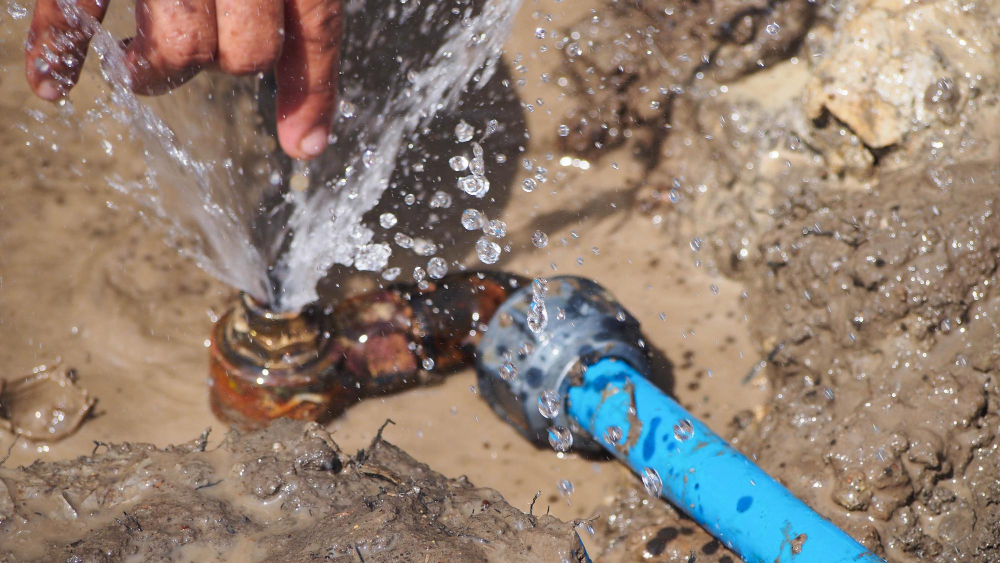
The burst pipe repair cost Lexington SC homeowners face can range from a modest service call to a major restoration project, depending on where the pipe fails and how fast the water is stopped. A split supply line releases water at full household pressure, which means a single break can push several gallons per minute into cabinets, walls, or crawl spaces.
Local homes add their own variables, from older copper and galvanized lines in established neighborhoods to PEX and CPVC in newer subdivisions. Knowing what drives the price helps you make faster, calmer decisions when it matters most.
In this article, you'll learn what burst pipe repairs typically cost in the Lexington area, which factors raise or lower the final invoice, and what to do in the first hour to limit water damage. You'll also see how pipe material, location, and water pressure influence whether a spot repair is enough or a larger replacement makes more sense. Finally, we'll cover prevention steps suited to the Midlands climate so the next repair bill never arrives.
Here's what you need to know.
Keep reading to understand the real costs before you call a plumber and the steps that keep a manageable repair from turning into a costly restoration.
Burst pipe repair cost Lexington SC refers to the total price a homeowner pays to locate, isolate, and fix a ruptured water line. Accessible sections usually fall into a lower pricing tier, while breaks inside walls, under slabs, or connected to widespread pipe failure cost more. Water damage cleanup is billed separately and can exceed the plumbing repair itself.
Most homeowners want a number before anything else, and that's reasonable when water is on the floor.
The honest answer is that the burst pipe repair cost in Lexington, SC follows a few predictable patterns, even though every job is quoted after inspection. Plumbers in the Midlands generally price by access difficulty, pipe material, time of day, and the amount of pipe that needs replacement. Understanding those patterns lets you judge whether an estimate is fair and where your money is actually going.
It also helps to separate the plumbing repair from the cleanup that follows. The plumber fixes the pipe, but drying, drywall replacement, flooring, and mold prevention are often handled by separate trades with separate invoices. Many homeowners are surprised to learn that the second category frequently costs more than the first. The sections below break down both sides so there are no surprises when the final bills arrive.
For an exposed pipe under a sink or in an open crawl space, a repair is usually quick and relatively inexpensive. The plumber cuts out the damaged section, installs a coupling or a short replacement length, and pressure-tests the line before restoring service. Costs rise when the damaged section is hidden, when multiple fittings failed, or when the break revealed brittle pipe on either side.
The ranges below reflect typical residential pipe repair work in the Lexington area, though your written estimate will always be the final word.
The written scope should separate pipe work from access and restoration. These common tiers show why the same length of damaged pipe can lead to very different invoices.
These tiers cover the plumbing portion only and assume normal business hours. A simple split in a flexible connector may stay near the low end of a contractor's pricing, since broken supply lines to fixtures are usually replaced as a complete part rather than patched. On the other hand, a single burst can expose several weak joints, which turns a one-fitting job into a longer section replacement.
Ask your plumber to explain which tier your repair falls into and why before work begins. Clear estimates for affordable plumbing repairs should identify labor, materials, access work, and any services that another trade must complete.
Timing is one of the biggest swing factors in any emergency plumbing invoice. Most companies charge a higher trip fee or hourly rate for nights, weekends, and holidays because they must keep licensed technicians on call. That premium can add a noticeable amount to a small repair, which is why some homeowners are tempted to wait. When water is actively flowing, though, 24-hour plumbing repair almost always costs less than the water damage caused by waiting until Monday.
There is a practical middle ground if you can fully stop the water at the main shutoff valve. Once the flow is stopped and standing water is removed, a pipe that is no longer leaking can sometimes wait for a regular appointment without added risk. A same-day plumber can often schedule you early the next morning, which avoids the after-hours premium. Be honest with the dispatcher about whether water is still escaping, because that single detail determines the right level of urgency.
Pricing transparency matters as much as the rate itself. Before approving work, ask whether the quote is flat-rate or hourly, whether the trip fee is credited toward the repair, and what happens if the plumber finds additional damage. Reputable firms put that information in writing, and choosing an affordable plumbing company with clear pricing protects you from low teaser quotes that grow once the wall is open.
Verifying licensing with the South Carolina Department of Labor, Licensing and Regulation is the first step in hiring plumbing contractors you can trust.
A pipe repair is a contained job, but water does not stay contained. It wicks into drywall, swells engineered flooring, soaks subfloor, and settles into insulation where it can stay hidden for weeks. According to FEMA's NFIP, just one inch of water inside a home can cause roughly $25,000 in damage, and while that estimate comes from flood events, the same building materials fail in the same way when water comes from a supply line. That is why the first minutes after a burst have more influence on your total cost than the plumbing repair itself.
Here is what to expect based on how quickly the water is caught:
The pattern is consistent across nearly every job: speed determines scale. Taking immediate steps to minimize damage can mean the difference between a limited dry-out and a full room rebuild. Homeowners who understand the burst pipe repair cost in Lexington, SC tend to call sooner, shut the water off faster, and spend far less overall.
If you notice leaks, cracks, or lingering water damage near a previous repair, have it checked before the problem grows.
Two burst pipes that look identical from the outside can produce very different invoices. The difference usually comes down to location, pipe material, and the overall condition of the plumbing around the break. A plumber quoting the burst pipe repair cost in Lexington, SC is really answering three questions: how hard is it to reach, what is it made of, and is the rest of the line healthy enough to keep. Each answer moves the price in a specific direction.
Knowing these factors in advance helps you ask better questions during the estimate. It also helps you recognize when a higher quote is justified by real conditions rather than padding. Lexington's housing stock ranges from mid-century homes with original galvanized lines to recent builds with PEX manifolds, so no single price fits every address. Use the sections below to understand where your home falls.
A small pinhole behind a finished tile shower can cost more to fix than a large split under an open sink. Access drives labor time, and labor is typically the largest share of any repair invoice. Plumbers must also protect finished surfaces, work around electrical wiring, and restore fire blocking where it exists. The checklist below shows how common locations affect the scope of work.
Under sinks and vanities, visible pipe is usually quick to reach. Inside walls or ceilings, the plumber must control the opening, and tools for finding hidden wall leaks can limit unnecessary drywall removal. Crawl spaces and attics add tight clearance, insulation, and heat to the job.
Under a concrete foundation, slab leak symptoms such as warm floor spots or unexplained meter movement can help narrow the search. A failed main service line adds excavation or trenchless work, while roots, driveways, and irrigation lines complicate the route.
Slab and underground breaks deserve special attention because diagnosis is part of the price. Plumbers often use acoustic listening equipment and line tracing to pinpoint the break before cutting concrete, and accurate concrete leak detection can save thousands in unnecessary demolition.
For a break on the yard side, water line damage may show up as soggy soil, unexplained meter movement, or settling near the foundation. In either case, a precise diagnosis is money well spent.
The material of your supply lines determines which fittings the plumber uses, how long the repair takes, and whether nearby pipe is likely to fail next. Modern materials are generally faster and cheaper to repair, while older materials often signal that a broader replacement is approaching. The International Plumbing Code and International Residential Code, both adopted in South Carolina, list approved materials and joining methods that a licensed plumber must follow. Here is how the most common materials compare.
Copper requires soldered or press fittings, so copper pipe repairs typically demand more time and higher material costs than a comparable PEX repair. Flexible PEX uses crimp or expansion fittings and is often faster to replace in a confined area.
CPVC can become brittle with age and heat, while galvanized steel corrodes from the inside and may leave little sound pipe around the break. Polybutylene failures frequently occur at fittings, so these older systems deserve a broader condition assessment before another spot repair is approved.
Water chemistry also plays a role over time. Pipe corrosion in copper may appear as discolored water, green staining at joints, or recurring pinhole leaks before a full burst.
Scale deposits narrow pipe interiors and stress fittings. Mineral buildup can worsen restrictions inside a line.
Homes on wells or with elevated mineral content may also experience hard water damage over years of use. The effect depends on the water chemistry and existing pipe material.
If your home has aging galvanized or polybutylene lines, ask whether replacing old pipes is more economical than repeated emergency repairs. A condition assessment can show whether isolated sections remain sound.
After a burst, many homeowners face a bigger decision than the repair itself. If the pipe failed because of a one-time event, such as a freeze or an accidental nail puncture, a spot repair is usually the right call. If it failed because the material is degrading, the next leak may already be forming a few feet away. Frequent leaks, widespread corrosion, and brittle material can make residential repiping more sensible than another isolated patch.
A spot repair offers the lower upfront cost, causes less disruption, and makes sense for isolated freeze damage, impact, or a single failed fitting. When the surrounding pipe is sound, replacing more of the system would add expense without solving a broader problem.
The trade-off is that a spot repair cannot correct corrosion, brittleness, or failure-prone material elsewhere in the home. Repeat failures create new restoration work and may eventually cost more than one planned repipe, especially when each leak affects finished surfaces.
Repiping is a larger investment, but it replaces uncertainty with a predictable, long-term system. A whole-home repiping plan should account for home size, fixture count, pipe material, wall access, and the proposed routing before you compare quotes.
Other repiping cost factors include the number of stories and whether new lines can be routed through the attic or crawl space. For underground service lines, trenchless pipe replacement can replace the line without trenching across your lawn or driveway.
A good plumber will document pipe replacement signs during the repair so your decision rests on evidence. Photos and written findings make competing recommendations easier to compare.
The first hour after a burst has more impact on your total cost than any other part of the process. Every minute of flowing water adds gallons to the cleanup, and every hour of standing water increases the odds of mold and structural damage. Homeowners who act quickly and methodically often keep the burst pipe repair cost in Lexington, SC down to a routine repair. The steps in this section are simple, but they need to happen in the right order.
Preparation makes these steps easier to follow under stress. Knowing where your main shutoff is, keeping a flashlight and towels ready, and saving a trusted plumber's number in your phone takes only a few minutes. Those minutes pay back many times over when a pipe fails at 2 a.m. Consider walking your household through the plan this week so everyone knows what to do.
Most Lexington homes have a main shutoff valve where the water line enters the house, often in a garage, utility closet, crawl space entry, or near the water heater. If you cannot find it, the curb stop in the meter box can also stop flow, though it may require a meter key.
Close the valve fully, then follow the sequence below while you wait for help. Plumbers who handle burst pipe emergencies consistently see less damage in homes where these steps were completed first.
Work in order and do not enter standing water near energized equipment. If reaching the breaker would put you at risk, wait for emergency help.
If the main valve will not close completely, tell the dispatcher that water is still flowing. That detail changes the urgency and may require utility assistance at the meter.
Do not restore water pressure to test a temporary patch. Tape, clamps, and epoxy putty can slow a leak briefly, but they rarely hold on a pressurized supply line for long. Following emergency plumbing guidance from a professional keeps you safe and prevents a second burst when the valve is reopened. Once the water is off, your main job is drying and documenting while the plumber is on the way.
Most standard homeowners policies cover sudden and accidental water discharge, such as a burst pipe, but typically exclude damage from long-term leaks or neglect. That distinction makes documentation critical. Photograph the burst section, the surrounding area, and every damaged item before cleanup begins, and record a short video walking through each affected room. Keep receipts for towels, fans, dehumidifier rentals, and any emergency lodging, since many policies reimburse reasonable mitigation expenses.
Drying should start immediately, even before the adjuster visits. According to the U.S. EPA, water-damaged areas and items should be dried within 24 to 48 hours to prevent mold growth. Insurers expect homeowners to take reasonable steps to prevent further damage, so running fans and dehumidifiers supports your claim rather than undermining it. Keep damaged materials, or at least a sample, until the adjuster confirms they are no longer needed.
Your plumber's written report is often the most important document in the file. Ask for an invoice that states the cause of failure, the pipe material, the location, and the repair performed, because adjusters rely on that language to classify the loss.
A thorough plumbing diagnostics service can also confirm whether other sections are at risk, which matters when weighing repair against replacement. Clear records shorten the claims process and reduce disputes over what caused the damage.
Not every leak requires an after-hours call, but a burst supply line usually does. The deciding factor is whether you can fully stop the water and keep the home safe until a regular appointment.
Active flooding, electrical exposure, contaminated water, and a failed main shutoff are plumbing emergencies that should not wait until morning. The questions below cover the situations homeowners ask about most often.
What if I shut off the main valve and the water stopped?
If the flow is fully stopped and standing water is removed, many repairs can wait for a next-day appointment. You will be without water in the meantime, so plan for that inconvenience.
What if the main shutoff valve is stuck or broken?
This is an emergency, since water will keep flowing until a plumber or the utility closes the curb stop. Call right away and keep removing water while you wait.
What if water reached electrical outlets, the panel, or light fixtures?
Treat this as urgent for both plumbing and electrical safety, and keep everyone away from the area. Do not reset breakers until the area is dry and has been inspected.
What if the leak is under the slab or in the yard and I can't see it?
A moving water meter with every fixture off points to a hidden break, and delays can undermine soil or flooring. Schedule leak detection promptly, even if the flow seems slow.
When the situation clearly calls for immediate help, choose a provider that answers the phone and dispatches quickly.
An emergency plumber in Lexington can isolate the break, stabilize the system, and often restore water to the rest of the house the same night. Clear information from the caller helps the dispatcher send the right equipment.
Save the number of fast-response plumbers before a failure removes the time pressure from that decision. Ask how after-hours calls are prioritized and priced.
For a slab or main line break, confirm that the company has emergency plumbing contractors and equipment suited to larger jobs. Those projects may require leak-location and excavation capabilities beyond a basic service vehicle.
The least expensive burst pipe is the one that never happens. Most failures trace back to a handful of causes: freezing, excess water pressure, aging materials, and hidden leaks that weaken pipe over time. Each cause has a practical, affordable countermeasure that costs far less than the burst pipe repair cost in Lexington, SC. The sections below focus on the risks that matter most for homes in Lexington and the surrounding Midlands.
Prevention also protects your insurance record and your home's resale value. Buyers and inspectors increasingly ask about past water claims, and a clean history makes a real difference. Small investments in insulation, pressure control, and inspections cost a fraction of a single emergency repair. Think of them as maintenance on one of the most important systems in your home.
Freezing is less common here than in northern states, which is exactly why it catches homeowners off guard.
According to Clemson Cooperative Extension, South Carolina winter temperatures seldom drop below 20°F, yet occasional single-digit cold spells do occur, and above-ground or exposed pipes face the greatest risk. Many Midlands homes have supply lines in vented crawl spaces, exterior walls, garages, and attics, which leaves them vulnerable during those rare hard freezes.
When water freezes, it expands and drives up pressure between the ice blockage and the closed faucet, which is often where the pipe splits.
Insulate exposed pipes in crawl spaces, attics, and garages with sleeves sized to the pipe. Disconnect garden hoses, cover outdoor spigots, and open sink cabinet doors on exterior walls so indoor heat can reach vulnerable plumbing.
During the hard freezes described by Clemson, a small continuous flow at an exterior-wall faucet can reduce freezing risk. Keep the home heated consistently when traveling, and consider closing the main shutoff if the house will be empty.
If a pipe does freeze, thaw it gently with a hair dryer or a space heater placed at a safe distance, never with an open flame. Professional frozen pipe repair is the safer option when you cannot locate the frozen section or when the pipe is already bulging or cracked.
Outdoor fixtures are common casualties, and many outdoor plumbing repairs start with a hose left connected during a cold night. A few minutes of preparation before a forecast freeze prevents many of these calls.
Freezing gets the headlines, but excessive pressure can also weaken pipes in warm-weather states. The International Plumbing Code requires an approved pressure-reducing valve when static building pressure exceeds 80 psi. Homes at low elevations within a service area or near a pumping station may experience higher pressure, and a simple gauge threaded onto an outdoor spigot can show whether a plumber should investigate.
Water hammer adds sudden pressure spikes on top of high static pressure. Noisy water pipes often signal the shock wave created when a washing machine valve or faucet closes quickly.
Worn pressure-reducing valves and failing shutoffs also contribute, so timely pipe valve repair helps stabilize flow. A plumber can test whether the valve holds steady under changing demand.
If pressure swings between too high and too low, correcting water pressure problems protects both pipes and appliances. The cause may sit at the regulator, service line, or utility supply.
Thermal expansion is a related but often overlooked factor. When a water heater warms water in a closed system, typically one with a check valve or pressure-reducing valve, the expanding water has nowhere to go and pressure climbs.
The IPC requires a means of controlling thermal expansion in these systems, and a properly sized water heater expansion tank absorbs that extra volume. Checking the tank's air charge during routine service keeps it working as intended.
Many bursts begin as small leaks that go unnoticed for months. According to EPA WaterSense, about 10 percent of homes have leaks that waste 90 gallons or more of water every day, and a leak that persistent often points to a weakened joint or fitting. Catching that weakness early turns an emergency into a scheduled repair. A structured inspection routine is the most reliable way to find it.
Use the same short checklist throughout the year so small changes are easier to notice. Record anything unusual and compare it during the next inspection.
Professional inspections go further than a homeowner walk-through. A plumber can test pressure, evaluate pipe condition, and use acoustic or thermal tools for early leak detection before stains appear on a ceiling.
A leak detection service is warranted when the meter moves with every fixture off, the bill rises unexpectedly, or moisture appears without a visible source. Testing can narrow the search before finished surfaces are opened.
Some homeowners also install digital water flow meters or smart shutoff valves. These devices can send a phone alert and close the main automatically when abnormal flow is detected.
Membership programs make this kind of care consistent and affordable. Scheduled visits keep inspections from slipping through the cracks, and routine plumbing maintenance costs far less than emergency repairs.
Many members also receive priority scheduling and repair discounts, which matter most when a pipe fails unexpectedly. The Plumb Perfect Club is one example of a local program built around that kind of protection.
Burst pipe costs in Lexington are rarely random. They follow clear patterns shaped by where the pipe breaks, what it is made of, how long the water flows, and whether the rest of the system is healthy. An accessible spot repair may stay limited in scope, while a slab break or repeated failures can justify a larger investment in repiping. Understanding those patterns helps you read estimates with confidence and ask the right questions before work begins.
The most powerful cost control is still in your hands. Knowing where your main shutoff is, drying wet materials promptly, and documenting everything for your insurer can keep a burst from turning into a rebuild.
Prevention matters just as much, from insulating exposed pipes before a Midlands cold snap to keeping water pressure within code limits. These are the same principles licensed plumbers apply every day, and they work because they address causes rather than symptoms.
When a pipe does fail, the right help makes every step easier. A licensed plumber can pinpoint the break, explain your options in plain terms, and recommend a repair that fits both the problem and your budget. Clear written estimates and a documented cause of failure also protect you throughout the insurance process.
If you are dealing with a burst pipe right now or want your system checked before the next freeze, contact Dr. Rooter of Lexington to schedule fast service with licensed local plumbers.