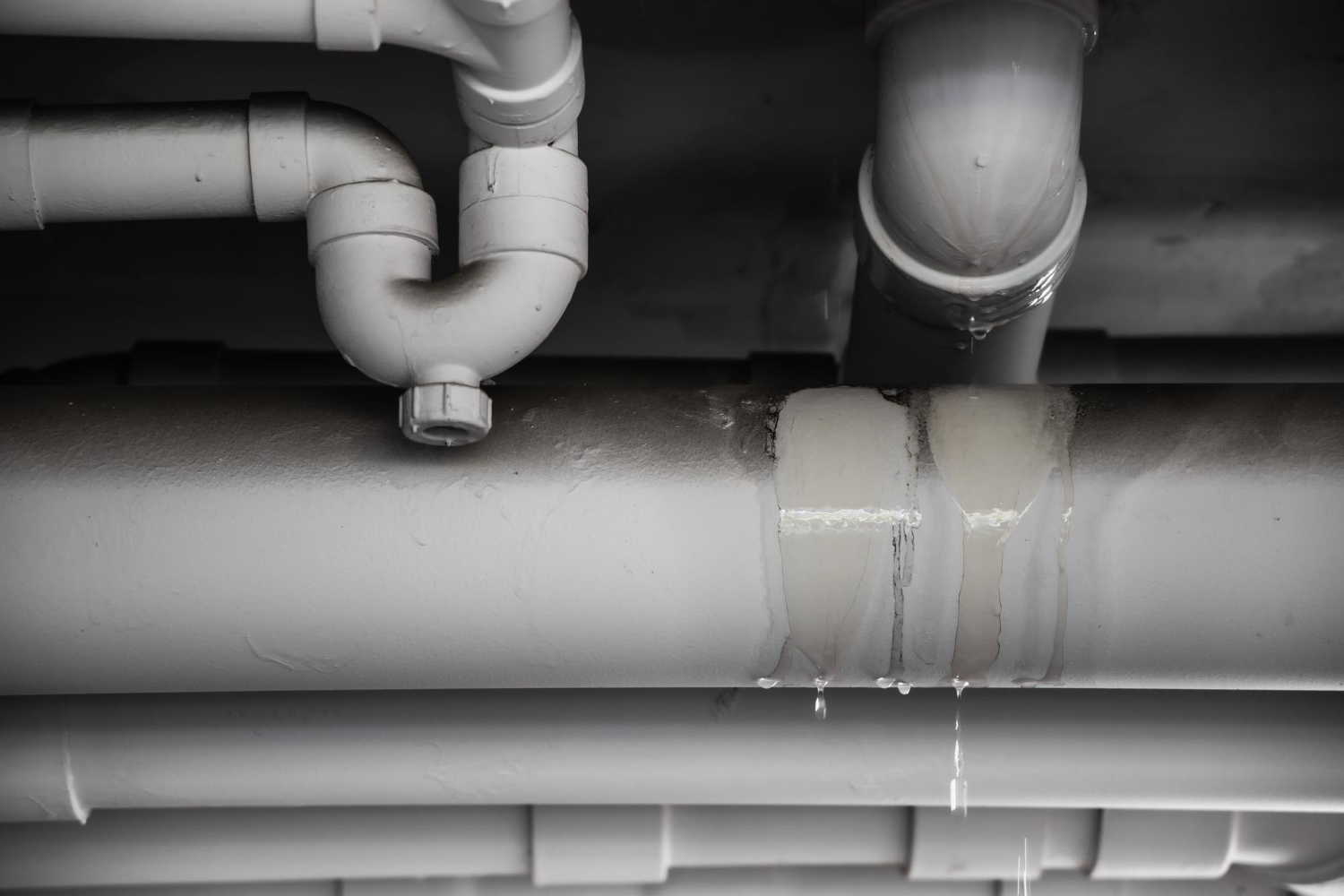
When water freezes inside your pipes, it expands and creates dangerous pressure that can cause the pipe to burst. If you discover frozen pipes, you need to act immediately to prevent thousands of dollars in water damage and flooding. A frozen pipe is not just a minor problem you can ignore until morning.
Per the Federal Highway Administration (FHWA), water expands in volume by approximately 9% when it freezes, which is why frozen lines can build damaging internal pressure.
The good news is that professional emergency repair services can quickly address frozen pipes before they burst. You'll learn how to spot the warning signs, understand what professionals do during emergency repairs, and discover why fast action saves you money and protects your home.
This guide walks you through everything you need to know about frozen pipe emergencies. You'll find out when to call for help, what repair services involve, and how to protect your pipes before winter weather strikes again.
Here's what you need to know:
Keep reading! You’ll learn how frozen pipes emergency repair helps stop winter plumbing damage by safely thawing lines, completing burst pipe repair when needed, and restoring water service quickly.
Frozen pipes create immediate risks because water expands when it freezes, which can burst pipes and flood your home within hours. The damage affects not just your plumbing but your walls, floors, and entire water supply during the coldest months.
When water freezes, it expands by about nine percent. This expansion creates intense pressure inside your pipes that they were not designed to handle.
The pressure builds up between the frozen blockage and a closed faucet. Metal and plastic pipes both face this same force, though they respond differently to the stress.
Even a small section of ice can generate thousands of pounds of pressure per square inch. This force pushes against pipe walls from the inside, weakening joints and seams. The expansion does not stop until the ice melts or the pipe gives way.
Pipes typically burst at their weakest points, not where the ice forms. The pressure travels through your plumbing system and finds cracks, joints, or thin sections.
When a pipe bursts, water flows continuously until you shut off the main supply. A single crack can release hundreds of gallons per hour into your home. The flooding starts immediately after the burst occurs.
Pipes against exterior walls face the highest risk. Areas where plumbing enters your foundation through concrete are also vulnerable. These locations experience the coldest temperatures and freeze first during winter weather.
Water from burst pipes soaks into drywall, insulation, and wooden studs. These materials absorb moisture quickly and lose their structural integrity within hours.
Ceilings sag and collapse when drywall becomes waterlogged. Floors warp and buckle as water seeps between boards or under laminate surfaces. The damage spreads beyond the immediate burst location as water follows gravity and finds the lowest points.
Mold growth starts within 24 to 48 hours in wet building materials. You face both immediate repair costs and potential health hazards. Winter plumbing damage often requires removing and replacing entire sections of walls or floors rather than simple patches.
According to the U.S. Environmental Protection Agency (EPA), drying water-damaged areas and items within 24–48 hours helps prevent mold growth after a leak or burst pipe.
A frozen pipe blocks water flow even before it bursts. When you turn on your faucet and only get a trickle or nothing, ice is blocking the line.
According to the National Weather Service (NWS), if you suspect a pipe is frozen, open the faucet first so thawed water can drip out while the pipe is warmed, which helps reduce pressure buildup.
You lose access to water for drinking, cooking, bathing, and toilet flushing. This happens during the coldest weather when you need running water most. Hotels and temporary housing become necessary if the freeze affects your entire system.
The freeze can affect one fixture or your whole house depending on which pipes ice up. Main supply lines create complete outages. Branch lines to specific rooms leave you with partial service but ongoing risk.
A small frozen section grows larger as temperatures stay below freezing. Ice spreads through pipes that stay cold, expanding the affected area hour by hour.
What starts as reduced water pressure becomes a complete blockage. The blocked pipe then faces increasing burst risk. Each hour of freezing conditions makes the situation worse.
Emergency repairs cost significantly more than prevention. Burst pipes require immediate plumber visits, often at premium emergency rates. Water damage restoration, mold remediation, and reconstruction add thousands more to the final bill. The initial freeze might take hours to develop, but the burst and flooding happen in minutes.
Frozen pipes show specific warning signs that you need to recognize quickly. Catching these signs early can prevent burst pipes and serious water damage to your home.
When you turn on a faucet and nothing comes out, or the water barely trickles, this is the most common sign of a frozen pipe. Ice buildup inside the pipe blocks water from flowing through.
Check multiple faucets in your home to see if the problem affects just one area or your entire house. If only one faucet has low flow, the frozen section is likely in the pipe leading to that specific fixture. If all your faucets have reduced flow, the freeze may be in your main water line.
This problem happens most often with pipes in unheated areas like basements, crawl spaces, or exterior walls. Pay special attention to faucets that stopped working after temperatures dropped below freezing overnight.
Visible frost or ice on the outside of your pipes means the water inside is likely frozen too. You can spot this on pipes in unheated spaces like garages, attics, basements, and crawl spaces.
Look for white or icy coating on metal or plastic pipes. The frost appears when temperatures drop low enough that moisture in the air freezes directly onto the cold pipe surface. If you see frost on the outside, the inside is definitely at or below freezing.
Check all exposed pipes regularly during cold weather. Even a thin layer of frost signals that you need to take action immediately before the pipe bursts.
Strange smells coming from your drains or faucets can indicate a frozen pipe further down the line. When ice blocks your pipes, sewer gases that normally vent outside get trapped and push back through your drains into your home.
These odors smell like sewage or rotten eggs. The blockage prevents fresh air from flowing through your plumbing system properly. If you notice these smells during freezing weather and you have other signs of frozen pipes, the smell confirms your suspicion.
This sign is less obvious than others but should not be ignored. The smell tells you that your drainage system is not working correctly due to ice blockage.
Bulges, cracks, or splits in your pipes are emergency signs that require immediate professional help. When water freezes, it expands and puts extreme pressure on the pipe walls from the inside.
You might see:
Do not try to thaw a pipe that shows these signs yourself. The pipe is already damaged and could burst at any moment, releasing large amounts of water into your home. Call a licensed plumber right away.
A pipe that was frozen can burst when temperatures rise and the ice begins to melt. The damage occurred while frozen, but you might not see water until thawing starts.
Watch for water pooling under sinks, dripping from ceilings, or spreading across floors when the weather warms up. The pipe likely cracked while frozen, and melting ice now allows water to escape through those cracks.
Turn off your main water supply immediately if you spot leaks after a freeze. Even small leaks can quickly become major flooding. Take photos of the damage for insurance purposes, then call an emergency plumber to assess and repair the broken pipe.
Professional repair teams follow specific steps to fix frozen pipes and stop water damage. They locate problem areas, thaw pipes safely, repair broken sections, and check nearby plumbing.
Professionals start by finding exactly where pipes have frozen or burst. They use thermal imaging cameras to detect cold spots in walls and ceilings without cutting into your home. These cameras show temperature differences that reveal frozen sections.
The team also looks for visible signs like frost on exposed pipes, bulging in pipe walls, or water stains. They check common problem areas first, including exterior walls, unheated crawl spaces, and attics. If a pipe has already burst, they trace water damage back to its source.
Technicians shut off the main water supply immediately to prevent more flooding. They also turn off electricity in affected areas to avoid electrical hazards. This quick assessment helps them create a repair plan before starting any work.
Professionals use specialized heating tools to thaw frozen pipes without causing damage. They apply heat gradually, starting from the faucet end and moving toward the frozen section. This method lets melting ice escape through the open faucet instead of building pressure.
Common equipment includes electric heat tape, professional-grade heat guns, and infrared heating lamps. For pipes inside walls, they may use hot water circulation systems that warm pipes from the inside. They never use open flames or excessive heat that could crack pipes or start fires.
The thawing process takes time and patience. Rushing creates dangerous pressure that can burst weakened pipes. Technicians monitor temperature and pressure throughout the process to keep your plumbing safe.
Once pipes are thawed, professionals inspect them for cracks, splits, or burst sections. Small cracks may be fixed with epoxy compounds or pipe repair clamps. These solutions work for minor damage in accessible areas.
Burst pipes require cutting out the damaged section and installing new pipe. For residential pipe repair, technicians match the existing pipe material, whether copper, PEX, or galvanized steel. They use compression fittings, soldering, or welding depending on pipe type.
Burst pipe repair often involves opening walls or ceilings to access hidden damage. Professionals cut precise openings to minimize drywall repair later. They replace entire sections rather than patching when pipes show multiple weak points or extensive freeze damage.
All connections are tested under pressure before sealing walls back up. This prevents future leaks from faulty repairs.
After repairs are complete, technicians slowly restore water to your system. They open the main valve gradually to avoid pressure surges that could damage weakened pipes. Air trapped in lines is released through open faucets throughout your home.
The team checks water pressure at multiple fixtures to ensure normal flow. Low pressure might indicate remaining blockages or additional frozen sections. They also look for leaks at repair points and connections.
Hot water systems receive special attention since they take longer to recover. Technicians may need to restart or adjust your water heater after extended shutdowns.
Professionals don't stop at the obvious problem. They inspect all plumbing in vulnerable areas since freezing conditions often affect multiple pipes. They check parallel pipe runs, nearby fixtures, and supply lines in the same space.
The inspection includes looking for hairline cracks that haven't burst yet but will fail soon. Pipes showing frost damage or weakened sections get flagged for monitoring or preventive replacement. This catches problems before they become emergencies.
They also recommend insulation and weatherproofing to prevent future freezing. This might include adding pipe insulation, sealing air leaks, or installing heat cable in problem areas. The goal is making your plumbing system more resistant to cold weather.
When pipes freeze, the clock starts ticking. Professional repair services stop damage before it spreads and protect your home from the serious consequences of burst pipes and flooding.
A frozen pipe can burst without warning and release hundreds of gallons of water into your home. This flooding damages floors, walls, ceilings, and your personal belongings in minutes. Water seeps into hidden spaces where it weakens wood framing and destroys insulation.
Professional technicians respond quickly to thaw pipes before they rupture. They use specialized equipment that safely warms frozen sections without causing thermal shock. This prevents the pressure buildup that leads to catastrophic pipe failure.
When a pipe does burst, experts immediately stop the water flow and begin emergency cleanup. Fast water extraction prevents the moisture from spreading to other areas of your home. This quick response reduces the chance of mold growth, which can start within 24 to 48 hours of water exposure.
Emergency repairs cost less than fixing burst pipe damage. A professional service call to thaw a frozen pipe typically runs a few hundred dollars. Compare that to burst pipe repairs, which often exceed several thousand dollars when you factor in water damage restoration, structural repairs, and mold remediation.
Quick action keeps your home functional. You avoid the extended disruption of major water damage repairs that can force you out of your home for days or weeks. Professional teams work efficiently to restore your plumbing system and get your household back to normal operations.
Insurance claims become simpler when you act fast. Many policies require you to take reasonable steps to prevent additional damage. Hiring professionals demonstrates you responded appropriately to the emergency.
Frozen pipes stress your entire plumbing system. The ice expansion creates pressure that can weaken pipe joints, damage fixtures, and harm connected appliances like water heaters and washing machines.
Professional technicians inspect your full system during emergency repairs. They identify hidden damage that might not show up right away but could cause problems later. This thorough approach catches weakened sections before they fail.
Key areas professionals examine:
Experts also check for ongoing freeze risks in other parts of your system. They recommend protective measures to prevent future incidents in vulnerable areas.
DIY thawing methods often create more problems than they solve. Using open flames, excessive heat, or improper techniques can damage pipes, cause fires, or lead to scalding injuries. You might also miss underlying issues that will cause failures later.
Professional services restore your water safely and completely. Technicians verify that all ice has cleared from affected pipes and that water flows properly throughout your system. They test pressure levels to confirm normal operation.
Your water quality remains protected. Professionals ensure that emergency repairs meet plumbing codes and health standards. They use appropriate materials and methods that keep your drinking water safe.
Frozen pipe emergencies create stress and anxiety. You worry about the damage, the costs, and whether the problem will get worse. Professional services remove this burden by taking control of the situation.
Experienced technicians know exactly what to do. They've handled hundreds of frozen pipe cases and can quickly assess your specific situation. You don't have to guess about the right approach or worry about making mistakes.
Benefits of professional expertise:
You also gain valuable advice for preventing future problems. Professionals identify why your pipes froze and recommend specific improvements to protect your plumbing during the next cold spell.
Taking steps before cold weather arrives protects your plumbing from freezing and saves you from emergency repairs. Simple actions like insulating pipes, maintaining proper temperatures, and sealing gaps make a real difference.
Pipes in basements, crawl spaces, attics, and garages need protection because these areas get much colder than the rest of your home. Uninsulated pipes freeze faster when temperatures drop below 32°F.
You can wrap exposed pipes with foam pipe insulation sleeves that fit snugly around the pipe. These sleeves come in different sizes to match your pipe diameter. You can also use heat tape or heat cables for pipes in extremely cold spots.
Pay special attention to pipes near exterior walls and outdoor faucets. The short section of pipe just inside your house that connects to outside faucets is very vulnerable to freezing. Wrap these areas thoroughly and check that the insulation stays in place.
Your thermostat setting matters even when you're not home. Set your heat to at least 55°F when you leave for vacation or extended periods. This keeps the temperature inside walls warm enough to protect pipes.
Don't lower the heat too much at night to save money. The few dollars you might save aren't worth the risk of frozen or burst pipes. Keep your home at a steady temperature day and night during cold snaps.
Open cabinet doors under sinks to let warm air reach pipes along exterior walls. This simple step helps prevent freezing in vulnerable spots. You should also keep interior doors open so heat circulates throughout your home.
A small stream of running water prevents pipes from freezing even in very cold weather. You don't need a heavy flow—just a thin trickle of water keeps pressure from building up and maintains some movement in the pipes.
Turn on both hot and cold taps slightly so water drips from faucets connected to pipes in exterior walls or unheated spaces. The constant movement makes it much harder for ice to form.
This method works best during the coldest nights when temperatures stay below freezing for several hours. The small amount of water you'll use costs far less than repairing burst pipes and water damage.
Cold air leaking into your home can freeze pipes quickly. Look for gaps and cracks where pipes enter your house from outside or pass through walls to unheated areas.
Use caulk or spray foam insulation to seal these openings. Check around pipes under sinks, behind washing machines, and where water lines enter through the foundation. Even small gaps let in enough cold air to cause problems.
Inspect areas where cables, vents, or other utilities pass through exterior walls. These spots often have gaps that people overlook. Sealing them protects both your pipes and your heating bills.
A plumber can spot problems before they cause frozen pipes. Professional inspections identify vulnerable areas you might miss and confirm that your winterization efforts are working.
Schedule an inspection in early fall before temperatures drop. The plumber will check pipe insulation, test outdoor faucet shutoffs, and look for leaks that could freeze. They can also drain and winterize outdoor pipes and sprinkler systems properly.
Ask about installing frost-proof outdoor faucets if you don't already have them. These specialized fixtures help prevent freezing better than standard outdoor taps. Your plumber can also recommend specific upgrades for problem areas in your home.
Dr. Rooter Lexington combines trained professionals, quick response times, specialized equipment, and honest pricing to handle frozen pipe emergencies effectively. Their emergency plumbing service operates around the clock to protect your home from water damage when temperatures drop.
Dr. Rooter Lexington employs licensed plumbers who have dealt with countless frozen pipe situations across the region. These professionals understand how Kentucky's winter weather affects residential plumbing systems. They know where pipes are most vulnerable and how to assess damage quickly.
Your plumber will arrive with the training needed to handle both simple frozen pipes and complex burst pipe scenarios. They can identify weak points in your plumbing system before they fail. The team stays current on industry best practices and local plumbing codes.
Experience matters when dealing with frozen pipes because one wrong move can turn a minor freeze into a major rupture. The technicians at Dr. Rooter Lexington have seen how ice forms in different pipe materials and locations. They apply this knowledge to each unique situation they encounter.
Dr. Rooter Lexington provides 24/7 emergency plumbing service throughout the winter months. When you call about frozen pipes, they dispatch a technician immediately. Fast response prevents minor freezing from escalating into burst pipes and flooding.
The company maintains a fleet of fully stocked service vehicles ready to deploy. Each truck carries thawing equipment and repair supplies. This preparation means technicians can start working as soon as they arrive at your property.
You won't wait days for help during a cold snap. The team understands that frozen pipes can burst within hours if left untreated. They prioritize emergency calls and work to reach you before significant damage occurs.
Dr. Rooter Lexington uses professional-grade thawing equipment that safely restores water flow. These tools apply controlled heat to frozen sections without damaging pipe materials. The technicians avoid dangerous methods like open flames that can crack pipes or start fires.
Your plumber will use specialized equipment including:
The team can handle copper, PEX, and galvanized pipes with appropriate techniques for each material. They know how much heat different pipe types can tolerate. If a pipe has already burst, they carry materials to make immediate repairs.
Dr. Rooter Lexington provides clear cost estimates before starting work on your frozen pipes. You'll know what to expect without hidden fees or surprise charges. The company stands behind its work with guarantees on both labor and parts.
As a local business, they understand the specific challenges that Lexington homeowners face during winter. They've built their reputation on honest service and quality repairs. You can verify their track record through local references and customer reviews.
The team respects your property and cleans up after completing repairs. They'll explain what happened to your pipes and how to prevent future freezing. You receive documentation of all work performed for your records and insurance claims if needed.
Frozen pipes demand quick action and careful handling. The steps you take in the first few minutes can prevent thousands of dollars in water damage and structural problems.
You need to shut off your water supply immediately when you suspect a frozen pipe. Open faucets to relieve pressure and reduce the risk of bursting. Never use open flames or high-heat devices to thaw pipes, as this creates fire hazards and can damage your plumbing system.
Call a professional plumber if you cannot locate the frozen section or if pipes have already burst. Water damage restoration experts can handle flooding and structural repairs that result from burst pipes.
Prevention saves you time and money. Insulate exposed pipes before winter arrives. Keep cabinet doors open during cold snaps to let warm air circulate. Let faucets drip slightly when temperatures drop below freezing.
Your plumbing system needs attention during winter months. Regular checks of vulnerable areas like basements, crawl spaces, and exterior walls help you catch problems early. Keep your home heated to at least 55 degrees, even when you're away.
Remember that frozen pipes are emergencies that require immediate response. Your quick actions and proper techniques protect your home from serious damage.
Schedule emergency plumbing service with Dr. Rooter Lexington now for frozen pipes emergency repair so a licensed plumber can thaw the line safely, complete burst pipe repair if needed, and restore water flow before flooding starts.