Water leaks can hide inside walls, under floors, and underground for months before homeowners notice them. Professional leak detection services use specialized equipment to find hidden leaks quickly and accurately without damaging your property. These experts can locate problems that would otherwise go undetected until they cause serious damage.
Early detection saves money and prevents major repairs down the road. Hidden leaks waste water, drive up utility bills, and can cause structural damage to your home. Professional plumbers have the tools and training to spot leaks that most people would never find on their own.
Modern leak detection methods are fast and non-invasive, making it easier than ever to catch problems before they become costly disasters. In this article, you'll learn how a professional leak detection service finds hidden leaks fast, prevents costly water damage, and protects your home's plumbing.
Here's what you need to know:
- Why professional leak detection matters
- Common signs you may have a hidden water leak
- How professional leak detection services work
- Types of leaks professional plumbers can locate
- The benefits of early leak detection for homeowners
Keep reading! Understanding the signs of hidden leaks and knowing when to call professionals can protect your home and wallet.
Why professional leak detection matters
Small leaks can cause major damage over time, while professional detection saves thousands in repair costs. DIY methods often fail to find hidden leaks that require special equipment to locate.
The hidden risks of ignoring small leaks in your plumbing system
A small drip might seem harmless, but it can cause serious problems over time. Even tiny leaks waste hundreds of gallons of water each month.
Water damage spreads quickly through walls, floors, and foundations. The moisture creates perfect conditions for mold growth within 24 to 48 hours.
As the EPA notes in its mold guidance, "mold can start to grow on wet materials in 24-48 hours", underscoring the need for rapid leak detection and drying.
Mold poses health risks including:
- Respiratory problems
- Allergic reactions
- Skin irritation
- Worsened asthma symptoms
Structural damage happens slowly but costs more to fix than the original leak. Wood rot weakens floor joists and wall studs. Metal pipes and fixtures corrode faster in wet conditions.
Foundation problems develop when water seeps into concrete or soil around the home. This can cause cracks, shifting, and expensive foundation repairs.
Higher utility bills are often the first sign homeowners notice. A single leaking toilet can waste over 200 gallons per day.
How expert detection saves money on future water damage
Professional leak detection prevents costly repairs by finding problems early. Water damage restoration can cost between $3,000 and $8,000 for an average home.
Forbes Home reports that "typical water damage restoration costs often fall in the low-to-mid thousands of dollars", depending on the category and extent of damage.
Advanced equipment helps professionals locate leaks without tearing up floors or walls. Thermal imaging cameras detect temperature differences caused by moisture. Acoustic sensors pick up the sound of water moving through pipes.
Moisture detection tools find wet areas behind surfaces before visible damage appears. This saves homeowners thousands in demolition and reconstruction costs.
Early detection stops small problems from becoming major disasters. A $300 leak detection service can prevent $10,000 in water damage repairs.
Professional plumbing inspection services also check for other issues during leak detection visits. They spot worn pipes, loose connections, and failing fixtures before they break.
Insurance companies often require professional documentation for water damage claims. DIY detection methods don't provide the proof needed for coverage.
Why DIY methods can miss leaks buried behind walls or floors
Most homeowners only find leaks after damage becomes visible. By then, water has already spread through building materials for weeks or months.
Hidden leaks occur inside walls, under concrete slabs, and beneath flooring materials. These locations make detection nearly impossible without professional equipment.
DIY moisture meters from hardware stores lack the sensitivity to detect small amounts of water. They also can't penetrate deep enough to find leaks behind multiple layers of material.
Professional acoustic equipment can hear water flowing through pipes buried in concrete. Homeowners cannot access this technology or interpret the results correctly.
Thermal imaging reveals temperature differences as small as one degree. This precision helps locate exact leak positions without guesswork.
Slab leaks require specialized knowledge to detect and repair safely. These leaks happen in pipes running through concrete foundations. Wrong repair methods can damage the foundation permanently.
Professional technicians know where leaks commonly occur in different pipe materials and home designs. This experience helps them check problem areas that homeowners might overlook.
Common signs you may have a hidden water leak
Hidden water leaks often show warning signs before causing major damage. The most common indicators include sudden increases in water costs, visible moisture problems, and strange sounds from your plumbing system.
Unexplained spikes in your water bill
A sudden jump in water bills is often the first sign of a hidden leak. Most households use similar amounts of water each month.
When a bill increases by 20% or more without changes in usage, this points to a leak. Even small leaks waste thousands of gallons per month.
According to EPA WaterSense, "the average household's leaks can waste nearly 10,000 gallons of water each year", and "fixing easily corrected leaks can save about 10% on water bills".
Homeowners should compare their current bill to the same month last year. Seasonal changes can affect water use, but major spikes need investigation.
Signs to watch for:
- Monthly bills that are 20-30% higher than normal
- Gradual increases over several months
- High usage during times when no one was home
The water meter can help confirm suspicions. Turn off all water sources and check if the meter still moves after 30 minutes.
Damp spots, musty smells, or mold growth
Water leaks create moisture that shows up in several ways. Damp spots on walls, ceilings, or floors indicate water is escaping from pipes.
Musty odors develop when water sits in hidden areas. This smell often appears strongest in bathrooms, basements, and near plumbing fixtures.
Mold grows quickly in wet conditions. Small black or green spots may appear on walls, especially near corners or where pipes run.
Physical signs include:
- Soft or spongy floors
- Bubbling or peeling paint
- Water stains on ceilings
- Warped baseboards
These problems get worse over time. Early detection prevents expensive repairs to floors, walls, and structural elements.
Hearing running water when all taps are off
The sound of running water when no fixtures are in use signals an active leak. This noise may come from inside walls or under floors.
Listen carefully during quiet times of day. The sound might be faint but constant. It often gets louder near the source of the leak.
Some leaks create a dripping sound behind walls. Others cause a steady flow noise that continues day and night.
Check that all toilets, faucets, and appliances are completely off. If water sounds persist, the leak is likely in the main plumbing lines.
This type of leak wastes water continuously and can cause significant damage if not addressed quickly.
How professional leak detection services work
Professional plumbers use advanced technology to locate leaks without damaging property. Modern equipment can find problems inside walls, under floors, and in underground pipes with precise accuracy.
The technology plumbers use to find leaks without digging
Professional leak detection relies on non-invasive technology that eliminates guesswork. Plumbers no longer need to tear up floors or dig holes to find problems.
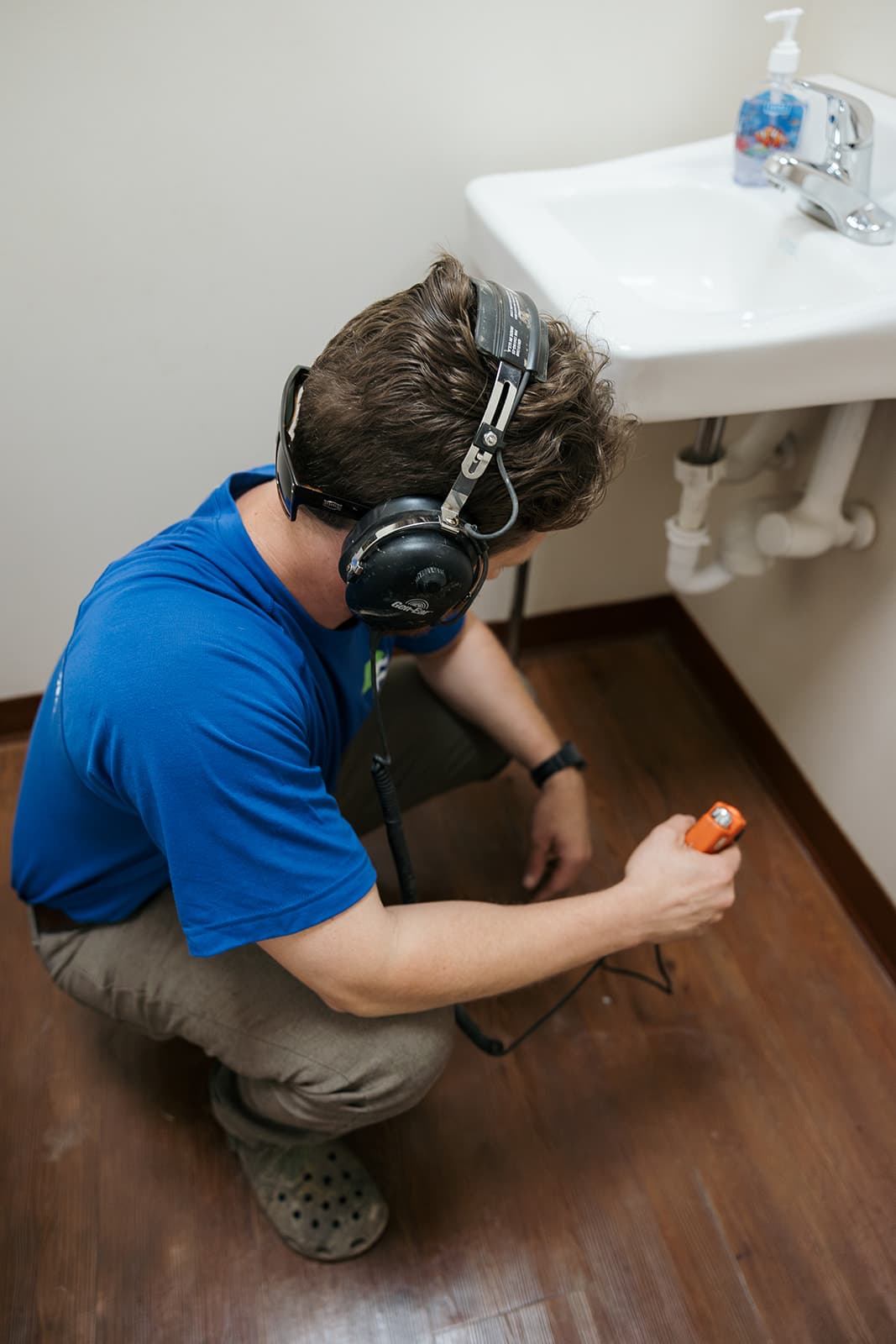
Electronic leak detectors use sound waves to identify water movement inside pipes. These devices can hear water escaping through tiny cracks that human ears cannot detect.
Pressure testing equipment measures water pressure changes in the plumbing system. When pressure drops unexpectedly, it signals a leak somewhere in the line.
Moisture meters detect water buildup behind walls and under flooring. These tools measure humidity levels that indicate hidden pipe leaks before visible damage appears.
Electromagnetic pipeline locators map out pipe locations underground or inside walls. This technology helps plumbers know exactly where to focus their search efforts.
Camera inspections, acoustic sensors, and thermal imaging
Video pipe inspection involves inserting tiny waterproof cameras into pipes and drains. The camera sends live footage to a monitor, showing cracks, blockages, or joint failures.
These cameras can travel through pipes as small as two inches in diameter. They provide clear images of pipe conditions without any digging or demolition work.
Acoustic sensors detect the specific sound frequencies that water leaks create. Different types of leaks produce different sound patterns that trained technicians can identify.
Ground microphones can hear underground water leaks through concrete and soil. The equipment filters out background noise to focus on leak sounds.
Thermal imaging cameras detect temperature differences caused by water leaks. Escaping water creates hot or cold spots that show up clearly on thermal images.
This technology works especially well for finding leaks behind walls or under concrete slabs. Temperature variations reveal the exact location of hidden pipe leaks.
How accurate detection prevents unnecessary repairs
Precise leak detection saves property owners money by targeting only the affected areas. Traditional methods often required extensive excavation to locate problems.
Modern technology pinpoints leak locations within inches of their actual position. This accuracy means smaller repair areas and less property damage during fixes.
Targeted repairs reduce labor costs and material waste. Plumbers can access the exact problem spot without disturbing surrounding areas unnecessarily.
Early detection prevents minor leaks from becoming major problems. Small issues caught quickly require simpler and cheaper repairs than extensive water damage.
Accurate detection also prevents false repairs where plumbers fix the wrong section of pipe. This eliminates the need for multiple service calls and additional repair costs.
Property owners avoid replacing entire pipe sections when only small areas need attention. Professional detection identifies exactly which parts require repair work.
Types of leaks professional plumbers can locate
Professional plumbers can find leaks in places homeowners never think to check. These hidden leaks often cause the most damage because they go undetected for weeks or months.
Slab leaks that damage your home's foundation
Slab leaks happen when water pipes under concrete floors break or crack. These leaks are some of the hardest to find without special tools.
Water from slab leaks can damage a home's foundation over time. The concrete may crack or shift when water weakens the ground underneath.
Common signs of slab leaks include:
- Hot spots on floors
- High water bills with no clear cause
- Sound of running water when all faucets are off
- Cracks in walls or floors
Professional plumbers use slab leak detection equipment to find these problems. They use electronic listening devices to hear water moving under concrete. Some plumbers also use ground-penetrating radar to see pipes through the slab.
Finding slab leaks early saves homeowners thousands in foundation repairs. Most slab leaks start small but get worse quickly without professional help.
Underground pipe leaks that go unnoticed for months
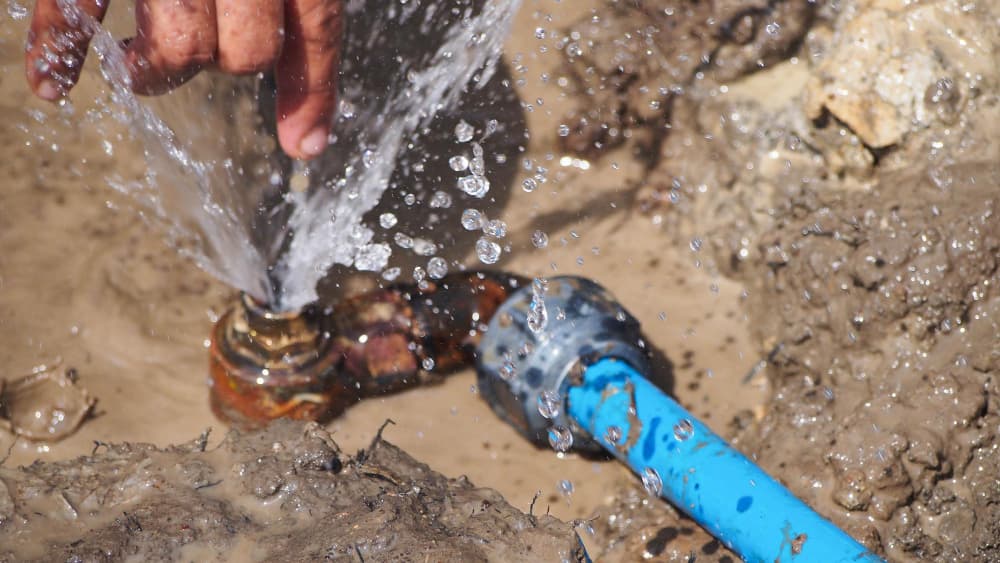
Underground pipe leaks are hard to spot because they happen below ground level. Water may leak for months before homeowners notice any signs.
These leaks waste huge amounts of water. A small underground leak can add hundreds of dollars to monthly water bills.
Signs of underground pipe leaks:
- Wet spots in the yard that never dry
- Drop in water pressure throughout the house
- Soggy ground near the water meter
- Unusually green patches of grass
Professional plumbers use pressure testing to find underground leaks. They pump water through the pipes at high pressure to see where it escapes. Some also use video cameras to look inside pipes for cracks or breaks.
Underground leaks can wash away soil around a home's foundation. This makes the ground unstable and can cause serious structural problems.
Leaks inside walls or ceilings that cause costly structural issues
Wall and ceiling leaks often start behind drywall where no one can see them. By the time homeowners notice water stains, the damage may already be severe.
These hidden leaks can rot wood framing and grow dangerous mold. The moisture weakens drywall and insulation inside walls.
Warning signs include:
- Brown or yellow stains on walls or ceilings
- Peeling paint or wallpaper
- Musty smells in certain rooms
- Soft or spongy spots on walls
Professional plumbers use thermal imaging cameras to find these leaks. The cameras show temperature differences where water has made materials cold and wet.
Some plumbers use moisture meters to test wall materials for hidden water. They can also use small cameras on flexible cables to look inside walls without cutting large holes.
Quick detection prevents mold growth and saves the wooden structure of homes. Most wall leaks require professional repair because of the damage they cause to building materials.
The benefits of early leak detection for homeowners
Early leak detection saves homeowners money through reduced repair costs and lower water bills. It also protects families from health risks and prevents major property damage that can harm a home's value.
Lower repair costs and water bills
Small leaks cost much less to fix than major water damage repairs. A minor pipe leak might cost $150 to repair, but water damage from that same leak can cost thousands of dollars.
Early detection prevents costly secondary damage. Water that seeps into walls, floors, or foundations creates expensive problems like:
- Structural repairs: $2,000-$10,000 for foundation damage
- Flooring replacement: $1,500-$4,500 for hardwood or tile
- Wall reconstruction: $500-$2,000 per damaged wall
- Mold remediation: $1,500-$9,000 depending on affected area
Hidden leaks waste significant amounts of water. A small drip can waste over 3,000 gallons per year. This adds $35 or more to monthly water bills.
Professional leak detection typically costs $200-$500. This investment prevents repair bills that often exceed $5,000 when leaks go undetected.
Improved home safety and property protection
Water leaks create serious health and safety risks for families. Moisture buildup leads to mold growth within 24-48 hours of water exposure.
Health risks from untreated leaks include:
- Respiratory problems from mold spores
- Allergic reactions and asthma triggers
- Bacterial infections from contaminated water
Electrical hazards increase when water reaches outlets, wiring, or appliances. This creates risks of electrical fires or dangerous shocks.
Structural damage weakens a home's foundation and support systems. Water softens wooden beams and corrodes metal supports. This makes the home unsafe for occupants.
Early detection protects property values. Homes with documented water damage sell for 10-15% less than comparable properties without damage history.
Preserving your plumbing system's longevity
Regular leak detection extends the life of plumbing systems by 5-10 years. Early fixes prevent small problems from damaging connected pipes and fixtures.
Water pressure drops when leaks develop in the system. This forces other components to work harder, causing premature wear. Fixing leaks early maintains proper pressure throughout the home.
Key plumbing components protected by early detection:
- Water heaters last 8-12 years instead of 6-8 years
- Pipe joints avoid stress fractures
- Fixture seals remain intact longer
- Pump systems maintain efficiency
Preventive detection costs less than emergency repairs. Scheduled inspections catch problems during normal business hours when repair rates are lower.
Professional detection equipment finds leaks homeowners cannot see or hear. This includes leaks inside walls, under concrete slabs, or in underground pipes that would otherwise cause major damage before discovery.
Conclusion
Professional leak detection services protect homes and businesses from water damage. These companies use advanced tools to find leaks quickly and accurately.
Property owners should choose experienced companies with modern equipment. The best services offer both detection and repair solutions.
Regular inspections help catch problems before they become expensive. Professional services can detect leaks that homeowners might miss.
Quick action saves money in the long run. Water damage gets worse over time and costs more to fix.
Licensed professionals have the right tools and training. They can find leaks in walls, under floors, and in hard-to-reach places.
Smart property owners invest in leak detection before problems start. This approach prevents major damage and expensive repairs.
Professional leak detection gives peace of mind. Property owners know their buildings are safe from hidden water damage.
Schedule a professional leak detection inspection today to pinpoint hidden leaks and prevent costly water damage to your home.