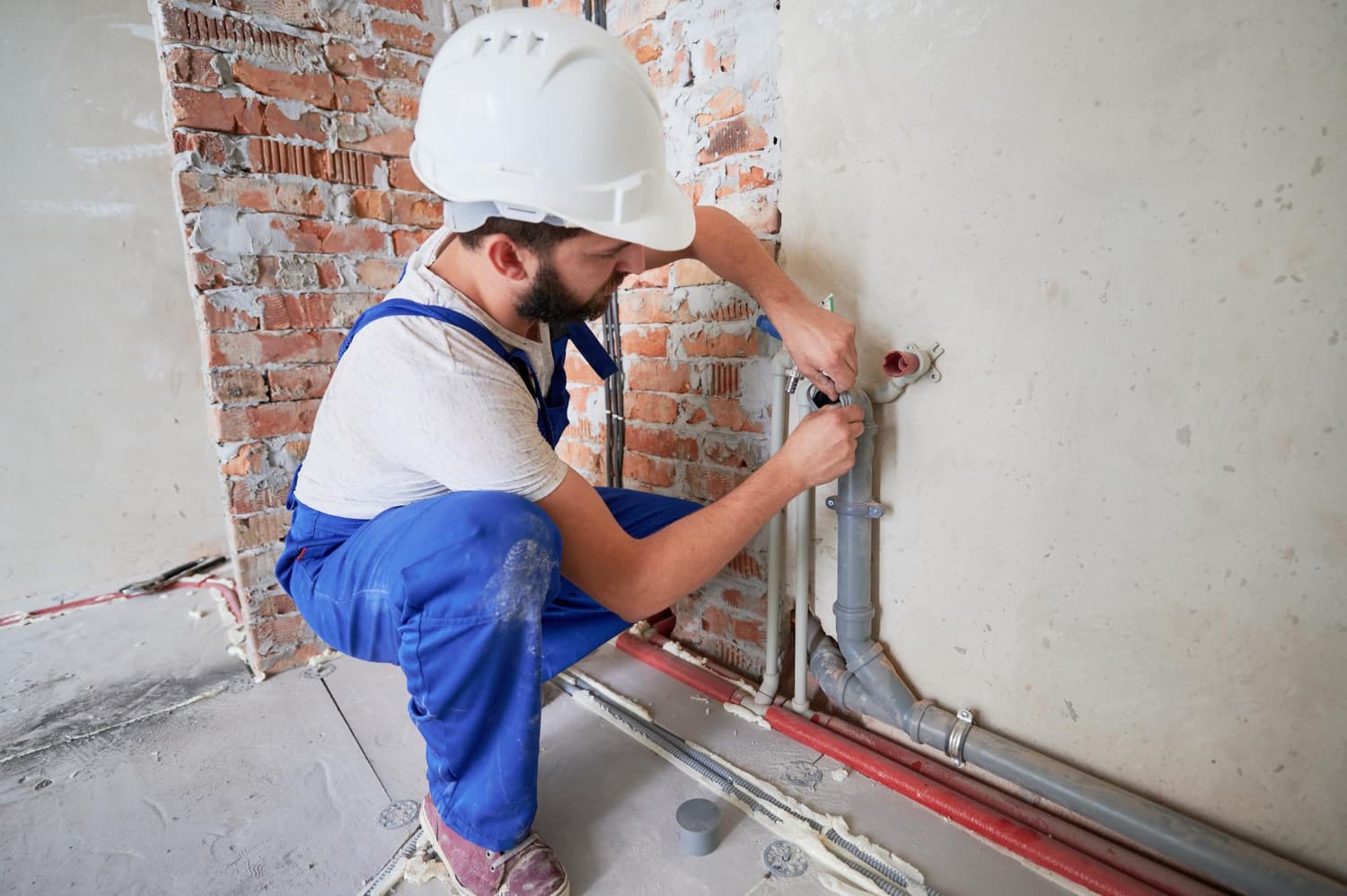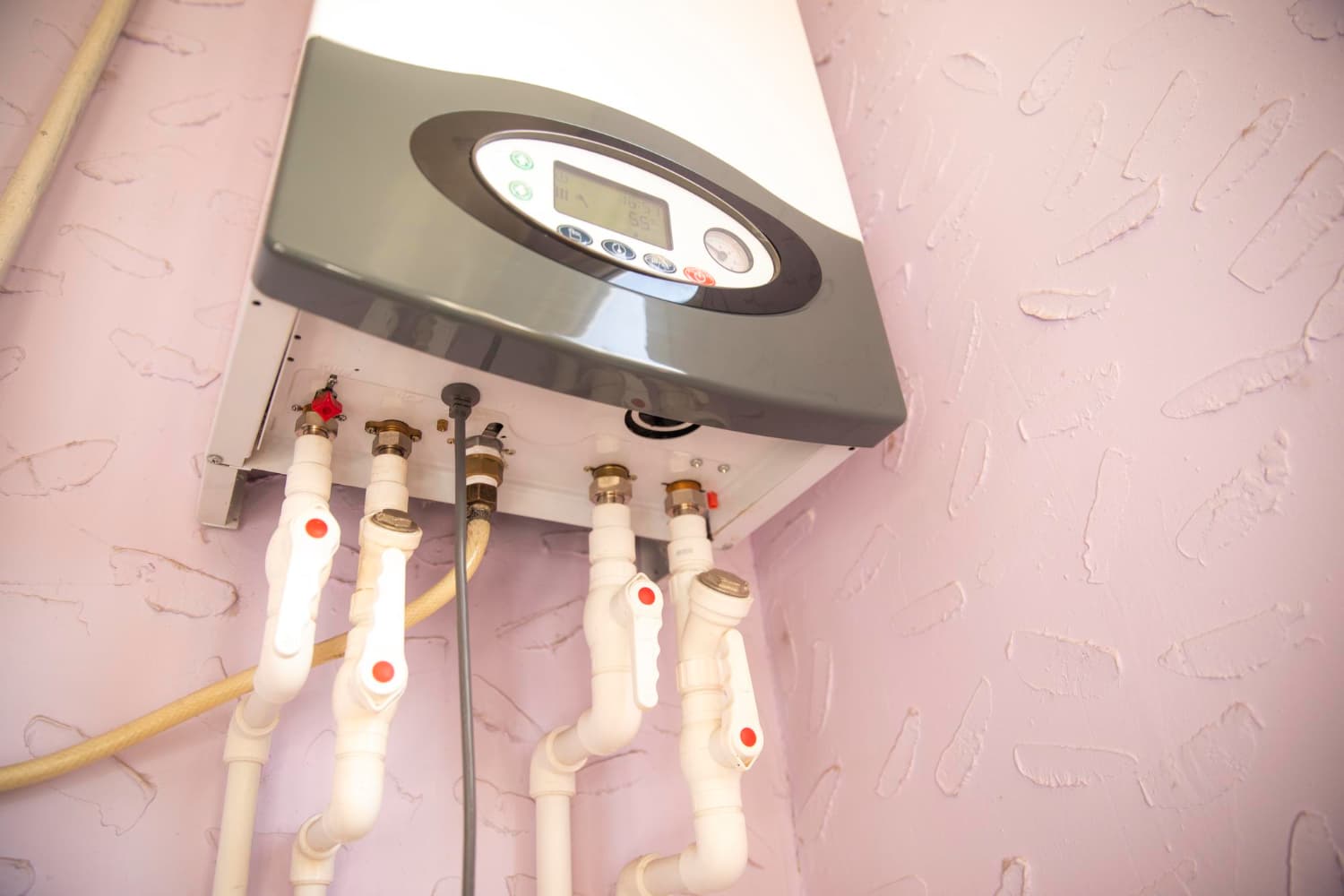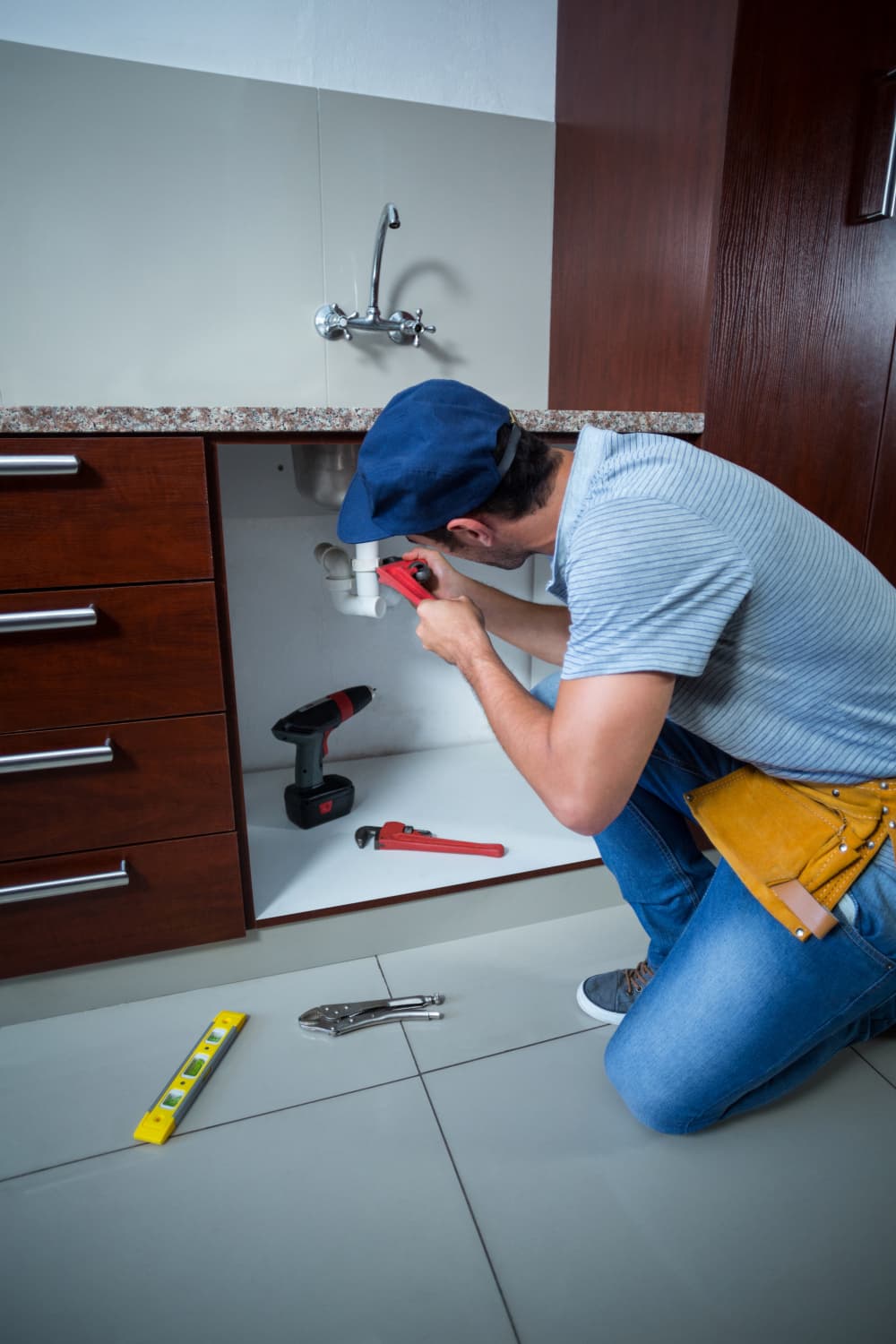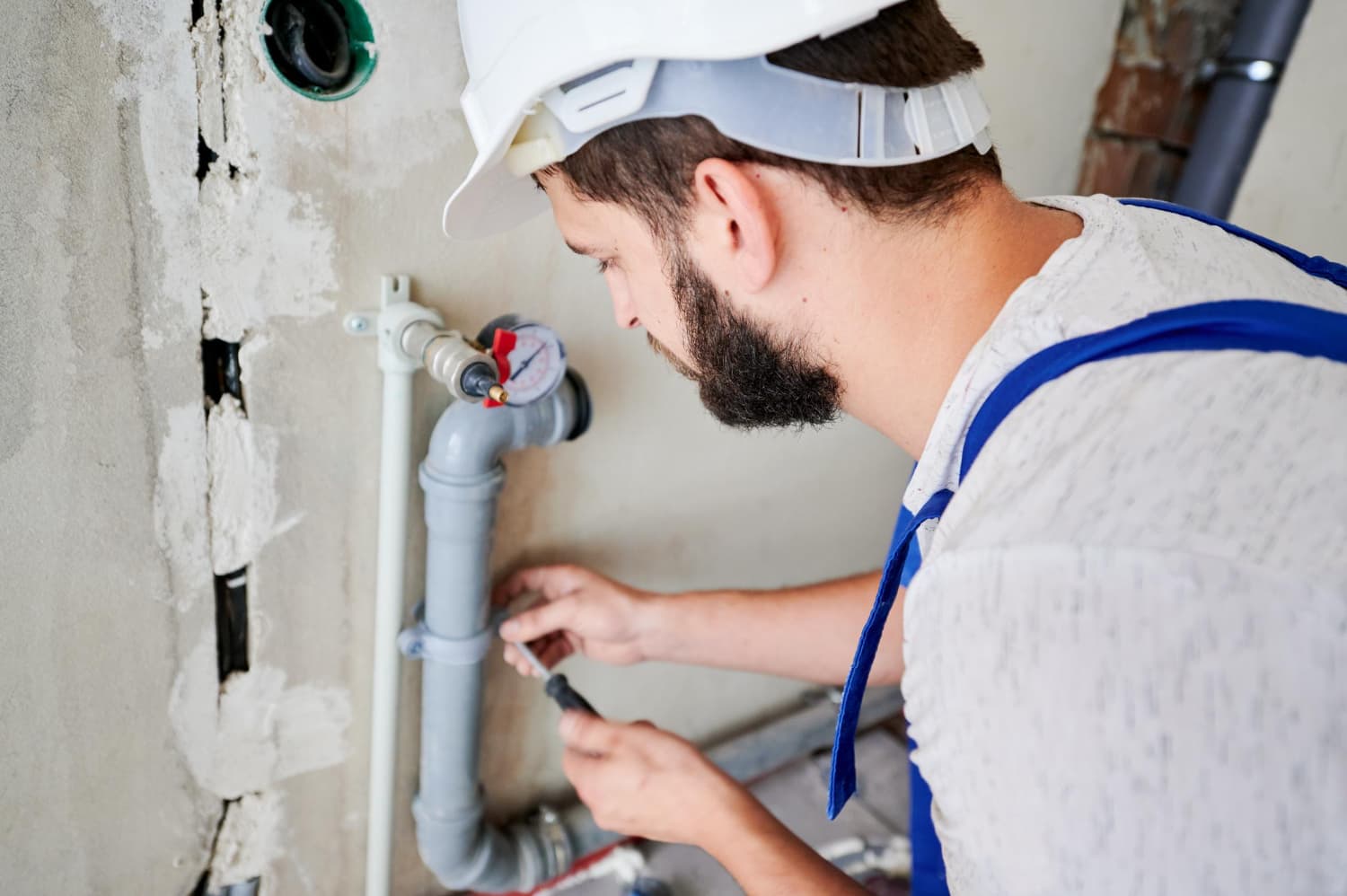
A broken water line is a serious problem that can cause water damage to your home, increase your water bills, and leave you without clean water. When a water supply line breaks, you need to shut off your main water valve immediately and call a professional plumber to assess and repair the damage. The break can happen underground, inside your walls, or anywhere along your supply system.
Knowing what causes water lines to break helps you understand the risks to your home. Many factors can damage your pipes, from freezing temperatures to old age and ground shifting. These issues can develop slowly over time or happen suddenly without warning.
This guide will help you recognize the signs of a broken water line before major damage occurs. You'll learn what causes these breaks, how to spot them early, and what steps to take for repairs. You'll also discover ways to protect your pipes and prevent future problems.
Here's what you need to know:
- Broken water line
- Common causes of broken water lines
- How to identify a broken water line
- Repairing a broken water line
- Preventing future water line breaks
Keep reading to learn how to act fast, make the right repair decision, and protect your home's plumbing from a broken water line.
Broken water line
A broken water line happens when a pipe carrying water to your home cracks, ruptures, or bursts completely. This can occur in the main line from the street to your house or in smaller supply lines within your property.
Common causes include:
- Freezing temperatures that cause pipes to expand and crack
- Age and corrosion wearing down pipe materials
- Shifting soil or ground movement
- Tree roots growing into underground pipes
- Excessive water pressure
When a water line burst occurs, you'll notice several warning signs. Your water pressure may drop suddenly or stop completely. You might see puddles forming in your yard or hear water running when all fixtures are off.
Key indicators of damage include weak flow or no water from faucets, soggy areas in the yard or water pooling, running water noise with nothing on, unexplained increases in your water bill, and brown or rusty water from taps.
The location of the break determines who handles repairs. If the break happens between the street and your property line, the water company typically takes responsibility. Breaks on your property fall under your responsibility as the homeowner.
Time matters when dealing with a broken water line. Water damage spreads quickly and can affect your foundation, landscaping, and indoor spaces. Contact a licensed plumber immediately when you suspect a break.
Common causes of broken water lines
Water lines break due to several key factors including extreme cold, aging materials, excessive pressure, and soil movement. Understanding these causes helps you spot problems early and take action before major damage occurs.
Freezing and cold weather
Water expands when it freezes, creating pressure inside your pipes. This pressure can cause pipes to crack or burst, especially in unheated areas like basements, crawl spaces, and exterior walls.
Pipes made of copper, PVC, or galvanized steel are all at risk during freezing temperatures. The most vulnerable spots are pipes close to outside walls, outdoor faucets, and water supply lines in uninsulated spaces.
You can protect your pipes by keeping your home heated to at least 55 degrees Fahrenheit, even when you're away. Let faucets drip slightly during extreme cold, and add insulation to exposed pipes. For fast help when temperatures drop suddenly, frozen pipes emergency repair is one of the most time-sensitive services a plumber can provide. Disconnect garden hoses before winter and drain outdoor spigots completely.
Corrosion and old pipes
Pipes corrode over time as minerals in your water break down metal and plastic materials. This process happens faster in older homes with galvanized steel or iron pipes that may have been installed 50 or more years ago.
The corrosion creates weak spots, pinholes, and eventually leaks. Hard water with high mineral content speeds up this breakdown. You might notice discolored water, reduced flow, or visible corrosion on exposed pipes.
Homes built before 1970 often have aging water lines that need attention. Once corrosion starts, it spreads and affects more of your system. Regular inspections help catch these issues before pipes fail completely.
High water pressure
Water pressure above 60 psi puts stress on your pipes and connections. This constant force weakens pipe walls and can cause sudden bursts or slow leaks over time.
High pressure also damages fixtures, appliances, and water heaters. You might hear banging sounds in your walls when you turn off faucets quickly, which indicates pressure problems.
According to EPA WaterSense, water-using fixtures perform best and last longer when incoming water pressure stays between 45 and 60 psi. Exceeding that range consistently shortens pipe and fixture lifespan and is one of the leading causes of hidden leaks. You can check your water pressure with a simple gauge attached to an outdoor faucet. If readings exceed 60 psi, installing a pressure regulator to protect your system is the right next step.
Ground movement and shifting
Soil shifts naturally due to settling, erosion, and changes in moisture levels. This movement puts strain on underground water lines, causing them to crack or separate at joints and valves.
Heavy rain, flooding, and earthquakes create sudden ground displacement that can rupture pipes instantly. Tree roots also contribute by growing into small cracks as they search for moisture, then expanding and breaking the pipe apart.
Construction work near your property and vibrations from heavy traffic can gradually shift the ground around your water lines. Clay soil poses particular risk because it expands when wet and contracts when dry, creating constant pressure changes on buried pipes.
How to identify a broken water line
A broken water line shows clear warning signs if you know what to look for, from wet spots around your property to changes in your water pressure. Recognizing these indicators early helps you avoid extensive damage and expensive repairs.
Signs of leaks or water damage
Water stains on your walls or ceilings are often the first visible sign of a leaking water line. These stains typically appear as brown, yellow, or dark spots that grow larger over time. You might also notice peeling paint or wallpaper near the affected area.
Pooling water or soggy patches in your yard are another major indicator. If you see wet ground when it hasn't rained, or if water bubbles up near the street, you likely have a broken main water line.
Indoor signs include warped or buckling floors, mold or mildew growth, musty odors in walls or basements, and visible water pooling under sinks or near fixtures.
Check your water meter when all faucets are off. If the meter continues to run, you have a hidden water leak somewhere in your system. Your water bill may also spike unexpectedly without any change in your normal usage.
Low water pressure issues
A sudden drop in water pressure throughout your home often signals a broken water line. When water escapes through a crack or rupture, less pressure reaches your faucets and fixtures. You'll notice weaker flow from showers, sinks, and outdoor spigots.
The pressure loss may affect your entire house or just specific areas. If only one faucet has low pressure, the problem is likely in that fixture. When multiple fixtures show reduced flow at the same time, your main water line is probably damaged.
Pay attention to whether the pressure changes during certain times of day. Fluctuating pressure combined with other symptoms points to a leaking water line rather than normal municipal water system variations.
Unusual noises in pipes
Hissing or whistling sounds coming from your walls indicate water escaping under pressure from a damaged line. These noises may be constant or occur only when you run water elsewhere in your home. The sound typically comes from the area closest to the leak.
Banging or clanking in your pipes can also signal problems. While sometimes caused by loose pipes, these noises combined with other symptoms suggest a break in your water line. Listen for gurgling sounds in drains, which can mean air is entering through a crack.
You might hear running water when no fixtures are in use. This persistent sound means water is flowing somewhere it shouldn't be, likely through a broken section of pipe. A professional leak detection service can pinpoint the source quickly without opening walls or digging unnecessarily.
Repairing a broken water line
Fixing a damaged water line requires quick action and the right approach. You need to shut off your water supply first, then decide between a temporary patch or permanent repair based on the damage severity.
Shutting off the main water supply
Turn off your main water valve immediately when you suspect a broken water line. This valve is usually located near your water meter, in your basement, or where the main line enters your house. Turn the valve clockwise until it stops completely.
Shutting off the water prevents additional flooding and reduces water damage to your property. It also stops water from flowing through the damaged pipe, which makes the repair process safer and easier.
Once you turn off the main valve, open all faucets in your home to drain remaining water from the pipes. This step reduces pressure in the system and helps you work on the broken section more effectively. For guidance on what to do in those first critical minutes, our plumbing emergency guide covers the immediate steps to minimize damage.
Temporary fixes and patching
Pipe repair clamps work well for small cracks and leaks as a short-term solution. You simply position the rubber-lined clamp over the damaged area and tighten the screws until it creates a watertight seal.
Epoxy putty offers another quick fix for minor breaks. Knead the putty until it becomes warm and pliable, then press it firmly over the crack or hole. Let it cure for the time specified on the package before turning your water back on.
Pipe repair tape provides a temporary seal for hairline cracks. Wrap the self-fusing silicone tape tightly around the damaged section, overlapping each layer by half the tape width. These fixes only last temporarily and you should plan for a permanent water pipe repair soon.
Full replacement options
Water line replacement becomes necessary when pipes show extensive corrosion, multiple breaks, or significant age-related damage. Replacing the entire line costs more upfront but prevents repeated repairs and future problems.
Traditional replacement involves digging a trench to access and remove the old pipe. Workers then install new pipes made from durable materials like copper, PEX, or HDPE. This method works best when you need to reroute the line or upgrade to larger pipes.
Trenchless pipe replacement offers a less invasive alternative. Technicians pull new pipes through the existing damaged line or use pipe bursting to break the old pipe while simultaneously installing the new one. This approach saves money on excavation and lawn restoration.
Hiring a professional plumber
Licensed plumbers have the tools and expertise to diagnose the exact location and extent of water line damage. They use specialized equipment like pressure tests and pipe camera inspections to find breaks that aren't visible from the surface.
Professional pipe repair services come with warranties that protect your investment. Most plumbers guarantee their work for at least one year, and some offer longer warranties on parts and labor.
Complex repairs require permits and must meet local building codes. Professional plumbers handle all permit applications and ensure the work passes inspection. They also coordinate with your water utility company when needed to shut off service at the street level for major repairs.
Preventing future water line breaks
Taking proactive steps can protect your plumbing system from costly breaks and water damage. A combination of routine inspections, weatherproofing, and pressure management keeps your water lines functioning properly year-round.
Regular maintenance checks
According to the U.S. Environmental Protection Agency, inspecting home plumbing regularly and addressing small leaks quickly prevents larger, more costly failures down the line. Even a slow drip from a worn fitting can waste thousands of gallons before it becomes visible. You should inspect your water lines at least once per year to catch problems early. Look for signs of corrosion, mineral buildup, or small leaks around exposed pipes in your basement, crawl space, and yard.
Professional plumbers can perform camera inspections to examine underground pipes without digging. These inspections reveal cracks, root intrusion, and pipe deterioration before they become major breaks. Keep trees and large shrubs at least 10 feet away from your water lines to prevent root intrusion.
Insulating pipes in cold weather
Frozen pipes are a leading cause of water line breaks during winter months. When water freezes, it expands and creates pressure that can crack or burst pipes. You need to insulate any exposed pipes in unheated areas like basements, attics, garages, and crawl spaces.
Use foam pipe sleeves or fiberglass insulation wrap on vulnerable pipes. Pay special attention to pipes along exterior walls or in areas where cold air can enter through gaps. During extreme cold snaps, let faucets drip slightly to keep water moving through the pipes.
Disconnect and drain outdoor hoses before the first freeze. Turn off water to exterior faucets and install insulated faucet covers for added protection.
Monitor water pressure
High water pressure puts constant stress on your pipes and can lead to breaks over time. According to EPA WaterSense specifications for new homes, static service pressure in residential installations should not exceed 60 psi, with a pressure-regulating valve installed downstream of the water meter to maintain that standard. Most homes should maintain water pressure between 40 and 60 psi. Install a pressure regulator if your water pressure consistently exceeds 80 psi. These devices protect your entire plumbing system by maintaining safe pressure levels.
Listen for banging or hammering sounds in your pipes when you turn off faucets quickly. This water hammer effect indicates pressure problems that need attention before they cause a line to fail.
A broken water line requires quick action to prevent damage to your home. You need to shut off your main water supply right away and contact a professional plumber. These steps help protect your property and keep your family safe.
Watch for warning signs like wet spots in your yard, low water pressure, or unexpectedly high water bills. Early detection saves you money and prevents major repairs. You should also report breaks in the main water line to your local utility company through their hotline or online tools.
Prevention matters too. Routine plumbing maintenance and inspections of your water lines catch problems before they become emergencies. You should also protect pipes from freezing during winter months.
Water line repairs work well for newer pipes, but repeated fixes often cost more than replacement. If your whole system is aging, consider residential repiping before the next failure. Your plumber can help you decide between repair and replacement based on the pipe's age and condition.
Contact Dr. Rooter Lexington for a professional assessment, whether you're dealing with an active break or want to get ahead of aging pipes before they fail.