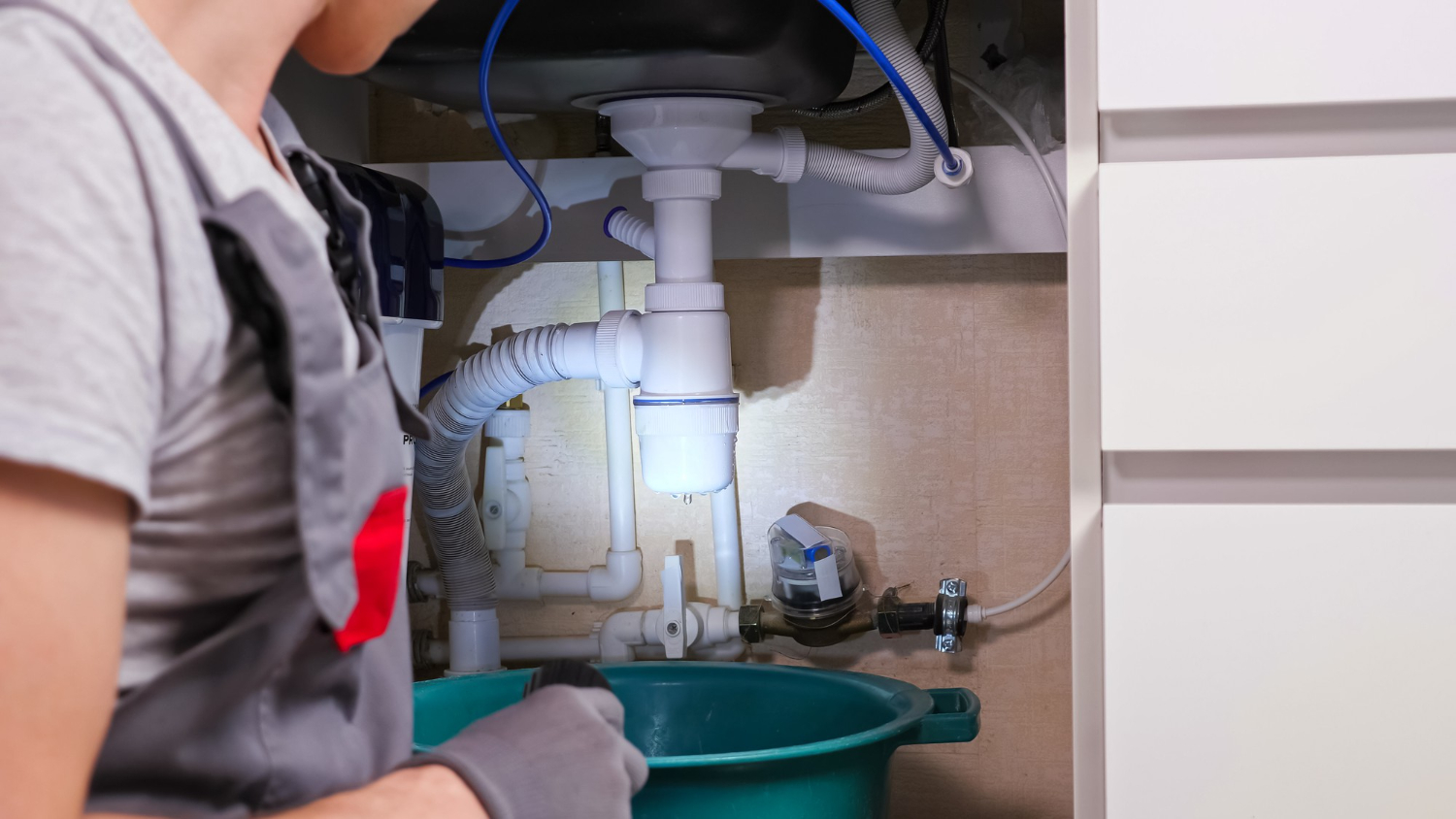
Noisy water pipes are more than just an annoyance. They can wake you up at night, interrupt conversations, and make you wonder if something is seriously wrong with your home's plumbing. The good news is that most pipe noises have identifiable causes and straightforward solutions.
Noisy water pipes are typically caused by high water pressure, sudden changes in water flow, loose pipes, or worn-out valve parts. Banging sounds often point to water hammer, while whistling or squealing usually means high pressure or a worn valve washer.
Some fixes are simple enough for homeowners to handle, while others require professional help to prevent bigger issues down the road. This guide walks through the different sounds pipes make and what they mean. It covers the main causes of noisy pipes, how plumbers find the source of the problem, and what solutions work best.
Here’s what you’ll find below:
Keep reading! Understanding the type of noise your pipes make helps pinpoint the problem.
Water pipes make noise when pressure changes suddenly, pipes shake from poor support, or flow gets disrupted inside the plumbing system. These sounds signal issues that range from simple fixes to problems needing immediate attention.
Water hammer creates loud banging sounds when water flow stops suddenly. This happens when someone closes a faucet or valve quickly, causing the moving water to slam against the closed valve. The force sends shockwaves through the pipes, making them bang against walls or supports.
High water pressure causes multiple types of noise. When household pressure exceeds normal levels, water moves faster through pipes and creates whistling or humming sounds. The increased velocity makes existing problems worse and puts extra stress on the entire system.
Residential plumbing systems are designed to operate safely within a specific pressure range, and pressure above that threshold increases pipe noise and damage risk; according to the U.S. Environmental Protection Agency (EPA), household water pressure should generally remain below 80 psi to protect plumbing systems and fixtures.
Fast-closing valves trigger pressure spikes throughout the plumbing. Dishwashers and washing machines often cause these noises because their automatic valves shut off water instantly. The sudden pressure change has nowhere to go, so it bounces back through the pipes as vibrations and knocking sounds.
Sudden valve shutoff is a well-documented cause of water hammer, and federal energy guidance notes that fast-closing appliances like dishwashers and washing machines can create damaging pressure spikes unless mitigation devices are installed; per the U.S. Department of Energy (DOE), water hammer arrestors are an effective method for absorbing these pressure surges.
Loose pipe clamps allow pipes to move when water flows through them. These metal or plastic supports should hold pipes firmly against walls or floor joists. When they loosen over time, pipes vibrate and rattle against nearby surfaces.
Unsecured pipes shake more violently with each pressure change. A pipe without proper support can move several inches when water starts or stops flowing. This movement creates rattling, banging, or tapping sounds that get worse with higher water pressure.
The distance between supports affects how much pipes vibrate. Pipes need clamps every few feet to stay stable. Long sections without support bounce and shake more than properly secured pipes.
Continued vibration damages pipe joints and connections. The constant movement loosens threaded fittings and weakens soldered joints. These worn connections eventually develop leaks that damage walls, floors, and ceilings.
High pressure that causes noise also shortens the life of fixtures and appliances. Faucets, valves, and washing machine hoses wear out faster when pressure exceeds recommended levels. The extra force strains seals and gaskets until they fail.
Banging pipes can crack or burst at weak points. Repeated pressure shocks stress the pipe material itself. Older pipes or those with existing weakness may develop cracks that lead to water damage.
Water pipes produce distinct sounds that signal specific plumbing problems. Each type of noise points to a different issue, from pressure problems to loose hardware.
Water hammer creates loud plumbing noises that sound like someone hitting pipes with a hammer. This happens when water flowing through pipes stops suddenly, causing a pressure wave that slams into valve walls and pipe fittings.
The problem typically occurs when someone quickly shuts off a faucet or an appliance like a washing machine or dishwasher completes its cycle. The sudden stop forces the moving water to change direction abruptly. This creates a shock wave that travels back through the pipes.
Water hammer can damage pipes, joints, and fixtures over time if left unaddressed. The repeated banging loosens connections and can eventually cause leaks. Homeowners can fix this issue by installing water hammer arrestors, which absorb the shock wave, or by reducing water pressure to below 80 psi.
Rattling pipes occur when the straps or hangers holding pipes in place become loose or worn. Pipes need secure mounting to walls and floor joists to stay quiet during water flow.
When fasteners loosen, pipes vibrate and move freely as water rushes through them. The movement causes the pipes to knock against nearby surfaces like walls, studs, or other pipes. This creates a rattling or banging sound that becomes louder with increased water pressure or flow.
The fix involves locating the loose pipes and securing them properly. Adding new pipe straps or cushioned clamps stops the movement. Foam pipe insulation can also reduce noise by creating a buffer between pipes and hard surfaces.
Whistling sounds in pipes usually mean water is being forced through a restricted opening. This happens when water pressure exceeds safe levels or when valve components wear down over time.
High water pressure above 80 psi forces water through small openings at high speed, creating a whistling noise. Worn washers, damaged valve seats, or partially closed shut-off valves also restrict water flow and produce this sound.
A pressure-reducing valve can solve issues related to excessive water pressure. Replacing worn valve parts or fully opening partially closed valves eliminates the restriction. Sometimes sediment buildup narrows pipes, which also requires cleaning or replacement.
A humming sound indicates pipes are vibrating at a steady frequency. This happens when water pressure causes unsecured pipes to resonate against surrounding materials.
The vibration can travel through walls and floors, making it difficult to locate the source. The sound resembles an electrical hum and may change pitch when water flow increases or decreases. Pipes touching other pipes, walls, or structural elements amplify the noise.
Securing loose pipes with proper mounting hardware stops the vibration. Installing rubber or foam padding between pipes and contact points dampens the sound. Adjusting water pressure to recommended levels also reduces the vibration intensity.
Gurgling noises come from drains rather than supply pipes. These sounds indicate air is trapped in the drainage system or vents are blocked.
When water drains slowly and makes gurgling sounds, the drainpipe likely has a partial blockage. Air trapped behind the blockage gets pulled through the standing water, creating bubbles that make noise. Blocked or improperly installed vent pipes also cause gurgling because they prevent air from entering the system to replace draining water.
Clearing drain clogs with a plunger or drain snake often solves the problem. Checking roof vents for blockages from debris, bird nests, or ice ensures proper airflow. Professional plumbers may need to address more serious venting problems or hidden blockages.
Noisy pipes result from specific mechanical and physical problems within a plumbing system. Water movement, pressure changes, mineral deposits, component wear, and installation issues create distinct sounds that signal different underlying causes.
Water hammer creates a loud banging or thudding sound when someone quickly turns off a faucet or valve. The flowing water suddenly stops, but its momentum forces it to slam against the closed valve. This creates a shockwave that travels through the pipes.
The problem happens most often with washing machines, dishwashers, and quick-closing faucets. These fixtures stop water flow almost instantly.
Most homes built before modern plumbing codes lack water hammer arrestors. These devices contain air chambers that absorb the pressure surge. Without them, the full force of the stopped water hits the pipes and creates noise.
High water pressure makes water hammer worse. Pressure above 80 psi increases the force of the impact when water stops flowing.
Hard water leaves calcium and magnesium deposits inside pipes over time. These minerals stick to pipe walls and gradually narrow the opening. Water forced through the restricted space creates a high-pitched whistling or humming sound.
Mineral buildup inside pipes is strongly associated with hard water conditions, and federal geological research confirms that calcium and magnesium deposits reduce internal pipe diameter and disrupt flow; according to the U.S. Geological Survey (USGS), hard water scale commonly accumulates in household plumbing and fixtures over time.
The noise grows louder as deposits thicken. Sections of pipe with the most buildup produce the strongest sounds. Hot water pipes develop buildup faster than cold water lines because heat speeds up mineral deposits.
Whistling often occurs at specific fixtures where buildup is worst. Faucets, showerheads, and valve connections are common trouble spots. The sound changes pitch based on water flow speed and the size of the restricted opening.
Worn valve washers and damaged internal valve components create rattling or vibrating sounds. As washers deteriorate, they no longer seal properly. Water flowing past the loose parts causes them to shake and rattle.
The vibration travels through connected pipes and amplifies the noise. Older valves with corroded parts make more noise than newer ones.
Toilet fill valves are frequent sources of this type of noise. The valve opens and closes repeatedly, wearing down its internal parts faster. A vibrating or humming sound during tank refilling often indicates a failing fill valve.
Shut-off valves under sinks and behind toilets also develop these problems. Partial valve closure while water flows creates especially loud rattling.
Metal pipes expand when hot water flows through them and contract when they cool. This movement creates ticking, clicking, or creaking sounds. The noise is most noticeable when hot water first starts flowing or shortly after it stops.
Pipes secured too tightly against framing cannot move freely. The restricted expansion creates stress and louder sounds. Copper pipes produce more noise from temperature changes than other materials because copper expands and contracts more dramatically.
The sounds occur most often near water heaters and along hot water supply lines. Sections of pipe that run through walls or joists make the most noise because the surrounding structure amplifies the sound.
Loose pipe fasteners let pipes move and vibrate when water flows through them. The pipes knock against walls, floor joists, or other pipes. This creates banging, rattling, or tapping sounds that match water usage patterns.
Pipes need proper support every few feet. Missing or broken pipe hangers allow excessive movement. The problem worsens with high water pressure or quick changes in flow rate.
Old galvanized steel pipes develop rough internal surfaces as they corrode. The roughness disrupts smooth water flow and creates unusual sounds. Aging pipes also develop weak joints that rattle when water flows.
Pipes installed without enough clearance rub against framing or other pipes during normal expansion. The friction creates scraping or knocking sounds during temperature changes.
Plumbers use a range of inspection methods and specialized equipment to identify what causes pipe noise. They test water pressure levels, examine physical components like valves and supports, and use tools that detect vibrations and pressure changes throughout the system.
Plumbers start by measuring water pressure with a pressure gauge attached to a hose bib or washing machine connection. Normal residential water pressure should stay between 40 and 80 psi. When pressure exceeds this range, it creates conditions for water hammer.
Water hammer happens when water flow stops suddenly, creating shockwaves that bang through the pipes. Plumbers turn faucets on and off quickly to reproduce the noise and observe where pressure spikes occur. They also check if the home has air chambers or water hammer arrestors.
These devices absorb pressure surges, but they can fail over time. A plumber will test existing arrestors by shutting off the water supply and draining the system to see if this restores the air cushion. If the banging continues after this test, the arrestors likely need replacement.
A thorough physical inspection reveals loose pipes, worn valve components, and inadequate support systems. Plumbers look for pipes that lack proper fastening to wall studs or floor joists. When water flows through unsecured pipes, they vibrate and knock against nearby surfaces.
The inspection includes checking pipe hangers, clips, and straps. These supports should hold pipes firmly without allowing movement. Plumbers test this by running water and feeling for vibrations along exposed pipe runs.
Valve inspection focuses on washers, seals, and internal mechanisms. Worn washers can chatter when partially open, creating a rapid tapping sound. Plumbers open and close valves while listening for unusual sounds that indicate internal damage or loose parts. They pay special attention to the main shutoff valve, fixture shutoff valves, and any pressure-reducing valves in the system.
Mineral deposits and rust narrow pipe openings, which increases water velocity and turbulence. Plumbers drain sections of the system and remove aerators from faucets to examine sediment levels. Heavy buildup appears as white, brown, or green deposits.
They inspect the water heater for sediment accumulation at the bottom of the tank. This sediment creates popping or rumbling sounds when the heater runs. A plumber will drain a sample from the tank's drain valve to assess how much sediment has collected.
Galvanized steel pipes are especially prone to corrosion that restricts flow. Plumbers look for discolored water, which signals pipe deterioration. They may cut into a small section of pipe to evaluate the interior condition and remaining pipe diameter.
Professional plumbers use acoustic listening devices that amplify sounds within walls and floors. These tools help locate the exact pipe section causing noise without opening up multiple access points. The device picks up vibrations and converts them into audio signals.
Pipe locators with electronic sensors trace pipe routes behind finished surfaces. This technology shows pipe depth and direction, which helps plumbers understand the layout before making repairs. Some advanced systems combine acoustic detection with thermal imaging.
Pressure gauges with data logging capabilities record pressure fluctuations over time. These devices capture pressure spikes that occur during normal water use throughout the day. The logged data reveals patterns that point to specific fixtures or appliances causing pressure problems.
Fixing noisy water pipes requires addressing the root cause, whether it's sudden pressure changes, loose components, or worn-out parts. The following methods target the most common issues that create banging, rattling, and other disruptive sounds in plumbing systems.
Water hammer arrestors stop the loud banging noise that occurs when water flow suddenly stops. These devices contain air chambers or spring-loaded shock absorbers that cushion the pressure surge when valves close quickly.
A homeowner can install arrestors near appliances that cause the most noise, such as washing machines and dishwashers. They attach directly to the water supply lines using compression fittings or threaded connections. Most hardware stores carry arrestors in different sizes to match standard pipe dimensions.
Professional installation takes about 30 minutes per location. For homes with water hammer throughout the system, installing arrestors at multiple points provides the best results. This water hammer repair method works immediately and requires no maintenance once installed.
Loose pipes create rattling and banging sounds when water flows through them. The vibration happens because pipes move against wall studs, floor joists, or other surfaces.
Homeowners can secure pipes using:
The supports should be placed every 6-8 feet along horizontal runs and every 8-10 feet on vertical pipes. Adding cushioning material between the pipe and the support prevents metal-on-metal contact. Copper pipes need special attention because they expand and contract with temperature changes.
High water pressure causes pipes to shake and creates the conditions for water hammer. Most homes function best with water pressure between 50-60 psi.
A pressure gauge attached to an outdoor faucet measures the current level. If the reading exceeds 80 psi, a pressure-reducing valve needs adjustment or installation. These valves attach to the main water line where it enters the house.
A plumber typically installs a pressure-reducing valve on the main line after the water meter. The homeowner can adjust the valve later if needed by turning a screw on top of the device. Lower pressure also extends the life of fixtures and reduces water waste.
Old valves and fixtures develop defects that cause whistling, squealing, or chattering sounds. Worn washers, damaged valve seats, and corroded components restrict water flow and create turbulence.
Faucets that make noise when partially open usually need new internal parts. Toilet fill valves that whistle require replacement of the entire valve assembly. Washing machine valves that bang need new gaskets or complete valve replacement.
Most fixture repairs cost between $50-150 for parts and labor. A homeowner with basic plumbing skills can replace many valves themselves using standard tools. The noise stops immediately after installing new components.
Mineral deposits and sediment accumulate inside pipes over time. This buildup restricts water flow and causes whistling or humming sounds as water passes through narrow spaces.
The flushing process involves closing the main water valve and opening all faucets to drain the system. Once empty, the homeowner closes all faucets and slowly reopens the main valve. Water flowing through the pipes at full force removes loose debris.
Hot water heaters also need periodic flushing to remove sediment from the tank bottom. This task should happen annually in areas with hard water. The process takes 30-60 minutes and can eliminate many noise issues caused by restricted flow.
Some water pipe noises point to minor issues that homeowners can fix quickly, but others signal damage that requires immediate attention. Persistent banging, sounds paired with leaks, aging metal pipes, and noises from drain lines often mean a noisy plumbing system has developed problems that will worsen without professional repair.
Loud banging sounds that happen every time water turns on or off usually mean pipes are loose and moving inside walls or ceilings. This movement happens when water pressure changes quickly and unsecured pipes knock against wooden studs or other pipes.
Over time, the repeated impacts can damage pipe joints and connections. The constant stress may cause small cracks to form at weak points. These cracks can eventually lead to leaks inside walls where water damage goes unnoticed for weeks or months.
Loose pipes also put strain on their mounting brackets and hangers. When these supports fail completely, pipes can drop or shift position. This creates even more stress on the connections and increases the risk of a sudden pipe burst.
A professional plumber needs to secure loose pipes properly with new mounting hardware. Ignoring repeated banging often leads to expensive water damage repairs later.
When water pipe sounds occur alongside visible leaks or weak water flow, the plumbing system likely has significant damage. These combined symptoms point to problems like corroded pipes, failed seals, or internal blockages.
Whistling or squealing noises with low pressure often mean pipes have developed mineral buildup or corrosion inside. The narrow openings force water through smaller spaces, which creates the high-pitched sounds. This same buildup restricts water flow throughout the home.
Gurgling sounds near wet spots on walls or ceilings indicate active leaks. The noise comes from air entering the pipe through cracks or holes. Water escaping through these openings damages surrounding materials and can promote mold growth.
Any combination of unusual sounds and performance problems requires immediate inspection. A plumber can identify whether repairs will fix the issue or if pipes need replacement.
Metal pipes installed more than 50 years ago often produce noises as they deteriorate from age and corrosion. Galvanized steel pipes and old brass fittings are especially prone to internal rust and mineral deposits.
These aging pipes create several distinct sounds:
Corroded pipes cannot be fully restored through repairs. The damage occurs throughout the entire length of the pipe, not just at one spot. Once metal pipes reach this stage, they need complete replacement with modern materials like copper or PEX.
A plumber can assess the condition of old metal pipes and determine if replacement should happen soon or if the system has a few more years of life remaining.
Not all pipe noises come from water supply lines. Gurgling, bubbling, or sucking sounds often originate in drain and sewer pipes instead.
These noises usually indicate a blocked vent pipe or partial clog in the drain line. When water drains slowly and creates gurgling sounds, the pipe cannot move air properly. The negative pressure pulls air through P-traps, which makes the bubbling noise.
Strong sewage odors combined with drain noises suggest a serious blockage or damaged sewer line. Tree roots may have invaded the pipe, or the line may have collapsed from age. These problems require camera inspection to locate and assess the damage.
Multiple drains making noise at the same time points to a main sewer line issue rather than a problem with individual fixtures. A plumber needs to clear the main line or repair damaged sections to restore proper drainage and eliminate the sounds.
Most noisy pipe problems stem from issues like high water pressure, loose mounting hardware, or air trapped in the lines. Homeowners can address these causes with basic tools and a few straightforward steps.
High water pressure is a common cause of banging and rattling pipes. Most homes should maintain water pressure between 40 and 60 psi.
A homeowner can purchase a water pressure gauge from any hardware store for under $15. The gauge threads directly onto an outdoor spigot or washing machine connection. After shutting off all water-using appliances and fixtures, they should attach the gauge and open the valve fully to get an accurate reading.
If the pressure exceeds 80 psi, it needs adjustment. The main water pressure regulator valve is typically located near where the main water line enters the home. Turning the adjustment screw clockwise reduces pressure, while counterclockwise increases it.
Small adjustments make a significant difference. A homeowner should turn the screw in quarter-turn increments and recheck the pressure after each adjustment.
Loose pipes vibrate and bang against walls, studs, or other pipes when water flows through them. This creates rattling or knocking sounds throughout the home.
Exposed pipes in basements, crawl spaces, and under sinks are easy to inspect. A homeowner should look for gaps between pipes and their mounting straps or brackets. These metal or plastic fasteners should hold pipes snugly without allowing movement.
Tightening existing brackets requires only a screwdriver or wrench. If straps are missing or damaged, replacement pipe straps cost less than $2 each at hardware stores. The homeowner should install them every 6 to 8 feet along horizontal runs and every 8 to 10 feet on vertical pipes.
Adding foam pipe insulation between the pipe and hard surfaces prevents noise from contact. The insulation also reduces temperature-related expansion and contraction sounds.
Trapped air in water lines creates whistling, squealing, or hammering sounds. Flushing the system releases this air and often eliminates the noise.
The process starts by shutting off the main water valve. Next, a homeowner should open all faucets in the home, starting from the highest floor and working downward. Both hot and cold sides need to stay open until water stops flowing.
With faucets still open, they should turn the main water valve back on. Water will push trapped air out through the open faucets. The homeowner should let water run for 5 to 10 minutes at each fixture.
They should close faucets in reverse order, starting from the lowest floor and moving upward. This method prevents new air pockets from forming in the lines.
Some pipe noise problems require professional expertise and specialized tools. Attempting complex repairs without proper knowledge can cause water damage or code violations.
A homeowner should call a plumber if the noise started after recent plumbing work, if pipes are inaccessible behind finished walls, or if visible corrosion or leaks are present. Water hammer that persists after pressure adjustment needs a water hammer arrestor installed, which requires cutting into pipes and soldering.
Older homes with galvanized pipes may have scale buildup causing restricted flow and whistling sounds. Replacing these pipes requires permits and professional installation. Any situation involving the main water line, pressure regulator replacement, or suspected pipe damage warrants professional assessment to prevent costly mistakes.
Dr. Rooter has built a strong reputation in Lexington by combining modern diagnostic tools with local plumbing knowledge. The company addresses common noise problems like water hammer and pipe vibration while understanding the unique challenges of both historic and newer homes in the area.
Dr. Rooter uses acoustic listening devices to pinpoint the exact source of plumbing noise. These tools detect water escaping from pipes and identify pressure issues that cause banging or vibrating sounds.
Water hammer occurs when water flow stops suddenly, creating a shock wave through the pipes. The technicians at Dr. Rooter can measure water pressure and install proper solutions like air chambers or pressure regulators.
Pipe vibration often results from loose mounting brackets or high water velocity. The team inspects fasteners and pipe supports throughout the system. They secure loose pipes and add cushioning materials where needed to eliminate rattling and banging noises.
The company provides same-day service for urgent plumbing noise problems. Their technicians carry common repair parts and can fix issues like loose fittings, faulty valves, and pressure problems during the first visit.
Dr. Rooter offers upfront pricing before starting any work. They explain the cause of the noise and present repair options that fit different budgets. The team can handle simple fixes like tightening pipes or more complex solutions like pressure reduction systems.
Emergency services are available for severe plumbing noise that signals potential pipe damage. The company responds quickly to prevent water damage and more expensive repairs down the road.
Lexington has many historic buildings with aging plumbing infrastructure. Dr. Rooter specializes in working with outdated pipes and poorly vented drains common in older properties.
The technicians understand how century-old plumbing systems behave differently than modern installations. They know which materials were used in different eras and how those pipes typically fail or create noise.
The company handles both preservation work for historic homes and upgrades to meet current plumbing codes. They can replace sections of outdated piping while maintaining the character of older properties. Their experience with Lexington's mix of old and new construction means they adapt solutions to each home's specific plumbing layout and age.
Noisy water pipes signal problems that need attention. The sounds coming from plumbing systems have specific causes that can be identified and fixed.
Most noise issues can be resolved with basic repairs. Water hammer arrestors stop the banging sounds when water flow stops quickly. A pressure regulator brings high water pressure down to safe levels. Securing loose pipes and replacing worn fittings eliminates rattling and vibrating.
Some problems need professional help. Persistent noise after trying basic fixes means calling a plumber. Leaks, damaged pipes, or malfunctioning water heaters require expert attention.
Fixing noisy pipes protects the plumbing system from damage. High pressure and water hammer put stress on pipes, joints, and appliances. This leads to leaks, breaks, and early wear. Addressing noise problems now prevents expensive repairs later.
The type of noise helps identify the cause. Banging sounds often mean water hammer. Whistling or buzzing points to high pressure. Rattling suggests loose mounting brackets or worn parts.
Taking action quickly keeps small problems from becoming big ones. Most homeowners can handle basic fixes themselves. The rest need a qualified plumber to ensure the plumbing system works properly and quietly.
If you’re dealing with noisy water pipes in your Lexington home, schedule a professional plumbing inspection with Dr. Rooter Lexington to identify the cause and complete the correct repair before damage occurs.