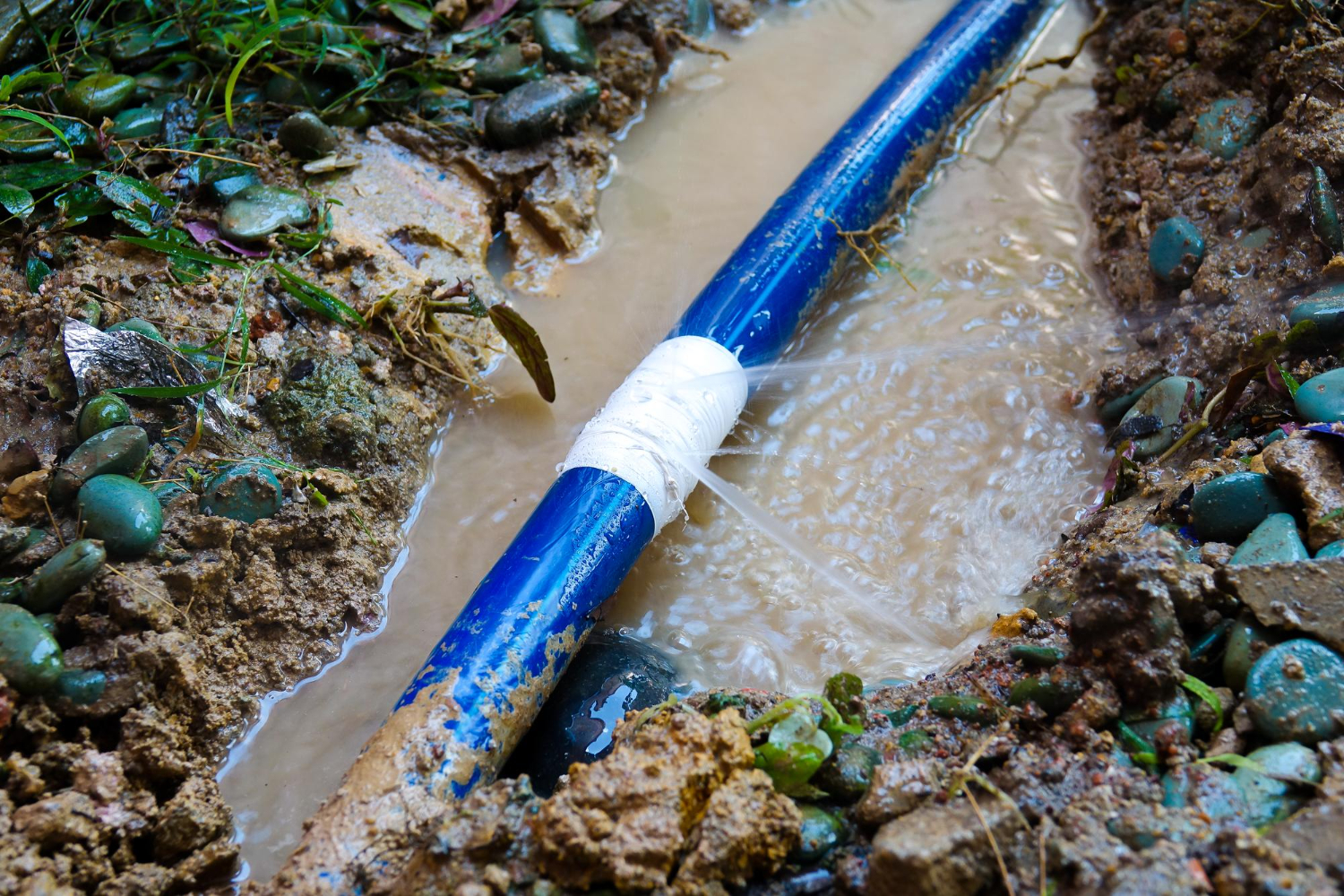
Pipe repair services handle everything from small leaks to complete pipe replacements, using specialized tools and techniques to restore your plumbing system. Trained plumbers can repair various pipe materials including copper, PVC, and cast iron. They offer solutions for burst pipes, clogs, corrosion, and frozen pipes.
Pipes are a critical part of your home's plumbing system, carrying water to and from every fixture you use daily. When pipes break, leak, or corrode, they can cause serious water damage and disrupt your household. Professional pipe repair services fix these problems quickly and help protect your home from costly damage.
Understanding what pipe repair involves and when to call for help can save you money and prevent bigger problems down the road. In this article, you’ll learn how pipe repair services diagnose and fix leaks, bursts, and damaged plumbing to restore safe, reliable water flow in your home.
Here’s what you need to know:
Keep reading! This guide covers the types of repairs available, warning signs to watch for, and how professionals fix damaged pipes in your home.
Your home's plumbing system depends on pipes that work correctly. When pipes break or leak, you need professional help right away.
According to the U.S. EPA WaterSense program, household leaks can waste nearly 900 billion gallons of water annually nationwide, which is why early leaking pipe repair and timely plumbing pipe repair matter.
Common pipe problems include:
Residential plumbing repair experts can fix these issues quickly. They have the tools and skills to diagnose problems and restore your system. Many services are available 24/7, even on weekends and holidays.
Plumbing pipe repair professionals offer different solutions based on your needs. Small leaks might only need a simple patch or joint replacement. Larger problems could require replacing entire pipe sections.
Modern repair methods make the process easier. Trenchless repair fixes underground pipes without digging up your yard. This saves time and reduces damage to your property.
Repair Type
Best For
Time Required
Patch repair
Small leaks
1-2 hours
Section replacement
Damaged pipe areas
2-4 hours
Whole house repiping
Extensive corrosion
2-5 days
You should call a plumber when you notice signs of pipe damage. Water stains on walls, low water pressure, or unusual sounds mean something is wrong. Acting fast prevents bigger problems and water damage.
Professional pipe repair keeps your plumbing safe and working well. Licensed plumbers guarantee their work and follow local codes. This protects your home and gives you peace of mind.
Professional pipe repair services cover a range of plumbing issues from small leaks to major pipe failures. These services use different methods and tools to fix your pipes quickly and restore your plumbing system.
Plumbers use specialized equipment to find leaks in your pipes, even when they're hidden behind walls or underground. They rely on acoustic sensors, thermal imaging cameras, and moisture meters to pinpoint the exact location of the problem.
Once they find the leak, technicians assess the damage to determine the best repair method. Small leaks might only need a simple patch or sealant application. Larger leaks could require cutting out the damaged section and installing a new piece of pipe.
Common leak repair methods include:
Leaking pipe repair typically happens within a few hours for minor issues. More complex repairs might take longer depending on pipe location and accessibility.
Burst pipes require immediate attention since they can flood your home and cause significant water damage. Repair services will first shut off your water supply to stop the flow and minimize damage.
The technician removes the burst section of pipe and measures for a replacement piece. They cut and fit new pipe material that matches your existing plumbing system, whether it's copper, PVC, or galvanized steel.
Burst pipe repair often involves soldering copper pipes or using compression fittings for other materials. The plumber tests the new connection thoroughly to ensure it holds pressure and won't leak. They also check nearby pipes for signs of stress or damage that could lead to future problems.
Joints and fittings are common failure points in plumbing systems because they handle constant water pressure and temperature changes. These connections can develop leaks from worn gaskets, loose threads, or corroded materials.
Plumbers tighten loose connections or replace damaged gaskets and O-rings as a first step. If the fitting itself is cracked or corroded, they'll install a new one using proper sealing techniques.
Types of joint repairs:
Problem
Solution
Loose threaded connections
Tightening and resealing with thread tape
Worn compression fittings
Replacing ferrules and nuts
Failed soldered joints
Resoldering or replacing the joint
Cracked push-fit connections
Installing new push-fit fittings
Emergency pipe repair services operate 24/7 to handle urgent plumbing failures that can't wait until regular business hours. These services respond to burst pipes, major leaks, and sewage backups that threaten your property.
Response teams arrive with fully stocked trucks containing common pipe materials, repair tools, and diagnostic equipment. They perform temporary repairs to stop immediate damage, then schedule permanent fixes if needed.
Emergency plumbers prioritize stopping water flow and preventing further damage to your home. They work quickly to restore basic plumbing function so you have access to water and working drains.
Pipes fail for several specific reasons that affect both residential and commercial properties. Metal pipes corrode over time, cold weather can cause sudden bursts, tree roots break through underground lines, and older plumbing systems simply wear out from decades of use.
Metal pipes naturally deteriorate when exposed to water and chemicals over time. The pipe walls become thinner and weaker as rust eats through the material. This process happens faster in areas with hard water or acidic conditions.
Corroded pipes develop pinhole leaks at first, but these small problems grow larger without intervention. Iron and steel pipes are most vulnerable to rust, while galvanized pipes lose their protective zinc coating after 20-30 years. You might notice discolored water, reduced water pressure, or visible rust stains as warning signs.
Copper pipes resist corrosion better than steel but can still fail from pitting corrosion in certain water conditions. Regular inspections help catch corrosion early before major leaks occur. Modern materials like PVC and PEX avoid metal corrosion entirely.
Water expands when it freezes, which creates intense pressure inside your pipes. This pressure can cause pipes to crack or burst completely, often in unheated areas like basements, crawl spaces, and exterior walls.
Burst pipes typically happen when temperatures drop below 20°F for extended periods. The damage often goes unnoticed until the ice melts and water floods your property. Pipes in uninsulated spaces face the highest risk during winter cold snaps.
According to Clemson University, homeowners should insulate pipes so they don’t freeze during winter weather or power loss, and they should know how to shut the water off at the source in case a pipe bursts.
You can prevent freeze damage by insulating exposed pipes, keeping cabinet doors open during cold weather, and maintaining indoor temperatures above 55°F. Letting faucets drip slightly during extreme cold also relieves pressure buildup.
Tree roots naturally grow toward water sources, including your underground sewer and water lines. Small cracks or loose pipe joints release moisture that attracts roots to your plumbing system.
Once roots find an entry point, they grow inside the pipes and create blockages. The roots expand as they absorb water, which puts pressure on pipe walls and widens existing cracks. Clay and cast iron pipes are most vulnerable because their joints create easy access points.
You might experience slow drains, gurgling sounds, or repeated clogs when roots infiltrate your pipes. Trees planted within 10 feet of sewer lines pose the greatest risk. Professional root removal and pipe lining can repair the damage without digging up your entire yard.
Pipes have limited lifespans based on their materials and installation quality. Clay pipes last 50-60 years, cast iron lasts 75-100 years, and brass lasts 40-70 years. Older homes often have pipes that have exceeded their expected service life.
Normal wear from constant water flow gradually thins pipe walls and weakens joints. Years of mineral deposits build up inside pipes, reducing water flow and increasing pressure on weak spots. Temperature fluctuations cause pipes to expand and contract, which stresses the connections.
Homes built before 1960 likely have outdated plumbing that needs replacement. Warning signs include frequent leaks, low water pressure, and water discoloration. Replacing aging pipes before they fail completely prevents emergency repairs and water damage.
Problems with your home's pipes often show clear warning signs before they turn into serious issues. Recognizing water stains, changes in water pressure, unusual sounds, and higher utility costs can help you address damage early.
Water stains on your walls, ceilings, or floors indicate that pipes are leaking somewhere in your system. These stains often appear as brown, yellow, or copper-colored spots that grow larger over time. You might notice the paint or wallpaper bubbling, peeling, or feeling damp to the touch.
Active leaks are easier to spot. You may see water dripping from pipes under sinks or in basements. Puddles that form without explanation also point to pipe problems.
Even small leaks waste water and cause damage to your home's structure. Moisture from leaking pipes creates the perfect environment for mold growth. This can start within 24 to 48 hours of water exposure.
Check for wet spots on floors near appliances like water heaters and washing machines. Look at exposed pipes in crawl spaces and basements for signs of moisture or corrosion.
A sudden drop in water pressure throughout your home often means pipes are damaged or blocked. When pipes develop leaks, water escapes before it reaches your faucets and showerheads. This reduces the flow and pressure you normally experience.
Mineral buildup inside old pipes also restricts water flow. Corrosion can narrow the pipe opening and limit how much water passes through.
If only one faucet has low pressure, the issue is likely with that specific fixture. When multiple faucets or your entire house experiences weak water flow, your main pipes need attention.
You might notice it takes longer to fill a bathtub or that your shower stream feels weak. Low pressure makes everyday tasks like washing dishes and doing laundry take more time.
Unusual sounds coming from your pipes signal that something is wrong. Banging, clanking, or hammering noises happen when water pressure changes suddenly or pipes are loose. These sounds often occur when you turn faucets on or off.
Gurgling sounds in drains suggest that air is trapped in your pipes due to blockages or venting problems. Whistling or squealing noises point to restricted water flow or worn valve components.
Rattling pipes indicate they are not properly secured to your walls or floor joists. This movement can wear down connections and cause leaks over time.
Hissing sounds often mean water is escaping through a crack or hole under pressure. This type of noise requires immediate attention to prevent water damage.
An unexpected increase in your water bill without changes to your usage patterns indicates a leak somewhere in your system. Even small leaks waste significant amounts of water over time. A drip rate of one drip per second wastes over 3,000 gallons per year.
Compare your current bill to previous months during the same season. A jump of 20% or more suggests a problem that needs investigation.
Hidden leaks in underground pipes or within walls continue wasting water 24 hours a day. These leaks are hard to detect without professional help but show up clearly on your water bill.
Check your water meter to confirm a leak. Turn off all water sources in your home and watch the meter. If it continues to move, water is flowing somewhere it shouldn't be.
Professional plumbers use three main approaches to fix damaged pipes: full replacement of old sections, modern no-dig methods that repair from inside, and targeted fixes for specific problem areas. Each method works best for different types of damage and pipe conditions.
Traditional pipe replacement involves digging trenches to access damaged pipes and installing new sections. This method works well when pipes are severely corroded, completely collapsed, or beyond repair. Your plumber will excavate the ground above the damaged area, remove the old pipe, and install new piping materials.
This approach gives you a completely new pipe with a fresh warranty. It remains the best choice for pipes with extensive damage throughout multiple sections. The process takes more time than other methods and requires restoration of your landscaping, driveways, or floors after completion.
Common situations for traditional replacement:
The cost includes excavation, new materials, labor, and site restoration. You'll typically see this method used for main water lines and sewer pipes that connect your home to the street.
Pipe relining creates a new pipe inside your existing damaged pipe without digging. Your plumber inserts a flexible liner coated with special resin into the old pipe. The liner inflates to fit against the pipe walls, and the resin hardens to form a smooth, durable new pipe surface.
This method saves your yard, driveway, and landscaping from excavation damage. The process usually takes one day to complete. Trenchless repair works for pipes with cracks, small holes, and root intrusion damage.
Benefits of trenchless methods:
Pipe bursting is another trenchless option where your plumber breaks apart the old pipe while pulling new pipe through the same space. This works when your pipes need a size upgrade or the existing pipe is too damaged for relining.
Spot repairs fix specific problem areas without replacing entire pipe sections. Your plumber targets individual leaks, cracks, or damaged joints using epoxy coatings, repair clamps, or specialized sealants. This approach saves money when damage affects only small areas.
Joint sealing stops leaks where pipe sections connect. Plumbers inject epoxy or polyurethane into the joint from inside the pipe. The material fills gaps and creates a watertight seal.
When spot repairs work best:
Your plumber uses a camera to inspect the pipe and determine if spot repairs will solve the problem. These targeted fixes cost less than full replacement but only work when the rest of your pipe remains in good condition. Spot repairs may need follow-up work if additional problems develop later.
Professional pipe repair offers protection against water damage, stops leaks from coming back, and helps your plumbing work better. These services save you money and keep your home safe from serious problems.
Water damage from broken pipes can destroy your home quickly. A small leak can weaken walls, ceilings, and floors over time. Professional plumbers find hidden leaks before they cause major damage.
When pipes burst, water floods your home in minutes. This flooding ruins furniture, carpets, and personal items. Professional repairs stop these problems before they start.
Moisture from leaking pipes creates the perfect place for mold to grow. Mold spreads through your walls and air ducts. It damages your home's structure and can make your family sick. Professional pipe repair fixes leaks completely so mold never has a chance to start.
Common types of water damage from pipe problems:
Professional plumbers fix the root cause of pipe problems, not just the symptoms. They use proper tools and materials that last for years. DIY repairs often fail within months because they only cover up the real issue.
Trained technicians spot weak points in your pipes that will leak later. They repair or replace these sections during the first visit. This approach saves you from calling a plumber again in a few weeks or months.
Professional repairs come with warranties that protect your investment. If a repaired pipe leaks again, the plumber fixes it at no extra cost. You don't get this protection with DIY repairs or unlicensed workers.
Old or damaged pipes slow down your water flow. You notice weak pressure in showers and faucets. Professional repair removes blockages and fixes damaged sections that restrict water movement.
Corroded pipes waste water and raise your utility bills. Even small leaks drip hundreds of gallons per month. Professional repairs seal these leaks and bring your water usage back to normal levels.
Modern pipe repair methods make your plumbing more efficient than before. Techniques like pipe relining create smooth interior surfaces. Water flows faster through these smooth pipes. Your entire plumbing system works better after professional service.
Emergency pipe services provide immediate help when plumbing disasters strike at any hour. These services focus on fast response times, skilled professionals, and round-the-clock availability to protect your home from extensive water damage.
Pipe emergencies don't follow a schedule. Burst pipes, major leaks, and frozen pipe failures can happen in the middle of the night, on weekends, or during holidays when regular plumbers aren't working.
Emergency plumbing services maintain 24-hour call centers staffed with real people who can dispatch help immediately. You can reach these services any time through phone calls or online booking systems. This constant availability means you won't have to wait until Monday morning while water floods your basement or damages your walls.
Many emergency plumbers guarantee response within one to two hours of your call. Some services offer priority scheduling for severe situations like burst pipes that are actively flooding your property. You pay for this convenience, but the cost is often less than the water damage you'd face by waiting.
Speed matters when dealing with pipe emergencies. Every minute of delay allows more water to spread through your home, damaging floors, walls, furniture, and personal belongings.
Emergency plumbers arrive equipped with diagnostic tools to quickly locate the problem. They use specialized equipment like moisture meters and pipe cameras to identify hidden leaks behind walls or under floors. This technology helps them find issues fast without unnecessary demolition of your property.
Once they locate the problem, emergency teams work to stop the water flow immediately. They may shut off your main water line, isolate damaged sections, or perform temporary repairs to stabilize the situation. After controlling the immediate crisis, they complete permanent repairs using modern techniques and quality materials.
Emergency pipe services employ licensed master plumbers with extensive training. These professionals have the credentials and expertise to handle complex plumbing emergencies safely and correctly.
Licensed plumbers know local building codes and regulations. They ensure all repairs meet legal requirements and pass inspections. Their work comes with proper permits and documentation that protect your home's value and your insurance coverage.
Experience matters during emergencies when quick decisions are required. Seasoned plumbers have encountered various pipe failures and know the most effective repair methods for each situation. They bring the right tools and parts to complete repairs in one visit whenever possible.
Taking steps to protect your pipes after repairs can help you avoid repeated problems and extend the life of your plumbing system. Regular inspections, proper water pressure, and protection from freezing temperatures form the foundation of effective pipe maintenance.
According to the National Weather Service (NWS), water expands as it freezes, which can cause pipes to burst, and pipes on exterior walls or in cold areas like basements, attics, and under kitchen cabinets freeze most often.
Schedule professional plumbing inspections at least once per year to catch problems before they become serious. A trained plumber can spot early signs of corrosion, small leaks, and weak joints that you might miss during daily use.
These inspections should include checking all visible pipes, testing water pressure, and examining connections under sinks and around water heaters. Your plumber will also look for signs of moisture damage on walls and ceilings that could indicate hidden leaks.
Between professional visits, you should check exposed pipes monthly for rust spots, dampness, or discoloration. Pay attention to changes in your water bill, as unexpected increases often signal leaks in your system.
High water pressure puts constant stress on your pipes and can lead to leaks, burst pipes, and damaged fixtures. Your home's water pressure should stay between 40 and 60 psi for safe operation.
Install a pressure gauge on an outdoor spigot to test your water pressure. If readings exceed 60 psi, have a pressure regulator installed on your main water line. This device automatically maintains safe pressure levels throughout your home.
You should also avoid sudden pressure changes by opening and closing faucets slowly. Quick valve closures create water hammer, which sends shock waves through your pipes and weakens joints over time.
Pipes can burst when water inside them freezes and expands. Insulate pipes in unheated areas like basements, crawl spaces, attics, and exterior walls before cold weather arrives.
Foam pipe sleeves provide basic protection for most indoor pipes. For outdoor pipes and those in extremely cold areas, use heat tape wrapped with foam insulation for extra protection. Make sure to follow manufacturer instructions carefully when installing heat tape.
During freezing weather, keep cabinet doors open under sinks to let warm air reach pipes. Let faucets drip slightly when temperatures drop below freezing, as moving water is less likely to freeze than standing water.
Dr. Rooter has earned the trust of Lexington homeowners through experienced local plumbers, upfront pricing, and a focus on repairs that last. These three factors set them apart when pipes fail and reliable service matters most.
Dr. Rooter employs licensed plumbers who know Lexington homes and the unique plumbing challenges they face. JK Sims leads a team trained to handle everything from minor leaks to full pipe replacements. Each technician understands local building codes and the typical pipe materials found in homes throughout the area.
The team uses advanced diagnostic tools to identify problems quickly and accurately. This prevents unnecessary work and helps you understand exactly what your pipes need. Whether you're dealing with corroded pipes, tree root intrusion, or weather-related damage, the plumbers have the expertise to assess and fix the issue properly.
Local knowledge means faster response times and familiarity with your neighborhood's plumbing systems. The team has worked on countless homes in Lexington and surrounding areas, giving them insight into common pipe problems specific to the region.
You receive clear pricing information before any work begins. Dr. Rooter provides detailed estimates that outline the scope of work and associated costs. This transparency helps you make informed decisions about your pipe repairs without surprise charges appearing later.
The company offers emergency plumbing services available 24/7 for urgent pipe issues like burst pipes or major leaks. When disaster strikes, you can count on prompt arrival and immediate action to minimize water damage to your home.
Reliability extends beyond emergency calls. Scheduled appointments start on time, and the team completes work efficiently without cutting corners. Your time matters, and Dr. Rooter respects that by showing up when promised and finishing repairs within the estimated timeframe.
Dr. Rooter focuses on repairs that solve problems for years to come rather than quick fixes that fail again soon. The team evaluates your entire plumbing system to identify potential weak points that could cause future issues. This proactive approach saves you money and hassle down the road.
Quality materials and proper installation techniques ensure your repaired or replaced pipes perform well long after the work is complete. The plumbers explain maintenance steps you can take to extend the life of your plumbing system.
When replacement makes more sense than repair, the team provides honest recommendations. They won't push unnecessary services but will guide you toward the most cost-effective solution based on your pipe's condition and your home's needs.
Professional pipe repair services provide solutions for damaged or leaking pipes in your home. These services use modern methods like trenchless pipe lining to fix problems without digging up your entire yard.
When you hire experienced plumbers, you get access to proper diagnostic tools and quality repairs. They can find hidden leaks and fix issues before they cause major damage to your property.
You should consider professional help when you notice signs like water backups, low pressure, or unexplained wet spots. Licensed plumbers can determine whether you need a simple repair or a full replacement.
The cost of professional pipe repair depends on the damage severity and repair method used. Trenchless options often cost less than traditional excavation because they require less labor and restoration work.
Most pipe repair companies offer camera inspections to assess your pipes before starting work. This helps them recommend the right solution for your specific situation.
Finding a reliable pipe repair service in your area means checking reviews and verifying licenses. Look for companies with experience in both traditional and modern repair methods.
Your pipes play a vital role in your home's function. Getting them repaired properly protects your property and prevents future problems.
Schedule emergency pipe services with Dr. Rooter Lexington to locate the failure point, isolate the affected line, and complete code-compliant plumbing pipe repair or burst pipe repair before water damage spreads.