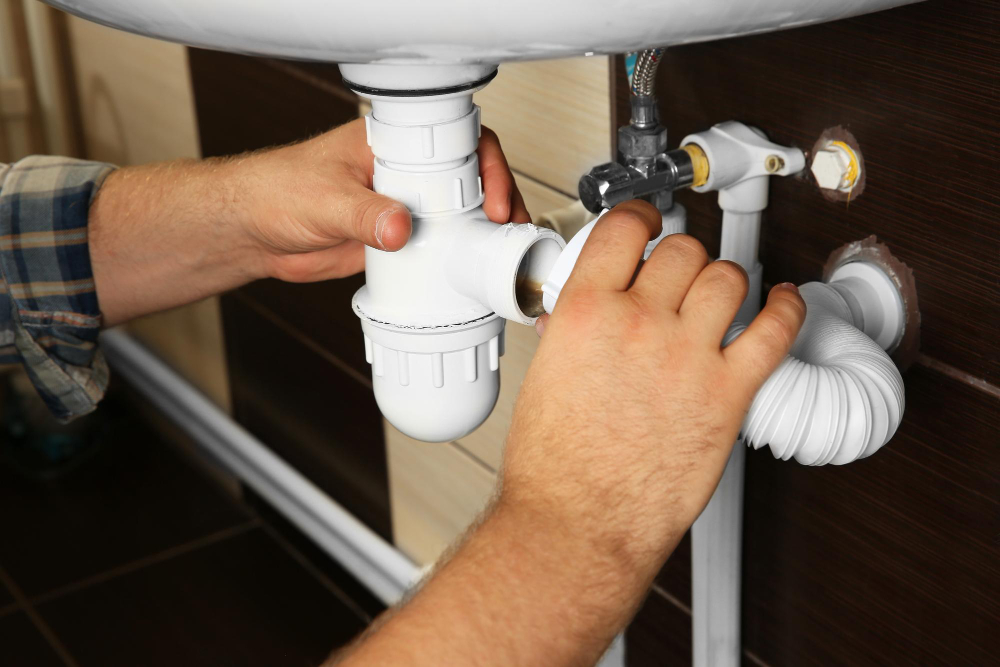
Water leaks are one of those problems that punish you for ignoring them. A small drip behind a wall or a hairline crack in a buried pipe does not look like an emergency, but left alone for weeks or months it can rot framing, grow mold, undermine a foundation, and push your water bill into territory that makes you question whether the meter is broken.
For homeowners in Batesburg, SC, where older homes, sandy Ridge soils, and hot, humid summers all work against buried and concealed plumbing, understanding the benefits of professional leak detection in Batesburg is the first step toward protecting your home before a hidden problem becomes a visible disaster.
Batesburg sits in the western reaches of Lexington County along the Ridge that separates the Saluda and Edisto River basins. The town consolidated with neighboring Leesville in 1993 to form Batesburg-Leesville, but the Batesburg side retains its historic character, with homes dating back to the late 1800s alongside mid-century builds and newer construction further out.
That range of housing ages means a wide range of pipe materials, installation methods, and vulnerability to leaks that standard homeowner checks will never catch.
Most residential water damage does not come from a dramatic pipe burst. It comes from slow, hidden leaks that go unnoticed for months because they happen inside walls, under slabs, beneath crawl spaces, or underground between the meter and the house. Professional detection equipment finds those leaks at their source, before the damage has time to multiply.
In this article, you will learn about:
Keep reading to find out why the leaks you cannot see are the ones that cost you the most, and how the right detection technology finds them before the damage piles up.
Professional leak detection goes far beyond checking faucets and toilets for visible drips. It uses specialized equipment to locate leaks that are hidden inside finished walls, under concrete slabs, beneath soil, and in other areas where water can escape without producing any obvious sign at the surface.
The difference between a homeowner checking for leaks and a plumber performing a professional detection sweep is the same as the difference between listening for a rattle in your car and putting it on a diagnostic lift. Both can find problems, but one catches the problems the other misses entirely.
Professional leak detection relies on several technologies that work together to pinpoint the exact location of a leak without tearing open walls or digging up yards. The specific tools a plumber uses depend on the type of leak suspected and the construction of the home.
Acoustic listening devices amplify the sound of water escaping through a crack or joint. Even a small leak produces a distinct sound signature as pressurized water forces through a narrow opening. The plumber moves the sensor along the path of the pipe, listening for changes in frequency and volume that indicate a breach. This method works especially well for pressurized supply lines, both inside the house and buried underground between the meter and the foundation.
Thermal imaging cameras detect temperature differences on surfaces. A leak behind a wall or under a floor changes the temperature of the surrounding material, creating a visible contrast on the camera display. In Batesburg's warm summers, the temperature difference between a cool water leak and the surrounding heated structure is often pronounced, making thermal imaging especially effective during peak season.
The full professional detection toolkit typically includes:
A professional leak detection service combines these tools based on the situation, narrowing down the location with enough precision that the repair can target the exact spot rather than requiring exploratory demolition.
A typical professional leak detection visit follows a logical sequence designed to confirm whether a leak exists, identify what system it affects, and locate it precisely. The process is systematic, not guesswork.
The plumber begins with a visual inspection of accessible plumbing and a review of the home's water meter. With all fixtures shut off, the meter should not move. If it does, water is leaving the system somewhere. The rate of movement gives the plumber a rough sense of the leak's severity before any specialized equipment comes out.
Next, the plumber isolates sections of the plumbing system to determine whether the leak is on the supply side, the drainage side, or in an outdoor line. Supply-side leaks involve pressurized water and typically produce more volume and faster damage. Drainage leaks move slower but carry wastewater, which introduces health risks. Appliance connections, including water heater supply lines, are another common source that detection equipment can quickly evaluate.
The standard detection sequence runs like this:
Once the affected system is identified, the plumber uses the appropriate equipment to trace the pipe path and locate the breach. The result is a diagnosis that tells you exactly where the leak is, what caused it, and what repair options are available.
For Batesburg homes with complex layouts, plumbing system diagnostics may extend the process if multiple issues are discovered during the sweep.
Homeowners can and should check for obvious leaks regularly. Running toilets, dripping faucets, and wet spots under sinks are all problems you can catch with your eyes and ears. But the leaks that cause the most damage are the ones that produce no visible evidence at the fixture level.
A pinhole leak in a copper supply line inside a wall cavity can run for months without producing a drip at any faucet. The water absorbs into the drywall, framing, and insulation, slowly spreading damage outward from the source. By the time a stain appears on the paint or the wall feels soft to the touch, the framing behind it may already be compromised.
Similarly, a cracked sewer line under a slab does not produce a puddle in the kitchen. It produces a faint sewage odor, a slightly damp patch on the floor, or an unexplained increase in pest activity as insects are drawn to the moisture. These signs are easy to misattribute to other causes without professional equipment to confirm the source.
Here is what a typical DIY check can find versus what it misses:
The value of professional detection is not that it finds leaks a homeowner could not eventually discover. It finds them before the damage has time to multiply, while the repair is still simple and the surrounding structure is still intact.
A faucet that drips into the sink is annoying but manageable. A pipe that leaks inside a wall, under a slab, or beneath the yard is a different category of problem entirely. Hidden leaks cause disproportionate damage because they run continuously without intervention, and the moisture they release has nowhere to go except into the materials that make up your home's structure.
The longer a hidden leak runs, the more expensive it becomes. That is not a generalization. It is a mathematical relationship between time, volume, and the cost of repairing saturated structural materials versus simply fixing a pipe.
Wood framing, floor joists, subflooring, and wall sheathing are all organic materials that absorb water readily. When they stay wet for an extended period, they lose structural strength. Joists sag, subfloors buckle, and wall framing develops soft spots that compromise the load path of the structure above.
In Batesburg, many homes built before the 1960s use dimensional lumber framing that was not treated for moisture resistance the way modern pressure-treated lumber is. A hidden supply-line leak in one of these older homes can weaken a section of floor framing within weeks during the summer months, when heat accelerates the deterioration process.
The structural risks vary by foundation type, and Batesburg has all three:
Slab leak damage is among the most expensive residential plumbing repairs because the fix involves both the pipe and the foundation. Early detection avoids that entirely by finding the leak while it is still just a pipe problem.
Mold is the silent partner of every hidden water leak. According to FEMA, mold and mildew will develop within 24 to 48 hours of water exposure and will continue to grow until the moisture source is eliminated. A leak that runs undetected for weeks or months gives mold colonies time to establish deep inside wall cavities, behind baseboards, and within insulation where a homeowner cannot see them without opening the structure.
The EPA notes that Americans spend approximately 90 percent of their time indoors, where pollutant levels can be up to 100 times higher than outdoor levels. Mold is one of the biological pollutants the agency identifies as a significant contributor to poor indoor air quality. The CDC confirms that indoor mold exposure is linked to upper respiratory tract symptoms, coughing, wheezing, and worsening asthma, with immune-compromised individuals and children at the highest risk.
In Batesburg's humid summers, indoor humidity levels climb naturally. Add moisture from a hidden leak, and the conditions inside the wall cavity become ideal for rapid mold colonization. Professional leak detection stops this cycle at the source by finding the leak before the moisture has time to produce a health hazard.
Common signs that a hidden leak has already triggered mold growth include:
Waiting until you see or smell mold means the colony is already well established. At that point, the repair involves not just fixing the pipe but also remediating the mold and replacing the damaged materials, a job that is several times more expensive than a pipe repair alone.
Water that escapes from a buried service line or a leaking drain pipe under the house does not just sit in place. It moves through the soil, following the path of least resistance. In the sandy Ridge soils around Batesburg, that movement happens faster than it would in clay-heavy ground, which means a leak can undermine a much larger area in less time.
As water flows through the soil, it carries fine particles with it. Over time, this erosion creates voids beneath foundations, driveways, walkways, and patios. The surface above the void eventually settles or collapses, causing cracks in concrete, uneven surfaces, and in severe cases structural shifting that affects the entire home.
A buried pipe leak that runs for a full summer in Batesburg can wash away enough soil to create a visible depression in the yard. At that point, the repair includes not just the pipe but also soil compaction and surface restoration, costs that would have been entirely avoidable with early detection.
Outdoor warning signs that point to underground erosion from a pipe leak include:
If you notice any of these signs along your water line path, scheduling a detection sweep before the erosion progresses can save thousands in foundation and landscape repair.
Every leak has a cost curve. At the moment it starts, the cost is just the pipe repair. A week later, the cost includes the pipe plus whatever building materials absorbed the water. A month later, the cost includes pipe, materials, mold remediation, and possibly structural repair. Finding leaks early flattens that curve and keeps the total cost at its lowest possible point.
Professional leak detection is not an emergency service for most homeowners. It is a preventive measure, the plumbing equivalent of a routine checkup that catches a small problem before it becomes a big one.
Emergency plumbing calls cost more than scheduled service calls for a straightforward reason: urgency changes the equation. When water is actively flooding a room, damaging belongings, or threatening the electrical system, the repair has to happen immediately regardless of time, day, or difficulty.
A professional detection sweep performed on your schedule, during normal business hours, with time to compare options and plan the repair, costs a fraction of what the same work costs under emergency conditions. The detection itself typically takes a few hours and produces a clear diagnosis that lets you make informed decisions rather than panic-driven ones.
The financial difference between planned and emergency repair is significant at every level:
For Batesburg homeowners who want to avoid the stress and expense of emergency calls, scheduling a preventive plumbing inspection during the spring or early summer catches leaks that are most likely to cause problems during the hottest, wettest months of the year.
A hidden leak wastes water 24 hours a day, seven days a week, and your water bill reflects every gallon. Even a moderate leak that loses a gallon per hour adds up to more than 8,700 gallons per year, enough to noticeably increase your monthly bill even if the leak never produces a visible sign inside the house.
Larger leaks waste proportionally more. A supply-line crack that loses five gallons per hour sends more than 43,000 gallons into the ground annually. That water does not just cost money at the meter. In Batesburg, where many homes draw from the municipal system, wasted water also contributes to unnecessary strain on the local water infrastructure.
Fixing the leak stops the waste immediately, and the savings on your water bill begin the same month. For homeowners who have noticed a gradual increase in their water costs without a corresponding increase in usage, a professional leak sweep is the fastest way to find out whether a hidden leak is the cause. Checking the water meter with all fixtures off is a good first step, but only professional equipment can tell you exactly where the water is going.
If your home also has a water filtration system, a hidden leak on the supply side means filtered water is being wasted before it ever reaches a tap. That compounds the cost, since you are paying to filter water that goes straight into the ground.
Water damage history follows a home. When you sell, the buyer's inspector will look for signs of past leaks, including water stains, repaired sections, and mold indicators. A home with documented water damage sells for less, takes longer to sell, and may face complications during the buyer's financing process.
Professional leak detection protects your property value by catching problems before they leave permanent marks. A repaired pipe with no surrounding damage is invisible to a future inspector. A repaired pipe surrounded by replaced drywall, new insulation, and a mold remediation report tells a very different story.
Insurance is another consideration. Most homeowners policies cover sudden and accidental water damage but exclude damage from long-term leaks that the homeowner should have detected and repaired. If your insurer determines that a leak ran for months before you noticed it, the claim may be denied or reduced. Professional detection, especially when performed on a regular schedule through a plumbing maintenance membership, demonstrates that you are maintaining your home responsibly, which strengthens your position if a claim ever becomes necessary.
For homes with a history of recurring plumbing issues, periodic detection sweeps are an inexpensive form of insurance against both physical damage and financial loss.
Professional leak detection is not something most homeowners think about until a problem surfaces. But like most preventive maintenance, it is most valuable when done before symptoms appear. Certain situations and home characteristics increase the likelihood of hidden leaks and justify proactive scheduling.
Knowing when to call gives you the advantage of finding problems on your timeline rather than the leak's timeline, when the damage is still minimal and the repair options are widest.
The age of your plumbing is the single strongest predictor of leak risk. Galvanized steel, copper, and polybutylene pipes all have finite lifespans, and homes in Batesburg built during the town's various building periods carry different risks based on what was standard at the time.
Each era of construction in the area left behind specific plumbing vulnerabilities:
If your home still has its original supply lines and has never had a professional leak assessment, scheduling one now gives you a baseline understanding of the system's condition. That information lets you plan for pipe repair or replacement on your own terms rather than being forced into emergency work.
A jump in your water bill that does not correspond to a change in usage, or a gradual decline in water pressure across multiple fixtures, almost always points to a leak somewhere in the system. These are the most common early warning signs, and they often appear weeks or months before any physical evidence shows up inside the house.
Do not assume the utility company made a billing error or that low pressure is just "how the house is." Both changes are measurable, and both have identifiable causes. A professional detection sweep resolves the question quickly, either confirming a leak and locating it or ruling one out and pointing to a different cause.
Other subtle changes that warrant a professional look include:
The sooner you investigate, the less time the leak has to run. Even a one-month delay between noticing the symptom and scheduling the inspection can mean the difference between a simple pipe repair and a repair plus drywall replacement, insulation replacement, and mold treatment.
A pre-purchase leak detection sweep is one of the highest-value inspections a buyer can request. A standard home inspection checks visible plumbing and notes obvious problems, but it does not use acoustic equipment, thermal imaging, or pressure testing to find hidden leaks. Those are the leaks that show up six months after closing when the new owner discovers water damage behind a freshly painted wall.
For buyers, adding a professional leak sweep to the due-diligence process costs a fraction of what it costs to remediate a hidden leak discovered after closing. For sellers, performing a sweep before listing demonstrates transparency and removes a potential negotiation point that could cost far more than the inspection itself.
Batesburg's mix of historic homes, mid-century builds, and newer construction means every property has a different plumbing profile and a different risk level. A comprehensive plumbing diagnostic tailored to the home's age and pipe material gives both parties confidence in the transaction. Pairing the detection sweep with a sewer camera inspection of the main drain line gives the most complete picture of the home's underground plumbing health.
The benefits of professional leak detection come down to one principle: finding a leak early costs less than finding it late. Every day a hidden leak runs, it adds to the repair bill. It saturates materials that were dry yesterday. It feeds mold colonies that did not exist last week. It erodes soil that was stable last month. And it wastes water that you are paying for around the clock.
For homeowners in Batesburg, the combination of older housing stock, sandy Ridge soils, and South Carolina's heat and humidity creates conditions where hidden leaks cause damage faster and travel farther underground than they would in many other settings. Professional detection equipment finds those leaks at the source, before the damage spreads beyond the pipe itself.
Whether your home is a century-old property near downtown or a newer build on the outskirts, scheduling a professional leak detection sweep is the fastest way to protect your structure, your health, and your finances. Contact Dr. Rooter Lexington to schedule an inspection and find out what your plumbing looks like from the inside out.