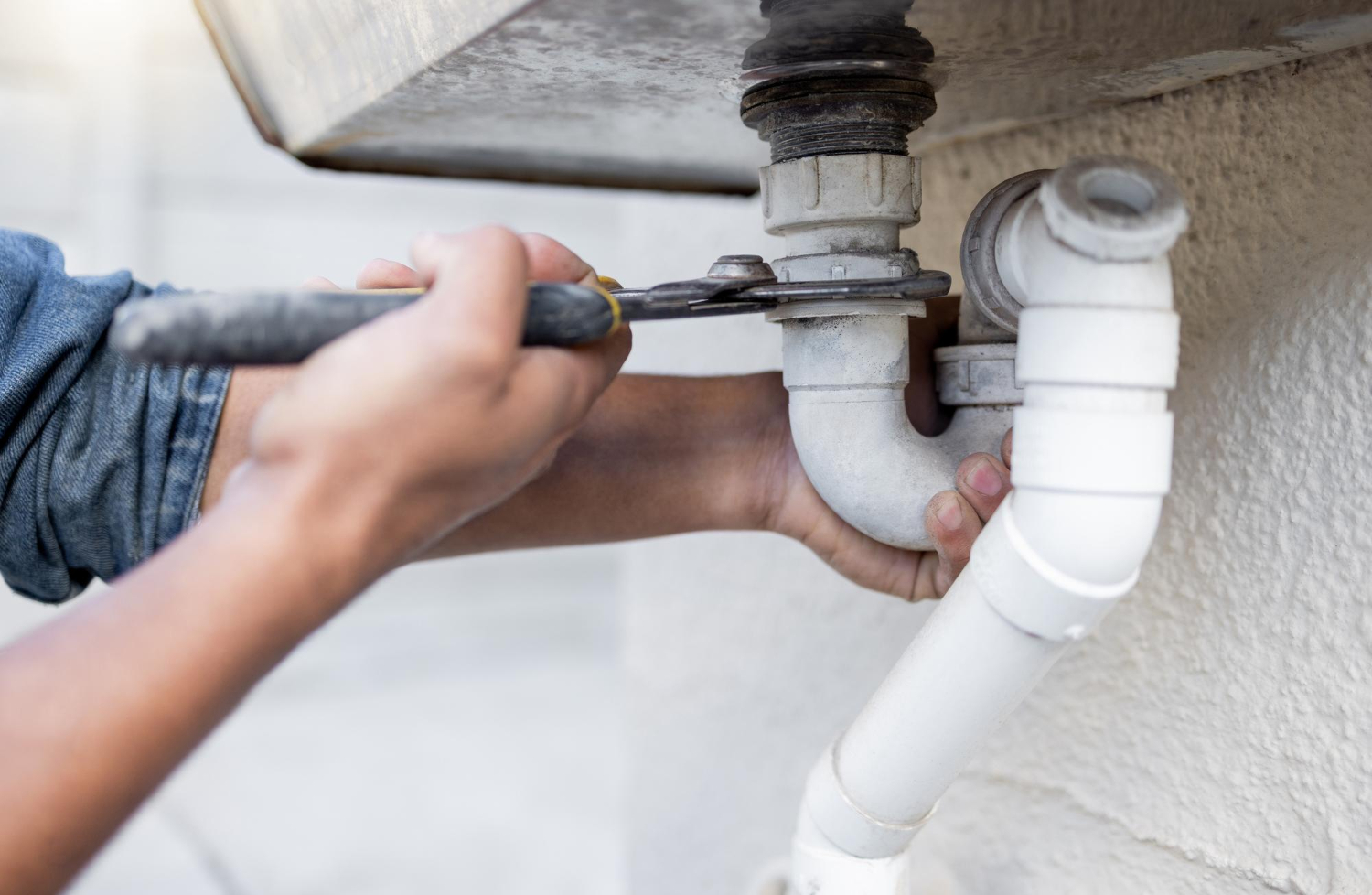
Professional residential plumbing repair services handle everything from minor fixes like dripping faucets to major problems like sewer line replacements.
Water leaks, clogged drains, and broken pipes can disrupt your daily routine and cause damage to your home. These issues happen to most homeowners at some point, and knowing when to call for help can save you time and money.
Understanding the basics of plumbing repairs helps you make better decisions about your home. You need to know which problems you can handle yourself and which ones require a licensed plumber. Small issues can turn into expensive emergencies if you ignore them too long.
This guide will walk you through the most common plumbing problems in homes and how to spot warning signs early. You'll learn about different types of repair services available and how to keep your plumbing system working well.
Here's what you need to know:
Keep reading! Finding the right plumber in your area doesn't have to be difficult when you know what to look for.
Homeowners deal with plumbing issues that range from minor annoyances to serious emergencies requiring immediate attention. The most frequent problems involve fixtures that drip or run constantly, drains that won't clear properly, and pipes that leak or burst unexpectedly.
A dripping faucet wastes thousands of gallons of water each year and drives up your utility bills. The problem usually starts with worn-out washers, O-rings, or valve seats inside the faucet. You'll notice water dripping from the spout even when the handle is completely off.
Leaky faucet repair often involves replacing these small internal parts. Kitchen faucets tend to wear out faster than bathroom fixtures because you use them more often. The constant dripping also leaves stains on your sink and creates an annoying sound.
Running toilets waste even more water than leaky faucets. The issue typically comes from a faulty flapper valve that doesn't seal the tank properly. You might also have problems with the fill valve or the float mechanism that controls water levels.
Running toilets can quietly waste a lot of water, and upgrading to high-efficiency models can materially reduce that waste—the U.S. EPA WaterSense program notes the average family can save nearly 13,000 gallons of water per year by replacing old, inefficient toilets with WaterSense labeled models.
Hair, soap scum, and grease build up inside your drain pipes over time. Kitchen sinks get clogged from food particles and cooking oils that solidify in the pipes. Bathroom drains collect hair and personal care products that create thick blockages.
You'll first notice water draining slower than normal. The problem gets worse until water stops draining completely. Bad odors often come from drains when organic material gets stuck and starts decomposing.
Simple clogs near the drain opening respond well to plungers or drain snakes. Deeper blockages in your main drain line need professional tools like motorized augers. Never mix different chemical drain cleaners because they can create dangerous reactions.
Pipes develop leaks at joints and connections as they age. Corrosion eats through metal pipes, while freezing temperatures can cause pipes to crack or burst completely. High water pressure also stresses your pipes and creates weak points.
Small leaks appear as water stains on walls and ceilings. You might notice your water bill increasing without explanation. Burst pipes release large amounts of water quickly and can flood your home within minutes.
The location of the leak determines how urgent the repair becomes. Pipes hidden inside walls cause significant damage before you even notice the problem. Supply line leaks need immediate attention because they're under constant pressure.
Some plumbing problems are small enough to fix yourself, but others need a trained plumber. Water pressure issues, visible damage, and drains that clog over and over again signal bigger problems in your plumbing system.
Low water pressure throughout your home often points to hidden pipe blockages, leaks, or corrosion inside your plumbing system. If just one faucet has weak flow, the problem might be a clogged aerator. When multiple fixtures show reduced pressure, you likely have a more serious issue.
Unusual sounds from your pipes mean something is wrong. Banging noises, called water hammer, happen when water flow stops suddenly and creates shock waves in your pipes. Gurgling sounds from drains suggest air is trapped in your lines due to blockages or venting problems.
Whistling or squealing noises when you turn on faucets often indicate worn-out washers or high water pressure. These sounds can damage your pipes over time if left unfixed. A plumber can test your water pressure and find the exact source of these problems.
Water stains on your ceilings, walls, or floors show you have a leak somewhere in your plumbing. These stains often appear as yellowish or brown patches and mean water has been leaking for a while. Even small leaks waste thousands of gallons of water each year and cause structural damage to your home.
Mold growth near pipes, under sinks, or around fixtures signals ongoing moisture problems. Mold spreads quickly and creates health risks for your family. The musty smell that comes with mold growth is another warning sign.
Warped floors, bubbling paint, or soft spots in your walls all indicate water damage. A professional plumber can locate hidden leaks using specialized equipment and fix them before the damage spreads. Quick action prevents expensive repairs and protects your home's structure.
A drain that clogs once might just need a plunger or drain cleaner. Drains that clog repeatedly signal deeper problems in your sewer line. Tree roots, pipe damage, or buildup in your main line can cause these ongoing issues.
Multiple drains backing up at the same time means your main sewer line has a blockage. This is a serious problem that needs immediate professional attention. You might also notice toilets that gurgle when you run water elsewhere in your home.
High water bills without explanation often mean you have an undetected leak. Turn off all water sources in your home and check your water meter. If the meter still moves, you have a leak somewhere. A plumber can find and repair these hidden leaks before they cause major damage.
Homeowners face different plumbing problems that require specific repair solutions. Emergency fixes, pipe work, and drain maintenance are the three main categories of residential plumbing repairs you might need.
Emergency plumbing problems happen without warning and need immediate attention to prevent serious damage to your home. These urgent issues include burst pipes, major leaks, sewage backups, and water heater failures that can cause flooding or water damage within hours.
You need access to emergency plumbing repair in Lexington or your local area when these problems strike, especially during nights or weekends. Most emergency plumbers offer 24-hour service because waiting until regular business hours could result in thousands of dollars in water damage.
Common emergency repairs include:
Emergency services typically cost more than standard repairs due to the urgent response time and after-hours availability. However, quick action prevents extensive property damage that would cost much more to fix.
Pipe repair and replacement services fix damaged water supply lines, drain pipes, and sewer connections in your home. Pipes can fail due to age, corrosion, freezing, tree root intrusion, or poor installation that causes leaks and water damage over time.
Your plumber will assess whether a pipe needs simple repairs or complete replacement. Small leaks and cracks can often be patched or sealed. Severely corroded pipes or those with multiple problem areas usually need full replacement to prevent future issues.
Pipe repair and replacement involves different materials and methods:
Pipe Type
Common Issues
Typical Solution
Copper
Corrosion, pinhole leaks
Patch or section replacement
PVC
Cracks, joint failures
Replace damaged sections
Galvanized steel
Rust, reduced water flow
Full replacement recommended
PEX
Connection leaks
Repair fittings or replace lines
Modern replacement options like PEX piping offer better durability and flexibility than older materials. Your plumber can replace individual sections or repipe entire areas depending on the extent of damage and your home's specific needs.
Drain cleaning removes blockages and buildup from your pipes to restore proper water flow throughout your home. Clogged drains start as slow drainage and can progress to complete backups that prevent you from using sinks, toilets, showers, or appliances.
Professional drain cleaning uses specialized tools that work better than store-bought chemicals. Plumbers use drain snakes for simple clogs, hydro-jetting for severe blockages, and video camera inspections to locate problems deep in your pipes.
Different drains require different approaches:
Regular drain cleaning prevents emergencies and extends the life of your plumbing system. You should schedule professional cleaning every 1-2 years for main drains, or sooner if you notice slow drainage or gurgling sounds from your pipes.
Taking care of your plumbing before problems develop saves money and prevents property damage. Regular checks, smart daily habits, and professional service keep your system working properly for years.
You should check your plumbing every few months to catch small problems before they become expensive repairs. Look under sinks, around toilets, and near your water heater for drips, moisture, or water stains. Even small leaks waste water and can cause mold growth or structural damage over time.
Use a pressure gauge to test your water pressure. Your home's water pressure should stay between 40 and 80 PSI. Pressure above this range puts extra stress on pipes and connections, which leads to leaks and burst pipes.
According to Wake Tech, household water pressure that’s too high can damage plumbing components over time, and training materials used in water-system education note that pressure above 80 psi can contribute to pipe damage, reinforcing why a pressure check (and a regulator if needed) is a practical part of home plumbing maintenance.
Check your water meter to find hidden leaks. Turn off all water in your home and watch the meter for 30 minutes. If it moves, you have a leak somewhere in your system.
Common signs of hidden leaks:
Never pour grease, oil, or fat down your drains. These substances stick to pipe walls and trap other debris, which creates blockages. Instead, let grease cool in a container and throw it in the trash.
Use drain screens in sinks and tubs to catch hair, food particles, and other materials before they enter your pipes. Clean these screens weekly to keep water flowing freely.
Only flush toilet paper and human waste down toilets. Items like wipes, cotton swabs, and feminine products don't break down and cause serious clogs. You should also avoid using too much toilet paper at once.
Run cold water when using your garbage disposal. Cold water keeps fats solid so they pass through pipes instead of coating them. Run the water for 15 seconds after turning off the disposal to clear all debris.
Hire a licensed plumber for an annual inspection of your entire plumbing system. Professional plumbers have tools to check pipes, connections, and fixtures that you can't easily access. They can spot worn parts, corrosion, and other issues before they cause failures.
Stagnant water in building plumbing can increase health risks, and the CDC advises practical steps like flushing faucets and cleaning water-using devices to reduce exposure to waterborne germs—an important consideration when you’re building a preventative home plumbing maintenance plan.
A professional can also drain and flush your water heater once a year. This removes sediment that builds up at the bottom of the tank, which improves efficiency and extends the heater's life.
Schedule maintenance during spring or fall when plumbers are less busy. You'll often get better availability and may avoid peak season pricing. Keep records of all maintenance visits and repairs to track your system's condition and plan for future replacements.
Finding a reliable plumber requires checking specific qualifications, asking the right questions, and knowing what emergency options exist in your area.
A professional plumber Lexington should hold proper licensing and insurance for your protection. Licensed plumbers have passed required tests and meet state standards for safety and quality work.
Check if the plumber has experience with your specific issue. Some plumbers focus on repairs while others handle installations or commercial work. Look for companies that offer clear pricing before they start work.
Review ratings and customer feedback on multiple platforms. Pay attention to comments about punctuality, cleanliness, and how well the plumber explained the problem. A good plumber shows up on time and treats your home with respect.
Ask about warranties or guarantees on their work. Most reputable plumbers stand behind their repairs for at least 30 to 90 days.
Ask for a detailed estimate that lists parts and labor separately. This helps you understand what you're paying for and compare prices between companies.
Find out if they charge by the hour or by the job. Some plumbers offer flat-rate pricing which can save you money on complex repairs.
Key questions to ask:
Request information about their service guarantee and what happens if something goes wrong after the repair. You should also ask if the person giving you the estimate will do the actual work.
Many Lexington plumbers offer 24-hour emergency services for urgent problems like burst pipes or sewer backups. Emergency rates typically cost more than standard appointments, often 1.5 to 2 times the regular price.
Same-day service works well for issues that need quick attention but aren't emergencies. You might pay a small premium for same-day scheduling, but it's usually less than emergency rates.
Companies like Mr Rooter Plumbing and Bluegrass Rooter provide emergency services to Lexington residents. Call ahead to confirm their response times and availability on weekends or holidays.
Keep contact information for a reliable emergency plumber saved in your phone. When water is flooding your home, you don't want to spend time searching for help.
Your home's plumbing system needs regular care to work properly. Professional plumbers have the training and tools to fix problems correctly the first time.
When you hire a licensed plumber, you get more than just a quick fix. You get someone who can spot potential problems before they become expensive emergencies. They know building codes and safety standards that protect your home and family.
DIY repairs might seem cheaper at first, but they often lead to bigger problems. Professional plumbers provide warranties on their work. They use quality parts that last longer than what you might find at a hardware store.
Your plumbing system affects daily life in many ways. Clean water, working drains, and proper waste removal all depend on it. Taking care of plumbing problems quickly keeps your home comfortable and safe.
Finding a reliable plumber before you need one saves time during emergencies. Look for licensed professionals with good reviews and fair pricing. Build a relationship with a trusted plumber who knows your home's system.
Investing in professional plumbing repair services protects one of your biggest assets. Your home deserves quality care from people who know what they're doing.
Request same-day residential plumbing repair services from Dr. Rooter Lexington to diagnose the issue, stop leaks or backups safely, and provide a written repair plan for any fixture fixes, drain work, or pipe repair and replacement needed.