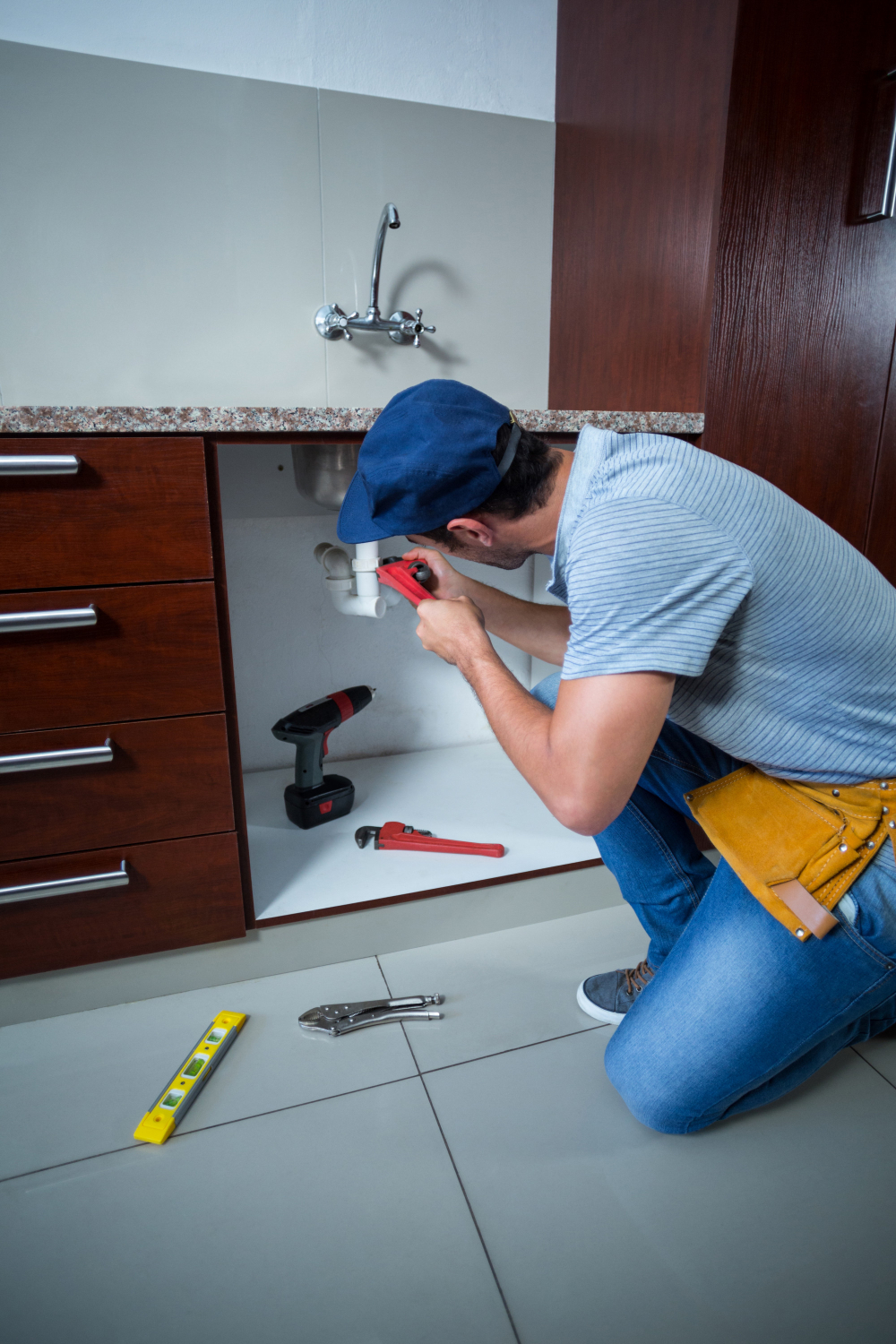
A slab leak happens when water pipes running beneath your home's concrete foundation start leaking. These pipes are buried under solid concrete, which makes the leaks hard to spot until they cause serious problems. Most homeowners don't even know they have a slab leak until they see water damage or get an unexpectedly high water bill.
The most common causes of slab leaks include poor installation, corrosion of old pipes, shifting soil beneath your foundation, and excessive water pressure that wears down pipe connections over time. Each of these issues puts stress on the pipes under your home, eventually leading to cracks or breaks. Understanding what causes these leaks helps you catch them early and avoid expensive repairs.
Your home's foundation sits on top of a network of water lines that bring fresh water in and carry waste water out. When these pipes fail, water seeps into the ground under your slab. This can lead to foundation damage, mold growth, and structural problems that cost thousands of dollars to fix.
In this article, we cover what you need to know about slab leaks, including why they happen, how to recognize them early, and what you can do to prevent them.
Keep reading to understand how slab leaks form, what warning signs to watch for, and how to protect your home's foundation from this costly plumbing problem.
Pipes under your concrete foundation don't last forever. Understanding what causes them to fail helps you spot problems before they get worse.
Pipe corrosion is one of the most common reasons for slab leaks. Older copper pipes react with minerals in your water and soil. This chemical reaction eats away at the metal over time. Homes built 30 or more years ago face higher risks because their pipes have been exposed to these conditions for decades.
Poor installation creates weak points in your plumbing system. Pipes that weren't properly secured can rub against concrete or gravel. Kinked pipes and poorly soldered joints also fail faster than correctly installed ones.
Ground movement puts stress on pipes beneath your home. Your foundation shifts slightly as soil expands and contracts with weather changes. Earthquakes, settling, and even nearby construction can cause enough movement to crack or break pipes.
Water pressure problems wear down your plumbing from the inside. High water pressure forces water through pipes at damaging speeds. The constant force weakens pipe walls and joints.
Abrasion from contact happens when pipes touch concrete, rocks, or other pipes. The friction from normal water flow causes pipes to vibrate slightly. Years of this rubbing motion wears holes through the metal.
Your pipes also face damage from:
Most slab leaks result from a combination of these factors rather than just one cause.
Plumbing leaks under slab develop through three main forces: constant water pressure wearing down pipes, soil that shifts and stresses the plumbing system, and pipe materials that break down as they age.
Water pressure inside your pipes typically ranges from 40 to 80 psi. This constant pressure pushes against pipe walls every second of every day.
Over time, this pressure creates weak points in your plumbing. Areas where pipes bend or connect are especially vulnerable. The water flow creates friction against the pipe's interior surface, gradually wearing away the material.
Pressure spikes make the problem worse. When you quickly turn off a faucet or your washing machine shuts its valve, the water slams against the pipe walls. These sudden impacts are called water hammer, and they can crack pipes that are already weak.
If your home has higher than normal water pressure, your pipes face even more stress. The extra force speeds up deterioration and can cause leaks to form years earlier than they would under normal conditions. A home water pressure repair assessment can confirm whether your current levels are safe.
The ground beneath your home never stays completely still. Soil expands when it gets wet and contracts when it dries out. This cycle puts physical stress on any pipes running through or beneath the foundation.
Clay soil is particularly problematic because it swells more than other soil types. When the soil moves, it can bend, shift, or crush the pipes embedded in it.
Settling is another common issue. As your home ages, the ground beneath it compacts and shifts. This settling can pull pipes in different directions, creating tension at joints and weak spots. Small earthquakes or heavy construction nearby can also move the soil enough to damage your underground plumbing.
Older homes often have copper pipes that corrode from the inside out. The minerals in your water create a chemical reaction that eats away at the pipe walls. Hard water speeds up this process.
Galvanized steel pipes, common in homes built before 1960, rust and deteriorate faster than copper. The zinc coating that protects these pipes eventually wears away, leaving bare metal exposed to water.
Even newer materials break down. PEX and PVC pipes can become brittle from constant exposure to certain soil chemicals. Temperature changes cause pipes to expand and contract, creating hairline cracks that grow into leaks.
The combination of age and constant use means every pipe has a lifespan. Most copper pipes last 50 years, while galvanized steel lasts about 40 years before problems develop. A whole-home repiping assessment can help you determine if aging pipes put your foundation at risk.
Pipes beneath your concrete foundation can develop leaks for several specific reasons, from chemical damage to physical stress. Understanding these causes helps you identify risks in your own home and take preventive steps before damage occurs.
Water chemistry plays a major role in how long your pipes last under your foundation. Minerals and chemicals in your water supply can slowly eat away at copper and other metal pipes over time.
Hard water contains high levels of calcium and magnesium that create acidic conditions inside pipes. These minerals react with the metal and gradually weaken the pipe walls from the inside out. The process happens so slowly that you won't notice until a leak develops.
Water with unbalanced pH levels speeds up corrosion even more. If your water is too acidic (low pH) or too alkaline (high pH), it attacks metal pipes more aggressively than neutral water.
Copper pipes installed in homes built before 2010 are especially vulnerable to this type of damage. The corrosion often starts as small pinhole leaks that grow larger as the metal continues to break down. Pipe corrosion in your supply lines is one of the clearest signals that your under-slab pipes may be at risk too.
Physical wear from constant friction creates weak points in pipes beneath your foundation. This happens when pipes move slightly due to water pressure changes or ground movement.
Every time water flows through your pipes, the pressure causes tiny movements and vibrations. When pipes rest directly against rough concrete or sharp gravel, these small movements create rubbing that wears down the pipe exterior. The protective coating on copper pipes gets scraped away first, then the metal itself starts to thin.
This problem gets worse in areas where water pressure fluctuates frequently. High-pressure water systems create more movement inside the pipes, which means more rubbing against surrounding materials.
Pipes installed without proper cushioning or sleeves are at the highest risk. The abrasion continues 24/7 for years until the pipe wall becomes thin enough to spring a leak.
Mistakes made when your home was built can lead to slab leaks years or decades later. Shortcuts and improper techniques create weak points that eventually fail.
Some contractors install pipes with kinks or sharp bends that create stress points in the metal. These areas experience higher pressure and wear out faster than straight sections. Poor-quality fittings and connections also fail sooner than properly installed joints.
Insufficient protection around pipes during concrete pouring is another common error. If installers don't secure pipes properly, the weight and movement of wet concrete can shift or damage them before it sets.
Using incompatible materials together speeds up deterioration. For example, connecting copper pipes to galvanized steel without proper transition fittings causes accelerated pipe corrosion at the joint. These installation flaws might not cause problems immediately, but they reduce your pipes' lifespan significantly.
Ground movement beneath your home puts stress on rigid pipes that can't flex or adjust. Your foundation expands and contracts with temperature changes and soil moisture levels throughout the year.
Clay-rich soils are particularly problematic because they swell when wet and shrink when dry. This cycle creates constant movement in your foundation. Pipes trapped in or under the shifting concrete get bent, stretched, or compressed with each change.
Areas with freeze-thaw cycles face additional challenges. When soil freezes, it expands and pushes against your foundation from below. The thawing process causes settling and shifting in the opposite direction.
Even small movements of just a fraction of an inch can crack pipes or loosen connections over time. Poor drainage around your foundation makes the problem worse by causing uneven soil saturation. This is also one of the leading conditions that triggers a need for slab leak detection services.
Natural forces and external conditions around your home can put stress on pipes beneath the foundation. Soil movement, weather changes, plant growth, and ground composition all create pressure that damages underground plumbing over time.
Temperature swings cause pipes to expand when heated and contract when cooled. This constant movement weakens the metal and joints in your plumbing system. In areas with hot summers and cold winters, pipes under your foundation experience this cycle repeatedly throughout the year.
Copper pipes are especially vulnerable to temperature stress. The metal expands and contracts at different rates than the surrounding concrete slab. Over time, this movement creates small cracks or separations at connection points.
Hot water lines face additional strain because they heat up every time you use hot water. The repeated expansion and contraction happens more frequently than with cold water pipes. This makes hot water lines more likely to develop leaks first.
Tree roots seek out water sources and can penetrate even small cracks in underground pipes. Large trees planted within 10 to 20 feet of your home pose the biggest risk. Roots from these trees can extend far beyond the visible canopy above ground.
As roots grow, they wrap around pipes and apply increasing pressure. This pressure can crack pipes or force joints apart. Once a small leak starts, the moisture attracts more root growth to that area.
Certain tree species are more aggressive than others. Willows, poplars, and oak trees have particularly invasive root systems. Even smaller ornamental trees can cause problems if planted too close to your foundation.
Soil beneath your home swells when it absorbs water and shrinks when it dries out. This movement shifts the position of pipes under your foundation. The shifting creates stress at connection points and can cause pipes to bend or break.
Clay-rich soils expand and contract more dramatically than sandy soils. During wet seasons, the ground swells and pushes upward on your foundation and pipes. During dry periods, the ground shrinks away and removes support from underneath.
Poor drainage around your home makes this problem worse. Water that pools near your foundation saturates the soil and increases expansion. Proper grading and drainage systems help minimize ground movement.
The type of soil under your home affects how quickly pipes corrode and deteriorate. Acidic soils break down copper pipes faster than neutral soils. Alkaline soils can damage different pipe materials through chemical reactions.
Soil with high mineral content conducts electricity between pipes and creates galvanic corrosion. This happens when different metals touch each other underground. The corrosion eats through pipe walls and creates pinhole leaks.
Rocky or unstable soil creates uneven support for pipes. Pipes that lack proper bedding can sag or bend under pressure. This stress concentrates at weak points and eventually causes breaks or separations. A leak detection service can confirm whether soil-driven damage is already occurring beneath your slab.
Certain physical changes in your home point directly to water escaping from pipes beneath your foundation. These warning signs often appear before major damage occurs, giving you time to address the problem.
Your water bill jumps without any change in your daily usage habits. This happens because water leaking under your slab runs continuously, even when you're not using faucets or appliances.
According to the U.S. Environmental Protection Agency, the average family can waste as much as 180 gallons per week, or roughly 9,400 gallons annually, from household leaks alone. A hidden slab leak adds significantly to that figure and will show up as an unexplained spike in your bill.
Track your monthly water bills over a three-month period. A spike of 20% or more without explanation suggests hidden water loss. The leak may be small at first, but it adds up to hundreds or thousands of gallons per month.
Check your water meter before bed, then again in the morning without using any water. If the meter shows water usage during this period, you likely have a leak somewhere in your system. This test works best when everyone in your home is asleep and no appliances are running.
You notice wet patches on carpets or floors that never fully dry. These damp areas appear because water seeps upward through your concrete slab and reaches your flooring materials.
Hot water line leaks create warm spots on your floor that feel unusual when you walk barefoot. The heat from the escaping water transfers through the concrete and makes specific areas noticeably warmer than surrounding surfaces.
Check for these signs in areas where water pipes run beneath your foundation:
Discoloration on flooring, warping wood, or lifting tiles also indicate moisture problems from below. These are often the first visible signs of a slab leak that homeowners notice.
You hear water flowing through pipes when all faucets are off and no appliances are running. This sound occurs because water under pressure escapes from broken pipes beneath your foundation.
Listen carefully in quiet moments, especially at night. The sound may be faint but constant. You might notice it more clearly in rooms with tile or hardwood floors since these surfaces transmit sound better than carpet.
Place your ear near the floor in different rooms to locate where the sound seems loudest. This helps pinpoint the general area of the leak before calling a professional leak detection service.
New cracks appear in your walls, baseboards, or floor even though your house isn't newly built. Water eroding soil beneath your foundation causes the concrete slab to shift and settle unevenly.
These cracks differ from normal settling cracks in several ways. They appear suddenly rather than gradually. They grow wider over weeks or months. They form in patterns that radiate from a central point where soil erosion is most severe.
Watch for cracks in these locations:
Your doors may stick or refuse to close properly as your foundation shifts. Windows might also become difficult to open when the frame distorts from uneven settling.
Regular maintenance and smart home care practices significantly reduce your risk of developing slab leaks. Key prevention strategies include scheduling professional inspections, controlling water pressure, replacing old pipes, and managing your property's drainage and soil conditions.
You should schedule professional plumbing inspections every two to three years to catch potential problems before they become major leaks. During these inspections, plumbers use specialized equipment to check for corrosion, wear, and weak points in your under-slab pipes.
According to the U.S. Environmental Protection Agency, ten percent of homes have leaks that waste 90 gallons or more per day, meaning many homeowners are losing significant amounts of water without ever noticing a visible problem. Routine inspections are the most reliable way to catch these hidden losses before they escalate into structural damage.
Between professional visits, watch your water bills for unexplained increases. A sudden spike often indicates a hidden leak somewhere in your system. You can also perform a simple water meter test by turning off all water sources and checking if the meter continues to move.
Your home's water pressure should stay between 40 and 80 psi. Pressure above this range puts excessive stress on your pipes and increases the likelihood of leaks developing under your slab.
You can install a pressure regulator on your main water line to maintain safe levels. These devices cost between $150 and $350 installed and protect your entire plumbing system.
According to the U.S. Environmental Protection Agency, fixing correctable household leaks can save homeowners about 10 percent on their water bills, making pressure management one of the most cost-effective steps you can take. If you notice noisy water pipes or leaking faucets, your pressure might already be too high.
Homes built before 1970 often contain copper pipes that corrode over time. If your home has original plumbing that's over 30 years old, you should consider repiping before leaks develop.
Common pipe materials and their approximate lifespans:
Modern materials like PEX offer better resistance to corrosion and ground movement. These flexible pipes also expand slightly with temperature changes, reducing stress on the system.
You don't always need to replace your entire system at once. A plumber can assess which sections pose the highest risk and prioritize those areas first. Residential repiping is a smart investment when pipes approach the end of their expected lifespan.
Poor drainage around your foundation causes soil to shift and settle unevenly. This movement can bend and stress the pipes running through your slab.
You need to ensure water flows away from your foundation. Your yard should slope at least six inches over the first ten feet from your home's perimeter. Clean gutters and downspouts regularly, and extend downspouts at least five feet from your foundation.
Maintain consistent soil moisture around your foundation. Extremely dry conditions cause soil to contract and pull away from your slab. Very wet conditions create excess pressure. During dry seasons, water your foundation area lightly to prevent excessive soil movement.
Trees planted too close to your home create risks. Their roots can damage pipes, and they pull significant moisture from the soil. Keep large trees at least 20 feet from your foundation.
Slab leaks happen when pipes beneath your concrete foundation start to leak. The most common causes include pipe corrosion, shifting soil, and poor plumbing installation during construction.
You need to take these leaks seriously because they can damage your home's foundation and structure. Both older homes and newer builds face risk from slab leaks, just for different reasons.
You should not try to fix a slab leak yourself. The pipes are buried under concrete, which requires special equipment and expertise to access and repair properly.
Taking preventive steps makes a big difference. Schedule regular inspections of your plumbing system. Keep an eye on your water pressure to make sure it stays at safe levels. Watch for warning signs like wet spots on your floor, unexplained water bills, or cracks in your foundation.
If you notice any signs of a slab leak, contact Dr. Rooter Lexington right away. Quick action prevents small leaks from turning into major structural problems.