Pipelines carry water, gas, and waste through your property every day, but you probably don't think about them until something goes wrong. Pipeline inspection services use advanced technology to check the condition of your pipes and find problems before they turn into costly repairs or safety hazards. These services help homeowners and businesses keep their plumbing systems running smoothly.
Household leaks waste an estimated ~900 billion gallons of water each year nationwide, which is a key reason to use a pipeline inspection service to catch hidden plumbing leaks early; according to the U.S. EPA WaterSense program, household leaks can waste nearly 900 billion gallons annually.
A professional pipeline inspection gives you a clear picture of what's happening inside your pipes. Trained technicians use cameras and other tools to look for cracks, blockages, corrosion, and other issues that can cause leaks or system failures. This process helps you make informed decisions about maintenance and repairs.
Understanding how pipeline inspections work and when you need them can save you money and prevent unexpected plumbing emergencies. In this article, you'll learn how a pipeline inspection service helps identify sewer line and plumbing issues early using video pipe inspection and pipe condition assessment.
Through the topics below, you'll learn how to spot warning signs, understand inspection results, and plan the right pipeline maintenance services:
- Pipeline inspection service for reliable plumbing
- What a pipeline inspection service includes
- Why pipeline inspections are important
- Common issues identified during pipeline inspections
- Benefits of professional pipeline inspection services
- When to schedule a pipeline inspection
- Why choose Dr. Rooter Lexington for pipeline inspection
Keep reading to learn what these services include, why they matter, and how to know when it's time to schedule an inspection for your property.
Pipeline inspection service for reliable plumbing
Pipeline inspection services help keep your plumbing system working properly. These services find problems before they turn into expensive repairs or cause damage to your property.
Professional plumbing inspections use camera technology to look inside your pipes. The cameras are small, waterproof, and flexible enough to move through your plumbing system. They provide clear images that show what is happening inside your pipes.
Camera-based inspection is a widely used standard for assessing sewer system conditions; per the U.S. EPA, closed-circuit television (CCTV) “has long been the industry standard” for evaluating sewer conditions, supporting the value of video pipe inspection for sewer line inspection and pipe condition assessment.
What pipeline inspections can find:
- Cracks and damage in pipes
- Blockages and buildup
- Root intrusions
- Corrosion and wear
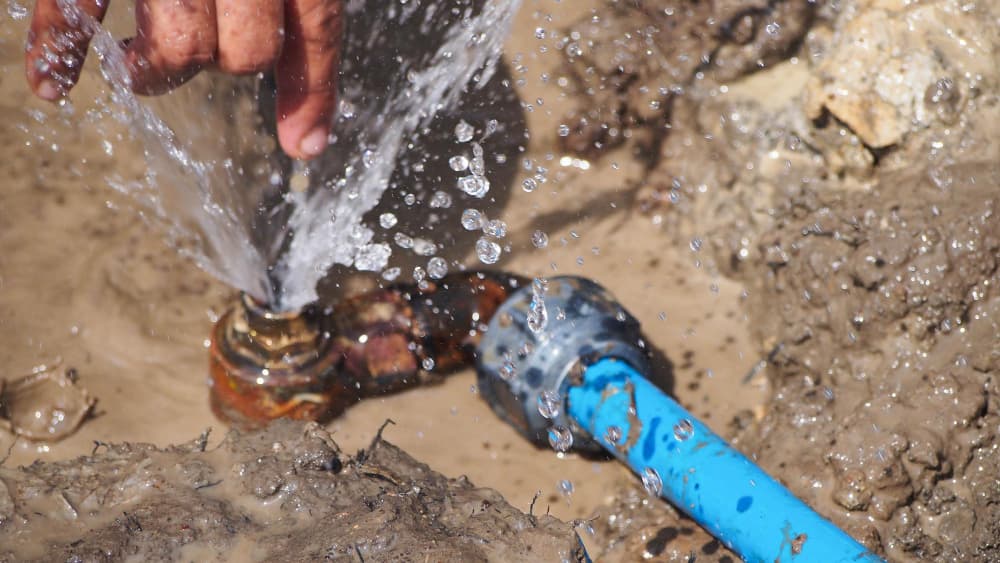
- Leaks and weak spots
You can use these inspections when you notice slow drains, unusual sounds, or changes in water pressure. They also work well for regular maintenance checks. The technology helps plumbers see issues that may develop into bigger problems later.
Camera inspections give you accurate information about your pipes without digging or breaking into walls. The process is faster and less disruptive than traditional methods. You get a complete view of your plumbing system's condition.
The inspection results help you make informed decisions about repairs and maintenance. You can address small issues before they become major failures. This approach saves money and prevents water damage to your home or building.
Regular pipeline inspections extend the life of your plumbing system. They help you maintain safety standards and avoid unexpected breakdowns.
What a pipeline inspection service includes
Pipeline inspection services use specialized equipment and techniques to evaluate the condition of pipes and identify problems before they become serious. These services examine everything from residential sewer lines to large industrial pipelines.
Video camera inspection of pipes
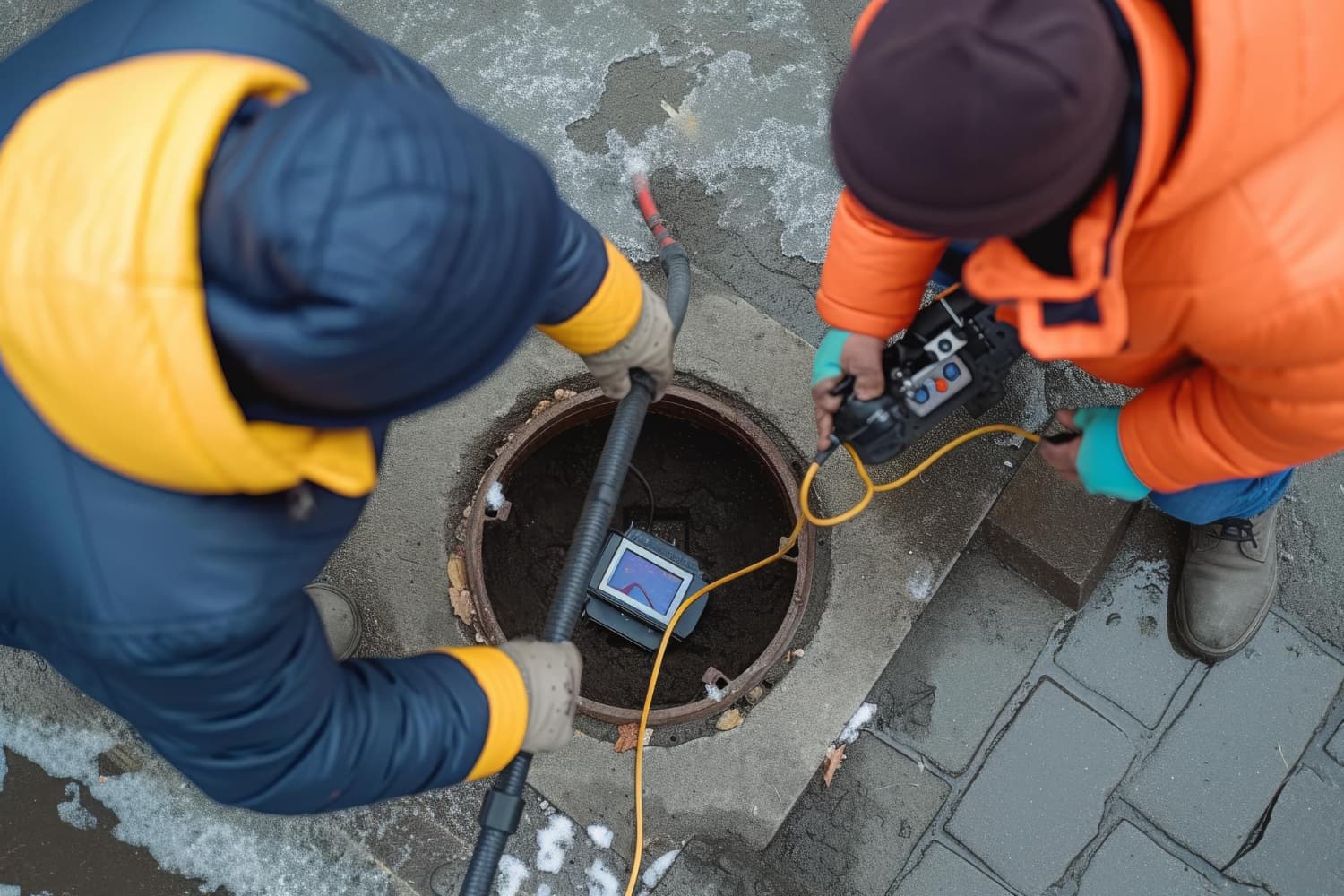
Video pipe inspection uses waterproof cameras mounted on flexible cables or robotic crawlers to examine the inside of pipes. The cameras transmit live footage to monitors above ground, allowing inspectors to see cracks, corrosion, root intrusion, and other damage. This method works for pipes ranging from small residential lines to large commercial systems.
The cameras can navigate through bends and joints in the pipe system. They capture high-resolution images that show the exact location and severity of any problems. Inspectors can zoom in on specific areas and record the footage for future reference.
This approach eliminates the need for extensive digging to locate problems. You get a clear view of your pipe's interior without disrupting your property or business operations.
Leak detection and blockage identification
Pipeline inspection services locate leaks using methods like pressure testing, acoustic sensors, and thermal imaging. Pressure testing involves filling the line with water or air and monitoring for pressure drops that indicate leaks. Acoustic sensors detect the sound of water or gas escaping from damaged pipes.
Blockage identification pinpoints obstructions caused by debris, mineral buildup, grease, or tree roots. Video cameras can show the exact nature and location of blockages. Some services use sonar technology to map blockages in pipes filled with water or waste.
Early detection of leaks prevents water damage, soil contamination, and wasted resources. Finding blockages before they cause complete pipe failure saves you from emergency repairs and service interruptions.
Sewage exposure can pose real health risks, reinforcing why early sewer line inspection matters when backups or leaks are suspected; according to the CDC, sewage and wastewater can contain bacteria, fungi, parasites, and viruses that can cause infections.
Condition assessment of sewer and water lines
Pipe condition assessment evaluates the structural integrity and remaining lifespan of your sewer line inspection and water systems. Inspectors examine wall thickness, material degradation, joint separation, and alignment issues. They check for corrosion on metal pipes and deterioration on concrete or clay pipes.
The assessment includes measuring the pipe's diameter to detect deformation or collapse. Inspectors note areas where sediment has accumulated or where the pipe has shifted from its original position. They evaluate connection points between pipe sections for signs of separation or infiltration.
This information helps you plan maintenance schedules and budget for future repairs or replacements. You can address minor issues before they require complete pipe replacement.
Comprehensive inspection reports
Inspection services provide detailed reports that document all findings from the pipe examination. Reports include photos or videos from camera inspections, maps showing problem locations, and descriptions of each issue discovered. They note the severity of damage and provide recommendations for repairs.
The reports typically include a rating system that classifies defects by urgency. Some services use standardized coding systems that make it easy to compare results over time. You receive measurements, GPS coordinates, and technical specifications for all identified problems.
These reports serve as valuable documentation for insurance claims, property transactions, and regulatory compliance. They give you a clear understanding of your pipeline's condition and help you prioritize maintenance activities based on actual needs rather than guesswork.
Why pipeline inspections are important
Regular pipeline inspections protect your infrastructure from unexpected failures and keep operations running smoothly. They help you spot problems early, avoid expensive emergency fixes, and ensure your system works safely and efficiently.
Detecting hidden leaks and potential failures
Pipeline inspections find problems you can't see from the outside. Corrosion eats away at pipes from the inside, creating weak spots that won't show up until it's too late. Internal inspection tools can detect wall thinning, cracks, and corrosion before they turn into leaks.
You need to catch these issues early because hidden damage gets worse over time. A small crack today becomes a major rupture next month. Inspection technology like smart pigs and ultrasonic testing reveals these defects while they're still manageable.
External factors also damage your pipes without obvious warning signs. Mechanical impacts, soil movement, and environmental stress create structural weaknesses. Regular inspections identify these problem areas so you can take action before a failure occurs.
Preventing costly emergency repairs
Planned maintenance costs far less than emergency repairs. When you schedule inspections and fix small problems early, you avoid the expenses of sudden shutdowns, environmental cleanup, and rush repairs. Emergency situations often require overtime labor, expedited parts shipping, and temporary workarounds that drive up costs.
Unplanned failures can shut down your entire operation. You lose revenue during downtime and may face penalties for missed deliveries or service interruptions. Regular inspections let you schedule repairs during planned maintenance windows when they cause the least disruption.
Maintaining system efficiency and safety
Clean, well-maintained pipes move product at the right flow rates. Buildup inside pipes reduces capacity and forces your pumps to work harder. Inspections identify areas where debris, scale, or corrosion restrict flow so you can restore full efficiency.
Safety depends on knowing your pipeline's condition. Leaks can create dangerous situations for workers and nearby communities. Pressure testing and integrity assessments confirm your pipes can handle their operating pressures without risk of failure.
You also need inspections to meet regulatory requirements. Pipeline operators must document their maintenance activities and prove they're managing risks properly. Regular inspections provide the records you need to stay compliant.
Common issues identified during pipeline inspections
Pipeline inspections reveal a range of problems that can compromise system integrity and performance. The most frequent issues include invasive tree roots that penetrate pipe joints, corrosion that weakens metal surfaces, accumulated debris that restricts flow, and structural damage ranging from minor cracks to complete pipe failure.
Tree root intrusion
Tree roots naturally seek out water sources and can infiltrate your pipeline system through even the smallest openings. Once inside, roots grow rapidly and expand, creating blockages that restrict flow and damage pipe walls.
Root intrusion typically occurs at pipe joints, cracks, or connection points where small gaps allow initial entry. The problem worsens over time as roots thicken and branch out inside the pipeline. You'll often see this issue in older clay or concrete pipes that have developed weak spots.
The damage from root intrusion extends beyond simple blockages. Roots can crack pipes open wider, separate joints, and create complete structural failures. Properties with large trees near pipeline routes face the highest risk, especially willows, poplars, and maples that have aggressive root systems.
Corrosion and rusted pipes
Metal pipelines deteriorate when exposed to moisture, chemicals, and environmental factors that cause oxidation. Corrosion eats away at pipe walls, reducing their thickness and structural strength over time.
External corrosion occurs when soil conditions, groundwater, or atmospheric exposure attack the outside of your pipes. Internal corrosion happens when the transported materials or chemicals react with the pipe's inner surface. Both types weaken the pipeline and create failure points.
You'll find corrosion most commonly in steel and iron pipes, particularly in areas with acidic soil or high moisture levels. Early-stage corrosion appears as surface discoloration or pitting. Advanced corrosion creates holes, leaks, and pipe wall thinning that requires immediate attention.
Galvanic corrosion develops when different metals contact each other in the presence of an electrolyte. This accelerates deterioration at connection points and joints where dissimilar materials meet.
Blockages and buildup
Pipelines accumulate various materials that reduce flow capacity and increase pressure on pipe walls. Scale, sediment, grease, and debris gradually build up on interior surfaces during normal operations.
The type of buildup depends on what your pipeline transports. Water lines develop mineral scale and sediment deposits. Sewer lines collect grease, soap residue, and solid waste. Oil and gas pipelines see wax, paraffin, and hydrocarbon accumulation.
Partial blockages create slow drainage and reduced flow rates. Complete blockages stop flow entirely and cause backups or overflows. The buildup also creates rough interior surfaces that trap more debris and accelerate the problem.
Regular cleaning prevents most blockage issues, but some materials bond tightly to pipe walls and require specialized removal methods. Hard scale and calcified deposits need mechanical cleaning tools or chemical treatments to restore full pipe capacity.
Cracks, leaks, and pipe collapse
Structural damage represents the most serious pipeline issues found during inspections. Cracks start small but grow under pressure and stress, eventually leading to leaks or complete pipe failure.
Ground movement causes many structural problems. Soil settling, earthquakes, construction activity, and freeze-thaw cycles create stress points that crack rigid pipes. Heavy traffic or construction equipment above buried pipelines adds additional load stress.
Common structural damage types:
- Hairline cracks - Small surface breaks that may not leak immediately but weaken pipe integrity
- Longitudinal cracks - Length-wise splits that follow the pipe axis
- Circumferential cracks - Breaks around the pipe's circumference, often from bending stress
- Joint separation - Gaps where pipe sections pull apart at connections
- Complete collapse - Total structural failure where pipes cave in or break apart
Age plays a significant role in structural failures. Older pipes made from cast iron or clay become brittle and crack more easily. Modern materials like PVC and HDPE resist cracking better but can still fail under extreme conditions or improper installation.
Leaks waste transported materials, damage surrounding areas, and create safety hazards. Active leaks appear during pressure testing, while dormant cracks may only fail under specific conditions.
Benefits of professional pipeline inspection services
Professional pipeline inspection services provide critical advantages that protect your property and infrastructure. These services detect issues early, deliver precise evaluations for necessary work, and offer confidence in your system's reliability.
Early detection of plumbing problems
Professional pipeline inspections identify problems before they turn into expensive emergencies. Inspectors use specialized equipment to spot leaks, corrosion, and blockages that are invisible from the surface. This early warning system helps you avoid sudden pipe failures that can flood your property or shut down operations.
Regular inspections catch small cracks and weak points in your pipes when repairs are still simple and affordable. Without professional detection, these minor issues often grow into major breaks that require extensive excavation and replacement. The inspection process also reveals buildup inside pipes that reduces water flow and increases pressure on pipe walls.
Pipeline maintenance services that include routine inspections save you money over time. When you know exactly where problems exist, you can schedule repairs during convenient times instead of dealing with emergency situations. This proactive approach extends the working life of your pipeline system by addressing wear and damage before it spreads.
Accurate assessment for repairs or replacements
Professional inspections give you detailed information about your pipeline's actual condition. Technicians provide clear reports that show the exact location and severity of any damage. This accuracy helps you make informed decisions about whether to repair specific sections or replace larger portions of your system.
Video inspection and testing methods eliminate guesswork from pipeline maintenance services. You receive documentation that shows the interior condition of your pipes, including measurements of corrosion depth and blockage size. This evidence-based approach prevents unnecessary work and ensures you invest in repairs that truly matter.
The assessment data also helps you plan budgets and maintenance schedules with confidence. You can prioritize the most critical repairs first and schedule less urgent work for later. This information proves valuable when you need to meet safety standards or prepare compliance reports for regulatory agencies.
Peace of mind for homeowners and businesses
Professional pipeline inspections remove uncertainty about your system's safety and reliability. You gain concrete knowledge about what's happening inside your pipes instead of wondering if problems exist. This assurance is particularly important for older properties where pipeline condition may be unknown.
Regular inspection services help you maintain compliance with safety regulations and industry standards. You have documentation proving your pipelines meet required specifications and receive proper maintenance. This record protects you from liability issues and demonstrates responsible infrastructure management.
The inspection process also reveals your system's remaining service life. You can plan for future replacements or upgrades with realistic timelines instead of facing unexpected failures. This forward-looking information supports better property management and helps you avoid disruptions to your daily operations or business activities.
When to schedule a pipeline inspection
Pipeline inspections should happen at specific times to protect your property and prevent costly damage. Key moments include major real estate transactions, after weather events that stress your system, and as part of regular maintenance schedules.
Before buying or selling a home
A pipeline inspection before a real estate transaction protects both buyers and sellers from unexpected problems. Buyers need to know the true condition of underground pipes before committing to a purchase. Hidden issues like corrosion, leaks, or structural damage can cost thousands of dollars to repair.
Sellers benefit from inspections too. Finding problems early lets you fix issues on your own timeline rather than during negotiations. A clean inspection report can also increase buyer confidence and potentially speed up the sale.
Most lenders and insurance companies prefer documented proof that pipelines meet safety standards. Schedule the inspection at least two weeks before closing to allow time for any necessary repairs. This timing gives all parties enough time to address findings without delaying the transaction.
After severe weather or flooding
Extreme weather puts significant stress on pipeline systems. Heavy flooding can shift soil around pipes and cause joints to separate or crack. Freezing temperatures may lead to pipe bursts that aren't immediately visible.
Inspect your pipelines within a few days after major storms, floods, or freeze events. Water pressure changes during flooding can push debris into pipes or damage protective coatings. Ground movement from saturated soil often creates weak points that will fail later if not addressed.
Even if you don't notice obvious problems, hidden damage may exist. Small cracks or displaced sections can worsen over time and lead to complete failures months later.
During routine plumbing maintenance
Regular inspections catch small problems before they become emergencies. Most residential pipelines should be inspected every three to five years depending on age and material. Older systems or those in high-risk areas may need annual checks.
Schedule inspections during your regular maintenance periods. Spring and fall are ideal times because weather conditions allow for easier access and repairs if needed. Combining pipeline inspections with other plumbing maintenance saves time and money.
Watch for warning signs between scheduled inspections. Slow drains, unusual odors, wet spots in your yard, or higher water bills all indicate potential pipeline issues that need immediate attention.
Why choose Dr. Rooter Lexington for pipeline inspection
Dr. Rooter Lexington combines over 23 years of local experience with modern inspection technology to identify pipeline problems accurately. Their licensed technicians provide detailed video inspections and clear reports that help you make informed decisions about your plumbing system.
Licensed, experienced plumbing technicians
Dr. Rooter Lexington employs licensed plumbers who have been trained to handle both residential and commercial pipeline systems. These technicians understand local building codes and work with various pipe materials and configurations found in properties throughout Lexington and the Midlands.
The team has served the community since 1999. They diagnose plumbing issues quickly because they have encountered similar problems in homes and businesses across the region.
Each technician receives ongoing training in inspection methods and repair techniques. This means you get accurate assessments from professionals who know how to spot early warning signs of pipeline damage.
Advanced video inspection technology
Dr. Rooter Lexington uses high-definition cameras to examine the inside of your pipes. These cameras travel through your pipeline and send back clear video footage that shows the exact condition of your system.
The video inspection process is non-invasive. Your technician can identify blockages, cracks, corrosion, and root intrusion without digging up your property.
This technology allows technicians to pinpoint the exact location and nature of problems. You avoid unnecessary excavation and get targeted repairs only where needed.
The camera inspection works for various pipe sizes and materials. It provides visual evidence of what's happening inside your pipeline system.
Transparent reports and expert recommendations
After completing the video inspection, Dr. Rooter Lexington provides you with clear documentation of their findings. You receive an honest assessment of your pipeline's condition without confusing technical jargon.
The team explains what they discovered during the inspection. They show you the problem areas and discuss the severity of any issues.
You get specific recommendations for repairs or maintenance based on what the inspection revealed. Dr. Rooter Lexington offers honest pricing and helps you understand your options.
Their 24/7 availability at no extra charge means you can schedule inspections when convenient for you. The company backs their work with a satisfaction guarantee.
Conclusion
Pipeline inspection services protect your infrastructure and keep your operations running smoothly. Regular inspections help you find problems before they become expensive failures or safety hazards.
You need to view pipeline inspections as a necessary investment rather than an optional expense. These services extend the life of your pipelines and reduce the risk of leaks, breaks, and environmental damage. Inspection, cleaning, pressure testing, and corrosion control work together to maintain your pipeline's integrity over time.
Working with a qualified inspection company gives you access to advanced technology and trained professionals. They can identify weak spots, measure corrosion, and assess structural conditions accurately. This information helps you make smart decisions about maintenance and repairs.
Your inspection schedule should match your pipeline type and operating conditions. Oil and gas pipelines typically need more frequent inspections due to their contents and pressure levels. Water and chemical pipelines have their own specific requirements based on what they transport.
Staying compliant with regulations protects you from fines and legal issues. Most jurisdictions require regular pipeline inspections to ensure public safety. These inspections also demonstrate your commitment to responsible operations.
Pipeline inspection services give you peace of mind knowing your infrastructure is monitored and maintained. The data you collect helps you plan future work and budget effectively. Taking care of your pipelines today prevents major problems tomorrow.
Schedule a pipeline inspection service with Dr. Rooter Lexington to complete a video pipe inspection, document sewer line conditions, and pinpoint leaks or blockages before they require excavation or emergency repairs.