Summer storms in the South Carolina Midlands are not gentle. They roll in fast, drop heavy rain in a short window, and leave behind saturated ground, overloaded drainage systems, and plumbing problems that many Red Bank homeowners do not connect to the weather until the damage is already done.
The relationship between a summer thunderstorm and your plumbing is more direct than most people realize. Heavy rainfall overwhelms outdoor drainage, raises the water table, and saturates the clay soils that surround your buried sewer and water lines. That saturated ground puts pressure on pipes, infiltrates through cracks, and pushes stormwater into a sewer system that was not designed to handle it. Inside the house, the effects show up as slow drains, gurgling toilets, sewage backups through floor drains, and in serious cases, standing water in the basement or crawl space.
Understanding how summer storms affect plumbing in Red Bank is the first step toward protecting your home before the next one hits. Red Bank sits in Lexington County just outside Columbia, and the combination of Midlands clay soil, aging residential infrastructure, mature trees, and a storm season that runs from late spring through early fall creates a specific set of vulnerabilities that every homeowner in the area should understand.
This article breaks down exactly what happens to your plumbing during and after a heavy storm, which parts of the system are most at risk, what you can do before storm season to reduce your exposure, and how to respond when a storm reveals a problem you did not know you had.
In this article, you will learn about:
Keep reading to learn how to protect every part of your home's plumbing from the kind of summer storms the Midlands delivers every year.
The damage a summer storm does to your plumbing is mostly invisible. It happens underground, in the soil around your pipes, in the joints and cracks of your sewer line, and in the drainage pathways that connect your home to the municipal system. Understanding the mechanics explains why storms cause problems that show up hours or even days after the rain stops.
The Midlands of South Carolina sits on dense, expansive clay that behaves differently from sandy or loamy soils. When a heavy storm drops two or three inches of rain in an hour, that clay absorbs moisture and swells. The expansion is slow enough that you do not see it happening, but the force is significant. Buried pipes, especially older lines made of clay tile or cast iron, experience mechanical pressure from every direction as the soil around them expands.
That pressure does not break a healthy pipe in a single storm. But it does compound over years and across dozens of storm cycles. Each expansion event pushes joints slightly further apart, widens hairline cracks by fractions of a millimeter, and shifts pipe sections that were already close to misalignment. The American Society of Civil Engineers has noted that expansive soils cause more annual property damage in the United States than floods, hurricanes, tornadoes, and earthquakes combined, and the Columbia metro area, including Red Bank, sits squarely in a region with significant deposits of these soils.
The practical takeaway is that every major storm event advances the aging process of your underground pipes by a small increment. A line that was marginally sound before storm season may have new cracks, wider joint gaps, or a slightly worse belly after a summer of heavy rain. The damage accumulates invisibly until a symptom appears inside the house, and by that point the underlying deterioration has often been building for several seasons.
When the ground is saturated, stormwater looks for any path of least resistance to move through the soil. Cracks in your sewer line, separated joints, gaps around cleanout connections, and any opening in the pipe become entry points. Groundwater and stormwater infiltrate the sewer line and add volume to a system that is only designed to carry household wastewater.
This infiltration has two immediate effects. First, it reduces the remaining capacity of your sewer line, so the normal waste and water from your household has less room to flow. Second, it introduces soil, sediment, and debris into the pipe, which settles in low spots and contributes to blockages that build over time.
The U.S. Environmental Protection Agency identifies stormwater infiltration through cracks and leaky joints as one of the primary causes of sanitary sewer overflows nationwide, alongside grease and root intrusion. In Red Bank, where many homes have sewer lines that have been in the ground for 30 to 50 years or more, the number of potential infiltration points in any given line increases with each passing storm season.
During and after a heavy storm, the water table in the Midlands rises. The clay soil holds moisture near the surface rather than letting it drain quickly to deeper layers. That elevated water table creates hydrostatic pressure against the exterior of your sewer pipe, your foundation, and any buried plumbing components.
For sewer lines, this external pressure can push groundwater into the pipe at every weak point. For basements and crawl spaces, it can force water through foundation cracks and floor joints. For homes with sump pumps, a rising water table means the pump runs more frequently and for longer cycles, and any failure during peak demand leads directly to flooding.
The water table does not drop back to normal the moment the rain stops. In clay soils, it can remain elevated for days or even weeks after a storm, which means the pressure on your plumbing infrastructure continues long after the skies clear. Problems that appear two or three days after a storm are often caused by this sustained groundwater pressure rather than the rain event itself.
Of all the plumbing systems in your home, the main sewer line is the most exposed to storm damage and the most expensive to repair when it fails. It runs underground from the house to the street, passes through the exact soil conditions that storms disrupt, and connects to a municipal system that can become overwhelmed during heavy rain events.
Most sewer backups during storms do not happen because the storm alone caused the problem. They happen because the storm exposed a vulnerability that was already there. A line with partial root intrusion, a developing grease buildup, a small belly that traps sediment, or a joint that has separated just enough to slow flow, these conditions can exist for months without producing obvious symptoms during normal daily use.
Then a heavy storm hits. Stormwater infiltrates the line through the same cracks the roots entered. The water table rises and adds external pressure. The municipal system downstream backs up slightly because every home in the neighborhood is experiencing the same infiltration. Suddenly, a line that was functioning at 60 percent capacity drops to 20 percent, and the next time someone flushes a toilet or runs the washing machine, wastewater has nowhere to go.
The result is a sewer backup that appears to have been caused by the storm but was actually caused by a pre-existing condition that the storm pushed past its tipping point. This distinction matters because it means the backup will happen again during the next heavy rain unless the underlying condition is identified and addressed.
A sewer camera inspection after a storm-related backup reveals exactly what the storm exposed. Roots, cracks, bellies, joint separations, and infiltration points all show up on the camera, and the findings drive the right repair decision rather than a guess-and-hope approach that leaves you vulnerable to the next storm.
Rain stimulates root growth. The moisture that saturates the soil around your sewer line also feeds the root systems of every tree and shrub in your yard, and those roots respond by growing more aggressively toward the water source they are already tapped into, your sewer pipe.
If roots have already entered your line through a crack or a separated joint, a heavy storm season accelerates their growth inside the pipe. The root mass thickens, branches, and catches more debris with every passing week. A line that was manageable with annual hydro jetting during a dry year may need more frequent service during a wet summer, because the roots are growing faster and the additional stormwater infiltration adds volume and debris to the mix.
For Red Bank homes with mature oaks, maples, or willows within 30 feet of the sewer line, the post-storm period is a particularly vulnerable window. The root intrusion that was quietly building through the spring can accelerate dramatically during a summer of heavy storms, and the first sign is often a backup during or immediately after a heavy rain event.
Not all sewer lines respond to storm stress equally. Modern PVC pipe with sealed, glued joints resists infiltration and tolerates soil movement far better than the materials used in older homes. Clay tile, with its short segments and mortared joints, is the most vulnerable. Every joint is a potential failure point under soil pressure, and mortared seals degrade over decades.
Cast iron is structurally stronger than clay but corrodes from the inside, and that corrosion thins the pipe walls over time. A cast iron line that has been in the ground for 50 years may have walls thin enough that the hydrostatic pressure from a heavy storm creates new cracks or widens existing ones.
If your Red Bank home was built before the 1980s, the sewer line is likely clay tile or cast iron. Both materials are past or approaching the end of their expected service life, and storm season is when that age shows. A pipeline inspection before storm season, or after the first major storm event, gives you a clear picture of how the line is handling the stress and whether preventive action can extend its life or whether replacement is the better long-term investment.
For Red Bank homes with basements, crawl spaces, or below-grade utility areas, the sump pump is the last line of defense between a rising water table and a flooded interior. Summer storms put that system under maximum stress, and a failure at the wrong moment turns a manageable rain event into a costly water damage event.
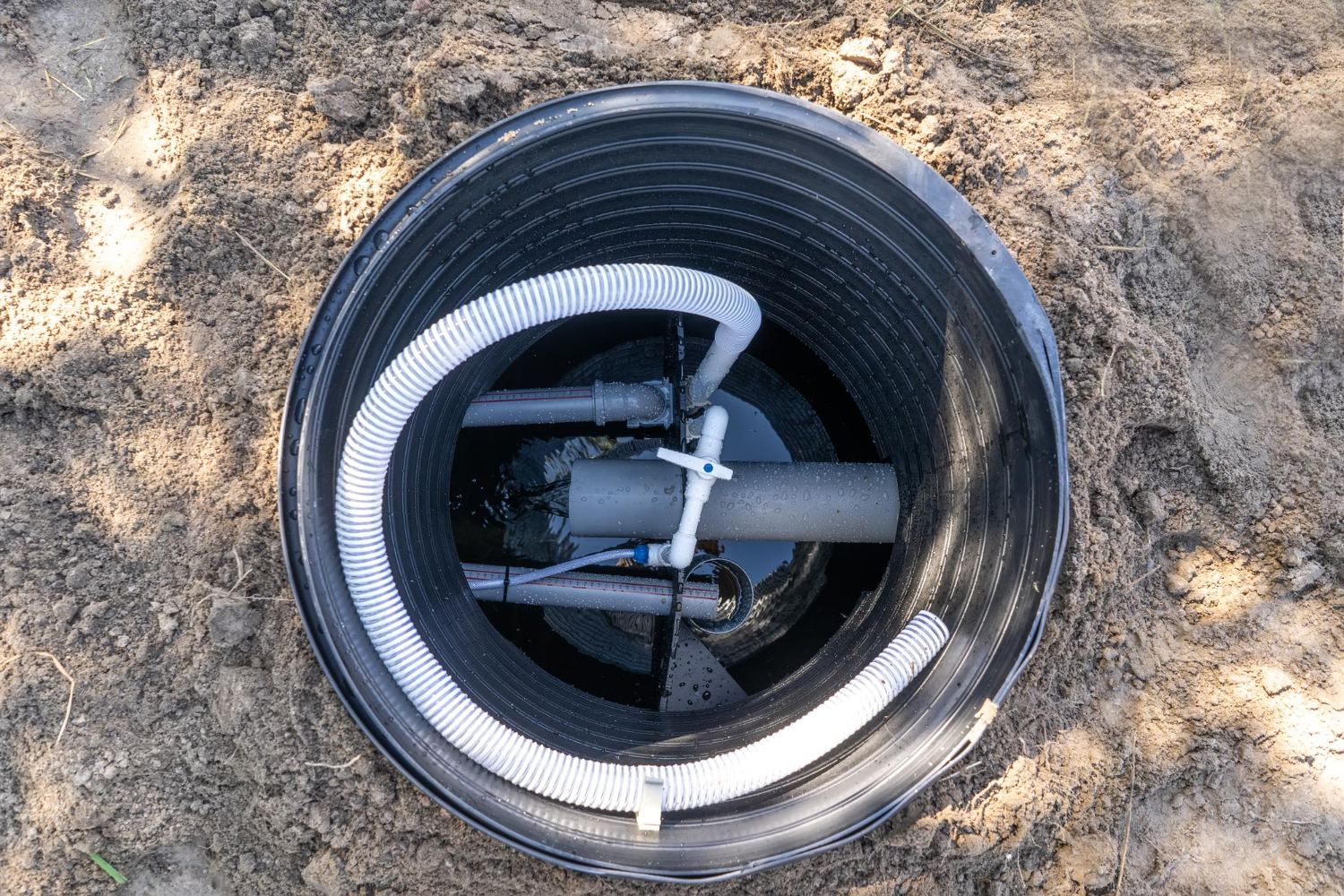
A sump pump sits in a pit at the lowest point of your basement or crawl space. As groundwater rises during and after a storm, it enters the pit through drain tiles or perforations in the sump basin. The pump activates, pushes the water out through a discharge line, and keeps the water level below your floor.
During a heavy Midlands thunderstorm, the volume of groundwater entering the pit can increase dramatically. A pump that cycles once every few hours during normal conditions may run continuously for hours during and after a major storm. That sustained operation puts stress on the motor, the float switch, and the discharge line, and any failure at peak demand means water rises past the pit and onto the floor.
The most common sump pump failure modes during storms include:
If your sump pump is not working during a storm, the consequences are immediate. Water enters the basement, damages flooring and drywall, destroys stored belongings, and creates the conditions for mold growth that can persist long after the water is removed.
A sump pump should be tested at least twice a year, once before storm season and once before winter. The test is simple: pour water into the pit until the float switch activates, confirm the pump engages and moves water through the discharge line, and verify that it shuts off when the water level drops. Check the discharge line outside the house to make sure water is actually exiting and flowing away from the foundation.
Beyond the basic test, an annual sump pump inspection should include:
For homes that have experienced basement moisture during past storms, upgrading to a higher-capacity pump or adding a backup system before the next storm season is a straightforward investment that prevents a far more expensive cleanup later.
Storm damage to plumbing is not limited to the sewer line and the sump pump. The drains inside your house are connected to that same main line, and when the system is stressed by storm conditions, the symptoms show up at the fixtures you use every day.
When stormwater infiltrates your sewer line and reduces its available capacity, the household wastewater you are sending into the system has less room to flow. The first sign is usually slow drains across multiple fixtures. The kitchen sink takes longer to empty. The shower pools water around your ankles. The toilet flushes sluggishly or takes longer to refill.
If the storm is severe enough and the sewer line is already compromised, the next stage is water backing up through the lowest fixtures in the house. Floor drains, first-floor bathtubs, and ground-level showers are the first to show backup symptoms because they sit closest to the main sewer line connection. You might see murky water rising in the tub, hear gurgling from a floor drain, or notice water pooling around a drain that is normally dry.
These symptoms do not always appear during the storm itself. The sewer system may hold together while the rain is falling but struggle in the hours afterward, when accumulated stormwater continues to infiltrate through saturated soil and the municipal system is still recovering from peak volume. A backup that happens the morning after a storm is just as much a storm-related event as one that happens during the downpour.
If only one drain is slow after a storm, the problem is likely local to that fixture. A leaf or debris may have entered an outdoor drain connection, or the fixture's trap may have accumulated enough buildup that the reduced system capacity pushed it past its limit. A plunger, a hand snake, or a basic drain cleaning usually handles it.
When multiple drains throughout the house slow down or back up at the same time, the issue is in the main sewer line. The storm has either caused new infiltration, added volume to a line that was already partially blocked, or both. This is not something a plunger or a bottle of drain cleaner will solve. It requires a professional assessment with a camera to determine what the storm exposed and what needs to happen to prevent the same result during the next heavy rain.
The worst response is to wait and see if it resolves on its own. A line that backed up during one storm will back up again during the next one unless the underlying vulnerability is addressed. The water table drops, the drains seem to recover, and the homeowner assumes the problem fixed itself. Then the next storm hits, the same infiltration points flood the line again, and the backup returns, often worse because the interim period allowed more sediment and debris to accumulate.
A sulfur or sewage smell coming from drains after a heavy rain is not unusual, but it is not normal either. The odor usually means that the storm disrupted the pressure balance in your sewer system, siphoning water out of P-traps or forcing sewer gas back through drain openings.
In most cases, running water in each fixture for 30 seconds refills the traps and eliminates the smell. If the odor persists after every trap is refilled, the issue is deeper. A cracked sewer line that is leaking gas, a venting problem caused by debris on the roof vent, or a main-line blockage that is disrupting normal airflow through the system are all possibilities that a professional can diagnose and resolve.
While most storm damage to plumbing happens underground and out of sight, summer storms also affect the plumbing components you can see and access around the exterior of your home. Walking the property after a storm and knowing what to look for can catch problems early.
After a heavy storm, some standing water in the yard is normal and expected, especially in clay-heavy soil that drains slowly. What is not normal is water that pools in the same specific area every time, particularly if that area runs along the path of your sewer line from the house to the street.
Persistent pooling over the sewer line suggests the pipe is leaking wastewater into the surrounding soil. The leak saturates the ground above it, and after a storm adds more moisture to already-saturated soil, the area floods visibly. You might also notice:
Any of these signs warrants a sewer line inspection to determine whether the pipe has cracked, collapsed, or separated at a joint. The sooner a leaking pipe is identified, the more repair options are available and the less soil erosion and secondary damage occurs.
Summer storms bring wind, debris, and occasionally hail. Outdoor faucets, hose bibs, and any exposed piping can sustain physical damage from impacts or shifting from soil movement around the foundation. After a storm, check each outdoor water connection for:
A minor outdoor leak may seem insignificant, but water running along the foundation during repeated storm events can erode soil, undermine the foundation's support, and create pathways for water to enter the basement or crawl space. A dripping hose bib that you would normally get around to fixing eventually becomes more urgent when storm season is adding its own water to the same area.
Your sewer cleanout is usually a capped pipe near the foundation or near the property line. During heavy rain, if the cap is missing, cracked, or loose, stormwater enters the sewer line directly through the opening. This is one of the simplest storm-related plumbing vulnerabilities to fix and one of the most commonly overlooked.
After a storm, check that the cleanout cap is present, seated properly, and not cracked. Replace any damaged caps immediately. If your home does not have a backflow prevention valve, a device that allows wastewater to flow out of the house but prevents it from flowing back in, a heavy storm season is a strong argument for having one installed. A backflow preventer will not fix a compromised sewer line, but it will protect the interior of your home from a sewage backup caused by municipal system overload during a major storm event.
The most effective time to address storm-related plumbing risks is before the storms arrive. A few hours of inspection and preventive work in late spring or early summer can prevent the kind of emergency calls that happen during and after major weather events.
If your sewer line has not been inspected in the past two years, or if you experienced any slow drains or backup symptoms during last year's storm season, a pre-season camera inspection is the highest-value step you can take. The camera reveals the current condition of the line, identifies cracks, root entry points, joint separations, bellies, and corrosion, all of which are the weak points where stormwater infiltrates and blockages form.
Addressing those vulnerabilities before the storms start is dramatically cheaper and less disruptive than dealing with a mid-storm backup. A line that needs professional cleaning or a targeted repair can be handled on your schedule, with competitive quotes, rather than as an emergency call at midnight during a thunderstorm.
Outdoor drains, downspout connections, and gutters that are clogged with leaves, mulch, or debris cannot do their job during a storm. Water that should be directed away from the house pools near the foundation instead, saturating the soil directly above your sewer line and around your basement or crawl space.
Before storm season, clear every gutter, downspout, and outdoor drain on the property. Make sure downspouts discharge at least four to six feet from the foundation, and verify that the grading around the house directs water away from the structure rather than toward it. These are basic landscaping and drainage steps, but they have a direct impact on how much stormwater reaches your plumbing infrastructure underground.
A sump pump that fails during the first heavy storm of the season is a pump that should have been tested before the season started. The testing process takes five minutes and can prevent thousands of dollars in water damage.
Pour water into the sump pit until the float activates. Confirm the pump engages, moves water through the discharge line, and shuts off when the level drops. Check the battery backup. Inspect the discharge line for blockages or damage. If the pump is more than seven to ten years old, consider replacing it proactively rather than waiting for it to fail during the storm that matters most.
If a storm causes a pipe to burst, a connection to fail, or a water line to break, the first thing you need to do is shut off the water to the house. Every household member should know where the main shutoff valve is and how to operate it. In most Red Bank homes, it is located near the water meter at the street or where the main water line enters the house.
Practicing this once before storm season means you can act immediately if a storm creates a situation where water needs to be shut off quickly. Fumbling to find the valve while water is flooding the basement costs time and amplifies the damage.
Even with preparation, summer storms can reveal problems that no amount of preventive work anticipated. Knowing how to respond in the hours and days after a storm minimizes damage and gets you to a professional solution faster.
If drains throughout the house are sluggish after a heavy rain, the sewer line has likely taken on stormwater through infiltration points. Reduce water use in the house until the drains recover, and monitor the situation over the next 24 to 48 hours as the water table drops.
If the drains return to normal as the ground dries, the line is functional but has infiltration points that will cause the same issue during the next storm. Schedule a camera inspection to identify those points and determine whether cleaning, sealing, or repair is the right next step.
If the drains do not recover or get worse, the storm may have caused new damage, a shifted joint, a collapsed section, a root mass that the added volume pushed into a full blockage. Call for professional service rather than waiting for the situation to resolve on its own.
If sewage is actively coming up through a floor drain, toilet, or bathtub, stop all water use in the house immediately. Do not flush, do not run sinks, do not start any water-using appliance. Every gallon that enters the system adds to the volume that has nowhere to go.
Keep everyone away from the contaminated area. The U.S. EPA confirms that sanitary sewer overflows carry bacteria, viruses, parasites, and other pathogens that present real health risks. Do not attempt to clean up sewage with household products. Call for emergency plumbing service to clear the line and a restoration professional if the contamination has reached flooring, drywall, or stored belongings.
After the immediate crisis is resolved, a camera inspection identifies what failed and why, so the repair addresses the cause rather than just the symptom. A backup that happened because a storm overwhelmed an already-compromised line will happen again unless the compromised section is repaired or replaced.
If a storm reveals a new depression, a persistently soggy patch, or a sinkhole in your yard that was not there before, something has shifted underground. The most common cause is a sewer pipe that cracked, collapsed, or separated at a joint, allowing soil to wash into the void. The storm's water volume accelerated the process and made the surface evidence visible.
Do not fill the depression with dirt and move on. The pipe beneath it is compromised, and the problem will continue to worsen with each rain event. A professional assessment determines whether the pipe can be lined or repaired in place or whether the section needs full replacement.
Gurgling drains, bubbling toilets, and sewage odors that appear after a storm and do not resolve within a day or two indicate that the storm caused or worsened a problem in the sewer line. Gurgling means air is trapped in the line because flow is restricted. Bubbling means pressure is building and escaping through the nearest available opening. Persistent odors mean gas is escaping through compromised seals, dry traps, or cracked pipe.
None of these are cosmetic issues. Each one points to a condition in the sewer line that needs professional diagnosis, and each one will recur during the next storm unless addressed. A camera inspection identifies the source, and the right repair or maintenance plan prevents the next storm from producing the same result.
Red Bank homeowners prepare for summer storms by securing outdoor furniture, checking the roof, and stocking up on supplies. Very few think about the plumbing system running underground through the same soil that every storm disrupts, or the sump pump sitting quietly in the basement waiting for the demand it may not be able to handle.
The homes that come through storm season without plumbing emergencies are the ones where the sewer line was inspected and cleaned before the rains started, the sump pump was tested and serviced, the outdoor drainage was cleared, and the homeowner knew what to look for during and after a heavy event.
The homes that end up with sewage on the floor, a flooded basement, or a collapsed sewer line are almost always homes where a pre-existing vulnerability met a storm that pushed it past the breaking point. The storm was the trigger, but the condition was there long before the clouds rolled in.
If your plumbing made it through last summer without issues, a pre-season inspection this year confirms it is still in good shape. If you had any slow drains, strange sounds, or backup symptoms during past storms, those signals mean the line is already compromised and the next storm will make it worse.
Either way, Dr Rooter serves Red Bank, Lexington, Columbia, and the surrounding Midlands with camera inspections, hydro jetting, and sewer line repair that gives you clear answers about what your plumbing needs before storm season decides for you.