Your sump pump protects your basement from flooding and water damage every day. When it stops working properly, your home faces serious risk from water that can ruin your belongings and weaken your foundation. A broken sump pump needs fast attention to keep your basement dry and safe.
According to FEMA, heavy rain can saturate soil and drive groundwater into a basement through the sump pit, and a functioning sump pump is designed to move that groundwater away from the home through drainage piping.
Most sump pump problems can be fixed with simple repairs, which cost far less than replacing water-damaged floors, walls, and personal items. Common issues like stuck float switches, clogged discharge lines, and worn check valves often have straightforward solutions. Catching these problems early saves you money and prevents bigger headaches down the road.
This guide helps you understand when your sump pump needs repair and what the repair process involves. You'll learn the warning signs to watch for, how professionals fix common problems, and ways to keep your pump running smoothly between service calls.
Here's what you need to know:
Whether you need immediate help or want to prevent future issues, knowing the basics of sump pump repair gives you the power to protect your home.
Your sump pump stands as the main defense against water entering your basement. When it stops working properly, your home faces serious risks like flooding, mold growth, and damage to your foundation.
Common signs your sump pump needs repair include:
Water damage can cost thousands of dollars to fix. A broken sump pump allows moisture to seep into your basement, creating the perfect environment for mold and mildew. This affects your indoor air quality and can damage stored items, walls, and flooring.
Regular repair and maintenance keep your pump working when you need it most. Many failures happen during heavy storms when the system works hardest. Acting quickly when you notice problems prevents small issues from becoming major disasters.
Professional repair services check all pump components, including the float switch, discharge line, and backup power systems. They identify worn parts before they fail completely. Your basement stays dry and protected year-round with a properly functioning sump pump.
Ignoring repair needs puts your entire home at risk. Foundation cracks from water pressure can compromise your home's structure. The humidity from standing water attracts pests and creates unpleasant odors throughout your living space.
Sump pump repair involves identifying problems with your pump and fixing them so water can be removed from your basement or crawl space. This work includes checking electrical connections, replacing damaged parts, and making sure water flows away from your home properly.
The first step in any repair is finding out what's wrong with your sump pump. You need to check if the pump has power by looking at the electrical outlet and circuit breaker. Sometimes the issue is as simple as an unplugged cord or a tripped breaker.
If your pump has power but still won't run, the float switch might be stuck. The float switch tells the pump when to turn on and off based on water levels. You can test this by lifting the float manually to see if the pump activates.
Strange noises from your pump often mean something is wrong inside. Grinding sounds can indicate damaged bearings or debris in the impeller. Rattling noises might mean loose parts that need to be tightened or replaced.
You should also check if water is entering the sump pit but not being pumped out. This usually means the pump motor has failed or the impeller is clogged with debris.
Sump pumps have several parts that wear out over time and need replacement. The impeller pushes water through the discharge pipe, and it can become damaged or clogged with dirt and gravel. When this happens, you need to remove the pump and clean or replace the impeller.
The check valve prevents water from flowing back into the sump pit after the pump shuts off. A broken check valve forces your pump to work harder and can cause it to fail early. You can replace this valve by cutting the discharge pipe and installing a new one.
Float switches control when your pump turns on and off. If the float gets stuck or breaks, your pump won't activate when water rises. Most float switches can be replaced without buying a new pump.
The discharge pipe and connections can crack or come loose over time. You'll need to replace damaged pipes to ensure water flows away from your foundation properly.
Your sump pump needs clear pathways to move water away from your home. The sump pit should be free of dirt, rocks, and other debris that can clog the pump or float switch. You should clean out the pit at least once a year.
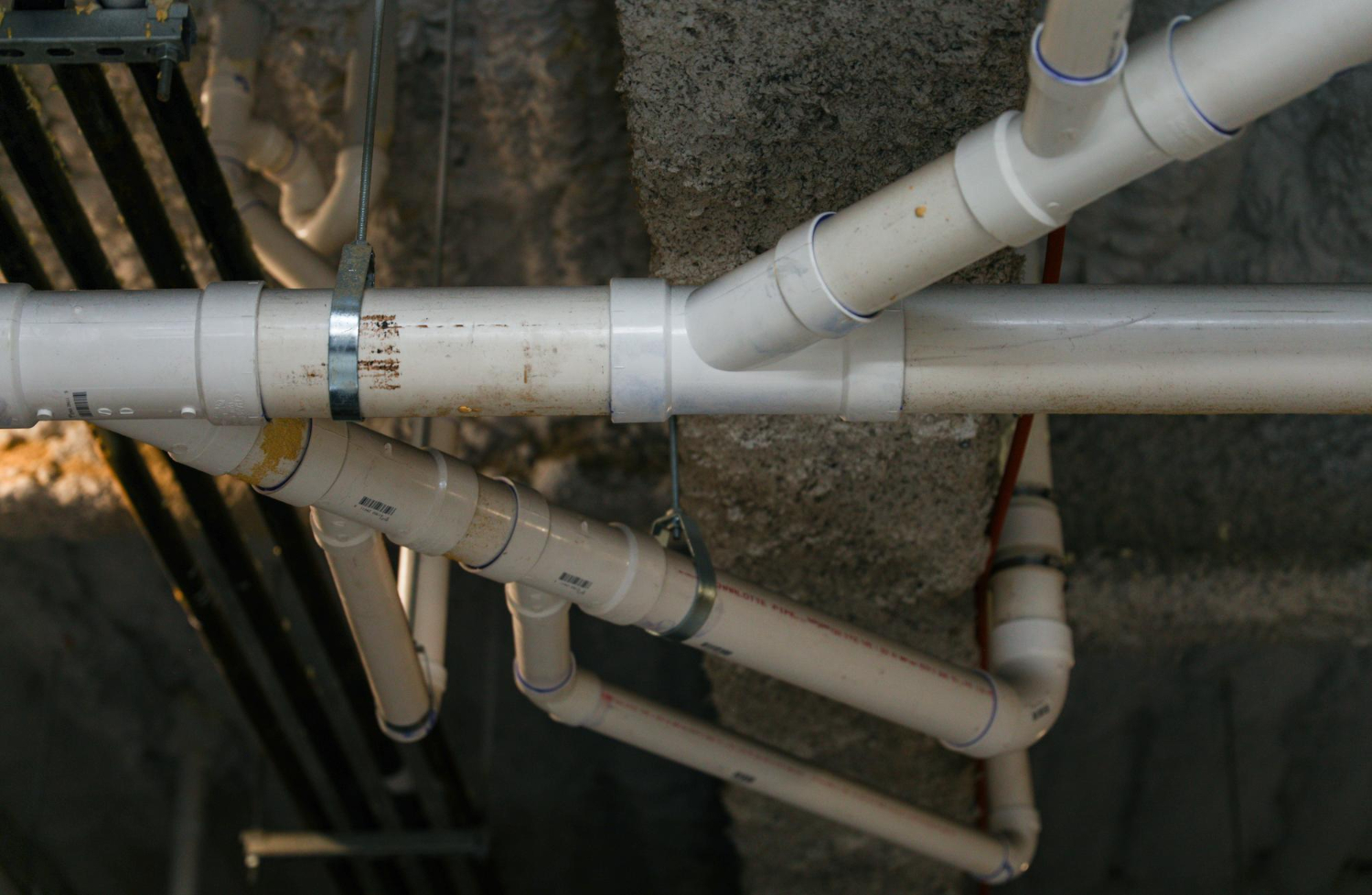
The discharge pipe must direct water at least 10 to 20 feet away from your foundation. If the pipe is too short or points toward your home, water will seep back into your basement. Check that the pipe slopes downward so water doesn't pool inside.
According to North Dakota State University (NDSU), a basic sump pump check should confirm the outlet pipe is not frozen shut or plugged and that it directs water away from the house so discharged water doesn’t cycle back toward the foundation.
Ice can block discharge pipes during winter months. Installing a freeze-proof discharge line or adding insulation helps prevent this problem. Some homeowners add a secondary discharge route in case the main line freezes.
You should test your drainage system by pouring water into the sump pit. The pump should turn on quickly and remove the water within a few minutes.
A working sump pump protects your home from water damage that can cost thousands of dollars to fix. When your pump fails during heavy rain or snow melt, water can flood your basement and damage your belongings, walls, and flooring.
Regular repairs keep your pump ready to handle sudden increases in groundwater. You should test your pump every few months by adding water to the pit and watching it activate. This simple check helps you catch problems before a storm hits.
Per the U.S. EPA, drying water-damaged areas and items within 24–48 hours is a key step to help prevent mold growth after basement moisture or flooding.
A broken sump pump can create conditions for mold to spread through your basement and into your living spaces. This affects your indoor air quality and can cause health problems.
Your home's foundation can crack and settle when water pressure builds up around it. A functioning sump pump reduces this pressure and helps maintain your foundation's strength.
Most sump pumps last 7 to 10 years with proper care and timely repairs. Fixing small problems early prevents them from becoming major failures that require full pump replacement.
You should inspect your pump's components every three to four months. Look for signs of rust, loose connections, or unusual wear. Replace any parts that show damage before they cause the whole system to fail.
Cleaning the sump pit and pump removes debris that makes your pump work harder than necessary. When your pump doesn't have to fight against clogs and blockages, it uses less energy and lasts longer.
Installing a backup power source protects your pump during power outages. A battery backup or water-powered backup pump keeps your basement dry even when the electricity goes out. This dual protection means your primary pump doesn't have to work as hard during every storm.
A sump pump protects your basement from flooding, but it won't work properly when something goes wrong. Watch for these warning signs that tell you it's time to get professional help before water damage occurs.
Standing water in your basement means your sump pump isn't doing its job. You might notice puddles forming near the sump pit or along the basement walls after heavy rain. The water level in the pit itself may rise higher than normal or drain very slowly.
A working sump pump should remove water quickly and keep your basement dry. When water starts pooling, the pump may have a clogged discharge line, a broken impeller, or insufficient pumping capacity. Sometimes the pump runs but can't keep up with the water flow.
Check the discharge pipe outside your home. If water isn't flowing out when the pump runs, you have a blockage or frozen pipe. Don't wait to address this issue. Water damage to your foundation, walls, and belongings can cost thousands of dollars to repair.
Your sump pump should run quietly with just a low hum. Loud or strange sounds signal mechanical problems that need attention.
Common warning sounds include:
A motor that sounds like it's struggling means internal parts are wearing out. Vibrating or shaking during operation points to a pump that's not properly secured or has damaged internal components. These noises won't go away on their own and usually get worse over time.
A sump pump should turn on when water reaches a certain level and shut off when the water is pumped out. If your pump runs constantly or turns on and off every few minutes, something is wrong.
The float switch might be stuck in the on position or damaged. This makes the pump think water is always present. A pump that's too small for your needs will cycle constantly because it can't keep up with water volume.
Check valve problems can also cause cycling. Without a working check valve, water flows back into the pit after the pump shuts off, triggering it to start again immediately. This constant operation wears out the motor much faster than normal and increases your electricity bill.
Rust and corrosion on your sump pump are serious warning signs. Look at the pump body, pipes, and electrical connections for orange or brown discoloration. Metal components should look clean and intact.
Battery backup systems and electrical parts corrode when exposed to moisture over time. Cracked or damaged housing can let water into the motor. You might see mineral deposits or sediment buildup on the pump surfaces.
Age plays a role here too. Most sump pumps last seven to ten years before parts start breaking down. If yours is older and shows visible wear, replacement might be more cost-effective than repeated repairs.
The float switch activates your pump when water rises to a certain level. If the pump doesn't turn on during rain or runs when the pit is empty, the float switch likely failed.
The float can get tangled on pipes or debris in the pit. It might stick in one position due to mineral buildup. Test your pump by pouring water into the pit and watching if it activates at the right level.
Power problems show up as a pump that won't start at all. Check your circuit breaker first. If the breaker is fine but the pump still doesn't work, the motor may be burned out or electrical connections could be damaged. Never attempt electrical repairs yourself. Call a professional to safely diagnose and fix power issues.
Professional technicians follow a systematic approach to diagnose and fix sump pump problems. They start with a complete inspection, test all components, clear any blockages, replace broken parts, and verify everything works correctly before finishing the job.
A technician begins by unplugging the pump to work safely. They examine the entire sump pit for water levels, sediment buildup, and any signs of structural damage to the basin itself.
The professional checks the pump's exterior for cracks, corrosion, or physical damage. They look at all visible pipes and connections to find leaks or loose fittings. The discharge pipe gets special attention since it carries water away from your home.
The float switch receives a careful visual check. Technicians look for obstructions that might prevent the float from moving freely. They also inspect the power cord for fraying or damage that could cause electrical problems.
Inside the pit, professionals check the pump's position. Your pump should sit level on the pit floor or on a stable base. If it has tilted or shifted, this can affect how well it operates.
After the visual inspection, the technician plugs the pump back in and manually lifts the float switch. This test shows whether the pump activates when it should. A working pump should start immediately when the float reaches the trigger position.
The professional pours water into the pit to simulate real conditions. They watch how the pump responds as water levels rise and fall. This reveals whether the automatic switch functions correctly without manual help.
Technicians measure how long the pump takes to empty the pit. Slow pumping can signal a weak motor or partial blockage. They also listen for unusual noises like grinding, rattling, or screeching that indicate mechanical problems.
The check valve gets tested by turning off the pump and watching if water flows backward. A faulty check valve forces your pump to work harder and can cause premature failure.
Professionals remove the pump from the pit to access the intake screen or inlet openings. These areas often collect dirt, gravel, and other debris that restrict water flow. They use brushes and clean water to thoroughly clean these components.
The impeller inside the pump housing gets special attention. Technicians disassemble the pump housing to reach the impeller, which can become jammed with small stones, sticks, or thick sediment. They carefully remove all obstructions and clean the impeller blades.
The discharge pipe and outlet connections get flushed to clear any buildup. Professionals may use a plumber's snake or high-pressure water to break up stubborn clogs. They also check the outdoor discharge point to make sure water can flow freely.
The sump pit itself gets cleaned if needed. Technicians remove accumulated sediment and debris from the bottom and sides of the basin to prevent future problems.
When parts show wear or damage, professionals swap them out with new components. The float switch is a common replacement item since it handles constant movement and can wear out over time.
Technicians replace check valves that no longer seal properly. A new check valve prevents water from flowing back into the pit after the pump shuts off. They use the correct size and type for your specific pump model.
Worn impellers get replaced to restore proper pumping capacity. The motor bearings might need replacement if they show signs of wear or make grinding noises. Damaged power cords and plugs get swapped for safety reasons.
Professionals also replace deteriorated discharge pipes, cracked pump housings, and failed motor components. They use manufacturer-approved parts or high-quality alternatives that meet the original specifications.
The technician reassembles everything and places the pump back in the pit at the correct position. They plug in the pump and run multiple complete cycles to verify all repairs work as intended.
They measure the pump's cycle time and compare it to normal operating standards. The pump should activate at the right water level, run smoothly, and shut off completely when the pit empties. This confirms the float switch and automatic controls function correctly.
Professionals test the system under heavy load by adding large amounts of water quickly. This simulates storm conditions and shows whether your pump can handle peak demand. They check for leaks at all connection points during operation.
Before leaving, the technician provides you with information about what they fixed and any maintenance tips. They may recommend a backup battery system or replacement timeline based on the pump's age and condition.
Getting your sump pump fixed quickly by a professional protects your home from water damage and keeps your basement dry. Regular repairs also help your pump last longer and work better when you need it most.
A broken sump pump can't remove water from your basement when heavy rains hit. Water builds up fast and floods your space, damaging floors, walls, and anything you store there.
Professional repairs catch problems before they cause flooding. Technicians find worn parts, clogs, and mechanical issues that stop your pump from working right. They fix these problems so water gets pumped out properly.
The cost of fixing a pump is much less than replacing damaged carpets, drywall, and furniture. Water damage also weakens your home's foundation over time. Quick repairs give you strong basement water protection and stop small issues from becoming expensive disasters.
Your sump pump must move water away from your home quickly and without stopping. Even small problems can slow down drainage and let water collect in your basement.
Professionals clean debris from the sump pit and check that all parts move freely. They test the float switch to make sure it turns the pump on when water rises. They also inspect discharge pipes for blockages that slow water flow.
A well-maintained pump removes several gallons of water per minute. This keeps your basement dry even during storms. Regular service ensures your drainage system works at full power when you need it.
Standing water and damp basements create perfect conditions for mold and mildew. These fungi grow on walls, floors, and stored items within 24 to 48 hours after water exposure.
Mold causes health problems like allergies, breathing issues, and skin irritation. It also creates musty odors and damages building materials. Removing mold costs thousands of dollars and requires special equipment.
Timely pump repairs prevent basement flooding that leads to mold growth. A working pump keeps moisture levels low and your space dry. This protects your family's health and saves you from expensive mold removal services.
Most sump pumps last seven to ten years with proper care. Skipping repairs makes parts wear out faster and shortens your pump's life.
Professional technicians replace worn components before they break completely. They clean the pump motor and check electrical connections for damage. They also ensure the pump isn't working harder than necessary due to clogs or mechanical problems.
Regular repairs can add years to your pump's lifespan. This means you replace your system less often and save money over time. A well-maintained pump also uses less energy and lowers your utility bills.
Storms and snowmelt bring lots of water that tests your sump pump's ability to protect your home. Worrying about whether your pump will work adds stress you don't need.
Professional service gives you confidence that your system is ready. Technicians inspect every part and fix anything that could fail during a storm. They also test your backup battery if you have one.
You can relax knowing your basement stays dry no matter how hard it rains. This peace of mind is especially valuable if you store important items in your basement or have a finished living space there.
Regular sump pump maintenance helps prevent unexpected failures and extends the life of your equipment. Simple checks and cleaning tasks can save you from costly water damage and emergency repairs.
You should test your sump pump every three to four months to make sure it works when you need it. Pour a bucket of water into the sump pit until the float rises and triggers the pump. The pump should start quickly, remove the water, and shut off automatically.
Listen for unusual noises during the test. Grinding, rattling, or loud humming sounds indicate problems that need attention. Check that water drains away from your home through the discharge pipe.
If the pump fails to start or struggles to remove water, you need to address the issue immediately. Testing takes only a few minutes and gives you peace of mind that your basement stays protected during heavy rain.
Dirt, rocks, and other debris can clog your sump pump and cause it to fail. Check your sump pit every few months and remove any items that have fallen inside. Use a plastic scraper or your hands to clear away buildup on the pit walls.
Clean the inlet screen on your pump to prevent blockages. Remove the pump from the pit and rinse it with clean water to wash away mud and sediment.
The discharge pipe also needs attention. Make sure nothing blocks the opening where water exits your property. Ice can form in winter and prevent proper drainage, so check this area during cold weather.
A clean sump pit allows the float to move freely and helps your pump run efficiently. This basic task takes less than 30 minutes but significantly reduces the risk of pump failure.
Backup sump pumps run on batteries when power goes out. These batteries typically last three to five years, but you should check them twice per year. Look for corrosion on the battery terminals and clean it with a wire brush if needed.
Test your backup pump by unplugging the primary pump and adding water to the pit. The backup system should activate and remove the water without problems.
Replace batteries before they reach the end of their expected life. A dead battery means no protection during power outages, which often happen during severe storms when you need your pump most. Mark your calendar with the installation date so you know when to replace them.
Your discharge pipe must direct water at least 10 to 20 feet away from your foundation. Water that pools near your home flows back into the basement and overworks your pump. Check the end of the discharge pipe after rain to confirm water drains properly.
Look for cracks or leaks in the discharge pipe. Cold weather can split pipes, and normal wear creates holes over time. Replace damaged sections immediately to maintain proper drainage.
Remove leaves, grass clippings, and other debris from around the discharge opening. The pipe should slope away from your house to prevent water from flowing backward. In winter, make sure ice doesn't block the exit point.
A trained technician can spot problems you might miss during routine checks. Annual inspections identify worn parts before they fail and keep your pump running efficiently. Professionals test electrical connections, examine the check valve, and verify the float switch operates correctly.
Technicians also assess whether your pump has enough capacity for your home. An undersized pump struggles during heavy rain and wears out faster. They can recommend upgrades if your current system doesn't meet your needs.
Professional maintenance includes thorough cleaning and lubrication of moving parts. This service typically costs less than emergency repairs and gives you documentation of your pump's condition for insurance purposes.
Dr. Rooter Lexington offers skilled plumbing technicians who understand local homes and provide fast service when you need it most. You get transparent pricing and expertise that works for any type of residential property.
Dr. Rooter employs licensed plumbers who live in the Lexington community. These technicians have the training and credentials needed to diagnose sump pump problems accurately. They understand the specific challenges that come with Lexington homes, from older properties to newer constructions.
Your sump pump system requires someone who knows what they're doing. The plumbers at Dr. Rooter can identify issues quickly and recommend the right solutions. They stay current with plumbing codes and industry standards to ensure your repair meets all requirements.
Sump pump failures don't wait for convenient times. Dr. Rooter provides emergency sump pump service when water threatens your basement. Their team responds quickly to prevent flooding and water damage.
You can reach out any time you notice your sump pump isn't working properly. The service includes rapid assessment and repair to get your system running again. Whether your basement is already flooding or you hear unusual noises from your pump, Dr. Rooter addresses the problem without unnecessary delays.
You receive clear explanations about your sump pump issues and repair options before any work begins. Dr. Rooter provides upfront pricing so you know what to expect. There are no surprise charges or hidden fees added to your bill.
The technicians take time to explain what went wrong with your pump and what repairs are needed. They answer your questions and help you understand the best solution for your situation. This approach lets you make informed decisions about your residential sump pump repair.
Dr. Rooter works on sump pumps in various residential settings throughout Lexington. Their plumbers handle historic homes with unique plumbing setups and modern houses with current systems. They know how different home types affect sump pump installation and maintenance.
Your home's age and construction don't limit their ability to help. Whether you live in a historic property or a recently built house, the team adapts their approach to fit your specific needs. They understand local building codes and how they apply to different residential properties in the area.
Your sump pump protects your home from water damage and basement flooding. Regular maintenance and quick repairs help it work when you need it most.
Many sump pump problems are simple to fix on your own. You can check power connections, clean out clogs, and test float switches with basic tools. These small tasks take little time but prevent bigger issues.
Some repairs need professional help. Call an expert if you face electrical problems, motor failures, or issues you can't identify. A professional can also tell you if replacement makes more sense than repair.
Older pumps that break down often cost more to fix than replace. A new pump gives you better performance and fewer worries during heavy rain.
Taking care of your sump pump saves money and stress. Small problems become expensive disasters when ignored. Stay ahead by watching for warning signs and acting fast when something seems wrong.
Your basement stays dry when your sump pump works right. Put these repair tips to use and check your system regularly.
Schedule emergency sump pump service with Dr. Rooter Lexington now for sump pump repair so a licensed plumber can restore proper pumping, verify the discharge line drains away from your foundation, and help prevent basement flooding.