A plumbing emergency does not announce itself with a countdown. One moment everything is fine. The next, there is water spraying from a wall, sewage rising through a floor drain, or a ceiling dripping faster than you can set up buckets. The first five to ten minutes after a plumbing emergency starts determine how much damage your home sustains, and most of what happens in those minutes depends on you, not the plumber, because the plumber is not there yet.
Knowing what to do during a plumbing emergency in Killian before professional help arrives is the kind of knowledge you hope you never need and are grateful to have the moment you do. The actions are not complicated. Shut off the water, stop using fixtures, protect your belongings, and document the situation. But under the stress of watching water flood your home, those simple steps get skipped or done out of order unless you have thought them through ahead of time.
Killian sits in the northern part of Richland County in the South Carolina Midlands, and homeowners here face the same plumbing vulnerabilities that affect the broader Columbia metro area.
Aging pipe materials in older homes, expansive clay soils that shift with the seasons, mature trees with root systems that invade sewer lines, and summer storms that push drainage systems past their limits all create the conditions where emergencies happen. The U.S. Environmental Protection Agency estimates between 23,000 and 75,000 sanitary sewer overflows occur in the United States each year, not counting backups into buildings, and many of those begin with the same root causes present in Killian neighborhoods: grease, roots, and deteriorating infrastructure.
This article covers the specific emergencies Killian homeowners are most likely to face, what to do in the first minutes of each one, the mistakes that make the damage worse, and how to position yourself for the fastest possible professional response.
In this article, you will learn about:
- The first 60 seconds matter more than anything else
- A burst pipe is flooding the house, now what
- Sewage is coming up through the drains
- A hidden leak just revealed itself
- Your water heater is failing or flooding
- The toilet will not stop overflowing
- Mistakes that make plumbing emergencies worse
- After the emergency, what happens next
Keep reading so that the next time your plumbing fails without warning, you already know exactly what to do while you wait for the truck to arrive.
The First 60 Seconds Matter More Than Anything Else
Every plumbing emergency shares the same opening move. Before you assess the damage, before you call anyone, before you start moving furniture, you need to stop the water. Everything else is secondary to cutting off the source of the flooding, because every second the water runs is more damage to your floors, walls, ceilings, and belongings.
Know Where the Main Shutoff Valve Is Before You Need It
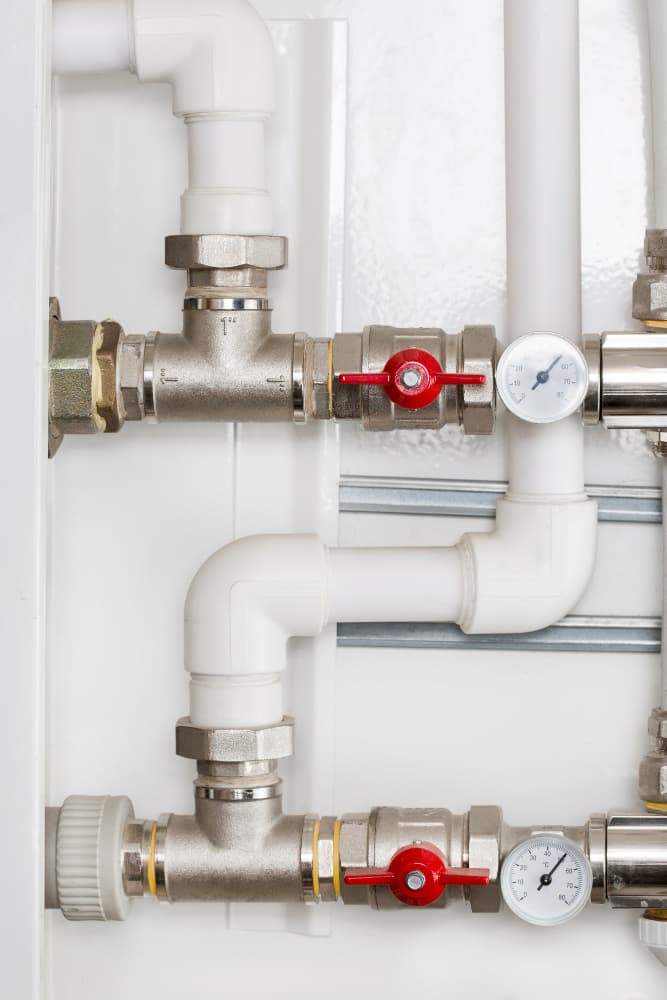
The main water shutoff valve controls all water entering your home. Turning it off stops the flow to every fixture, every appliance, and every pipe in the house. In a burst pipe emergency, this is the single most important action you can take, and it needs to happen within the first minute.
In most Killian homes, the main shutoff valve is located in one of these places:
- Where the main water line enters the house, typically in the basement, crawl space, garage, or a utility closet on an exterior wall
- Near the water heater, particularly in homes without a basement
- At the water meter near the street, inside a covered box at ground level. This is the backup option if the interior valve is inaccessible or does not work.
The time to find this valve is now, before anything goes wrong. Walk through your home, locate the valve, and make sure every adult in the household knows where it is and how to operate it. If the valve is a gate valve (round handle, turns multiple times), it closes by turning clockwise. If it is a ball valve (lever handle), it closes by turning the lever perpendicular to the pipe. If the valve is corroded, stiff, or will not turn, have a plumber service or replace it as part of your next routine maintenance visit. A shutoff valve that does not shut off is useless in an emergency.
If the emergency involves a single fixture rather than a supply line, most fixtures have individual shutoff valves directly below or behind them. These small valves, typically located under sinks, behind toilets, and behind washing machines, can isolate the problem without cutting water to the entire house.
Cut the Power if Water and Electricity Are Mixing
If water is flooding an area with electrical outlets, appliances, or wiring, turn off the electricity to that area at the breaker panel before stepping into the water. Water and electricity are a dangerous combination, and standing in a flooded room with live outlets or submerged appliances is a safety hazard that comes before any plumbing consideration.
If the breaker panel is in the flooded area and you cannot reach it safely, do not enter the water. Call your utility company's emergency line and wait for them to cut power from outside before you do anything else. No amount of water damage is worth an electrocution risk.
Then Call the Plumber
Once the water is stopped and the area is electrically safe, call for emergency plumbing service. When you make the call, be ready to describe:
- What happened, as specifically as you can. A burst pipe in the wall is different from a sewer backup through the floor drain, and the plumber dispatches differently depending on the type of emergency.
- Where in the house the problem is located.
- Whether you were able to shut off the water, and if so, where.
- Whether there is any visible electrical hazard.
- Whether sewage is involved, because that changes the safety protocols and the equipment the plumber brings.
Clear, specific information gets the right technician to your home faster with the right tools. A vague description of "water everywhere" requires the plumber to bring equipment for every scenario, which can delay dispatch.
A Burst Pipe Is Flooding the House, Now What
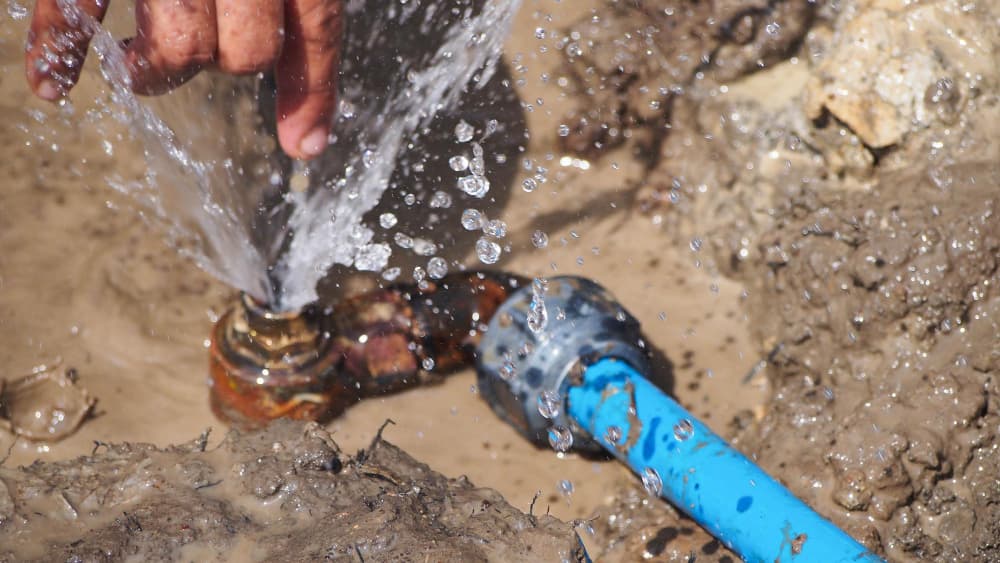
A burst pipe is the most dramatic and most time-sensitive plumbing emergency a homeowner can face. Water under full municipal pressure pours through the break continuously until the supply is cut off, and a standard residential supply line can deliver several gallons per minute. In a matter of minutes, a burst pipe can saturate flooring, soak drywall up the wall cavity, flood into adjacent rooms, and begin dripping through ceilings to the floor below.
Shut Off the Main Valve Immediately
This is the first and only priority. Get to the main shutoff valve and close it. Do not stop to assess the damage, move furniture, or grab towels first. Every second the water runs adds to the total volume flooding your home. Once the valve is closed, the pressure drops, the flow stops, and you have bought yourself time to deal with everything else.
If the burst is in a specific branch line and you can identify which fixture's shutoff valve controls it, closing that individual valve may stop the flow without cutting water to the entire house. But if you are not sure which valve to close, go straight to the main. Shutting off all the water is always the right call when you are unsure.
After closing the valve, open a faucet at the lowest point in the house, typically a ground-floor or basement laundry sink, to drain any remaining water from the system. This reduces the volume of water still sitting in the pipes above the break and limits additional dripping.
Protect What You Can While You Wait
Once the water is off, you have a window before the plumber arrives. Use it to minimize secondary damage:
- Move furniture, electronics, rugs, and valuables away from the wet area. Anything porous that stays in contact with standing water absorbs it and becomes harder or impossible to salvage.
- If water is pooling on a hard floor, use towels, blankets, or a wet-dry vacuum to remove as much as you can. The faster standing water is removed, the less it soaks into subfloor materials and the lower the risk of warping, mold, and structural damage.
- If water is dripping through a ceiling, place buckets or containers to catch it and poke a small hole in the lowest point of any bulging drywall section. A bulging ceiling full of water can collapse without warning, and a controlled drain through a small hole is far less destructive than an uncontrolled collapse.
- Open windows or doors in the affected area to start air circulation. Moving air slows moisture absorption into building materials and begins the drying process.
Do not attempt to repair the burst pipe yourself unless you have plumbing experience and the right materials. A temporary fix that does not hold creates a false sense of security, and the damage that occurs when it fails a second time is often worse because the homeowner has turned the water back on and left the area.
Common Causes Behind a Burst Pipe in Killian
Burst pipes are not random events. They result from specific conditions that have been building over time, and understanding the cause helps prevent a recurrence:
- Pipe corrosion in older homes with galvanized steel or aging copper supply lines. The pipe wall thins over decades until it can no longer withstand normal operating pressure, and a weak point gives way.
- Freezing temperatures, particularly during the occasional Midlands cold snaps that catch homes without adequate insulation off guard. Water expands as it freezes inside the pipe, and the resulting pressure cracks or bursts the line.
- Soil movement from the region's expansive clay soils, which can stress buried water lines at connections and joints. A supply line running through shifting soil may develop a crack that worsens over months until it fails.
- High water pressure that exceeds what the pipe and fittings are rated for. Homes without a properly functioning pressure regulator can experience pressure spikes that stress joints and weakened sections of pipe.
After the emergency repair, a plumbing diagnostic assessment can determine whether the burst was an isolated failure in one section or a sign of system-wide deterioration that puts other sections at risk. If the home has galvanized steel pipes and the burst occurred due to corrosion, other sections of the same pipe are likely in similar condition, and a whole-home repipe may be the most cost-effective path forward rather than waiting for the next section to fail.
Sewage Is Coming Up Through the Drains
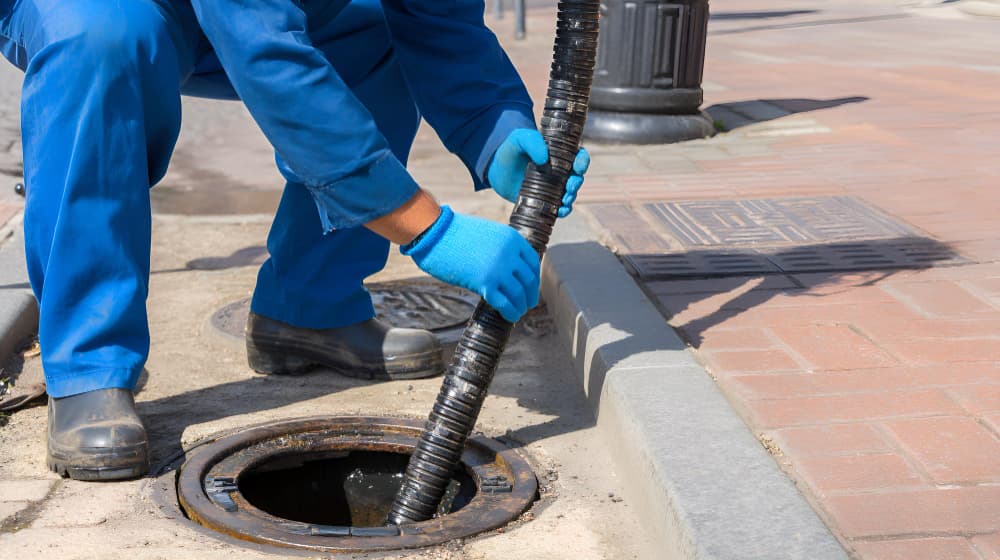
A sewer backup is a different kind of emergency. The immediate threat is not just water damage. It is contaminated water carrying bacteria, viruses, parasites, and other pathogens that present real health risks to everyone in the house. The response prioritizes safety first, damage control second.
Stop All Water Use in the House
Unlike a burst supply pipe, a sewer backup does not stop when you close the main water valve. The sewage is being pushed back into the house by pressure from the blocked sewer line, and the backed-up volume is already in the pipe. Closing the water supply prevents you from adding more volume to the system, which is important, but it does not reverse the backup.
The critical action is to stop sending any water into the drain system. Do not flush toilets, run sinks, start the dishwasher, or use the washing machine. Every gallon that enters the system from the house side pushes the backed-up sewage further into your living space. Stop all water use immediately and keep it stopped until a professional clears the line.
Keep Everyone Away From the Contaminated Area
Raw sewage is a biohazard. The EPA identifies sanitary sewer overflows as containing bacteria, viruses, protozoa, intestinal worms, and molds. Contact with sewage water, even briefly, can cause gastrointestinal illness, skin infections, and respiratory problems. Children, elderly family members, pregnant women, and anyone with a compromised immune system are at higher risk.
Clear the affected area immediately. Close doors to contain the contamination to the smallest possible space. Do not walk through standing sewage to retrieve items. Do not attempt to mop, squeegee, or vacuum the sewage with household equipment. Do not use fans or your home's HVAC system to try to dry the area, because this can spread airborne contaminants throughout the house.
If the backup is limited to a small area around a floor drain or a single fixture, contain it and wait for professional help. If the backup has spread across a room or multiple rooms, the contamination footprint will require professional remediation after the plumbing emergency is resolved, and minimizing your exposure in the meantime is the priority.
What Caused the Backup
Sewer backups in Killian homes most commonly result from one of these conditions:
- Root intrusion through cracks or joint separations in the main sewer line. Roots grow into the pipe, create a net that catches debris, and eventually produce a full blockage.
- Grease accumulation that has been building inside the kitchen drain line and main sewer line for months or years. The grease narrows the pipe until one more load of debris creates a full blockage.
- Non-flushable items, particularly wipes, feminine products, and paper towels, that have accumulated against a rough spot, root mass, or joint offset in the line.
- A collapsed or severely damaged section of pipe that has reduced or eliminated flow capacity. This is most common in older homes with clay tile or deteriorating cast iron sewer lines.
- Municipal sewer system overload during heavy rain events, where the public system backs up and pushes flow back into residential connections. Homes without a backflow prevention valve are most vulnerable to this scenario.
After the line is cleared and the immediate emergency is resolved, a sewer camera inspection shows what caused the blockage and what condition the pipe is in, so the repair targets the actual cause rather than just the symptom. Without the camera, you clear the backup today and wait for it to happen again during the next heavy storm or the next few months of grease and root accumulation.
A Hidden Leak Just Revealed Itself
Not every plumbing emergency is dramatic. Some start quietly and announce themselves only when the damage has already been building for days or weeks. A water stain spreading across the ceiling, a wet spot growing on a wall, a puddle appearing on the floor with no visible source, these are signs that a hidden leak has been running behind a surface and has finally reached the point where you can see it.
Find the Source if You Can
If the leak is visible as a drip or stain, try to determine what is above or behind that spot. A ceiling stain below a bathroom usually means a supply line, drain connection, or fixture seal has failed in the room above. A wet wall in a kitchen or bathroom often indicates a supply line or a drain line leaking behind the drywall.
If you can identify the fixture or area where the leak is originating, close the individual shutoff valves for that fixture. This isolates the leak without cutting water to the entire house. If you cannot determine the source, or if the leak is worsening rapidly, close the main shutoff valve to stop all water flow.
Contain the Damage
Place buckets or containers to catch active drips. Lay towels along the base of wet walls to absorb water before it spreads to adjacent rooms or soaks into baseboards. If the ceiling is bulging with trapped water, place a large container directly below and puncture the lowest point of the bulge with a screwdriver or awl to release the water in a controlled stream. An uncontrolled ceiling collapse dumps the entire volume at once and causes far more damage to the floor, furniture, and anything below.
Move furniture and electronics away from the wet area. Open closet doors and cabinet doors near the leak to allow air circulation. If the weather permits, open windows to promote drying while you wait for the plumber.
Why Hidden Leaks Are Still Emergencies
A hidden leak may not look as urgent as a burst pipe or a sewer backup, but the damage it causes per hour of running time is significant. Water behind walls saturates insulation, soaks into framing, warps subfloor materials, and creates the moisture conditions where mold begins growing within 24 to 48 hours.
A leak that has been running for weeks before becoming visible has already caused damage you cannot see. The wet stain on the ceiling or wall represents the leading edge of a moisture plume that extends further into the building materials than the visible evidence suggests. Professional drying and potentially some level of remediation will be needed even after the leak itself is repaired.
The plumber repairs the pipe. A professional assessment after the repair determines whether other sections of pipe in the home are at similar risk, particularly in older homes where the same pipe material and age apply throughout the system.
Your Water Heater Is Failing or Flooding
A water heater that is actively leaking, producing unusual sounds, or releasing water from the pressure relief valve is a plumbing emergency that requires prompt action. Water heaters store 40 to 80 gallons of hot water under pressure, and a catastrophic tank failure can release that entire volume into your home in minutes.
What to Do When the Water Heater Is Leaking
If water is pooling around the base of your water heater, or if you see water dripping from a connection, valve, or the tank itself, the first step is to turn off the power supply to the unit:
- For an electric water heater, switch off the dedicated breaker at the electrical panel.
- For a gas water heater, turn the gas control valve to the "off" or "pilot" position. Do not turn off the gas at the meter unless you smell gas, in which case you should leave the house and call the gas company from outside.
Next, close the cold water supply valve at the top of the water heater. This stops new water from entering the tank and limits the volume that can leak. If the supply valve is stuck or will not close, shut off the main water supply to the house.
If the leak is slow and contained, you may be able to wait for a scheduled water heater repair appointment. If the leak is significant, increasing, or the tank is visibly failing, call for emergency service and begin containing the water with towels and containers while you wait.
Pressure Relief Valve Discharge
The temperature and pressure relief valve on your water heater is a safety device that opens automatically when the pressure or temperature inside the tank exceeds safe limits. If this valve is discharging water, either through the valve itself or through the discharge pipe that runs down the side of the tank, it means the system is under excessive pressure or temperature.
Do not cap, plug, or block the relief valve. It is preventing a far more dangerous situation. Turn off the heat source (breaker or gas valve), stop using hot water, and call a plumber. The relief valve may need replacement, the thermostat may be malfunctioning, or a water heater expansion tank may need to be installed to absorb pressure fluctuations in the system.
When the Tank Has Reached End of Life
Most tank water heaters last 8 to 12 years. If your unit is in that age range and has started leaking from the tank body itself, rather than from a fitting, valve, or connection, the tank has corroded through and replacement is the only option. A corroded tank cannot be repaired, and the leak will only worsen.
If you have been considering a water heater upgrade, a failure event accelerates that timeline. Tankless water heaters eliminate the risk of tank failure and the associated flooding, provide continuous hot water on demand, and last 15 to 20 years with proper maintenance. A same-day or next-day replacement after a tank failure minimizes the time your household is without hot water.
The Toilet Will Not Stop Overflowing
An overflowing toilet is one of the most common household plumbing emergencies, and it creates both water damage and contamination risk depending on what is in the bowl at the time. The response is fast, physical, and does not require tools.
Stop the Flow at the Toilet
The first action is to stop water from entering the bowl. You have two options, and both work:
- Lift the tank lid and push the flapper valve down to seal it. The flapper is the rubber disc at the bottom of the tank that lifts when you flush. Holding it down stops water from flowing from the tank into the bowl.
- Turn the shutoff valve behind the toilet clockwise until it is fully closed. This cuts the water supply to the toilet entirely.
If neither option is available because the valve is stuck, reach into the tank and lift the float ball or float cup to the top position. This stops the fill valve from running and prevents additional water from entering the tank.
Once the flow is stopped, do not flush again. The clog that caused the overflow is still in place, and flushing will reproduce the flood. If the bowl is full to the rim, wait for the water level to drop slightly on its own before attempting to plunge.
Plunging Correctly
A flanged plunger, the type with an extended rubber lip that fits into the toilet drain opening, is far more effective than a flat cup plunger. Place the plunger over the drain opening, press down to create a seal, and use firm, controlled plunging motions. The goal is to create alternating pressure and suction that dislodges the blockage, not to force water downward with maximum power.
If plunging clears the clog and the toilet drains normally, flush once carefully to confirm. If the water rises again, stop and call a plumber. A clog that does not respond to plunging is either too deep in the drain line for a plunger to reach, or it is caused by something that plunging cannot dislodge, like a solid object, a root mass, or a structural issue in the drain line.
Clean Up Contaminated Water Properly
If the overflow involved waste, the water on the floor is contaminated. Absorb it with old towels or rags that you are willing to discard. Clean the affected area with a disinfecting solution, and wash your hands thoroughly afterward. If the overflow was significant or spread to carpet, subfloor seams, or adjacent rooms, professional cleaning may be needed to ensure the contamination is fully addressed.
Mistakes That Make Plumbing Emergencies Worse
Under the stress of a plumbing emergency, homeowners commonly take actions that seem helpful but actually amplify the damage or create new problems. Avoiding these mistakes is as important as knowing the right steps.
Using Chemical Drain Cleaners During a Backup
When a drain backs up, the instinct to pour something down it is strong. Chemical drain cleaners are the worst possible response to a sewer backup or a serious clog. They do not reach main-line blockages. They produce caustic chemical reactions that generate heat and can damage pipes. And they create a chemical hazard for the plumber who arrives to clear the line, because the chemicals may splash back during the snaking or jetting process.
The Clemson University Cooperative Extension specifically advises against chemical additives that claim to dissolve grease, noting that these products often simply relocate the blockage further downstream. In an emergency, a plunger or a hand snake is safer and more effective than any chemical product. For anything beyond what those tools can handle, call a professional.
Turning the Water Back On Too Soon
After shutting off the water and making a temporary fix, such as wrapping a leaking joint with tape or tightening a fitting, some homeowners turn the water back on to test it before the plumber arrives. If the fix does not hold, the flooding resumes, and the damage that accumulates during the second flood event adds to the total.
Leave the water off until a professional has inspected and repaired the problem. The inconvenience of being without water for a few hours is minor compared to the cost of additional water damage from a failed temporary repair.
Ignoring a Small Problem
A slow drip from a pipe joint, a toilet that runs intermittently, a faucet that will not stop dripping, these seem like minor annoyances rather than emergencies. But every one of them wastes water, increases your utility bill, and can escalate. A slow drip behind a wall becomes a saturated wall cavity. A running toilet can waste thousands of gallons per month. A dripping faucet wears out the valve seat and eventually fails in a way that produces a stronger flow.
The time to fix small problems is when they are small. Waiting until a minor issue becomes a major one costs more money, causes more damage, and turns a scheduled repair into an emergency call.
Attempting Repairs Without Shutting Off the Water First
This seems obvious, but it happens frequently. A homeowner sees a leaking connection and reaches for a wrench to tighten it while the water is still on. If the fitting breaks, if the wrench slips, or if the pipe is too corroded to hold the fitting, the result is a full-pressure release that floods the area far faster than the original drip.
Always shut off the water before touching any plumbing connection, even if the repair looks simple. Valve first, wrench second, without exception.
After the Emergency, What Happens Next
The immediate crisis, the flooding, the backup, the overflow, is the first chapter. What happens next determines whether the same emergency repeats or whether it is resolved for good.
The Plumber Diagnoses the Cause
A competent emergency plumber does not just stop the flood and leave. After the immediate problem is resolved, the next step is determining why it happened. A burst pipe in a wall may indicate system-wide corrosion that puts other sections at risk. A sewer backup may reveal root intrusion or a collapsed section that will produce another backup during the next heavy rain. An overflowing toilet may be a symptom of a main sewer line blockage rather than a simple fixture clog.
For sewer-related emergencies, a camera inspection after the line is cleared shows the exact condition of the pipe, the cause of the blockage, and the location and severity of any structural damage. That information drives the repair recommendation and prevents the cycle of clearing the same backup every few months without ever addressing what caused it.
Document the Damage for Insurance
If the emergency caused significant damage to your home, document everything before cleanup begins. Take photos and video of all affected areas, including standing water, damaged flooring, wet walls, displaced furniture, and any personal property that was damaged. Photograph the source of the problem if visible, such as the burst pipe location, the backed-up drain, or the failed water heater.
This documentation supports your insurance claim and provides evidence of the scope and timing of the damage. Contact your homeowner's insurance company as soon as possible to report the event and ask about their requirements for documentation, professional restoration, and claim filing timelines.
Professional Drying and Remediation
Water damage from a plumbing emergency requires professional drying to prevent secondary damage from mold, warping, and structural deterioration. Standing water needs to be extracted. Wet building materials need industrial dehumidifiers and air movers to dry completely. Contaminated areas from sewer backups need professional disinfection.
Mold can begin growing on wet surfaces within 24 to 48 hours, so the drying process needs to start as soon as the plumbing repair is complete. A professional restoration team has the moisture meters, drying equipment, and antimicrobial treatments to ensure the affected area is fully dried and safe before it is closed back up.
Prevent the Next Emergency
Every plumbing emergency has a cause, and addressing that cause is what prevents the recurrence. The plumber's diagnosis drives the prevention plan:
- If corroded pipes caused a burst, evaluate the condition of the entire supply system and determine whether targeted pipe repair or a full repipe is the better long-term solution.
- If root intrusion caused a sewer backup, decide between scheduled hydro jetting on a maintenance cycle or a trenchless repair that seals the entry points permanently.
- If grease buildup caused a drain blockage, implement proper disposal habits, monthly enzyme treatments, and periodic professional cleaning to prevent recurrence.
- If a water heater failure caused flooding, replace the unit with a properly sized, current-generation model and set a maintenance schedule that includes annual flushing and anode rod inspection.
- If the home lacks a backflow prevention valve and a municipal sewer overload caused the backup, have one installed to protect against future events during heavy storms.
A plumbing membership program that includes scheduled inspections and priority service can keep your system maintained year-round and move you to the front of the line when an emergency does occur, which is exactly when fast response matters most.
Conclusion
No homeowner expects to deal with a burst pipe at midnight, a sewer backup on a holiday weekend, or a water heater that fails while the family is away. But the homeowners who know where the shutoff valve is, who understand the first-response steps for each type of emergency, and who have a relationship with a plumber they can call at any hour are the ones who come through these events with the least damage, the lowest costs, and the fastest recovery.
The actions covered in this article, shutting off the water, cutting power when needed, containing the damage, staying away from contamination, calling with clear information, and avoiding the mistakes that make things worse, are not complicated. They just need to be in your head before the emergency starts, because once water is on the floor, the learning curve is expensive.
If you are dealing with a plumbing emergency right now, or if you want to make sure your home is ready for the next one before it happens, Dr. Rooter serves Killian, Columbia, Lexington, and the surrounding Midlands with 24/7 emergency response, honest diagnostics, and the follow-through to make sure the problem that caused today's emergency does not cause tomorrow's.