A sump pump keeps water out of your basement and protects your home from flooding. When it stops working, you could face serious water damage in just hours. Most sump pumps fail because of power issues, a stuck float switch, clogged discharge pipes, or a broken check valve.
Finding out why your sump pump isn't working doesn't always require calling a repair person. Many common problems have simple fixes you can handle yourself. The key is knowing what to look for and how to test each part of your system.
This guide will walk you through the most common reasons sump pumps fail and show you how to fix them. You'll learn how to check if your pump has power, test the float switch, clear blockages, and keep your pump running smoothly with basic maintenance.
Here's what you need to know:
- Common causes of sump pump failure
- How to troubleshoot your sump pump
- Pump runs but doesn't move water
- Preventive maintenance tips
Keep reading to learn how to diagnose, fix, and maintain your sump pump before water gets the chance to damage your home.
Common causes of sump pump failure
Sump pumps fail for several key reasons that you can identify and fix. Power outages, stuck switches, blocked pipes, and worn mechanical parts account for most failures.
Power or electrical issues
Power problems are the most common reason your sump pump won't turn on. When storms knock out electricity, your pump stops working right when you need it most. Heavy rainfall often causes power outages, leaving your basement unprotected.
Check your circuit breaker first if your pump isn't running. A tripped breaker is an easy fix that takes seconds to reset. Look for a blown fuse if you have an older electrical system.
Damaged power cords or loose connections also prevent pumps from getting electricity. Inspect the cord for any cuts, fraying, or water damage. Make sure the plug fits securely in the outlet and hasn't come loose from vibrations.
A GFCI outlet may trip if it detects electrical irregularities. Press the reset button on the outlet to restore power. If it trips repeatedly, you have a more serious electrical problem that needs professional attention.
Float switch problems
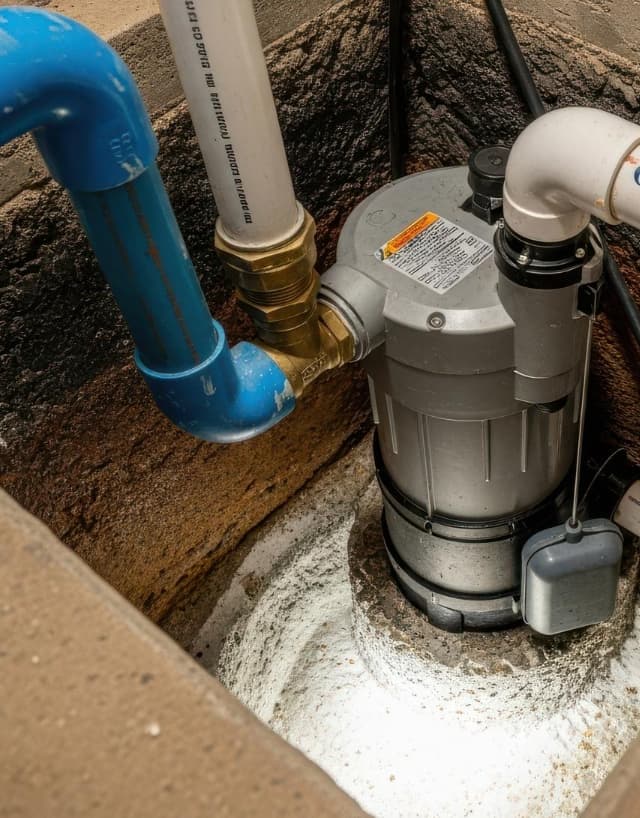
The float switch tells your pump when to turn on and off based on water levels. When this switch gets stuck, your pump either runs constantly or doesn't start at all.
Debris, silt, or objects in your sump pit can jam the float switch in one position. The float needs room to move up and down freely. Remove any items or buildup that restrict its movement.
A tangled or misaligned float causes similar issues. The float can catch on the discharge pipe or pit walls, preventing proper operation. Adjust the float position and check that nothing blocks its path.
Switch malfunctions happen over time from normal wear. The internal mechanisms can break or corrode, especially in older pumps. You'll need to replace a broken switch to restore normal function.
Clogged intake or discharge
Blocked pipes prevent water from flowing through your pump system. The intake screen can collect dirt, gravel, and other materials that restrict water entry. This forces the motor to work harder and may cause it to burn out.
Your discharge pipe carries water away from your home. Ice, mud, or yard debris can clog this pipe and stop water flow. Back pressure from a clog puts extra strain on the pump motor.
Check both the intake and discharge regularly for blockages. Remove the pump and clean the intake screen thoroughly. Inspect the discharge line outside where it exits your home.
According to FEMA, sump pumps are specifically recommended for homes where basement flooding occurs regularly, as they move groundwater away from the foundation to a storm drain or dry well. A check valve prevents water from flowing backward into the pit. If debris clogs this valve, water returns after each pump cycle, making your pump run more frequently than necessary.
Mechanical failures
Pump motors eventually wear out from continuous use. A burned-out motor is often the result of running dry or working against clogs. You'll hear humming or grinding sounds when the motor struggles.
Impeller damage stops the pump from moving water effectively. The impeller spins to push water through the system. Rocks or hard debris can crack or break the impeller blades.
Bearings inside the motor deteriorate over time. Bad bearings create loud noises and reduce pump efficiency. The pump may still run but won't move enough water to prevent flooding.
Old age is a factor you can't ignore. Most sump pumps last 7 to 10 years with proper care. Beyond this timeframe, multiple parts begin failing and replacement becomes more cost-effective than repairs.
How to troubleshoot your sump pump
A sump pump that won't work needs quick attention to prevent water damage. Start by checking the power source, then move to the float switch, clean out any blockages, and examine the discharge line for problems.
Test power and circuits
Check if your sump pump is plugged in properly. Look at the outlet to make sure the cord hasn't come loose or disconnected.
Test the outlet by plugging in another device like a lamp or phone charger. If nothing works, you likely have a tripped circuit breaker or blown fuse.
Go to your electrical panel and look for any tripped breakers. A tripped breaker will be in the middle position or switched to off. Flip it fully off, then back on to reset it.
If the breaker trips again right away, you have an electrical problem that needs a licensed electrician. If your pump has a GFCI outlet, press the reset button to restore power. Some sump pumps have two plugs where one controls the pump and the other controls the float switch, so verify both are connected.
Check the float switch
The float switch tells your pump when to turn on and off based on water levels. Lift the float manually to see if the pump activates.
If nothing happens when you lift the float, the switch is likely stuck or broken. Look for any objects or debris blocking the float's movement in the sump pit.
The float needs space to move up and down freely. If your pump shifted position, the float might be pressing against the pit wall. Move the pump to center it in the pit.
Test different float positions to confirm it triggers the pump correctly. A float that's tangled in its own cord or jammed won't signal the pump to run. Some floats are built into the pump body while others hang separately, so familiarize yourself with your specific model's design.
Clear debris from pit and pipes
Remove your pump from the pit and check for rocks, gravel, dirt, or other debris. Small particles can clog the intake screen and stop water flow.
Clean the intake screen with a brush and rinse it with clean water. Look inside the sump pit itself for accumulated sediment that could block the pump.
Scoop out any mud, sand, or debris from the bottom of the pit. Check the inlet pipes that feed water into your sump pit to make sure they're not clogged or collapsed.
Pour a bucket of water into the pit to test if the pump turns on and drains properly. If water drains slowly or not at all, you may have a blockage in the discharge pipe that needs clearing. Persistent drainage trouble is also a reason to consider a professional leak detection service to rule out underlying issues.
Inspect discharge line
Follow your discharge pipe from the pump to where it exits your home. Look for any kinks, freezing, or crushing that blocks water flow.
In winter, ice can form in the pipe and prevent your pump from pushing water out. A frozen discharge line will cause the pump to run without removing water from the pit.
Check the check valve if your system has one installed. This valve prevents water from flowing back into the pit, but it can stick or fail. Listen for water rushing back down the pipe after the pump shuts off, which means a faulty check valve. Persistent sewer backups can also increase pressure in the discharge system, so rule that out if problems recur.
Make sure the discharge line slopes away from your foundation and doesn't have low spots where water pools. The exit point should be at least 10 feet from your house to prevent water seeping back to the foundation.
Pump runs but doesn't move water
A motor that hums or runs without actually pumping water out of your basin signals a mechanical failure in the pump system. This problem usually comes from a blocked check valve, insufficient pump capacity, or internal component damage.
Check valve or air lock issues
The check valve sits in your discharge pipe and prevents water from flowing backward into the sump basin. When this valve gets stuck closed or jammed with debris, your pump motor runs normally but water can't exit through the pipe.
You can test this by disconnecting the discharge pipe and running the pump. If water flows freely without the pipe attached, your check valve is stuck. Remove and clean the valve, or replace it if you find cracks or broken parts. For homes with older plumbing, it's worth reviewing whether backflow prevention devices throughout the system are still performing correctly.
Air locks create similar symptoms. Air trapped in the discharge line blocks water flow even when the pump operates. This happens most often after installation or when the system sits unused for long periods. To fix an air lock, disconnect the discharge pipe at the pump outlet and let the trapped air escape before reconnecting.
Overwhelmed pump capacity
Your sump pump has a specific gallon-per-hour rating that determines how much water it can move. If water enters your basin faster than the pump can remove it, the motor runs constantly without making progress.
Heavy rain or rapid snowmelt often reveals an undersized pump. You'll notice the water level stays high or rises even while the pump operates. Check your pump's specifications against your basement's water volume needs.
Installing a more powerful pump or adding a second backup pump solves capacity problems. A 1/3 horsepower pump handles basic drainage, while 1/2 or 3/4 horsepower models work better for high water volume situations.
Humming noise without pumping
A humming sound without water movement indicates a jammed or broken impeller inside the pump housing. The impeller is the spinning blade that actually moves water through the system.
Debris like gravel, sticks, or hardened sediment can wedge between the impeller and housing. Turn off power to the pump and remove it from the basin. Open the bottom intake screen and clear out any blockages you find.
If the impeller spins freely but still won't pump, the blades may be broken or severely worn. This requires replacing either the impeller assembly or the entire pump unit depending on the damage extent. Knowing what qualifies as a plumbing emergency helps you decide whether to attempt further DIY steps or call for help right away.
Preventive maintenance tips
Regular maintenance keeps your sump pump ready to protect your basement from flooding. Simple tasks like testing and cleaning can prevent most failures before they happen.
Test regularly
You should test your sump pump every three to four months to make sure it works when you need it. Pour a bucket of water into the sump pit until the float rises and triggers the pump. The pump should turn on quickly, remove the water, and shut off automatically.
Check that water flows through the discharge pipe and away from your foundation. If the pump doesn't start or runs continuously, you need to act quickly to address the problem right away. Mark your calendar or set phone reminders so you don't forget to test it.
During heavy rain seasons, test your pump monthly. This extra step helps you catch problems before a storm hits.
Clean pit and screens
The sump pit collects dirt, gravel, and debris that can clog your pump or damage its parts. Turn off the pump's power before cleaning. Remove the pump from the pit and clear out any rocks, mud, or objects that have settled at the bottom.
Check the inlet screen on your pump for blockages. Rinse it with clean water to remove stuck-on dirt and sediment. A clogged screen makes your pump work harder and can lead to motor burnout.
Clean the pit and screen at least twice a year. If you live in an area with a lot of sediment or your basement gets particularly dirty, clean it every three months. Staying on top of plumbing vent maintenance at the same time helps you keep your entire drainage system in good shape.
Battery backup options
A battery backup system keeps your sump pump running during power outages. According to FEMA, homeowners should choose a battery-operated sump pump as backup protection, since power failures and severe storms tend to happen at the same time. Most battery backups can run for five to seven hours, which covers most storm-related outages. Water-powered backup pumps use your home's water pressure instead of electricity.
Test your backup system every few months by unplugging the main pump. Replace backup batteries every two to three years, even if they seem to work fine. Battery performance drops over time, and you don't want to discover a dead battery during a flood.
Keep backup system parts clean and check connections for corrosion. Some systems have indicator lights that warn you when batteries need replacement.
When to call a plumber
Call a professional plumber if your pump runs constantly or makes grinding, rattling, or loud noises. These signs often point to motor problems or damaged parts that need expert repair. A plumber should also handle issues with check valves, discharge pipes, or electrical connections.
If your pump is more than seven years old and showing problems, a plumber can tell you whether to repair or replace it. Annual professional inspections catch wear and tear you might miss. Plumbers have special tools to test pump capacity and check that your system meets your home's needs.
Don't wait until water fills your basement to get help. Early professional maintenance costs less than emergency repairs and water damage cleanup. Homeowners enrolled in a plumbing system care membership often catch these issues during routine visits before they become serious.
Conclusion
A working sump pump protects your basement from water damage and flooding. When your pump fails, you need to act quickly to identify the problem and fix it.
Most sump pump issues come from a few common causes. Power failures, clogged discharge pipes, stuck float switches, and worn-out motors account for the majority of problems. You can fix many of these issues yourself with basic tools and some troubleshooting.
Regular maintenance prevents most failures. Test your pump every few months by pouring water into the pit. Clean the inlet screen and check the discharge line for blockages. Replace your pump every 7 to 10 years, even if it still works.
Know when to call a professional. If you've checked the power, cleaned the pump, and tested the float switch but nothing works, you may need expert help. According to the U.S. Environmental Protection Agency, materials that stay wet for more than 24 hours typically develop mold, making fast water removal essential for protecting structural integrity. Complex electrical issues or a failed motor often require professional repair or replacement.
Keep your basement dry by staying prepared. Have a backup battery system for power outages. Keep the area around your sump pit clear. Watch for warning signs like strange noises or longer run times.
Your sump pump is a simple machine with a critical job. Understanding how it works and what can go wrong helps you respond fast when problems occur. Taking care of your pump now saves you from costly water damage later. Contact Dr. Rooter Lexington to schedule an inspection or get fast professional help when your sump pump stops working.