To prepare your home's plumbing before a long vacation, check for leaks, shut off the main water supply (or at least the supplies to the washing machine and toilets), set the water heater to vacation or its lowest setting, and make sure someone can get in if something goes wrong. A small leak that you'd catch the same day when you're home can run for a week or two while you're away. With the holidays coming, here's the checklist we'd run in a Lexington, SC home before leaving.
Why problems get worse while you're away
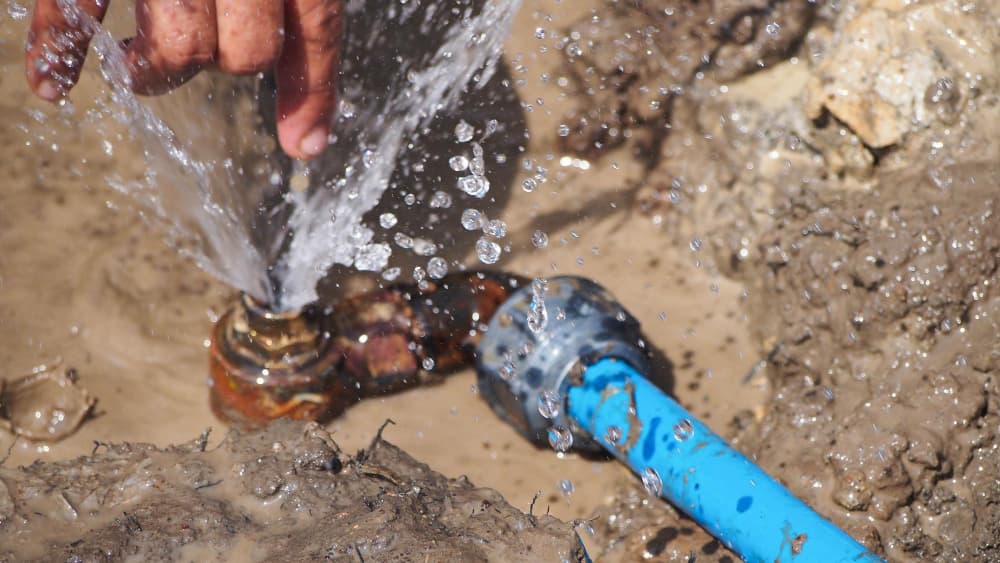
An occupied home catches most leaks early because someone hears the drip or sees the wet spot. Take that person away for ten days and a slow seep has time to soak subfloors, run into a ceiling below and start mold. Household leaks waste nearly 10,000 gallons a year in the average home, according to the EPA, and that's with people there to notice.
The leaks most likely to grow
- A supply line connection under a sink or behind a toilet that has started to seep
- A toilet that runs on and off
- Moisture around water heater fittings
- An outdoor spigot or irrigation line with a slow drip
The water heater keeps working while you're gone
A tank left at its normal setting keeps heating all trip. An older tank with early corrosion won't pause because the house is quiet. If yours is showing its age, a check before you leave is better than a failure while nobody can shut it off. See water heater repair.
Response time matters to your insurer
Insurers often look at how quickly water damage was found and dealt with. Check your policy for any rules on how long the home can be left empty, and what they expect while you're away.
The pre-trip checklist
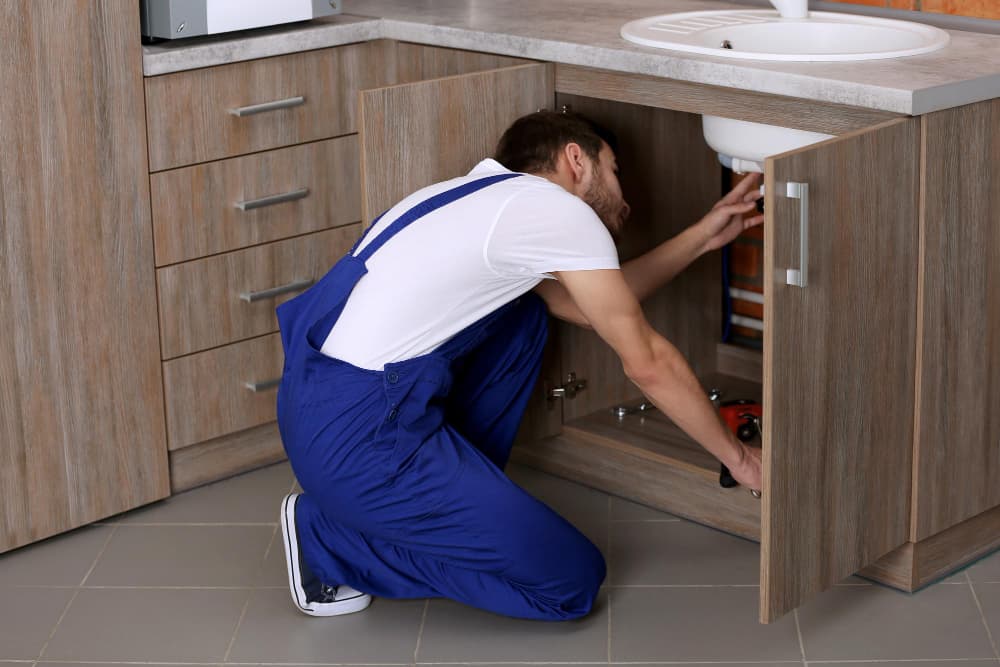
1. Walk the house for leaks
- Under every sink, including disposal connections
- Behind and around the base of each toilet
- Washing machine hoses and the dishwasher supply
- Around the water heater and any exposed supply lines
A toilet that rocks or has water at the base needs a new seal. See our toilet seal replacement guide. A toilet that keeps running is worth fixing first too: see running toilet causes and fixes.
2. Decide what to do with the main supply
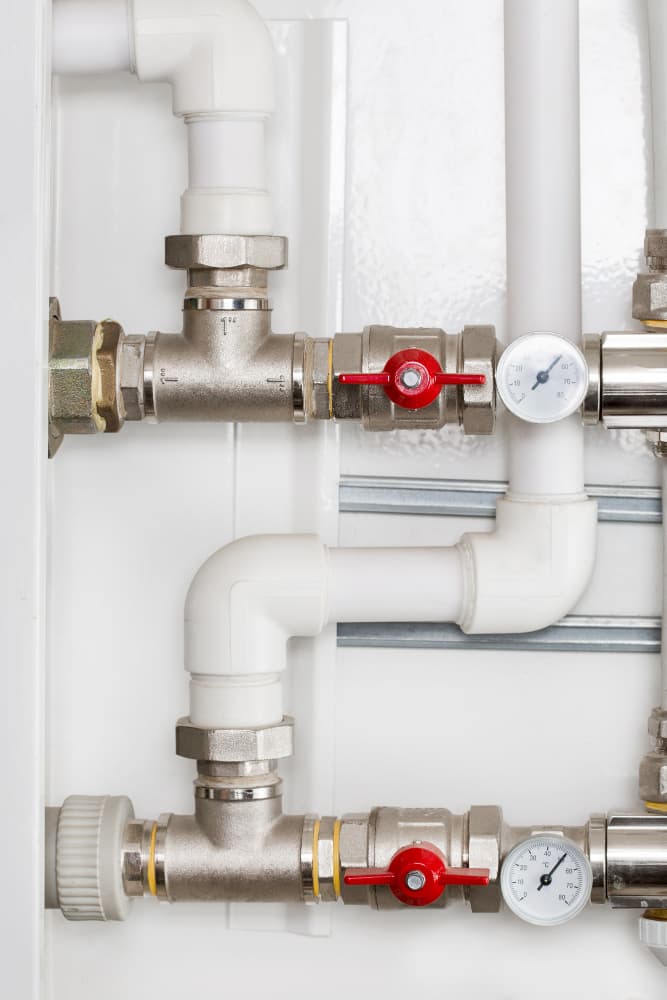
For trips longer than a few days, closing the main shutoff is the most effective way to prevent a major leak. No pressure in the pipes means nothing to push water out of a failed fitting.
- Find the main shutoff and make sure it turns freely.
- Close it fully before you leave.
- Open a faucet briefly to release the pressure left in the lines.
- Tell whoever checks the house where it is and how to reopen it.
If you have an irrigation system, a fire sprinkler system or a well pump, check how a closed main affects them before you leave. On a well, the pump usually needs turning off too. See city water vs. well water.
3. Set the water heater
- Use the vacation setting, or turn the thermostat to its lowest setting
- Check the tank and fittings for moisture before you go
- Look for weeping at the pressure relief valve
- If you've closed the main, don't run hot water until it's back on
4. Run the dishwasher and washer before you leave, not while you're out
Supply hoses are under pressure whenever the water is on. Don't leave appliances running as you walk out the door.
Seasonal extras
Winter trips
The Midlands only gets the occasional hard freeze, but an empty house during one is the worst combination: no water moving and no one to notice the first split pipe.
- Keep the heat on. Many plumbers suggest no lower than 55 degrees.
- Open cabinet doors under sinks on exterior walls.
- Disconnect and drain garden hoses, and cover outdoor spigots.
- Ask someone to check the house if a freeze is forecast.
See frozen pipe prevention and repair and our frozen pipe repair service.
Summer trips
Summer brings storms and automatic irrigation. Check the irrigation timer and zones, look for leaks at outdoor spigots, and make sure gutters and downspouts are clear before you go.
Sump pumps
If your home has a sump pump, it has to work through the whole trip.
- Pour water into the pit and confirm the pump starts and empties it.
- Check the discharge line outside is clear and drains away from the house.
- Test the battery backup, if you have one.
- Ask a neighbor to check if heavy rain is forecast.
Our sump pump inspection checklist covers more, and our sump pump services team can test it for you.
Before you lock the door
Leave someone a plan
Whoever has a key should know where the main shutoff is and who to call. Give them our number, (803) 761-9935. We're open 24 hours, 7 days, if something goes wrong while you're away.
Book a pre-trip check
If you'd rather have a plumber look things over, a plumbing system diagnostic checks for leaks, valve condition, water heater health and pressure in one visit. Plumb Perfect Club members get an annual inspection and priority scheduling.
When you get home
Before unpacking, walk the same spots again and check the water meter. Open the main slowly, run each faucet for a moment to clear air, and turn the water heater back up. If anything looks wrong, call that day rather than waiting to see.
We help homeowners across Lexington, Chapin, Irmo and the wider Midlands get ready to travel.
Vacation plumbing FAQs
Should I turn off my water when I go on vacation?
For trips longer than a few days, yes. Closing the main shutoff is the simplest way to prevent a major leak while you're away.
Should I turn off my water heater?
Set it to vacation or its lowest setting. If you shut the main off, avoid running hot water until it's back on.
What temperature should I leave the house in winter?
Many plumbers suggest keeping it at 55 degrees or higher so pipes in exterior walls stay above freezing.
What if I have a well?
Turn off the well pump as well as closing the main, and check the pressure tank before you leave.
Getting ready for a trip in the Lexington area? Call Dr Rooter Lexington at (803) 761-9935 for a pre-trip plumbing check.