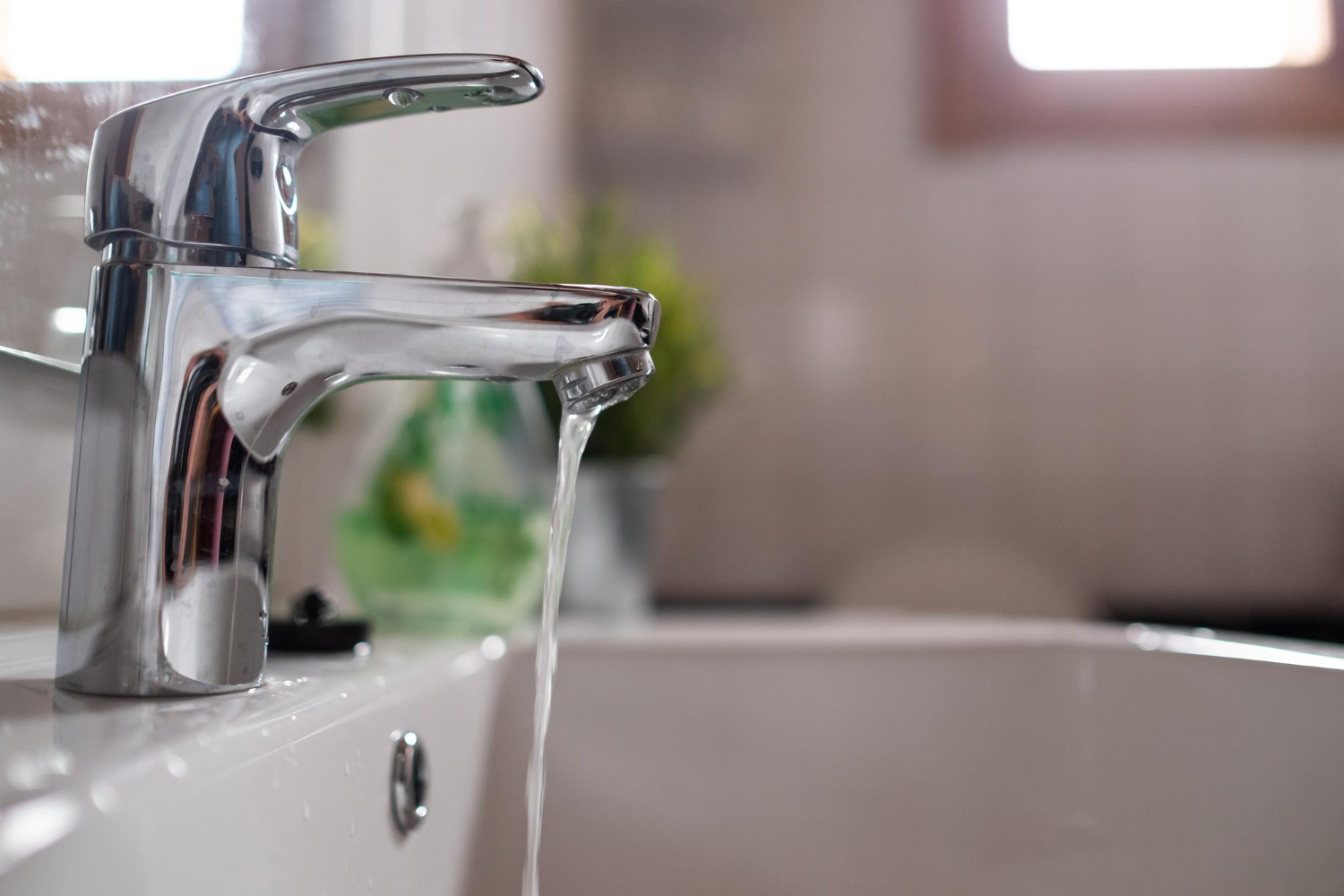
You turn on the kitchen faucet and the stream barely reaches the bottom of the sink. The shower upstairs feels like it lost half its force overnight. The garden hose that used to spray across the yard now dribbles. Low water pressure is one of the most common and most frustrating plumbing complaints in Springdale, and the cause is rarely as simple as it seems.
The instinct is to blame the municipal supply or assume it is something you just have to live with, but most residential water pressure problems originate inside the home or in the service line between the house and the street.
Understanding the causes of low water pressure in Springdale starts with recognizing that this is a symptom, not a diagnosis. Something specific is restricting the flow of water before it reaches your fixtures, and the list of possibilities ranges from a five-minute fix to a problem that needs professional equipment and expertise.
Springdale sits in Lexington County in the South Carolina Midlands, and the conditions here contribute to several of the most common residential pressure problems. Aging galvanized and cast iron pipes corrode from the inside and gradually narrow. Hard water deposits minerals on the interior walls of pipes and fixtures over time.
The region's expansive clay soils shift with moisture changes and can stress or crack buried water lines. And summer heat drives higher water demand across the neighborhood, which can expose weaknesses in both the municipal system and your home's plumbing that go unnoticed during lower-demand months.
This article walks through every major cause of low water pressure that Springdale homeowners encounter, explains how to narrow down which one is affecting your home, and covers the clear signals that the problem needs a licensed plumber rather than a DIY fix.
In this article, you will learn about:
Keep reading to find out what is actually behind the weak flow in your home and whether the fix is something you can handle yourself or something that needs professional diagnosis.
Before you start worrying about corroded pipes or underground leaks, there are a few simple possibilities that account for a surprising number of low-pressure complaints. These take minutes to check and cost nothing to fix, so they are worth ruling out first.
Every home has a main shutoff valve where the water supply enters the house, and most fixtures have individual shutoff valves underneath or behind them. If any of these valves is partially closed, it restricts flow to everything downstream.
This happens more often than you would expect. A plumber who worked on a fixture months ago may have reopened the valve most of the way but not completely. A family member may have bumped the valve under the kitchen sink while putting away cleaning supplies. A main valve that was turned off during a repair and reopened afterward may not have been turned all the way back.
The check is straightforward:
If any valve was partially closed and opening it fully restores your pressure, the problem is solved. If every valve is fully open and the pressure is still low, move to the next possibility.
Faucet aerators and showerheads have small mesh screens that mix air into the water stream for a smoother flow. Over time, mineral deposits, sediment, and debris from the water supply accumulate on those screens and restrict the opening. The result is reduced flow at that specific fixture that looks and feels exactly like a pressure problem.
Unscrew the aerator from the end of the faucet, or remove the showerhead, and check for visible buildup. Soaking the aerator or showerhead in white vinegar for 30 minutes to an hour dissolves most mineral deposits. Rinse it, reassemble, and test the flow.
If cleaning the aerator restores normal pressure at that fixture but other fixtures in the house still have low flow, the aerator was part of the problem but not the whole problem. If cleaning it fixes everything, you were dealing with a localized buildup rather than a system-wide pressure issue. Either way, cleaning aerators and showerheads every few months is a basic maintenance step that keeps flow strong and prevents mineral-related problems from building up across your fixtures.
Before investigating further, determine whether the pressure drop is happening everywhere or just at one or two fixtures. Run the kitchen sink, a bathroom faucet, and an outdoor hose bib at the same time. If they all show weak flow, the problem is system-wide, affecting the main supply, the pressure regulator, or the main pipes in the house. If only one or two fixtures are affected, the cause is local to those fixtures or the branch lines feeding them.
This distinction saves significant time and money because it points you toward the right area to investigate. A whole-house pressure drop sends you to the main supply, the pressure regulator, or the primary piping. A single-fixture problem sends you to the aerator, the shutoff valve, or the individual supply line for that fixture. Chasing a whole-house solution when the problem is a clogged showerhead wastes effort, and the reverse is even worse.
If every valve is open, every aerator is clean, and the pressure is still low throughout the house, the most likely cause in a Springdale home older than 30 years is pipe corrosion. The water lines inside your walls and under your floors degrade over time, and that degradation directly reduces the volume of water that can reach your fixtures.
Galvanized steel was the standard residential water supply pipe from the early 1900s through the 1960s. These pipes are steel coated with a layer of zinc to prevent rust. The zinc layer protects the pipe for a time, but it eventually wears away, and once the bare steel is exposed, corrosion begins on the interior surface.
The corrosion produces rust and scale that bonds to the pipe wall, creating a rough, uneven layer that grows thicker over time. A half-inch supply line that started with a smooth interior and full flow capacity may be functioning at a fraction of that diameter after 40 or 50 years of corrosion. The restriction is gradual, so homeowners often do not notice the pressure dropping because it happens over years rather than days. By the time the flow is noticeably weak, the interior of the pipe may be heavily narrowed.
Cast iron drain and supply lines, while less common for supply in residential homes, corrode through a similar process. The interior roughens, tuberculation develops, and flow capacity decreases steadily over the life of the pipe.
The visual evidence of corroded supply lines often shows up when a plumber cuts into the pipe for a repair and finds an interior that is almost completely occluded with rust and scale. Homeowners are usually shocked at how little open space remains inside a pipe they assumed was fine because it still delivered some water.
Many homes in Springdale and the surrounding Lexington County area were built during the decades when galvanized steel was standard. If your home dates to the 1970s or earlier and the supply lines have never been replaced, there is a strong probability that corrosion is affecting your water pressure.
The signs that galvanized pipe corrosion is the cause of your pressure problem include:
If these symptoms match what you are experiencing, the solution is not a repair to a single section. The corrosion is throughout the system, and the long-term fix is a whole-home repipe that replaces the old galvanized lines with modern PEX or copper. Repiping eliminates the corrosion problem entirely, restores full pressure, improves water quality, and eliminates the risk of a corroded pipe failing inside a wall and causing water damage.
Copper replaced galvanized steel as the standard supply pipe material beginning in the 1960s and remains common in homes built through the 2000s. Copper is far more corrosion-resistant than galvanized steel, but it is not immune.
Copper pipes can develop pinhole leaks from pitting corrosion, a process accelerated by water chemistry, pH levels, and the presence of certain minerals. They can also develop interior deposits, though these are typically thinner and less flow-restrictive than galvanized corrosion. In aggressive water conditions, copper corrosion can produce a blue-green discoloration on fixtures and a metallic taste.
Copper supply lines generally last 50 to 70 years, so a home built in the 1970s with original copper may be approaching the end of its service life. If your home has copper pipes and you are experiencing pressure loss, a professional plumbing assessment can determine whether the pipes are the source and whether targeted repairs or a full replacement is the appropriate next step.
South Carolina's Midlands region has moderate to hard water in many areas, and the dissolved minerals in that water leave deposits on every interior surface they touch. Over years, those deposits can reduce water pressure by narrowing pipes and restricting flow through fixtures, valves, and appliance connections.
Hard water contains dissolved calcium, magnesium, and other minerals that are not harmful to drink but are damaging to plumbing infrastructure over time. As water flows through your pipes, small amounts of these minerals precipitate out of solution and bond to the pipe walls. The process is slow, measured in months and years, but it is cumulative and irreversible without intervention.
The deposits, called scale or limescale, are hard and crystalline. They do not wash away with water flow. They build on themselves, layer by layer, narrowing the pipe from the inside. The same process affects the interior of your water heater, where mineral sediment settles at the bottom of the tank and reduces heating efficiency, and the valves and internal passages of appliances like dishwashers and washing machines.
According to the U.S. Geological Survey, hard water is found across most of the United States, and areas with moderate to high mineral content experience the most significant impacts on residential plumbing systems over time. The Midlands of South Carolina falls within this range, and Springdale homeowners with untreated water supplies are accumulating scale inside their pipes with every gallon that flows through.
Hard water deposits affect pressure differently than pipe corrosion. Corrosion tends to be worst in the oldest sections of pipe and causes discolored water. Scale deposits affect all sections relatively evenly and typically do not change the water's color or taste, though they may leave white, chalky residue on fixtures, showerheads, and faucet aerators.
Signs that hard water scale may be contributing to low pressure:
For fixtures, cleaning or replacing the affected aerators and showerheads addresses the immediate symptom. For whole-system scale buildup inside the pipes, the long-term solution is either a water softener that prevents new mineral deposition or, in severe cases, repiping the supply lines with scale-resistant material and installing a softener to protect the new pipes.
If the pressure drop is primarily on the hot water side, your water heater may be the cause rather than the supply lines. Mineral sediment settles at the bottom of tank water heaters over time, and if the tank has not been flushed regularly, that layer of sediment can grow thick enough to affect the unit's output.
In some cases, sediment breaks loose and partially blocks the hot water outlet at the top of the tank, restricting flow to the entire hot water system. In other cases, the sediment has not blocked the outlet but has reduced the tank's functional capacity, meaning it produces less hot water at lower pressure than it should.
A professional water heater flush removes accumulated sediment and restores flow. If the water heater is more than 10 years old and has never been flushed, the sediment layer may be significant enough that flushing alone does not fully resolve the issue, in which case a water heater upgrade to a newer, more efficient unit is worth evaluating. Tankless water heaters, which heat water on demand rather than storing it in a tank, do not accumulate sediment the same way and maintain consistent pressure throughout their service life, though they do require periodic descaling to prevent mineral buildup in the heat exchanger.
A hidden leak anywhere in your water supply system diverts water away from your fixtures and reduces the pressure available at every tap in the house. The leak does not have to be dramatic. A steady drip inside a wall, under a slab, or in a buried service line wastes enough volume over time to produce a noticeable pressure drop, and the water damage it causes in the meantime can be far more expensive than the repair itself.
Your home's water supply operates as a closed pressure system. Water enters from the municipal main at a set pressure, flows through the meter and into your pipes, and reaches your fixtures. When a leak opens anywhere in that system, water escapes through the leak continuously, and the pressure downstream of the leak drops proportionally.
A small leak may reduce pressure by a few PSI, enough to notice at high-demand fixtures like showers and hose bibs but not enough to alarm most homeowners. A larger leak, or multiple small leaks, can drop pressure significantly and produce the kind of whole-house weakness that sends people searching for answers.
The tricky part is that many residential leaks are invisible. They happen inside walls, under concrete slabs, in crawl spaces, and in buried service lines between the meter and the house. The water goes somewhere, into the soil, into the framing, under the slab, but you do not see it at the surface until the damage has been accumulating for weeks or months.
The following indicators suggest that a leak is behind your pressure loss, rather than corrosion, scale, or a valve issue:
If multiple signs point to a leak, a professional leak detection service uses acoustic sensors, thermal imaging, and pressure testing to locate the leak without tearing into walls or floors. Modern detection equipment pinpoints the location precisely, so the repair targets only the affected area rather than requiring exploratory demolition.
Slab leaks, where a water supply line running beneath the concrete foundation develops a crack or pinhole, are a particular concern in the Midlands. The region's expansive clay soils shift with moisture changes, and that movement places stress on the copper or other supply lines embedded in or running beneath the slab.
A slab leak is especially difficult to detect because the water has nowhere to go except into the soil beneath and around the slab. The pressure loss may be modest, and the visible signs, a warm floor spot, a damp carpet edge, a higher water bill, can take weeks to become noticeable. By the time a slab leak is discovered, it has often been running for long enough to saturate the soil under the foundation, which can cause settling, cracking, and further stress on the plumbing.
For Springdale homes built on concrete slabs, any unexplained pressure drop combined with a rising water bill warrants a professional evaluation. Slab leak detection uses non-invasive tools to confirm the leak's presence and location, and the repair can often be completed with minimal disruption to the slab itself using rerouting techniques that bypass the damaged section.
Many homes have a pressure reducing valve, also called a pressure regulator, installed where the main water supply enters the house. This device controls the pressure of the water flowing into your home's plumbing, and when it fails, the result is often a sudden and significant change in water pressure.
Municipal water mains deliver water at pressures that can exceed 100 PSI in some areas. Residential plumbing systems are designed to operate between 40 and 80 PSI, and pressures above that range can damage pipes, fittings, appliances, and water heaters. The pressure regulator reduces the incoming pressure to a safe level for your home.
When the regulator is working correctly, you never think about it. Water enters at high pressure from the main, passes through the regulator, and arrives at your fixtures at a consistent, safe pressure. The device requires no daily interaction and typically lasts 10 to 15 years before it needs replacement.
When a pressure regulator begins to fail, it typically fails in one of two directions. It either allows too much pressure through, which can cause water hammer, leaking faucets, and stress on appliance connections, or it restricts pressure too much, which produces the weak flow that brought you to this article.
A regulator that is failing toward the restrictive side reduces the pressure available to every fixture in the house simultaneously. The drop is usually noticeable and relatively sudden compared to the gradual decline caused by corrosion or scale. You may go from normal pressure one week to noticeably weak flow the next, with no obvious trigger or change in your water usage.
Signs that the pressure regulator is the source of your problem:
A plumber can test the water pressure on both sides of the regulator with a pressure gauge. If the pressure entering the regulator from the municipal side is normal but the pressure on the house side is low, the regulator is the cause. Replacing a pressure regulator is a straightforward repair that a licensed plumber can complete in under an hour, and it restores full pressure to the entire house immediately.
Not every home has a pressure regulator. If your home was built without one, or if it was removed during previous plumbing work, the municipal supply pressure reaches your fixtures directly. In that case, pressure fluctuations are more directly tied to demand on the municipal system, time of day, and seasonal usage patterns.
If your home does not have a regulator and you experience pressure that swings between too high and too low depending on the time of day or the season, having one installed provides consistent, controllable pressure and protects your plumbing system from the damage that high-pressure surges cause over time. A water pressure booster pump is the appropriate solution when the incoming municipal pressure is consistently too low rather than too high.
Sometimes the low pressure in your home has nothing to do with your plumbing at all. The municipal water supply itself can experience conditions that temporarily or persistently reduce the pressure delivered to your neighborhood.
If your neighbors are experiencing the same pressure drop at the same time, the problem is almost certainly on the municipal side. Common causes include:
For temporary events like main breaks and maintenance, the utility typically notifies residents and the pressure returns to normal once the work is complete. For chronic issues like undersized infrastructure in a growing area, the solution is on the utility's side and may require contacting them to report the issue and request investigation.
Springdale and the broader Lexington County area have experienced significant residential growth, and that growth increases demand on the municipal water system. During summer months, when irrigation systems run, pools are filled, and households use more water for showers, cooking, and outdoor cleaning, the total demand on the system peaks.
If your low water pressure follows a seasonal pattern, appearing or worsening during summer and improving during cooler months, neighborhood demand may be a contributing factor. You cannot control what your neighbors use, but you can control when you run high-demand appliances.
Running the dishwasher and washing machine during off-peak hours, typically mid-morning or mid-afternoon rather than early morning or early evening, avoids competing with peak neighborhood demand. Watering the lawn early in the morning before peak usage begins and staggering showers rather than running multiple at the same time can also help maintain usable pressure during high-demand periods.
If the seasonal pressure drop is severe enough to affect daily life despite these adjustments, a pressure booster pump installed on your main supply line provides a consistent boost that compensates for the municipal shortfall during peak periods.
Some pressure problems are straightforward enough to diagnose and fix yourself. A partially closed valve, a clogged aerator, or a seasonal demand issue all have simple, homeowner-accessible solutions. Others require professional equipment, expertise, and licensing to diagnose and repair safely.
Call a plumber when the pressure problem matches any of these patterns:
A licensed plumber brings pressure testing equipment that measures the exact PSI at multiple points in your system, isolating where the pressure loss occurs. They can test the municipal supply pressure at the meter, compare it to the pressure at the regulator output, and measure it again at individual fixtures to map exactly where the restriction is.
For suspected leaks, professional detection equipment uses acoustic sensors that detect the sound of water escaping through pipe walls, thermal cameras that identify temperature differences caused by leaking water, and pressure decay testing that confirms whether the system holds pressure or loses it over time.
For pipe condition assessment, a camera inspection of accessible drain and sewer lines reveals corrosion levels, joint conditions, and structural integrity that cannot be evaluated from outside the pipe. While camera inspections are most commonly associated with drain and sewer lines, the information they provide about pipe material and aging patterns in the home's plumbing system informs decisions about the supply side as well.
Low water pressure is never just an annoyance. It is information. It is your plumbing system telling you that something has changed, whether that is a corroded pipe that has narrowed to a fraction of its original diameter, a leak that is wasting water and causing hidden damage, a regulator that has failed, or scale buildup that has been accumulating for years.
The homeowners who address it early get a manageable repair. The ones who dismiss it as a quirk and live with it end up with a burst pipe inside a wall, a corroded line that fails during peak demand, or a slab leak that undermines the foundation over months of undetected dripping.
If your water pressure has dropped and the obvious checks have not explained it, Dr Rooter serves Springdale, Lexington, Columbia, and the surrounding Midlands with the diagnostic tools and expertise to find the real cause.
One visit, accurate diagnosis, and a clear recommendation, whether that is a simple valve adjustment, a regulator replacement, a targeted repair, or a conversation about repiping that gives you full pressure and peace of mind for decades to come.