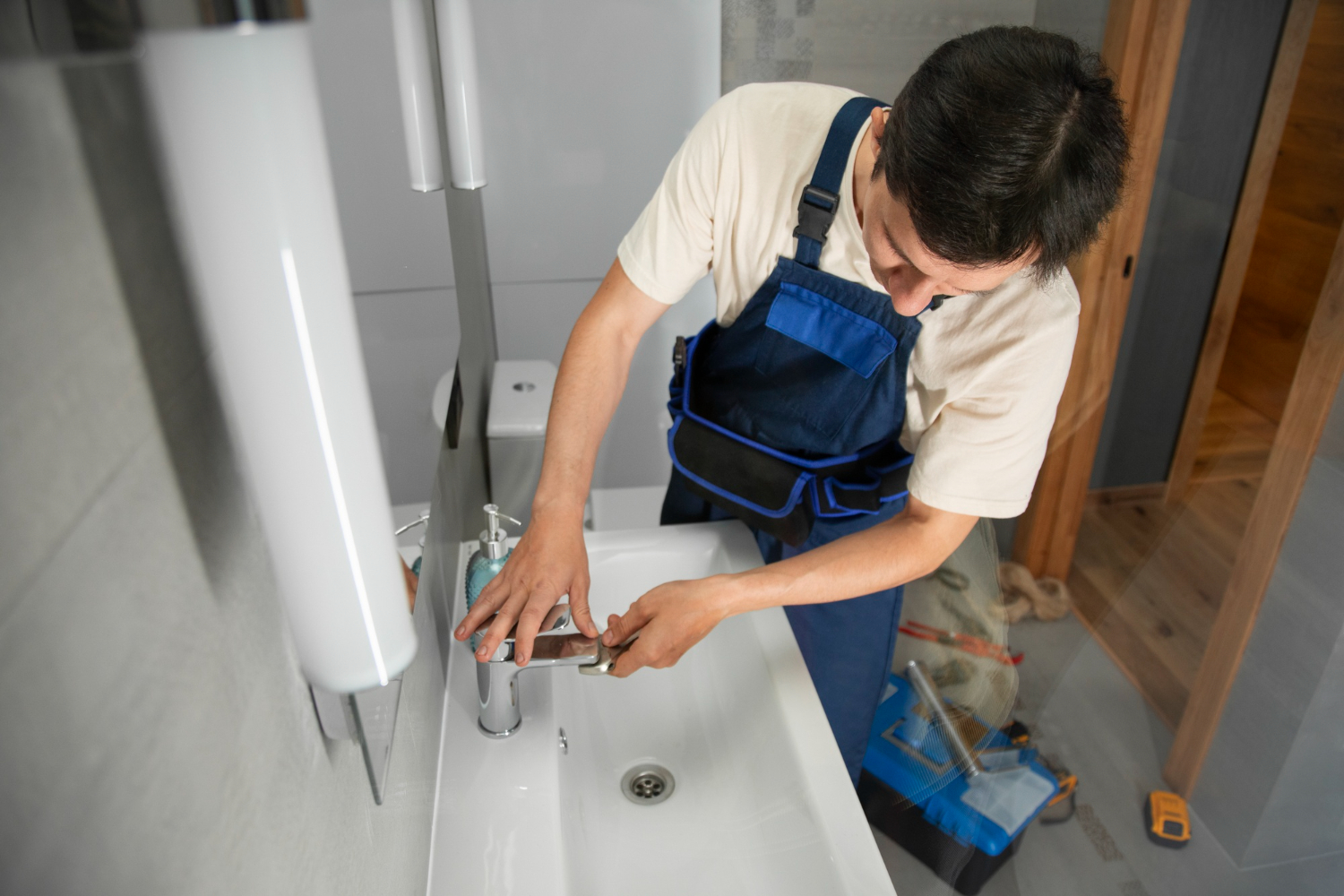
Clogged drains slow your day and make a small problem feel huge. You can clear many clogs yourself with simple tools and safe methods, but some blockages need a pro to fix them fully and prevent repeat issues.
If you want quick clogged drain solutions now, try a plunger or a drain snake; if the clog comes back or the water sits stubbornly, call a professional for a thorough diagnosis and cleaning.
This post shows what causes clogs, how to spot them, which DIY tricks work, and when professional solutions are worth the cost , plus how to stop the same clog from coming back.
Here’s what you need to know:
Keep reading to learn how clogged drains solutions work, which DIY methods are safe for drain clog removal, and when professional drain cleaning is the right choice to prevent drain backups.
Clogs form for specific, avoidable reasons. Knowing the common culprits helps you stop problems early and choose the right fix.
Grease from cooking cools and thickens inside kitchen pipes. It sticks to pipe walls and traps food particles, forming a sticky blockage over weeks or months. Pouring hot water only moves grease; it does not remove the hardened layer.
Grease isn’t just a kitchen nuisance—the U.S. EPA has reported that grease from homes, restaurants, and industrial sources is the most common cause of reported sewer blockages (47%), which is why proper grease disposal is a core clogged drains solution.
Soap scum behaves the same in bathroom drains. Bar soap and some liquid soaps leave a filmy residue that clings to hair and minerals, shrinking the pipe diameter. In hard-water areas, minerals combine with soap to form tougher deposits.
You can cut risk by wiping pans before washing, using a sink strainer, and running hot water while the disposer is on. For existing buildup, mechanical cleaning or professional snaking often works better than chemical cleaners.
Hair is a top cause of bathroom clogs. Strands knot together around drain fittings and mix with soap scum to form dense mats. Long hair and frequent shaving increase the speed of buildup.
Personal care products, cotton swabs, floss, facial tissues, and wet wipes, don’t break down in water. They catch on hair and pipe irregularities, making clogs worse. Condoms and feminine products can create near-total blockages in toilets and drains.
Use drain covers and avoid rinsing non-degradable items. Remove visible hair in the sink or shower after each use. If a slow drain appears, a hand auger or hair-catching tool often clears the mass before it hardens.
Kids and pets can push toys, beads, or kibble into toilets and sinks. Small objects lodge in traps and bends where the pipe narrows. These blockages can be hard to reach and may require trap removal.
Grease, large food scraps, and coffee grounds belong in the trash, not the sink. Even items meant to dissolve, like some "flushable" wipes, can clump in sewers and form solid masses. Paper towels and sanitary products should never be flushed.
“Flushable” doesn’t mean sewer-safe, the U.S. EPA says sanitary sewer overflows can be caused by inappropriate materials sent to sewers, including fats, oils, and grease (FOG) and some household products marked “flushable” (such as baby wipes and facial wipes), which is why these items drive repeat drain clog removal calls.
If an object causes a sudden complete stoppage, avoid chemical cleaners. Instead, try a plunger or remove the P-trap under the sink. For toilets, a toilet auger or a plumber may be required.
Tree roots seek water and nutrients and can grow into sewer pipes through cracks or joints. Once inside, roots spread and create thick root balls that trap solids and restrict flow. Roots can break pipes over time.
Warning signs include slow drains in several fixtures, gurgling sounds, and sewage smells in the yard. Problems often show up months after roots begin invading.
Solving root intrusion usually requires a plumber who will inspect with a camera, cut roots with a motorized rooter, and repair or replace damaged pipe sections. Regular sewer line inspections help catch root growth before major damage occurs.
Old pipes corrode, sag, or develop mineral buildup that narrows the flow path. Galvanized steel and older clay or cast-iron lines are prone to rust and deposits that reduce diameter and increase clog risk.
Shifts in the ground, freezing, or heavy loads can crack or misalign pipes. Joints that separate let debris collect at offsets, creating catch points for solids. These defects often lead to repeated clogs.
You may see frequent clogs in the same spot, discolored water, or leaks in walls or ceilings. A plumber can run a camera to diagnose the issue and recommend pipe lining, spot repair, or complete replacement depending on the pipe condition.
You can spot clogs early by watching water flow, listening for odd noises, and checking for bad smells. These signs show where the blockage is and whether you need a simple fix or a plumber.
Slow drainage usually starts gradual. Water pools at the bottom of your sink or tub and takes much longer than normal to empty. In a kitchen sink, grease and food bits often stick to pipe walls. In bathrooms, hair, soap scum, and mineral build-up form a mat that slows flow.
Try removing visible debris from the drain cover first. Use a plunger or a drain snake for shallow clogs. If you see water level drop then rise again, the clog may be farther down the line and need professional attention.
If water backs up in one fixture when you run another, the clog lies downstream in a shared pipe. For example, running the washing machine may push water into the bathtub. This signals a blockage in the main drain or a shared branch.
Turn off water appliances and avoid using sinks or toilets until you address it. Clear accessible traps and use a snake on the affected lines. If the problem affects several fixtures on different floors, call a plumber—this often means a main sewer line issue.
Multiple-fixture backups are a higher-stakes warning sign, the U.S. EPA explains that sanitary sewer overflows can contaminate water and can back up into homes, causing property damage and threatening public health, which is why emergency drain service is appropriate when the main line is involved.
A persistent rotten or sewage smell means water that normally traps sewer gases is missing or contaminated. Hair, food, grease, and organic waste decay and emit odors near the trap (P-trap). Sometimes the trap is dry from infrequent use, letting sewer gas enter your home.
Pour water into the drain to refill the trap first. Use a biological enzyme cleaner for organic build-up and avoid bleach for routine use. If smells persist, inspect vents and sewer lines; trapped debris farther in the system can cause ongoing odors and needs professional cleaning.
Gurgling or bubbling noises happen when trapped air moves through water in drains. You might hear bubbling when a sink drains or when you flush a toilet. This usually means partial blockage or a venting problem that prevents air from moving freely.
Listen for where the sound comes from to narrow the location. A plunger or small auger can clear soft blockages causing the gurgles. If sounds continue after clearing visible clogs, the vent stack or main line may be blocked and require a plumber with proper tools.
If the same drain clogs often, the root cause remains. Frequent kitchen clogs suggest grease, wet wipes, or pipe damage. Repeated bathroom clogs often stem from hair build-up or failing pipes. Trying chemical cleaners repeatedly can damage pipes and only mask the problem.
Switch to mechanical clearing: remove and clean the P-trap, use a drain snake, or hydro-jetting by a pro. Inspect for old, corroded, or collapsed pipes if clogs return within weeks. Fixing the cause—like changing habits or replacing pipe sections—stops the cycle for good.
These professional options target specific causes: mechanical blockages, hardened grease and scale, hidden damage, tree roots invading pipes, and sections of pipe that need repair or replacement. Each method uses specialized tools and diagnostics to fix the problem safely and reduce repeat clogs.
A plumber uses a drain snake (auger) to reach and pull apart clogs near traps and within small-diameter lines. You’ll see a coiled steel cable pushed through the pipe by a hand crank or motor. The tip can cut, snag, or break the obstruction so water can flow again.
Snaking works best for hair, soap buildup, small debris, and items stuck just past the drain. It’s fast and low-cost compared with other options. Limitations: it may not clear deep buildup, grease that adheres to pipe walls, or root intrusions. Expect minor scouring of pipe interiors; if the clog returns, the plumber may recommend further inspection.
Hydro jetting uses a specialized hose with a high-pressure nozzle to blast water at 1,500–4,000 psi down the pipe. The jets cut through grease, scale, mineral deposits, and sludge, then flush the debris out of the line. You’ll get a much cleaner interior surface than mechanical snaking.
Hydro jetting suits main drains, long runs, and commercial kitchens where grease and solids accumulate. It removes persistent odors and greatly reduces re-clogging when buildup is the cause. Avoid hydro jetting for old, fragile, or cracked pipes; the pressure can worsen structural damage. A plumber will inspect the line first to confirm the pipe can handle the pressure.
A sewer camera is a small, waterproof camera pushed into the drain to show real-time video of the pipe interior. You can see cracks, bellies, root intrusion, scale, misaligned joints, and the exact location of a clog. The camera helps the plumber choose the right repair method without guesswork.
Recordings and still images let you compare pipe condition before and after cleaning. Camera inspection is essential when snaking fails repeatedly or when the system has chronic slow drains. It adds cost but avoids unnecessary digs or temporary fixes by revealing the real problem.
Tree roots enter pipes through joints or cracks and can form dense mats that block flow. Plumbers remove roots with mechanical cutters on a rotating head or with hydro jetting. For severe root growth, they may use chemical root killers to slow regrowth after clearing.
If roots repeatedly return, the long-term solution may be spot repair or pipe replacement. You should know that chemical treatments target roots but don’t fix pipe damage. A camera inspection helps determine whether roots are the only problem or if pipe sections need repair to stop future intrusions.
When pipes are cracked, collapsed, separated, or heavily corroded, cleaning won’t solve the issue. Plumbers offer spot repairs, pipe lining (CIPP), or full replacement. Pipe lining inserts a resin-saturated tube into the pipe and cures it to form a new pipe inside the old one, reducing the need for digging.
Full replacement removes the old pipe and installs new sections where necessary. Your plumber will recommend the least invasive option that restores flow and prevents leaks. Expect higher cost for structural fixes, but you get a long-term solution instead of repeated clog removal visits.
Professional service removes deep buildup, finds hidden damage, and restores pipe flow. Technicians use the right tools and tests to fix the root cause and reduce repeat clogs.
Professionals use tools you likely don’t have. They use power augers, motorized snakes, and hydro-jetting to cut through grease, soap scum, hair, and mineral deposits that sit on pipe walls. Hydro-jetting blasts water at high pressure to wash away slimy residue and small scale that hand tools or chemicals can’t clear.
Technicians also inspect the cleared pipes with a camera. That lets them confirm the line is fully clean and spot any remaining pockets of debris. You get a more thorough clean and a verified result, not just a temporary opening.
A clog can hide other problems like tree root intrusion, pipe collapse, or a broken joint. Professionals run camera inspections and pressure tests to pinpoint the exact cause. This stops you from treating only the symptom.
Once they identify the issue, they recommend targeted repairs. You avoid wasting money on repeated drainings or corrosive chemicals that won’t fix structural damage. The diagnosis guides the right repair method and prevents surprises later.
Store-bought chemical cleaners and forced DIY methods can harm your pipes over time. Strong acids and repeated chemical use weaken metal and PVC and can erode seals. Professionals choose methods that clear the line without degrading materials.
They also control the force and direction of mechanical tools to avoid punctures or joint stress. When a problem risks damaging pipes, they select safer repairs or replacement. That protects your plumbing and reduces costly emergency fixes.
Professionals address both the clog and its cause. They remove the buildup, repair damaged sections, and suggest changes to prevent return clogs. Common recommendations include hair traps, grease capture for kitchen drains, and slope correction for slow-draining lines.
Many services also offer maintenance plans with periodic hydro-jetting or inspections. Regular professional cleaning keeps flow steady and lets you catch small issues before they become blockages. That lowers the chance of emergency backups and expensive repairs.
A fully cleaned and inspected system restores normal water flow and drain speed. You’ll notice sinks, tubs, and toilets drain faster and fixtures operate without gurgling or slow drainage. That improves daily use and reduces stress on water heaters and pumps.
Professionals can also rebalance or replace worn components like seals and venting to improve system function. The result is a more reliable plumbing network that uses less energy and needs fewer repairs over time.
Keep food scraps and grease out of pipes, catch hair and debris with strainers, clean drains regularly with safe methods, and call a plumber for inspections when needed. These steps reduce slow drains, foul smells, and the risk of backups.
Never pour cooking oil, bacon grease, or fat down the sink. Let grease cool and pour it into a disposable container or wipe pans with a paper towel and toss it in the trash.
Local prevention matters because the county sees the impact. Lexington County, SC explains that sewer leaks and overflows are “predominately caused” by residents disposing of fats, oils, and grease down kitchen sinks and flushing wipes, which is why “flushable” products and grease disposal are top priorities for preventing drain backups.
Scrape plates into the trash or a compost bin before rinsing. Avoid sending coffee grounds, eggshells, potato peels, and fibrous vegetables down the garbage disposal—they clump and form blockages.
If you have a garbage disposal, run cold water while it’s on and for 15–30 seconds after you turn it off. Cold water helps solidify small grease pieces so they move through the pipes. Use the disposal only for small, soft scraps.
For a practical local option, Lexington County’s Solid Waste Management program states that county residents can use Lexington County Collection and Recycling Centers “at no charge” to recycle used cooking oil, fats, and grease from home, which helps keep grease out of kitchen drains and reduces repeat clog formation
Fit strainers over kitchen sinks and hair catchers in showers and tubs. Choose fine-mesh strainers for sinks and cup-style or disk hair catchers for showers to trap soap scum, hair, and food particles.
Empty and rinse strainers daily or after heavy use. A clogged strainer reduces flow and can let debris slip into pipes. Keep an extra set so you can swap and clean without delay.
For tubs, consider a removable cover that fits over the overflow and main drain to catch longer hair. Replace plastic strainers that crack or warp; damaged strainers lose effectiveness.
Flush kitchen drains with hot (but not boiling) water weekly to help move grease. Once a month, pour 1/2 cup baking soda followed by 1/2 cup white vinegar down the drain, wait 10–15 minutes, then flush with hot water to clear mild buildup.
Use a plumber’s snake or hand auger for hair and small blockages before they worsen. Insert it gently to avoid damaging fixtures. For shower drains, remove the cover and pull out trapped hair with a tool or gloved fingers.
Clean P-traps on sinks every few months by removing and rinsing them. Keep a bucket under the trap to catch water. Regular cleaning prevents slow drains and helps prevent backups into your home.
Strong chemical drain cleaners can corrode pipes, harm septic systems, and damage plumbing fixtures. Avoid them as a regular solution; they may give a short-term fix but create long-term problems.
Use mechanical methods first: plunger, plumber’s snake, or steady hot-water flushes. For grease clogs, dish soap plus hot water often works better and is safer than harsh chemicals.
If you must use a product, choose enzyme-based cleaners labeled safe for pipes and septic systems, and follow directions exactly. Still, rely on mechanical or professional fixes for recurring clogs.
Have a licensed plumber inspect your drains and sewer line if clogs recur, you smell sewage, or multiple fixtures back up. A camera inspection can find roots, broken pipes, or deep blockages that DIY methods miss.
Schedule a check every 1–3 years if your home is older, has many trees, or uses a septic system. Plumbers can perform preventive services like hydro-jetting to remove buildup and reduce the risk of backups.
Keep records of any repairs and inspections. That history helps the plumber spot patterns and recommend targeted fixes that prevent future clogs and protect your plumbing.
You get skilled plumbers, modern inspection tools, quick emergency response, and clear pricing. These points help protect your home and save you time and money when drains block or back up.
You benefit from technicians who hold state licenses and local credentials. They follow South Caroline plumbing codes and complete routine training on sewer-line repair and pipe replacement.
Technicians assess your situation before acting. They trace the cause—grease buildup, tree roots, mineral scale, or broken pipe—so repairs target the real problem and avoid repeat clogs.
You also get residential plumbing solutions tailored to your home. Professionals size the right tools for kitchen sinks, bathroom drains, and laundry lines, and recommend fixes that match the age and material of your pipes.
Dr. Rooter Lexington uses camera inspections to locate blockages without digging or tearing out walls. The camera records video so you can see the issue and approve repairs.
For stubborn blockages they use mechanical augers and hydro-jetting. Hydro-jetting clears grease and mineral scale and cleans pipe walls, reducing future build-up. Technicians choose pressure settings that match your pipe material.
You receive written inspection results and photos. That documentation makes repair decisions clearer and helps you track pipe condition over time.
You can call for emergency drain service when a toilet or sewer backs up, or when multiple drains clog at once. Dr. Rooter Lexington offers same-day service and prioritizes urgent calls to limit water damage.
Technicians arrive with diagnostic tools and common repair parts. They aim to stabilize the issue on first visit—clearing a blockage, stopping leaks, or setting a temporary bypass—so your home stays usable.
You get clear next steps and time estimates. If a full repair requires a follow-up, technicians explain why and outline options for repair or replacement.
You receive a written estimate before work begins. Estimates list parts, labor, and any diagnostic fees so you know costs up front and can compare options.
Dr. Rooter Lexington is locally based in Lexington, SC, and maintains customer reviews and work records in the community. That makes follow-up service and warranty support easier for you.
They offer clear payment options and explain any warranties on parts or labor. This transparency helps you decide between repair or replacement with confidence.
You can prevent many clogs with a few simple habits. Use strainers, avoid pouring grease, and dispose of hair and food scraps in the trash. Small steps save time and reduce repairs.
Try safe DIY fixes first for minor clogs. A plunger, a drain snake, or boiling water often works. Baking soda and vinegar can help, but avoid harsh chemical drain cleaners when possible.
Know when to call a pro. If multiple drains back up, water pools around fixtures, or DIY methods fail, contact a licensed plumber. Early professional help can stop damage and protect your pipes.
Keep a basic maintenance routine. Check drains monthly, clean traps, and run hot water after greasy use. These habits extend pipe life and lower surprise repairs.
Use a mix of prevention, simple tools, and expert help for best results. You’ll reduce clogs, save money, and keep your plumbing working reliably.
Schedule a professional drain clog removal visit with Dr. Rooter Lexington for a camera-based diagnosis and thorough cleaning (snaking or hydro-jetting as appropriate) to restore full flow and prevent drain backups from returning.