A washing machine drain overflow happens when water from your washer can't exit fast enough and backs up into your laundry room or nearby drains. When left unaddressed, it can lead to water damage, mold growth, and costly plumbing repairs. The most common causes are clogged drain hoses, blocked standpipes, or debris in your drainage system, and most of these issues you can fix yourself without calling a plumber.
A washing machine puts more stress on your home's drainage system than almost any other appliance. It pushes out gallons of water quickly during each drain cycle. When something blocks that water's path, it has to go somewhere, which often means overflowing onto your floor or backing up through nearby drains.
The good news is that you don't need special skills or expensive tools to solve this problem. Understanding what causes the overflow, knowing how to fix it, and learning simple prevention steps will help you avoid water damage and keep your washing machine running smoothly.
Here's what you need to know:
- Common causes of washing machine drain overflow
- How to fix a washing machine drain overflow
- Preventing overflow before it happens
- When to call a professional
Keep reading to learn how to diagnose, clear, and prevent washing machine drain overflow so your laundry room stays dry and your plumbing stays clear.
Common causes
Washing machine drain overflow happens when water backs up instead of flowing away properly. Lint buildup, incorrect installation, and excess soap are the main problems that lead to drain backup.
Clogged drain or hose
A blocked drain pipe is the most frequent cause of washing machine overflow. Over time, lint, dirt, hair, and small debris collect inside the drain hose and pipes. These materials stick together and form clogs that prevent water from draining.
The drain hose itself can develop blockages near the bends or connections. You might also have a clog in the standpipe where the hose connects to your home's plumbing. If multiple drains in your home back up when you run the washing machine, the main sewer line may be blocked.
To check for clogs, turn off your washer and disconnect the drain hose. Look inside the hose for visible blockages. You can use a plumbing snake to clear stubborn clogs in both the hose and the drain pipe.
Wrong hose setup
Improper drain hose installation causes water to back up during the wash cycle. The drain hose should be positioned at the correct height, typically 30 to 45 inches above the floor. If the hose sits too low, water can siphon back into the machine.
A kinked or bent hose restricts water flow and creates backups. The hose should have a smooth, gradual curve without any tight bends. Make sure the hose isn't pushed too far into the standpipe, as this can create an airtight seal that blocks proper drainage.
Your drain pipe might also be too small for your washer's output. Top-load washers drain large amounts of water quickly, which can overwhelm a narrow pipe. This problem happens more often in older homes with outdated plumbing.
Too much detergent
Using excessive detergent creates thick suds that clog your drain system. These suds mix with lint and other debris to form a sticky residue inside pipes. The buildup narrows the pipe opening and causes slow drainage over time.
High-efficiency washers need much less detergent than traditional models. If you use regular detergent in an HE washer, you'll create too many suds. Always follow the detergent measurements on your product's label.
Hard water makes this problem worse because it prevents detergent from dissolving completely. The undissolved soap particles accumulate in your drain lines over time and contribute to blockages. According to EPA WaterSense, traditional washing machines use between 27 and 54 gallons of water per load, meaning even partial clogs create significant backup pressure during each drain cycle.
How to fix it
A washing machine drain overflow typically stems from a blocked hose, clogged standpipe, or too much water trying to drain at once. You can resolve most of these issues yourself with basic tools and a few simple steps.
Clear the drain hose
Start by unplugging your washing machine and turning off the water supply. Pull the machine away from the wall to access the drain hose behind it.
Check the entire length of the hose for kinks, bends, or visible damage. Straighten any kinks you find, as these restrict water flow and cause backups. If you see tears or cracks in the hose, you need to replace it.
Disconnect the drain hose from both the washing machine and the standpipe. Look inside both ends of the hose for clogs like lint, coins, or small clothing items. You can use a straightened wire hanger or a plumbing snake to remove blockages.
Run water through the hose over a bucket or sink to confirm it drains freely. Reattach the hose securely once it's clear. Make sure the connection at the standpipe isn't too tight, as the hose needs to breathe and allow air to escape during drainage.
Check standpipe and drain
The standpipe is the vertical pipe that your drain hose connects to. Remove your washing machine's drain hose from the standpipe completely.
Use a flashlight to look down into the standpipe for visible blockages. Insert a drain snake or auger into the pipe and work it through the line. Turn the snake clockwise as you push it deeper to break up clogs.
Your standpipe should be 18 to 30 inches tall to prevent water from flowing back. If it's too short, water can siphon back during the drain cycle. The drain hose should sit loosely in the standpipe, not create an airtight seal.
Pour a bucket of water down the standpipe to test drainage speed. Water should flow quickly without backing up. If it drains slowly or not at all, you may have a deeper clog in your main drain line that requires professional drain clearing.
Use smaller loads
Overloading your washing machine forces it to drain large volumes of water quickly. Your drain system may not handle this surge, causing overflow at the standpipe.
Fill your washing machine to only three-quarters full for regular loads. Heavy items like towels and bedding absorb more water, so wash these in even smaller batches. This reduces the amount of water draining at one time.
Check your machine's load capacity in the user manual and stay within those limits. Running smaller loads more frequently prevents drain overflow and helps your clothes get cleaner.
Preventing overflow
Taking steps to prevent washing machine drain overflow saves you from water damage and costly repairs. Simple maintenance habits and knowing when to get help keeps your drainage system working properly.
Regular cleaning
Clean your washing machine drain pipe every three months to prevent buildup. Lint, hair, soap residue, and dirt collect inside the pipes over time and create blockages that cause water to back up during the drain cycle.
Remove the drain hose from the standpipe and flush it with hot water. You can also use a drain snake or plumber's auger to clear debris from the standpipe itself. Check the lint trap or filter on your washing machine monthly and remove any collected material.
Pour a mixture of hot water and vinegar down the drain every few weeks to break down soap scum and residue. This keeps the pipes clear between deep cleaning sessions. Watch for gurgling sounds or musty odors, which signal a developing clog that needs attention before it causes an overflow.
Keeping up with regular drain maintenance on a set schedule is one of the simplest ways to avoid this problem altogether.
Correct detergent use
Use the right amount and type of detergent for your machine. Too much detergent creates excess suds that clog your drain system and strain the pipes. High-efficiency (HE) washers need HE detergent, which produces fewer suds than regular detergent.
Follow the detergent manufacturer's measuring guidelines based on your load size. Most people use more soap than needed. A standard load typically needs only one to two tablespoons of HE detergent.
Hard water requires less detergent than soft water because minerals in hard water reduce suds. Adding extra soap won't clean clothes better and just creates drainage problems. Soap residue that hardens inside pipes is also a leading cause of stinky drain odors over time.
Call a plumber if needed
Contact a licensed plumber when simple cleaning doesn't fix the overflow problem. Persistent backups often mean deeper issues in your main drain line or vent system that require professional tools and expertise. A drain inspection can pinpoint the root cause before it escalates.
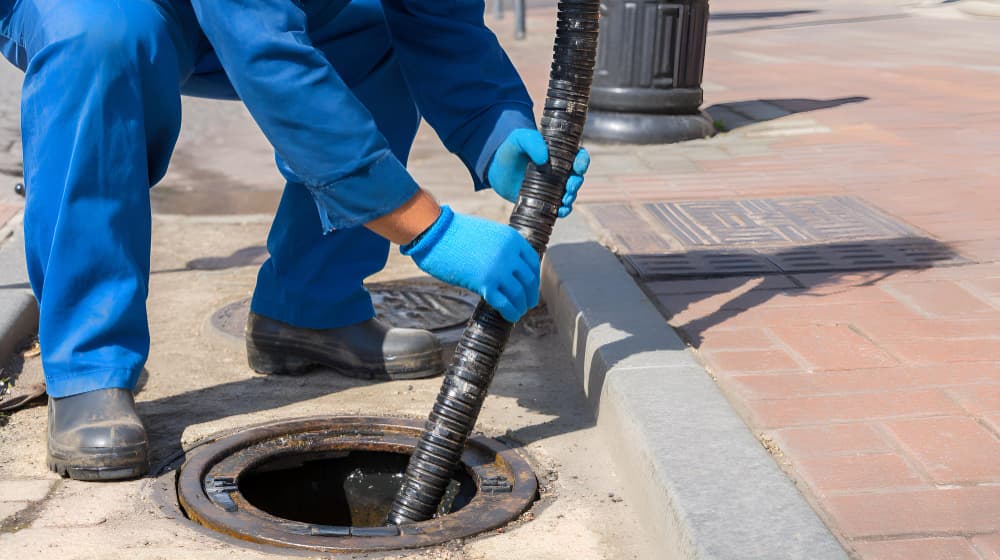
A plumber can camera-inspect your pipes to find blockages you can't reach or detect. They have power augers and hydro-jetting equipment to clear stubborn clogs in the main sewer line.
Call immediately if you see sewage backing up through the washing machine drain. This indicates a serious blockage in your home's main drain that needs urgent attention to prevent health hazards and property damage.
Conclusion
A washing machine drain overflow happens for clear reasons. Most cases involve clogs in the drain pipe or hose. Sometimes the washing machine itself has internal problems.
You can fix many of these issues yourself. Start by turning off the power and water. Check the drain hose for kinks or blockages. Snake the drain line if needed. Clean the pump filter regularly.
According to the U.S. Environmental Protection Agency, water-damaged areas that remain wet for more than 24 to 48 hours are likely to develop mold growth, making it essential to address any overflow or standing water as quickly as possible. Taking immediate steps after an overflow limits both structural damage and health risks.
Routine plumbing maintenance and regular drain maintenance also reduce the chance of overflow happening in the first place. Some homeowners find that a plumbing membership keeps these recurring tasks covered without having to think about them.
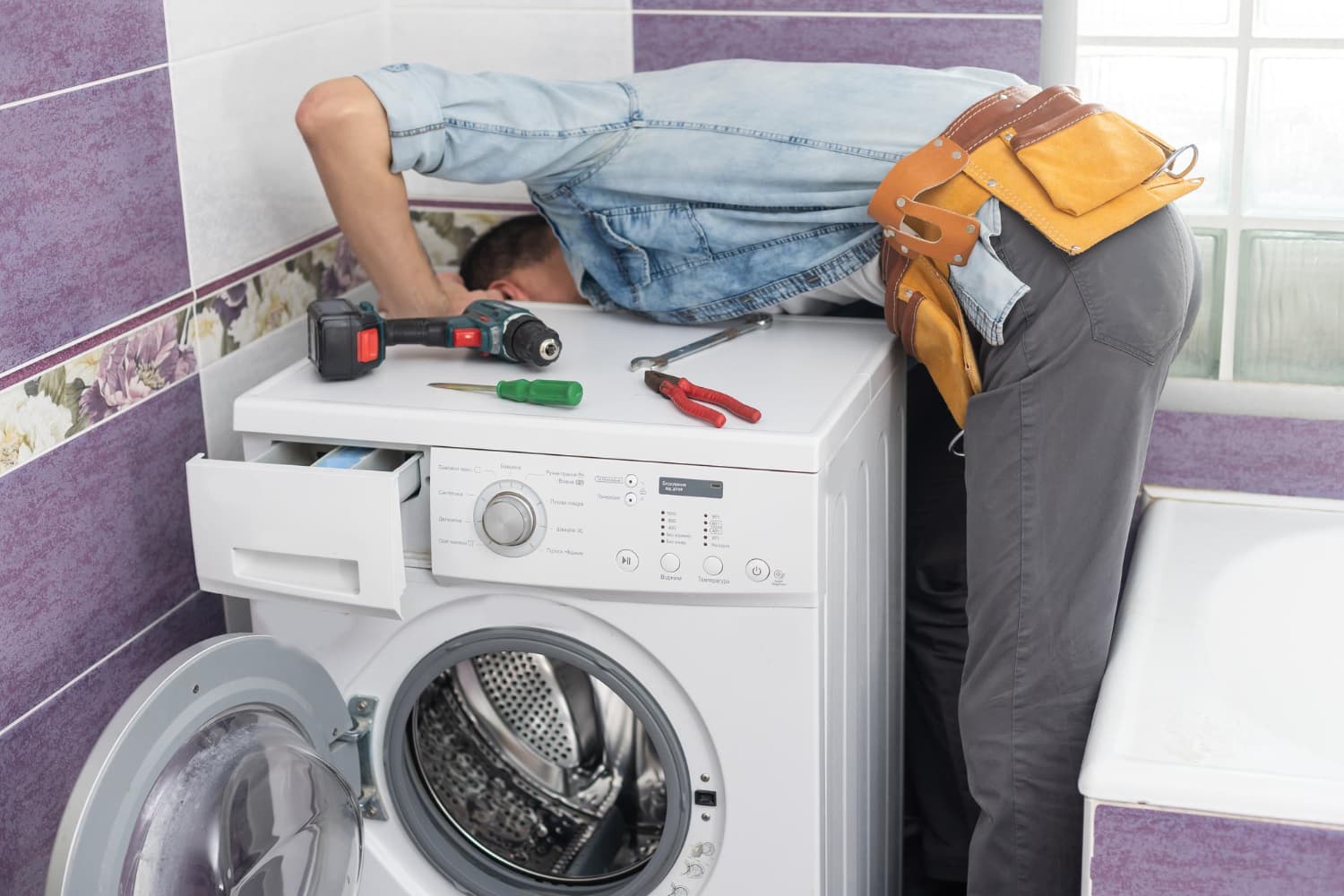
Some problems need professional help. Call a plumber if you find damaged pipes or persistent clogs you can't clear. Contact an appliance repair technician if the washing machine's internal parts malfunction.
Your washing machine should drain smoothly without backing up water. Fixing overflow issues protects your floors and prevents mold growth. Keep an eye on how your machine drains during each wash cycle.
You now have the steps to identify and fix drain overflow problems. Most solutions take basic tools and a little time. Stay on top of drain maintenance to keep your washing machine draining properly. Contact Dr. Rooter Lexington if the overflow keeps returning or if you need a professional to clear your main drain line.