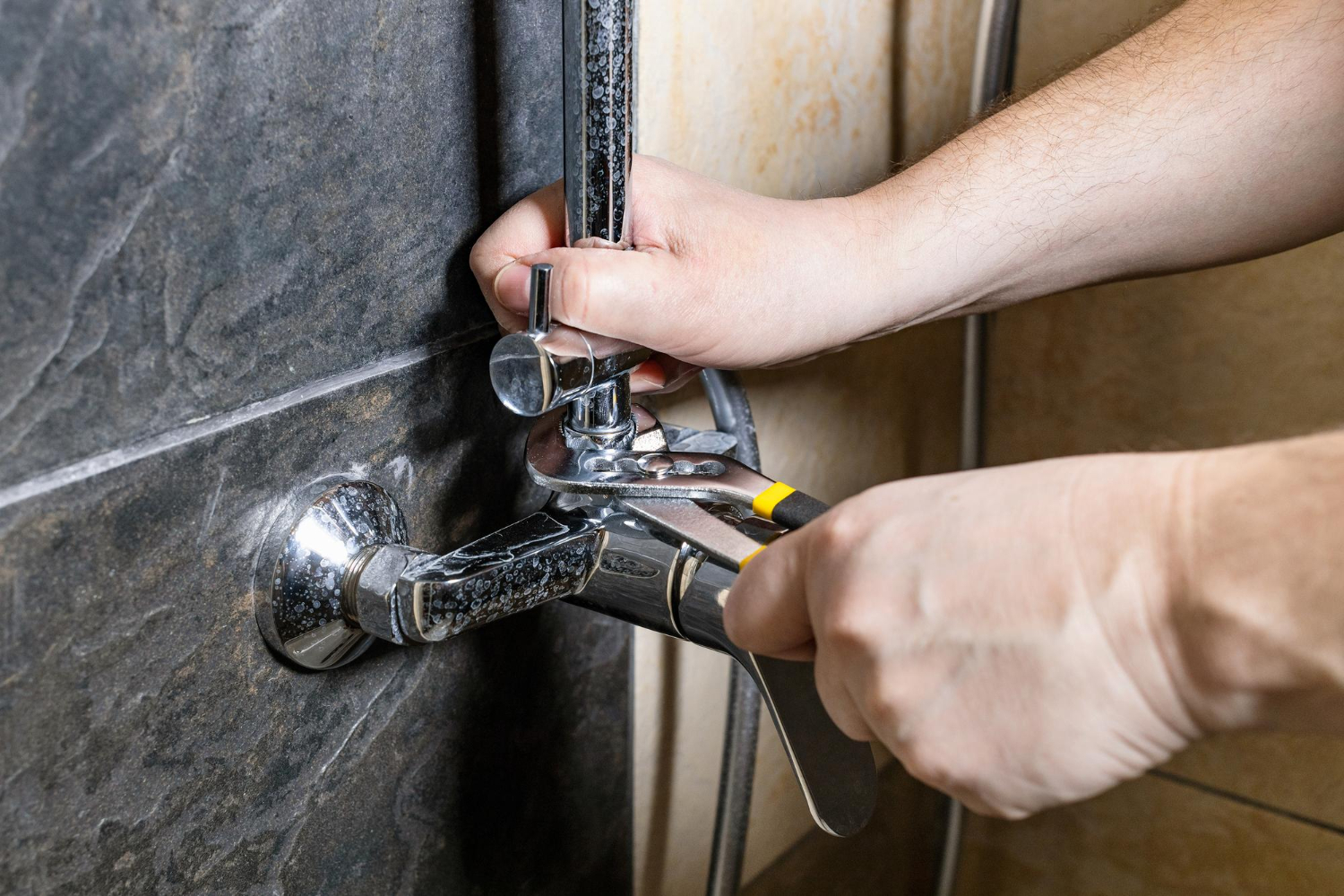
When your faucet drips constantly, your toilet runs all night, or your shower head sprays water in every direction, you're dealing with plumbing fixture problems that waste water and money. Plumbing fixture repair involves fixing or replacing components in sinks, toilets, faucets, showers, and other water-using equipment to restore proper function and prevent water damage.
These issues might seem small at first, but they can quickly turn into bigger headaches if you ignore them. Most homeowners will face plumbing fixture problems at some point. A leaking faucet can waste gallons of water each day, while a running toilet can add hundreds of dollars to your water bill over time.
According to the U.S. EPA WaterSense program, household leaks waste nearly 1 trillion gallons of water each year nationwide, so fixing persistent faucet or toilet leaks is one of the fastest ways to reduce waste and prevent fixture-related damage.
This guide walks you through everything you need to know about plumbing fixture repair. You'll learn what services are available, how to spot common problems, and when it makes sense to hire a professional instead of trying to fix things yourself. You'll also discover simple maintenance steps that can prevent future issues and keep your plumbing working smoothly.
Let’s break down the key points you should consider:
Keep reading! Understanding when you need repairs and who to call can save you from costly damage and help your plumbing system work better.
Plumbing fixture repair keeps your home's water systems working properly. When you fix problems early, you prevent bigger issues that cost more money later.
Common fixtures that need repair include faucets, toilets, sinks, and showerheads. These items wear out over time from regular use. Leaks, drips, and clogs are signs that your fixtures need attention.
Signs your fixtures need repair:
Professional repair services fix these problems quickly and correctly. Trained technicians have the right tools and knowledge to handle different fixture types. They can identify issues you might miss and prevent future problems.
Repairing fixtures saves water and reduces your utility bills. A dripping faucet wastes gallons of water each day. Fixing it stops the waste and protects your wallet.
You should consider repair when fixtures are relatively new or only have minor damage. Small leaks, worn washers, and loose connections are usually easy to fix. Repair costs less than replacement in most cases.
Regular maintenance extends the life of your fixtures. Simple tasks like cleaning aerators and checking for leaks help catch problems early. When you maintain your fixtures properly, they work better and last longer.
Skilled plumbers ensure repairs meet local codes and safety standards. They use quality parts that match your existing fixtures. This approach maintains your plumbing system's efficiency and reliability.
Professional plumbing fixture repair covers the most common problems in your bathroom and kitchen. These services handle leaks, clogs, broken parts, and worn-out components that affect daily water use.
Faucet repair addresses dripping, leaking, and low water pressure issues that waste water and increase your utility bills. A plumber will inspect the internal components like washers, O-rings, cartridges, and valve seats to find the problem. These small parts wear out over time and cause leaks at the base or handle.
When parts are too damaged or the faucet is outdated, replacement becomes the better option. Your plumber can install new faucets in your kitchen, bathroom, or utility areas. They'll ensure proper connection to your water lines and test for leaks after installation.
Common faucet problems include:
Sink repair services fix problems with the basin, drain, and connections underneath. Plumbers repair cracked basins, replace worn drain assemblies, and fix leaking P-traps. They also address slow drains caused by clogs or buildup in the pipes.
Your vanity connections include supply lines, shut-off valves, and drain pipes that can develop leaks over time. A technician will tighten loose connections, replace damaged supply lines, and fix or replace faulty shut-off valves. They can also repair or replace pop-up drain assemblies that control how your sink holds water.
Garbage disposal repair falls under sink services for kitchen fixtures. This includes fixing jams, replacing worn seals, and addressing electrical issues.
Toilet repair handles problems that affect flushing, water levels, and leaks. Plumbers fix running toilets by replacing flappers, fill valves, and flush valves inside the tank. A running toilet can waste hundreds of gallons of water each day.
Leak repair includes fixing the wax ring seal at the base, tightening tank bolts, and replacing supply line connections. Your plumber will also repair or replace broken handles, chains, and other mechanical parts. They address weak flushes by adjusting water levels or clearing clogs in the trap and drain line.
Common toilet repairs include:
Shower repair services fix leaking showerheads, faulty mixing valves, and broken diverters. Your plumber will replace worn cartridges inside the valve that control water temperature and flow. They also repair or replace showerheads with low pressure or uneven spray patterns.
Bathtub fixture repair includes fixing spout leaks, replacing tub drains, and repairing pop-up or lift-and-turn stoppers. The drain assembly can corrode or develop leaks at the overflow plate. Plumbers also fix issues with tub spouts that drip or don't properly divert water to the showerhead.
Steam and water damage around shower fixtures often indicates a leak behind the wall. Your plumber will identify the source and make necessary repairs to prevent further damage.
Most plumbing fixtures develop issues over time due to regular wear and tear, mineral buildup, or damaged internal parts. These problems can waste water, increase your utility bills, and cause damage to your home if you don't address them quickly.
A dripping faucet wastes gallons of water each day and creates an annoying sound in your home. The most common cause is a worn-out washer or O-ring inside the faucet assembly. These small rubber parts create a watertight seal when you turn off the tap, but they break down over time from constant use and friction.
Hard water deposits can also cause leaks by preventing the internal parts from sealing properly. You'll notice this issue if your faucet drips from the spout even when the handle is fully closed.
Compression faucets with separate hot and cold handles typically need washer replacements more often than modern single-handle models. However, all faucet types will eventually develop leaks. The good news is that replacement parts cost just a few dollars, and you can often fix the problem yourself with basic tools like an adjustable wrench and screwdriver.
Slow-draining sinks and tubs happen when hair, soap scum, food particles, or grease build up inside the drain pipe. Bathroom drains collect hair and soap residue, while kitchen sinks get clogged with food waste and cooking oils.
You'll first notice water pooling in the sink or tub and taking several minutes to drain completely. A partially blocked drain creates a perfect environment for bacteria growth and bad odors. If you ignore the problem, the drain will eventually stop working entirely.
Common drain clog locations:
A plunger works well for minor clogs near the drain opening. For deeper blockages, you might need a drain snake or auger to break through the buildup. Chemical drain cleaners can damage your pipes with repeated use, so try mechanical methods first.
A running toilet wastes hundreds of gallons of water each month by continuously flowing from the tank into the bowl. The most frequent cause is a worn flapper valve that doesn't seal properly against the flush valve opening. You can test this by adding food coloring to your toilet tank and checking if the color appears in the bowl without flushing.
Other common causes include a faulty fill valve, an improperly adjusted float, or a corroded overflow tube. You might hear water running, see ripples in the toilet bowl, or notice the tank refilling when nobody has used the toilet.
Leaks can also develop where the tank connects to the bowl or around the base where the toilet meets the floor. These leaks indicate worn gaskets or wax ring seals that need replacement. Base leaks require immediate attention because water can damage your subfloor and create mold problems.
Shower valves control water temperature and flow, but their internal cartridges and seals wear out from daily use. You'll know your valve needs repair when you can't get the right water temperature, the handle feels loose or difficult to turn, or water drips from the showerhead when the valve is off.
Temperature fluctuations during your shower often mean the cartridge inside your mixing valve has mineral deposits or damaged parts. Single-handle shower valves contain a cartridge that mixes hot and cold water, and this part typically needs replacement every 5-10 years.
According to the U.S. CDC, thermostatic mixing valves can be installed near fixtures to help prevent scalding while allowing system hot-water temperatures above 120°F (49°C) when needed for water-system control measures.
Leaking behind the shower handle can damage your wall and create hidden mold growth. You might see water stains on the wall or ceiling below your bathroom. Replacing a shower valve cartridge requires turning off your home's water supply and removing the handle and trim plate to access the valve body.
Plumbing fixtures show clear warning signs when they need professional attention. Recognizing these problems early helps you avoid water damage, high bills, and complete fixture failure.
A faucet that keeps dripping after you turn it off wastes more water than you might think. Even a slow drip can waste gallons of water each day and add unnecessary costs to your monthly bill.
When you notice a leak that comes back after you fix it, the problem goes deeper than worn washers or loose connections. The internal components may be corroded or damaged beyond simple repair.
Look for water pooling around the base of faucets, under sinks, or near toilet connections. These leaks often start small but get worse over time. Some leaks happen behind walls or under floors where you can't see them right away.
Pay attention to fixtures that drip only during certain times or when you use other plumbing in your home. This pattern suggests pressure issues or failing seals that need professional repair.
Your plumbing fixtures should operate quietly without banging, whistling, or gurgling sounds. When you hear unusual noises, something isn't working correctly inside the fixture or the pipes connected to it.
Water pressure that suddenly drops at one fixture points to a blockage or valve problem. If all your fixtures have low pressure, the issue may be in your main supply line. But when just one sink or shower loses pressure, that specific fixture needs repair.
Hammering sounds when you turn water on or off mean loose pipes or failing valves inside the fixture. Squealing or whistling happens when washers wear out or valves don't open fully.
Sputtering water that comes out in bursts rather than smooth flow shows air in the lines or a problem with the fixture's aerator or valve system.
Stains, warping, or soft spots near your fixtures signal ongoing water problems. Water damage starts with small discolored patches on walls, ceilings, or floors around sinks, tubs, and toilets.
Check for these signs:
Wood that feels spongy or gives when you press on it means water has soaked into the material for some time. Tile grout that crumbles or cracks lets water seep through to the subfloor.
Water stains don't dry out and disappear on their own. They show active leaks that need immediate attention before the damage spreads to structural elements of your home.
Fixtures that don't work as they should make daily tasks harder than necessary. A toilet that runs constantly, a faucet handle that won't stay in position, or a showerhead that switches between hot and cold without warning all need repair.
Older fixtures often lack the water efficiency of modern options and may have worn-out parts that no longer seal properly. If your fixtures are more than 15 years old, replacement parts may be hard to find.
Rust, corrosion, and mineral buildup tell you the fixture's internal components are breaking down. You'll see greenish stains, orange rust spots, or white crusty deposits around connections and handles.
Fixtures that need frequent repairs cost more in the long run than replacing them with new, reliable options. When you've called for service multiple times for the same problem, the fixture has reached the end of its useful life.
Professional plumbers fix fixture problems correctly the first time and help you avoid costly mistakes. They have the right tools and training to identify hidden issues that could lead to bigger problems later.
A dripping faucet can waste up to 3,000 gallons of water per year. A running toilet wastes even more, sometimes up to 200 gallons per day. These leaks add up quickly on your water bill.
Professional plumbers find and fix all types of leaks in your fixtures. They check for problems you might not notice, like slow drips inside cabinets or weak seals around fixtures. When they repair your fixtures properly, you stop paying for water that goes down the drain.
Common water-wasting fixture problems:
Fixing these issues early saves you money every month. The cost of a professional repair often pays for itself within a few months through lower utility bills.
Small fixture problems can damage your entire plumbing system if left unfixed. A leaking faucet can corrode pipes behind your walls. A broken toilet seal can leak water onto your floor and cause rot in the subfloor.
Professional plumbers spot early warning signs of system-wide problems. They inspect the pipes connected to your fixtures and check water pressure levels. If your shower valve leaks, they make sure water isn't seeping into your walls where it can grow mold.
DIY repairs often make problems worse. Using the wrong parts or over-tightening connections can crack fixtures or strip threads. These mistakes lead to emergency repairs that cost much more than the original fix would have.
Quality plumbing fixtures should last 15 to 20 years with proper care. Professional repairs help your fixtures reach their full lifespan instead of failing early.
Plumbers use manufacturer-approved parts that fit correctly and last longer. They know which replacement components work best for each fixture brand and model. This prevents premature wear from using generic parts that don't match your fixture's specifications.
Regular professional maintenance catches small problems before they destroy your fixtures. A plumber can replace a worn cartridge in your faucet for a small fee, saving you hundreds of dollars on a full fixture replacement. They also clean mineral deposits that reduce fixture performance and adjust components that have shifted over time.
Homeowners face a key choice when fixtures fail: attempt the repair yourself or hire a licensed plumber. DIY work can save money on simple tasks, but mistakes often lead to water damage, code violations, and higher costs. Professional plumbers bring specialized tools, training, and warranties that protect your home's plumbing system.
DIY plumbing repairs put your home at risk if you lack the right skills and tools. You might strip threads on fittings, overtighten connections, or use incompatible materials that fail within months. Water leaks from improper repairs can damage floors, walls, and ceilings before you notice them.
Most cities require permits for major plumbing work. If you complete repairs without proper permits, you could face fines and problems when selling your home. Insurance companies may also deny claims for damage caused by unpermitted DIY work.
Wrong diagnoses waste time and money. What appears to be a simple faucet drip might signal corroded pipes inside your walls. You could spend hours fixing the wrong problem while the real issue gets worse.
Modern fixtures include specific installation requirements. If you install a fixture incorrectly, you void its warranty and risk product failure.
Licensed plumbers complete years of training and testing before they earn their credentials. They understand local building codes and know which materials work best for your specific fixtures. This expertise prevents common mistakes that lead to callbacks and additional repairs.
Professional plumbers carry specialized tools that most homeowners don't own. Pipe cutters, basin wrenches, and pressure testing equipment help them complete repairs correctly the first time. They also maintain relationships with suppliers and can source hard-to-find parts quickly.
Quality plumbers offer warranties on their work. If a repair fails within the warranty period, they return to fix it at no extra charge. You also gain liability protection since licensed plumbers carry insurance that covers any damage during repairs.
Call Dr. Rooter Lexington when you spot water pooling around fixtures or notice drops in water pressure throughout your home. These signs point to problems that need professional diagnosis and repair. Burst pipes, water heater failures, and sewage backups also require immediate professional attention.
Contact professionals for bathroom or kitchen remodels that involve moving fixtures. These projects require knowledge of drain slopes, vent placement, and supply line sizing. Gas line work always demands licensed professionals due to safety risks.
You should also call when you've attempted a repair but the problem persists or worsens. Dr. Rooter Lexington handles situations where initial DIY attempts create additional complications or damage.
Taking care of your plumbing fixtures before problems occur saves money and reduces the need for major repairs. Simple habits like routine cleaning, fixing small issues quickly, and replacing old parts keep your bathroom and kitchen fixtures working properly for years.
Clean your faucets, showerheads, and drains at least once a month to prevent buildup that causes damage. Use a mild cleaner and soft cloth to wipe down fixtures, removing soap scum and mineral deposits that can corrode metal surfaces over time.
Check all visible pipes under sinks for signs of moisture or corrosion. Look for water stains on cabinets or walls that indicate hidden leaks. Inspect toilet connections and supply lines for any dripping or loose fittings.
Test your fixtures during cleaning to catch problems early. Turn faucet handles through their full range of motion to feel for grinding or stiffness. Flush toilets and watch for weak flow or running water. Remove and clean aerators and showerheads every few months to maintain proper water pressure.
Pay attention to drain speed in sinks, tubs, and showers. Slow drainage often means buildup is forming before a complete clog occurs.
Fix dripping faucets and running toilets immediately, even when the problem seems minor. A single dripping faucet wastes gallons of water daily and wears down internal components faster.
Address slow drains before they become completely blocked. Use a plunger or drain snake for minor clogs instead of harsh chemical cleaners that damage pipes. Pour hot water down drains weekly to help prevent grease and soap buildup.
Check toilet flappers and fill valves if you hear water running between flushes. These inexpensive parts wear out but cause significant water waste when they fail. Replace them as soon as you notice issues.
Tighten loose handles and connections when you spot them. Small leaks at joints expand quickly and can cause water damage to surrounding areas.
Replace fixtures showing signs of age like persistent leaks, cracks, or heavy corrosion. Old fixtures waste more water and break down more frequently than modern options.
Consider upgrading to water-efficient models when replacing bathroom fixtures. Low-flow faucets and showerheads reduce water bills while maintaining adequate pressure. Newer toilets use less water per flush without sacrificing performance.
Install shut-off valves for each fixture if your home lacks them. These valves let you turn off water to a single fixture during repairs without shutting down your entire system.
Switch out worn supply lines and hoses every five to seven years. These flexible connections crack and burst over time, causing flooding. Braided stainless steel lines last longer than rubber or plastic versions.
Dr. Rooter Lexington brings over 23 years of specialized experience to fixture repairs throughout the Lexington and Midlands region. Their team tackles complex jobs other companies turn away while providing transparent pricing and dependable emergency services.
Dr. Rooter employs licensed plumbers who live and work in your community. These technicians understand Lexington's building codes and have extensive experience with both historic homes and modern plumbing systems.
The team handles everything from antique claw-foot tubs to contemporary shower fixtures. They specialize in troubleshooting problems that require advanced technical knowledge and problem-solving skills.
Each plumber uses state-of-the-art tools and quality materials for every repair. This combination of experience and proper equipment means your fixture repairs are completed correctly the first time.
Dr. Rooter offers emergency plumbing services when fixture problems can't wait. Their technicians respond quickly to leaks, broken faucets, and other urgent issues that could damage your property.
The company provides residential and commercial fixture repair services throughout Lexington, SC. You get efficient repairs without unnecessary delays or scheduling complications.
Their plumbers arrive prepared with the right tools and parts to complete most repairs in a single visit. This saves you time and minimizes disruption to your daily routine.
Dr. Rooter focuses on permanent solutions rather than temporary fixes. Their plumbers identify the root cause of fixture problems and recommend repairs that last.
You receive transparent pricing before work begins. The company provides honest assessments without hidden fees or surprise charges.
Their fixture repair services use quality materials designed for durability. Whether you need a leaky faucet fixed or an outdated sink replaced, the work is completed with attention to detail and craftsmanship that holds up over time.
Per the U.S. EPA WaterSense program, a running toilet can waste up to 200 gallons of water per day, which is why toilet repair (flapper, fill valve, or flush valve) should be treated as a priority, not a “minor” issue.
Making smart choices about plumbing fixture repair protects your home and saves you money. You need to consider the age of your fixtures, the cost of repairs versus replacement, and how often problems occur.
Minor problems like worn washers, loose handles, or simple leaks can usually be fixed quickly and cheaply. You can often handle these repairs yourself with basic tools.
More serious issues require professional help. Corrosion, cracked fixtures, or outdated plumbing systems call for replacement rather than temporary fixes.
Your decision should balance immediate costs with long-term value. Sometimes spending more now on replacement prevents repeated repair expenses later.
Schedule plumbing fixture repair with Dr. Rooter Lexington to diagnose the failed component (cartridge/washer, drain assembly, fill valve/flapper, or shower mixing valve) and complete code-compliant repairs that stop leaks, restore pressure, and prevent water damage.