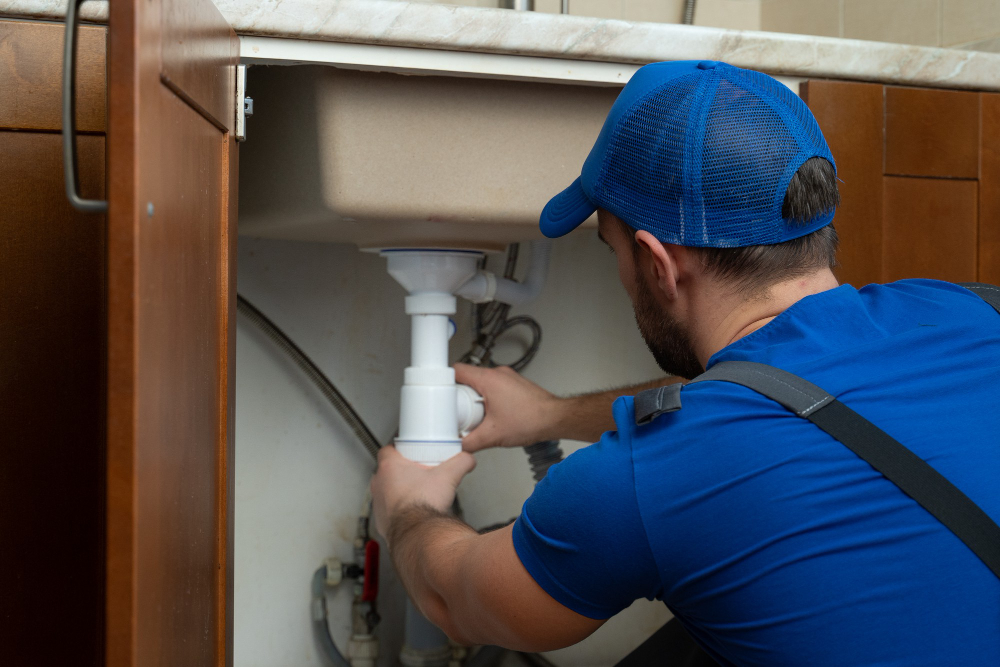
A broken garbage disposal can bring your kitchen to a standstill. When your unit jams, leaks, or makes strange noises, you need fast and reliable help. Lexington, SC homeowners have access to qualified plumbers who can diagnose disposal problems and restore normal function, often within the same day.
Your disposal works hard every day to grind up food waste and keep your kitchen running smoothly. Over time, regular use causes parts to wear down. This wear can lead to clogs, leaks under the sink, and mechanical failures that affect your plumbing system.
Understanding what causes disposal problems and knowing when to call for garbage disposal repair in Lexington SC can save you money and prevent bigger issues. Staying on top of routine plumbing maintenance is one of the best ways to catch small kitchen plumbing problems before they become emergencies.
This guide walks you through the warning signs of a failing unit, common mistakes that damage your disposal, and the benefits of getting professional help before small problems turn into expensive emergencies. Here is what you will find inside:
Keep reading to learn how to protect your kitchen plumbing from disposal failures and avoid costly drain and cabinet damage.
Your garbage disposal will give you clear signals when something is wrong. Strange noises, constant button resets, and water that won't drain properly all point to problems that need attention before they get worse.
Your disposal should run smoothly with a consistent humming sound. When you hear loud grinding, metal-on-metal scraping, or rattling noises, something has likely gone wrong inside the unit. These sounds often mean the internal grinding components have worn down or broken loose from their mountings.
Small objects like utensils, bottle caps, or bones can fall into the disposal and create rattling sounds as they bounce around the grinding chamber. The impellers that break down food waste can also become loose or damaged over time, causing a grinding noise that gets louder with use.
You should turn off the disposal immediately when you hear unusual sounds. Check for foreign objects first by turning off the power and looking inside with a flashlight. If you don't see anything obvious, the internal components may have failed. Running a damaged disposal can cause more damage to the motor and mounting assembly.
The reset button on your disposal exists as a safety feature to prevent motor damage. If you find yourself pressing this red button on the bottom of the unit more than once every few months, your disposal is telling you it's struggling.
Frequent resets happen when the motor overheats or encounters too much resistance. This usually means the motor is losing power, the grinding chamber is jammed, or the electrical connections have become faulty. Normal food waste shouldn't trigger constant shutdowns in a healthy unit.
Some resets happen because you overloaded the disposal with too much food at once. But when resets occur during light use or within minutes of the previous reset, your unit has likely reached the end of its functional life.
Water pooling in your sink while the disposal runs indicates a drainage problem. Your disposal might be partially clogged, or the drain pipes connected to it could have buildup blocking the flow. This creates standing water that takes several minutes to drain away.
A working disposal should clear water within seconds of turning it on. Slow drainage means food particles and grease have accumulated in the grinding chamber or the drain line below it. Sometimes the problem extends into your main drain pipes, but it typically starts at the disposal itself.
You can try running cold water for 30 seconds after grinding food waste to clear the pipes. If water still drains slowly after this, the blockage has become serious enough to need professional attention. Persistent slow drainage combined with gurgling sounds means your Lexington SC home needs garbage disposal repair before the clog becomes complete.
Everyday kitchen habits can quietly damage your garbage disposal and shorten its typical 10-15 year lifespan. The wrong foods, grease buildup, and hard materials cause most repair calls in Lexington homes.
Certain foods expand or stick together inside your disposal, creating blockages that trap water and prevent proper grinding. Pasta, rice, and oatmeal absorb water and swell into a thick paste that clogs the drain pipe. Potato peels contain starch that forms a glue-like substance on the blades and walls of the unit.
Fibrous vegetables pose another serious problem. Celery, asparagus, corn husks, and onion skins contain tough strings that wrap around the blades and prevent them from spinning. Eggshells might seem harmless, but their thin membranes stick to the grinder ring and create a layer that traps other food particles.
According to the U.S. Department of Agriculture, between 30 and 40 percent of the American food supply goes to waste at the retail and consumer levels, and a significant portion of that waste passes through kitchen drains and disposals. Coffee grounds are particularly troublesome because they don't break down in water. They accumulate in your pipes and form dense sediment that eventually blocks drainage completely. Bread, flour, and other dough-based foods create a similar paste that hardens inside the disposal chamber.
Pouring cooking oil, bacon grease, or butter down your disposal causes serious long-term damage. These liquids seem harmless when hot, but they cool and solidify inside your pipes within minutes. The sticky coating catches food particles and builds up layer by layer. According to Clemson University's Home and Garden Information Center, the EPA has identified grease from residential and commercial sources as the leading cause of sewer blockages, accounting for roughly 47 percent of all reported pipe obstructions nationwide.
Salad dressings, mayonnaise, and other fatty condiments create the same problem. They coat the grinding components and reduce the disposal's ability to break down food effectively. Over weeks and months, this buildup narrows your drain pipes and slows water flow.
The grease also traps bacteria that produce foul odors in your kitchen. You'll notice slower drainage first, then standing water in your sink, and eventually a complete blockage that requires professional repair. Always wipe greasy pans with paper towels and throw the waste in your trash instead.
Non-food items and hard materials break the metal blades and overwork the motor in your disposal. Paper towels, plastic wrappers, and rubber bands jam the grinding mechanism and force the motor to strain against unmovable objects. This burns out the motor faster than normal wear and tear.
Bones, fruit pits, and seeds are too dense for residential disposals to handle. While your unit might grind small chicken bones occasionally, beef bones and peach pits will chip the grinding teeth and dull the cutting edges. The motor works harder with each use until it eventually fails.
Metal items like bottle caps, twist ties, and aluminum foil damage the disposal beyond repair. These materials don't break down at all and instead get wedged between moving parts. Even small items like toothpicks or seafood shells can lodge in the grinding chamber and prevent the blades from turning properly.
A garbage disposal leak under your sink creates problems that range from visible water puddles to hidden structural damage. The longer water escapes from loose connections or worn seals, the more expensive repairs become for your cabinets, floors, and plumbing system.
You'll often notice water pooling directly under your sink before you see the actual source. Check for dampness around the sink flange where the disposal connects to your drain, along the dishwasher connection hose, and at the drainpipe attachment points.
Fresh water spots that appear after running your disposal indicate an active leak. The water may drip slowly during use or show up as a wet ring around connection points.
Run your disposal and use a flashlight to trace where moisture appears first. Look for:
Small leaks often start at loose mounting bolts or degraded rubber gaskets. These connections can loosen over time from normal vibration and use.
Water seeping inside your cabinet base creates an environment for mold growth within days. According to the U.S. Environmental Protection Agency, wet or damp materials must be dried within 24 to 48 hours to prevent mold from taking hold, making prompt leak repair essential. The dark, enclosed space under your sink keeps moisture trapped against wood surfaces.
Cabinet bottoms absorb water slowly, which means damage builds up before you spot visible signs. The wood swells, weakens, and eventually warps or develops soft spots that threaten to collapse under weight.
Mold spores spread quickly in damp conditions and create health concerns for your household. You might smell a musty odor before seeing black or green patches on cabinet surfaces.
Metal pipes and brackets exposed to constant moisture will corrode and rust. This weakening makes your entire plumbing system more vulnerable to bigger failures.
Your cabinet structure becomes compromised once water saturates the particleboard or wood materials. The bottom panel may sag or develop holes that require complete cabinet replacement.
Water that escapes the cabinet area spreads to your kitchen floor. Hardwood floors warp and buckle when exposed to moisture, while tile grout deteriorates and allows water to reach the subfloor beneath.
Subfloor damage represents one of the most costly repairs from an ignored disposal leak. Water rotting through subflooring requires tearing up finished flooring and replacing structural supports.
Leaks near electrical outlets create serious safety hazards. Water and electricity together pose risks of shock or fire damage to your home. Any leak that reaches outlets or runs along walls requires immediate professional attention to prevent dangerous conditions.
A broken garbage disposal doesn't just stop working. It creates problems that get worse over time and can damage other parts of your plumbing system.
When your garbage disposal isn't grinding properly, food particles collect in the drain pipes. These bits of waste build up and form blockages that prevent water from flowing through. You'll notice your kitchen sink draining slower at first.
The backup doesn't stay in one place. Water and waste push back up through the pipes and can appear in nearby drains. Your dishwasher shares the same drain line as your sink, so standing water and food debris can back up into the dishwasher basin. This makes your dishes dirty instead of clean.
The blockage can also affect bathroom drains if they connect to the same main line. Water that should go down gets trapped and has nowhere to go. You might see your sink overflow during normal use, which puts dirty water on your counters and floor.
Food stuck in a malfunctioning disposal starts rotting within hours. Meat, vegetables, and other organic waste break down and produce a smell that fills your kitchen. Running water doesn't wash away the buildup when the grinding mechanism isn't working.
The smell gets into the disposal's splash guard and grinding chamber. Bacteria multiply quickly in the damp, dark space. The odor intensifies each day you wait to fix the problem.
Standard cleaning methods don't work when food is wedged in broken parts. Ice cubes and citrus peels only mask the smell temporarily. The source of the odor remains until you repair the disposal and remove the trapped debris.
Restricted water flow puts extra pressure on your drain pipes. The pipes weren't designed to handle constant standing water and debris. Seals and connections can start leaking from the added stress.
The disposal motor continues trying to run even when jammed. This creates vibrations that loosen the mounting assembly and drain connections. You'll see water dripping from the unit or pooling in the cabinet below your sink.
Persistent clogs force you to use chemical drain cleaners repeatedly. These products contain harsh ingredients that corrode metal pipes and damage rubber seals. The chemicals also harm the disposal's internal components, turning a simple repair into a full replacement job.
Professional garbage disposal service in Lexington SC provides accurate problem diagnosis, cost-effective solutions, and preventive care that keeps your unit running efficiently for years.
A trained garbage disposal plumber in Lexington SC has the tools and experience to identify the root cause of your disposal problems quickly. When your unit makes unusual noises or stops working, the issue might stem from jammed blades, loose mounting bolts, worn seals, or faulty wiring. DIY troubleshooting often misses these underlying problems.
Professional plumbers use specialized equipment to inspect internal components without causing additional damage. They can spot hairline cracks in the disposal housing that lead to leaks before they damage your cabinet or flooring. Electrical issues require safe handling and proper testing to avoid shock hazards or fire risks.
Kitchen disposal repair in Lexington involves checking multiple systems at once. A plumber examines the motor, impeller plate, flywheel, reset button, and circuit connections during a single service call. This thorough approach saves you time and prevents repeat failures from undiagnosed issues.
Residential garbage disposal repair in Lexington becomes less practical as units age beyond 10-12 years. A professional evaluates your disposal's condition, repair costs, and expected lifespan to help you make an informed decision. Simple fixes like clearing jams or tightening connections make sense for newer units.
Repair makes sense when:
Garbage disposal replacement in Lexington SC becomes the better choice when multiple parts fail or the motor burns out. Modern units offer improved grinding power, noise reduction, and energy efficiency. A plumber can install a properly sized replacement the same day and ensure all connections meet current plumbing codes.
Regular maintenance extends your disposal's lifespan and prevents emergency repairs. Run cold water for 15 seconds before and after using the disposal to flush debris completely through your pipes. This simple habit prevents buildup that causes jams and odors.
Avoid putting fibrous foods, grease, coffee grounds, or hard items like bones down your disposal. These materials strain the motor and dull the grinding components. Cut larger food scraps into smaller pieces before disposal to reduce wear on the blades.
Schedule professional inspections every 1-2 years to catch small problems early. A plumber checks for loose parts, worn seals, and proper drainage during routine maintenance visits. They can also clean buildup from inside the unit and test electrical connections for safety.
Your garbage disposal plays a key role in keeping your kitchen clean and functional. When it stops working properly, you need fast and reliable repair services in Lexington, SC.
Local plumbers offer 24/7 emergency services to fix jammed blades, leaks, and electrical problems. They can diagnose issues quickly and tell you whether repair or replacement makes more sense for your situation.
You can find experienced professionals throughout Lexington who handle both residential and commercial disposal repairs. Many companies provide emergency response when you need help right away.
Getting your disposal fixed quickly prevents bigger problems like clogged drains and bad smells. Professional repair also ensures the job is done safely, since disposals involve both plumbing and electricity.
When you search for repair services, look for licensed plumbers with good reviews and clear pricing. Ask about their experience with your specific disposal brand and whether they offer warranties on their work.
Taking care of disposal problems early saves you money and hassle. A working disposal keeps your kitchen running smoothly and makes cleanup easier after meals. Contact Dr Rooter Lexington today to schedule a repair or inspection for your garbage disposal.