A broken water heater can disrupt your entire household, leaving you without hot water for showers, dishes, and laundry. When your water heater stops working properly in Lexington, you need to know whether you can fix it yourself or if it's time to call a professional plumber. According to the U.S. Department of Energy, the average household spends 14 to 18 percent of their utility bill on water heating, which adds up to roughly $400 to $600 per year, making a well-maintained unit one of the most important appliances in your home.
Understanding the basics of water heater repair Lexington homeowners need can save you money and help you make smart decisions about your home. Water heaters typically last 8 to 12 years, but problems can happen at any time. Some issues are simple fixes you can handle on your own, while others require trained technicians with the right tools and experience. Knowing the difference keeps you safe and prevents small problems from becoming expensive emergencies.
This guide walks you through common water heater issues, basic repair steps, and ways to keep your system running well. You'll also learn when to seek emergency repair services in Lexington so you're never stuck without hot water for long.
- Common water heater problems
- How to repair a water heater
- Preventive maintenance tips
- Emergency water heater repair in Lexington
Keep reading to learn how to identify water heater problems early, handle basic repairs safely, and know when to call a licensed plumber in Lexington.
Common water heater problems
Water heaters fail for specific reasons that homeowners can often identify before calling for repairs. Most issues fall into four categories that affect hot water availability, physical damage, unusual sounds, and ignition systems.
No hot water or inconsistent temperature
When your water heater stops producing hot water or delivers unpredictable temperatures, the problem usually stems from a faulty thermostat or heating element. Electric water heaters have two heating elements that can burn out over time. If the upper element fails, you won't get any hot water. A broken lower element means you'll run out of hot water quickly.
Gas water heaters face different issues. A malfunctioning gas valve or burner assembly can prevent proper heating. The thermostat might also be set too low or need calibration.
Sediment buildup is another common cause. Minerals from hard water settle at the bottom of your tank and create a barrier between the heating element and water. This forces your system to work harder and reduces efficiency.
You can check if your thermostat is set between 120-140°F. Temperatures below this range won't heat water properly. Temperatures above waste energy and increase scalding risks.
Leaks or dripping tank
A leaking water heater requires immediate attention because small drips can turn into major water damage. Check the temperature and pressure relief valve first, as it may be releasing excess pressure through normal operation. This valve drips occasionally but shouldn't leak constantly.
Loose pipe connections at the top of the tank are easy fixes. Tightening these fittings with a wrench often stops the leak. The drain valve at the bottom can also loosen over time or wear out.
Corrosion inside the tank is more serious. Once rust eats through the steel tank, you'll see water pooling around the base. This type of damage means you need a replacement, not a repair. If you notice water heater corrosion signs early, a professional can often extend your unit's life before full replacement becomes necessary.
Condensation sometimes looks like a leak but isn't. New water heaters or units working overtime in cold weather can develop moisture on the outside. Wipe the tank dry and monitor it to determine if you have actual leaking or just condensation.
Strange noises from the heater
Rumbling, popping, or banging sounds from your water heater indicate sediment has hardened at the tank bottom. When water gets trapped under this layer, it boils and creates loud popping noises. These sounds mean reduced efficiency and potential tank damage.
A high-pitched whine or screeching points to restricted water flow. Partially closed valves or sediment blocking inlet pipes cause this issue. The sound occurs as water squeezes through tight spaces.
Hissing or sizzling suggests water is dripping onto hot surfaces. Check for leaks along pipe connections or from the temperature relief valve. This noise can also mean condensation is falling onto the burner assembly in gas units.
Flushing your tank removes sediment and eliminates most noise problems. If you're unsure whether flushing will solve the issue, a pipeline inspection can help pinpoint whether the problem lies deeper in your system.
Pilot light or heating element issues
Gas water heaters depend on a pilot light to ignite the main burner. When this flame goes out repeatedly, you likely have a dirty thermocouple or a draft near the unit. The thermocouple is a safety device that shuts off gas flow when it doesn't detect flame.
A pilot light that won't stay lit might also indicate low gas pressure or air in the gas line. Yellow or orange flame color instead of blue means incomplete combustion and needs professional attention. For persistent tankless water heater issues, the root causes are often similar but require different diagnostic steps.
Electric water heaters use heating elements instead of flames. These elements fail from age, sediment exposure, or power surges. Testing them requires turning off power and using a multimeter to check continuity.
Circuit breakers that trip repeatedly signal electrical problems within your water heater. Never ignore this issue, as it poses fire risks. Reset the breaker once, but call a technician if it trips again.
How to repair a water heater
Most water heater repairs involve checking the thermostat and heating elements, removing sediment buildup, or fixing leaks. You can handle some of these tasks yourself, but certain repairs require a licensed plumber.
Check thermostat and heating elements
Start by turning off the power to your electric water heater at the circuit breaker. Remove the access panel and insulation to reach the thermostat. Test the thermostat with a multimeter to see if it's working correctly.
If your water isn't hot enough, the thermostat might be set too low. The ideal temperature is 120°F for most homes. Adjust the setting if needed and wait a few hours to see if the water temperature improves.
Testing heating elements: turn off power at the breaker, use a multimeter to test continuity, check both upper and lower elements, and replace any element that shows no continuity.
Heating elements fail over time, especially in areas with hard water. A faulty element won't heat water properly. You can replace heating elements yourself with basic tools, but you must drain the tank first. For gas water heaters, check if the pilot light is lit and inspect the thermocouple.
Flush tank to remove sediment
Sediment buildup causes many common water heater problems. Minerals in your water settle at the bottom of the tank and reduce efficiency. This buildup makes your heater work harder and can cause strange noises.
Turn off the power or gas supply before starting. Attach a garden hose to the drain valve at the bottom of your tank. Run the hose outside or to a floor drain. Open the drain valve and let several gallons flow out until the water runs clear.
You should flush your tank water heater once or twice per year. This prevents sediment from hardening and extends the life of your heater. If water flows slowly from the drain valve, sediment may be blocking it. A professional water heater flushing service ensures the job is done thoroughly and safely.
Repair or replace leaking components
Check your water heater for puddles or moisture around the base. The leak source determines whether you need a simple fix or a full replacement. Tighten any loose connections with a pipe wrench first.
Common leak locations include the temperature and pressure relief valve, which needs replacement if water drips from the discharge pipe; the drain valve, which should be tightened or replaced if leaking during normal operation; the tank itself, which cannot be repaired and requires full replacement; and the inlet and outlet connections, where tightening fittings or replacing washers often solves the problem.
The temperature and pressure relief valve prevents dangerous pressure buildup. Test it yearly by lifting the lever briefly. Water should flow freely and stop when you release it. Replace the valve if it continues dripping afterward. If you're dealing with an active water heater leaking situation, acting fast limits damage to floors and surrounding areas.
When to call a professional
Gas water heater repairs involving the gas line, burner assembly, or venting system require a licensed plumber. Working with gas connections without proper training creates serious safety risks including gas leaks and carbon monoxide exposure.
Call a professional if you smell gas near your water heater. Leave your home immediately and contact your gas company. Don't attempt any repairs yourself in this situation.
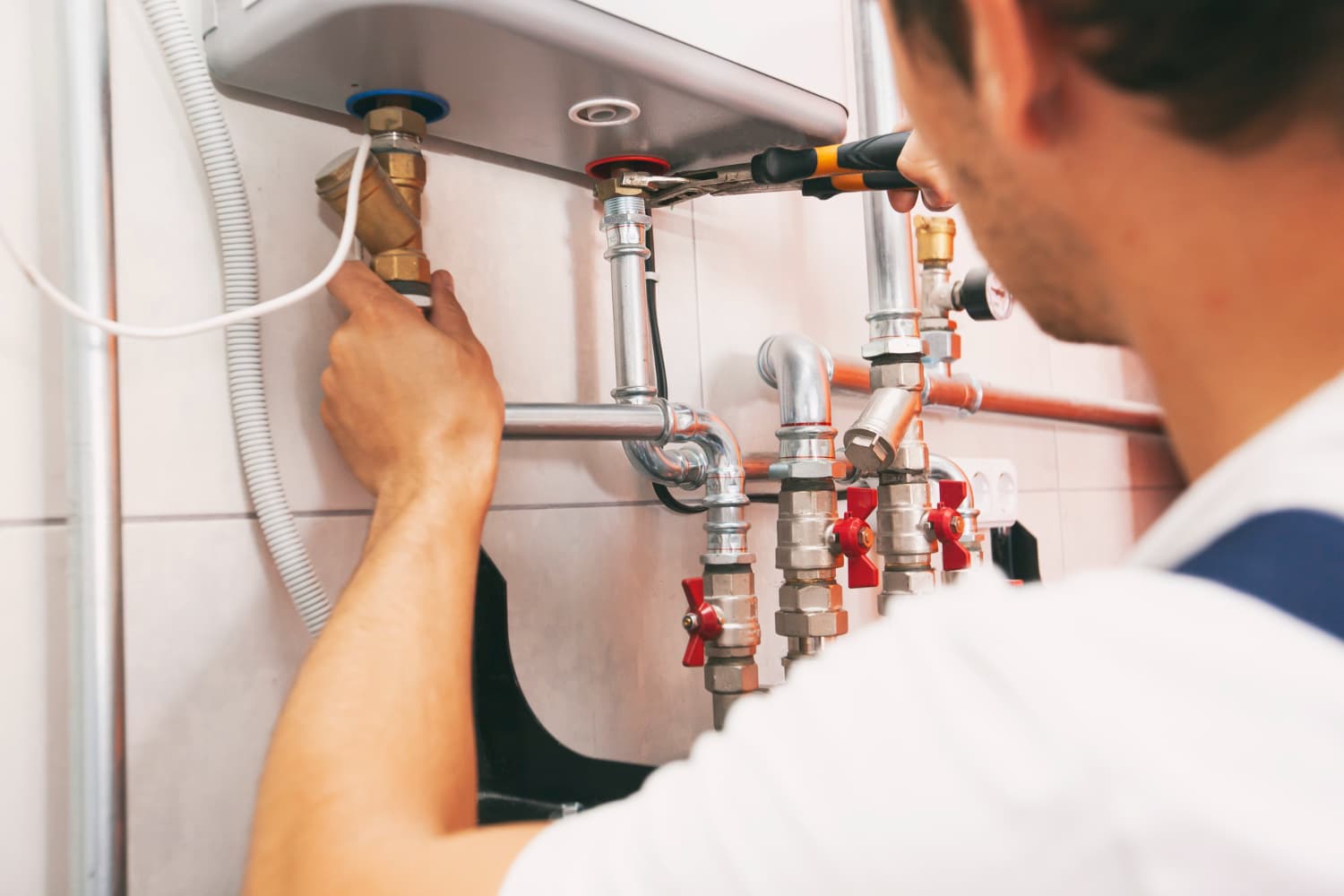
You should also get professional help for tank water heater fix jobs that involve major leaks, electrical wiring issues, or warranty repairs. Most manufacturers require licensed technicians to perform certain repairs to keep warranties valid. A plumber can diagnose water heater plumbing issues faster and has the right tools for the job.
Preventive maintenance tips
Taking care of your water heater helps it last longer and work better. Simple tasks like flushing the tank, checking for leaks, and testing safety features can prevent expensive repairs and keep your hot water running.
Regular flushing and cleaning
You should flush your water heater at least once a year to remove sediment buildup. Minerals in the water settle at the bottom of your tank over time, which makes your heater work harder and less efficiently.
Turn off the power or gas to your unit first. Connect a garden hose to the drain valve at the bottom of the tank and run it to a floor drain or outside. Open the valve and let the water drain until it runs clear.
This process usually takes 20 to 30 minutes. The sediment that comes out looks like dirty, rusty water with small particles. Regular flushing can add years to your water heater's life and lower your energy bills. Hard water accelerates sediment accumulation, so homes with hard water supply should flush more frequently.
Inspecting for leaks
Check around your water heater every few months for signs of water. Look at the base of the tank, pipe connections, and the pressure relief valve for any moisture or puddles.
Small leaks often start at the temperature and pressure relief valve or where pipes connect to the tank. Tighten loose connections with a wrench, but don't over-tighten them. If you notice rust-colored water or corrosion on the tank itself, your unit may need replacement soon.
Water pooling around your heater can damage your floor and lead to mold growth. Catching leaks early saves you from bigger problems. If you find a leak you can't fix yourself, contact a water heater leaking repair professional right away.
Temperature and pressure check
The temperature and pressure relief valve is your water heater's main safety feature. Test it twice a year by lifting the lever partway and letting it snap back. You should hear a gurgling sound as water releases into the drain pipe.
Set your water temperature between 120 and 140 degrees Fahrenheit. Higher temperatures waste energy and can scald you. Lower temperatures may not kill bacteria effectively.
Your water heater's pressure should stay below 80 PSI. High pressure strains the tank and shortens its lifespan. A water heater expansion tank helps regulate pressure in closed plumbing systems and protects your unit from damage. If the relief valve doesn't release water when you test it, replace it immediately.
Schedule annual service
Professional inspections catch problems you might miss. A trained technician checks the heating elements, thermostat, anode rod, and venting system during a service call.
The anode rod protects your tank from rust but wears out over time. Most rods need replacement every three to five years. A technician can inspect it and swap it out if needed.
According to the U.S. Department of Energy, water heating accounts for about 18 percent of a home's total energy use and is typically the second largest energy expense, which means a well-maintained unit directly affects your monthly bills. Annual service costs less than emergency repairs and keeps your warranty valid. A water heater tune up typically includes checking all components, testing safety features, and making small adjustments to keep your system at peak efficiency.
According to the U.S. Department of Energy, water heaters typically last about 10 to 15 years with proper care. Planning ahead before your unit reaches the end of its lifespan prevents emergency replacements and gives you time to choose the right upgrade for your home.
Emergency water heater repair in Lexington
Water heater failures don't wait for business hours, and several Lexington plumbers offer 24-hour emergency services to restore hot water quickly. Many companies provide same-day repairs when you need them most.
Fast response plumbing services
Emergency water heater situations require immediate attention. Several Lexington plumbing companies offer 24-hour emergency services to handle urgent repairs when your water heater fails unexpectedly. These services typically include same-day appointments when available.
When you contact an emergency plumber, they prioritize your call based on the severity of the problem. Issues like water leaks, complete system failures, or gas leaks require the fastest response times. Most emergency services in Lexington aim to arrive within a few hours of your call.
You can schedule emergency repairs by calling directly or booking online through company websites. Some providers keep evening and weekend slots available specifically for urgent situations. This flexibility helps you get hot water restored without waiting until regular business hours.
Certified technicians
Emergency plumbers in Lexington employ certified and licensed technicians trained to handle water heater problems safely. These professionals have experience with various water heater types, including tank, tankless, gas, and electric models.
Certified technicians can quickly diagnose problems during emergency visits. They carry common replacement parts and tools to complete repairs on the spot when possible. This preparation reduces the need for multiple service calls.
Your emergency plumber should have proper licensing and insurance coverage. This protects you from liability if accidents occur during repairs. Many Lexington companies also offer a plumbing membership program that gives members priority scheduling and discounts on service calls.
Safe and efficient repairs
Emergency water heater repairs involve potential hazards that require professional handling. Gas leaks, electrical issues, and scalding water pose serious risks to untrained homeowners attempting DIY fixes.
Professional plumbers follow safety protocols to protect your home and family during emergency repairs. They shut off appropriate utilities, test for gas leaks, and verify electrical connections before starting work. These steps prevent accidents and ensure repairs meet local building codes.
Emergency technicians work efficiently to restore your hot water supply quickly. They can perform temporary fixes to get your system running while ordering specialty parts for permanent repairs. This approach minimizes the time your household goes without hot water.
Conclusion
Keeping your water heater in good condition protects your home and keeps energy costs under control. Most problems start small and become expensive only when ignored.
Watch for warning signs like inconsistent hot water, strange noises, visible leaks, or pilot light issues. These signals give you the chance to act before a minor repair turns into a full replacement.
Key maintenance steps that extend your unit's life include annual flushing to remove sediment, regular checks for leaks and corrosion, testing the pressure relief valve twice a year, and scheduling professional service inspections.
When problems go beyond basic DIY fixes, trust licensed plumbers who know water heater systems inside out. Attempting complex gas or electrical repairs without training puts your household at risk.
Whether you need a quick fix or a complete water heater upgrade, contact Dr. Rooter Lexington today for fast, reliable service you can count on.