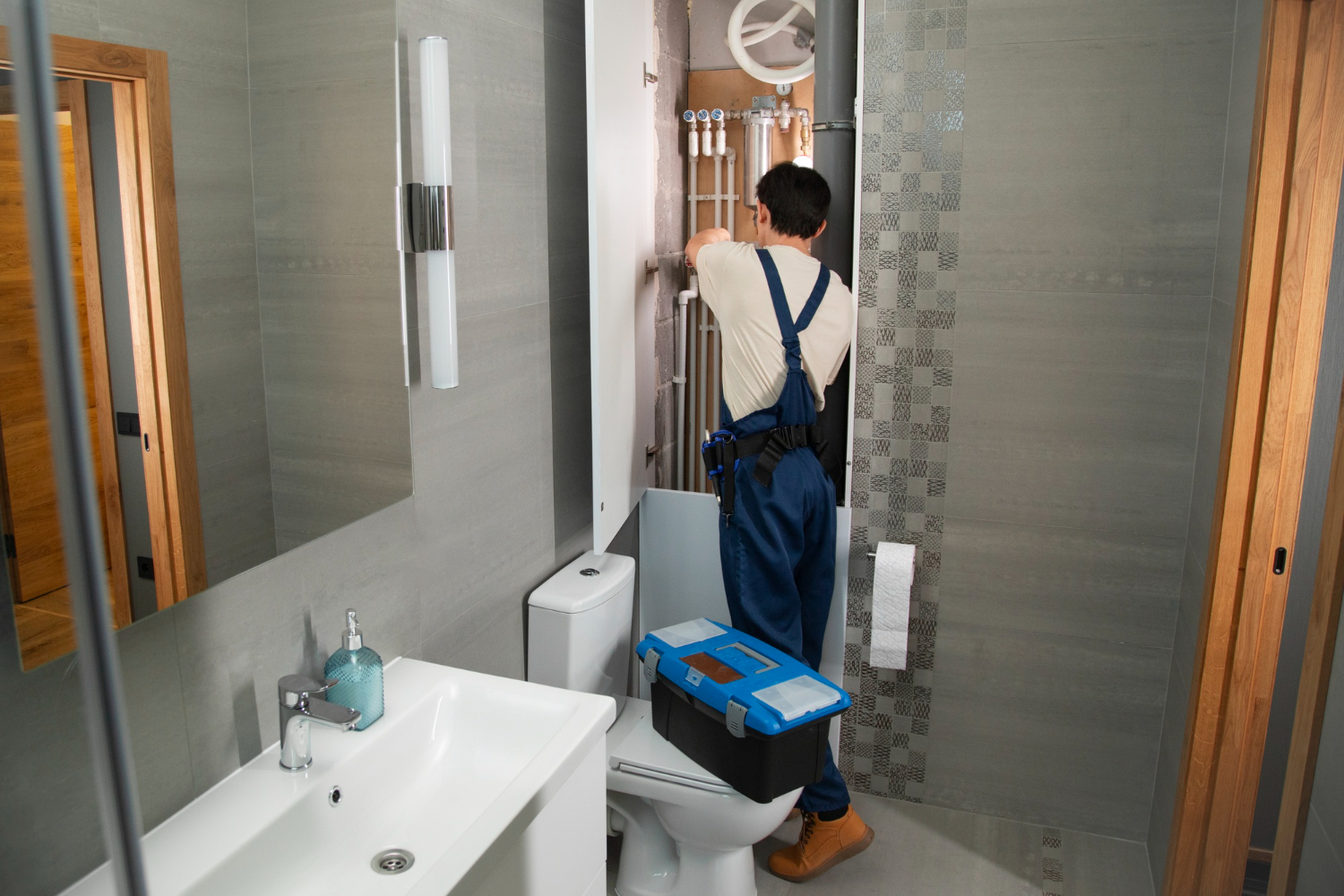
Water heater leaking can happen due to loose connections, faulty valves, corrosion, or a damaged tank, and identifying the source of the leak is the first step to fixing it.
A leaking water heater is a common household problem that can range from a simple fix to a serious issue requiring professional help. While some homeowners may feel alarmed when they notice water pooling around their unit, many leaks can be resolved quickly with basic troubleshooting.
Some issues require only a screwdriver or a replacement part, while others need a trained technician. Knowing the difference helps homeowners make smart decisions about repairs.
This guide covers everything needed to identify, troubleshoot, and fix a leaking water heater. It explains common causes, warning signs to watch for, and when to call a professional. Regular maintenance tips are also included to help prevent future problems.
Below, we’ll walk through each important aspect:
Keep reading! Understanding what causes these leaks and recognizing the warning signs early can save time, money, and prevent water damage to the home
Water heaters develop leaks due to several mechanical issues and natural wear over time. The most common causes involve deteriorating internal components, rust eating through the tank walls, loose fittings in the plumbing system, or excessive pressure building up inside the unit.
Several parts inside and around a water heater can wear out and cause leaks. The drain valve, located near the bottom of the tank, often develops leaks when its seal breaks down or when it gets bumped or loosened accidentally. The temperature and pressure relief valve (T&P valve) sits on the side or top of the tank and releases water when it detects unsafe conditions or simply fails from age.
The anode rod, which protects the tank from corrosion, can also contribute to leaks. When this rod depletes completely, it no longer shields the tank from rust. The gaskets and seals around various connections deteriorate with age and exposure to hot water, creating small drips that can worsen over time.
Sediment buildup accelerates the breakdown of these components. Minerals in the water settle at the tank bottom and create hot spots that weaken seals and valves faster than normal wear would.
According to the U.S. Department of Energy (DOE), sediment buildup in storage water heaters reduces efficiency and accelerates tank deterioration, and periodic flushing helps limit corrosion that can lead to leaks.
Rust represents one of the most serious problems for a hot water tank leak. Once corrosion eats through the inner steel lining, water seeps through the tank walls. This damage cannot be repaired.
The tank's glass lining protects the steel from direct water contact, but this coating can crack over time. Small imperfections in the lining allow water to reach the metal underneath. The anode rod normally attracts corrosive elements, but when it depletes, the tank itself becomes the target.
External rust often appears first on the outside of older tanks. However, internal corrosion poses the bigger threat since it remains invisible until a leak appears. Age plays a major role—most water heaters last 8 to 12 years before corrosion becomes severe enough to cause tank failure.
The pipes connecting to the water heater represent common leak sources. Cold water inlet and hot water outlet pipes attach at the top of most tanks. These connections can loosen from vibrations, temperature changes, or improper installation.
Threaded fittings may not have been sealed properly with pipe tape or compound during installation. Over time, thermal expansion and contraction can weaken even properly installed connections. The threads themselves can corrode or strip, making a tight seal impossible.
Flex lines and pipes leading to and from the heater also develop problems. Rubber hoses crack with age. Metal pipes can corrode at the connection points. Even small drips from these areas can create puddles that look like tank leaks.
Excessive water pressure forces more stress on the tank and its components. Most residential systems should maintain pressure between 40 and 80 psi. Pressure above this range can cause the T&P valve to release water or push water past seals and gaskets.
Temperature set too high creates similar problems. Water expands when heated, and excessive temperatures increase pressure inside the tank. The T&P valve opens to release this pressure, which appears as a leak even though the valve works correctly.
According to the U.S. Department of Energy (DOE), setting a water heater to 120°F helps reduce stress on the tank and valves, lowers energy use, and decreases the likelihood of pressure-related discharge from relief valves.
A malfunctioning pressure regulator in the home's main water line can send pressure spikes to the water heater. Thermal expansion without a proper expansion tank forces extra pressure on the system. Both situations stress the tank and connections beyond their design limits.
A leaking water heater often shows clear warning signs before major damage occurs. Homeowners can spot these problems early by checking for visible water, changes in water quality, and unusual sounds from the unit.
Water pooling at the base of a water heater is the most obvious sign of a leak. Even small puddles should not be ignored, as they indicate water is escaping from somewhere in the system.
The water may come from several sources. A faulty drain valve at the bottom of the tank often drips or leaks when it becomes loose or damaged. The temperature and pressure relief valve can also release water if pressure builds too high inside the tank. Leaking pipe connections at the top of the unit may allow water to run down the outside of the tank and collect at the base.
Homeowners should check if the water is actually coming from the heater or from nearby pipes, condensation, or other appliances. Drying the area completely and placing paper towels around the tank base helps identify the exact source. If new water appears within a few hours, the water heater itself is leaking.
A leaking water heater may not provide enough hot water or may deliver water at changing temperatures. This happens when water escapes from the tank faster than the heating element can warm new water entering the system.
Internal tank leaks cause the most problems with hot water supply. When water leaks out through cracks or corrosion in the tank, cold water constantly enters to replace it. The heater struggles to maintain the set temperature because it must continuously heat fresh cold water.
Homeowners may notice their showers turn cold quickly or that the dishwasher and washing machine don't get water as hot as before. The water heater may run more often as it tries to keep up with demand.
Rust-colored or brown water from hot water taps indicates corrosion inside the water heater tank. This discoloration means the protective lining inside the tank has failed and rust has formed on the metal walls.
The outside of the tank may also show signs of problems. Rust spots, moisture marks, or discolored areas on the tank surface suggest water is seeping through. These visible changes often appear before major leaks develop.
An anode rod inside the tank normally prevents rust by attracting corrosive elements in the water. When this rod wears out completely, the tank itself begins to corrode. Once rust forms, it creates weak spots that eventually turn into leaks. Rusty water combined with any moisture around the tank means the unit will likely need replacement soon.
Unusual sounds from a water heater can signal problems that lead to leaks. Popping, rumbling, or hissing noises indicate issues inside the tank that may cause failure.
Sediment buildup at the bottom of the tank creates popping or rumbling sounds. Minerals in the water settle and harden over time, forming a layer that traps water beneath it. When this trapped water heats up, it makes noise as it forces through the sediment. This buildup causes the tank to overheat and weakens the metal, which can lead to cracks and leaks.
Hissing or sizzling sounds often mean water is leaking onto hot surfaces or heating elements. A cracking noise may indicate the tank itself is developing fractures from stress or corrosion. Any new or loud sounds warrant immediate inspection of the water heater.
A water heater leak creates problems that grow worse over time. What starts as a small drip can lead to expensive repairs, health issues, and even dangerous situations that put homes and families at risk.
Water from a leaking heater spreads across floors and seeps into walls. A slow leak can release gallons of water each day, soaking into wood, drywall, and subflooring. This moisture weakens structural materials and causes them to rot or warp.
Per the U.S. Environmental Protection Agency (EPA), excess moisture from plumbing leaks can lead to mold growth within 24–48 hours, increasing the risk of indoor air quality problems and property damage if leaks are not addressed promptly:
Hardwood floors buckle and carpet develops permanent stains. The water often travels along baseboards and into wall cavities where it stays hidden for weeks or months. By the time homeowners notice visible damage, the water has already compromised the structure behind the walls.
Basement leaks are particularly damaging because water pools in low areas and affects foundation materials. Concrete can crack when it absorbs too much moisture. The cost to repair water damage often reaches thousands of dollars, especially when structural repairs become necessary.
Mold starts growing within 24 to 48 hours in damp areas. A leaking water heater creates the perfect conditions for mold spores to multiply. The warm, moist environment around water heaters speeds up this growth.
Mold releases spores into the air that people breathe. These spores cause respiratory problems, allergic reactions, and asthma attacks. People with existing health conditions face more severe symptoms. Some types of mold produce toxic substances that create serious health risks.
Black mold is especially concerning and requires professional removal. Once mold spreads through walls and floors, removing it costs several thousand dollars. The mold also damages building materials, which need replacement even after the mold is gone.
A leaking water heater works harder to maintain proper water temperature. Water escaping from the tank gets replaced with cold water that needs heating. This cycle repeats constantly, forcing the heating element or burner to run more often.
The extra energy use shows up on monthly utility bills. Homeowners typically see increases of 10 to 30 percent in their heating costs. A tank that loses even a small amount of water each hour wastes significant energy over time.
Sediment buildup often accompanies leaks and further reduces efficiency. The heater takes longer to heat water and uses more gas or electricity in the process.
Leaks indicate that tank components are failing. A small leak can turn into a major rupture without warning. When tanks fail completely, they release 40 to 80 gallons of water in minutes.
A sudden tank failure floods homes and causes immediate damage to everything in the area. Emergency water heater replacement costs more than planned installations because plumbers charge premium rates for urgent service. Homeowners also pay for expedited delivery of new equipment.
Older tanks face higher risks of catastrophic failure. Corrosion weakens the metal until it can no longer hold pressure. In rare cases, pressure buildup in a failing tank creates explosion risks that endanger people and property.
Finding the source of a water heater leak requires checking several key areas in a specific order. Start with the easiest access points like connections and valves, then move to more serious issues like tank damage.
The first step is to check all visible connections where pipes attach to the water heater. Look at both the cold water inlet and hot water outlet pipes at the top of the tank. These connections can loosen over time due to temperature changes and vibrations.
Use a dry cloth to wipe around each connection point. Wait a few minutes, then check if moisture appears. If water shows up, the connection likely needs tightening.
Try tightening loose connections with a pipe wrench, turning clockwise. Don't force it too hard, as this can damage the threads or pipes. A quarter turn is usually enough.
The drain valve at the bottom of the tank is another common leak spot. This valve allows homeowners to drain sediment from the tank during maintenance. Check if water drips from the valve opening or around its base.
If the drain valve leaks, try tightening it slightly. If tightening doesn't work, the valve itself may need replacement. This is a straightforward leaking water heater repair that most homeowners can handle with basic tools.
The temperature and pressure relief valve sits on the side or top of the water heater. This safety device releases water when pressure or temperature gets too high inside the tank. A small amount of water dripping from this valve isn't always a problem.
The valve has a discharge pipe that runs down the side of the tank. Check where water appears—from the valve itself or from the discharge pipe opening.
Test the valve by lifting its lever slightly and letting it snap back. Water should flow out when lifted and stop completely when released. If water continues dripping after the test, the valve may have debris stuck in it or need replacement.
Sometimes the pressure in the home's water system is too high, causing the relief valve to release water frequently. Normal water pressure should be between 50 and 60 PSI. Higher pressure can trigger the relief valve and may require a pressure-reducing valve installation on the main water line.
A cracked or corroded tank is the most serious cause of water heater leaks. Look carefully at the tank's outer shell for rust spots, moisture, or visible cracks. Water may appear to come from the bottom but actually originates from higher up and runs down.
Mineral deposits and sediment build up inside tanks over time. This buildup causes the inner lining to corrode, eventually creating holes. Once the tank itself develops a leak, no repair can fix it.
Check the base of the water heater carefully. If water pools there but no connections or valves are leaking, the tank likely has a crack or corrosion hole. The age of the unit matters too—most water heaters last 8 to 12 years.
Tank leaks mean the entire water heater needs replacement. Attempting to patch or seal a corroded tank doesn't work and can be dangerous.
Some leaking water heater repair tasks are simple enough for homeowners to handle. Tightening connections or replacing a drain valve falls into this category. However, several situations require a licensed plumber.
Call a professional if the leak comes from inside the tank or if you can't identify the source. Plumbers have specialized tools to diagnose hidden leaks. They can also determine if a repair makes financial sense or if replacement is better.
Gas water heaters need professional attention for any repairs involving the gas line or control valve. Working with gas connections without proper training creates serious safety risks.
If the temperature and pressure relief valve keeps triggering, a plumber should check the entire system. This could indicate problems beyond the valve itself, like excessive water pressure or a failing thermostat.
Water heater replacement also benefits from professional installation. Plumbers ensure proper venting, correct gas or electrical connections, and compliance with local building codes. Many areas require permits for water heater installation, which professionals handle as part of their service.
Some water heater leaks can be fixed by homeowners with basic tools and skills. Other repairs require professional expertise to avoid safety hazards and costly mistakes.
Homeowners can handle several basic maintenance tasks that help prevent or stop minor leaks. Draining the tank once or twice a year removes sediment buildup that can cause corrosion and leaks. This process involves turning off the power or gas, connecting a garden hose to the drain valve, and emptying several gallons of water.
Tightening loose pipe connections often stops small drips. A pipe wrench can secure inlet and outlet connections that have loosened over time. The temperature and pressure relief valve should be tested annually by lifting the lever to ensure it opens and closes properly.
Replacing worn drain valves is another manageable DIY task. These valves cost between $10 and $20 and can be swapped out with basic hand tools. Homeowners can also inspect the anode rod, though replacement may require more skill.
Checking for visible corrosion, wet spots, or puddles around the base helps catch problems early. Basic tasks like these cost next to nothing beyond purchasing simple tools and materials.
Complex water heater repairs carry serious safety risks for untrained individuals. Gas water heaters involve combustible fuel lines that can leak if improperly handled, creating fire or explosion hazards. Electric models operate on 240-volt circuits that can cause severe injury or death without proper safety measures.
Internal tank leaks require complete unit replacement rather than repair. Attempting to patch or seal a corroded tank is ineffective and wastes time and money. Misdiagnosing the leak source can lead to unnecessary repairs that don't solve the problem.
Improper repairs void manufacturer warranties and violate local building codes. Many areas require licensed plumbers for gas line work and electrical connections. DIY repairs that fail can cause water damage to floors, walls, and personal belongings.
Specialized tools and knowledge are needed for tasks like replacing heating elements, thermostats, or gas control valves. Without proper training, homeowners risk making the problem worse or creating new safety hazards.
Professional plumbers diagnose leak sources accurately and fix them correctly the first time. They carry specialized tools and replacement parts that most homeowners don't own. Licensed technicians understand local codes and obtain necessary permits for major repairs.
Professionals can determine whether repair or replacement makes better financial sense. Most tank water heaters last 8 to 12 years before internal corrosion becomes unavoidable. A qualified technician evaluates the unit's age, condition, and repair costs against replacement benefits.
Key advantages of professional service:
Annual professional maintenance typically costs $100 to $200 but extends the unit's lifespan. Technicians spot potential problems before they become major leaks. They also ensure the water heater operates at peak efficiency, reducing energy costs.
Certified specialists complete most repairs within a few hours. They guarantee their work and return if problems persist. This peace of mind is worth the investment for complex repairs beyond basic homeowner capabilities.
Regular water heater maintenance helps catch small problems before they turn into expensive leaks. Simple tasks like flushing the tank and checking key components can add years to a water heater's life.
Sediment builds up at the bottom of water heater tanks over time. This sediment comes from minerals in the water supply and creates a layer that reduces efficiency and can cause the tank to overheat.
Flushing the tank removes this buildup. Homeowners should flush their water heater at least once per year. The process involves connecting a garden hose to the drain valve and emptying several gallons of water until it runs clear.
Monthly visual checks help spot early warning signs. Look for moisture around the base of the tank, rust spots on the exterior, or water pooling nearby. Check all visible pipe connections and fittings for dampness or corrosion.
Listen for unusual sounds during operation. Popping or rumbling noises often indicate significant sediment accumulation that needs attention.
The anode rod is a metal component inside the tank that protects it from rust. It attracts corrosive elements in the water and corrodes itself instead of the tank walls.
Most anode rods need replacement every 3-5 years. A failing anode rod leaves the tank vulnerable to rust and leaks. To check the rod, turn off the water heater and locate the hex head on top of the tank. Remove it carefully and inspect its condition.
Replace the rod if it shows heavy corrosion, is less than half an inch thick, or has exposed core wire. Different types of anode rods work better for different water conditions. Magnesium rods suit most situations, while aluminum rods work well for water with strong odors.
Water heaters operate within specific temperature and pressure ranges. Settings that are too high put stress on the tank and increase leak risk.
Set the temperature between 120-140°F. Higher temperatures waste energy and accelerate tank wear. The pressure relief valve releases excess pressure to prevent tank damage.
Test the pressure relief valve twice per year. Lift the lever briefly to ensure water flows freely, then releases completely when you let go. Replace any valve that drips continuously or fails to operate properly.
Check the water pressure in your home. Pressure above 80 psi strains the water heater and all plumbing fixtures. Install a pressure-reducing valve if needed.
Professional technicians identify issues that homeowners might miss. Annual inspections provide a thorough evaluation of all water heater components and systems.
A technician checks electrical connections, gas lines, burner operation, and ventilation systems. They test safety features, measure combustion efficiency, and inspect for hidden leaks. Professionals have specialized tools to detect problems early and make precise adjustments.
Schedule maintenance before the warranty expires. Many manufacturers require professional servicing to keep warranties valid. Keep records of all maintenance visits and repairs for warranty claims and future reference.
Dr. Rooter brings over 25 years of plumbing expertise to Lexington and the Columbia SC midlands region. Their team focuses on fast response times, skilled technicians, and repairs that last.
Dr. Rooter employs licensed plumbers who handle complex plumbing problems that other companies often can't fix. These technicians receive extensive training to work on all types of water heaters, including traditional tank models and modern tankless systems.
The company has served the Lexington area for more than 25 years. This experience means their plumbers have seen and solved nearly every type of water heater problem. They know how to quickly identify the source of a leak and determine the best repair method.
Each plumber carries the proper licensing required by South Carolina. This protects homeowners and ensures all work meets local building codes and safety standards.
Water heater leaks can cause serious damage if not addressed quickly. Dr. Rooter provides emergency water heater service to stop leaks before they flood homes or damage property.
The company responds promptly to service calls throughout the Lexington and Columbia SC area. Their plumbers arrive with the tools and parts needed to handle most repairs on the first visit. This saves homeowners time and reduces the risk of water damage.
Dr. Rooter's service area covers the entire midlands region. Customers can reach their team when water heater problems happen, even during evenings and weekends.
Dr. Rooter specializes in troubleshooting plumbing issues to find permanent solutions rather than quick fixes. Their plumbers examine the entire water heater system to identify why the leak occurred.
The company offers comprehensive services for water heater problems:
Their approach focuses on fixing the root cause of problems. This prevents the same issue from happening again weeks or months later. Dr. Rooter's plumbers explain the problem clearly and present repair options at affordable prices before starting work.
A leaking water heater needs immediate attention to prevent water damage and additional repair costs. The source of the leak determines whether a homeowner can fix it themselves or needs to call a professional plumber.
Simple fixes include tightening loose connections, replacing worn washers, or adjusting the temperature settings. These repairs typically don't require special tools or expertise.
Complex problems like corroded tanks, faulty pressure relief valves, or internal component failures often require professional help. A cracked or corroded tank usually means the water heater needs replacement.
Acting quickly when a leak appears minimizes damage to floors, walls, and nearby belongings. Even small leaks can lead to mold growth and structural problems if ignored.
Warning signs like puddles around the base, rust stains, or unusual noises indicate problems that need investigation. Catching these issues early saves money and extends the life of the water heater.
The age of the unit matters too. Water heaters older than 10-12 years that develop leaks are often better candidates for replacement than repair. A plumber can assess whether repair or replacement makes more financial sense.
Taking action at the first sign of a leak protects the home and ensures continued access to hot water.
Schedule emergency water heater repair with Dr. Rooter Lexington to stop leaks fast, prevent water damage, and restore safe, reliable hot water to your home.