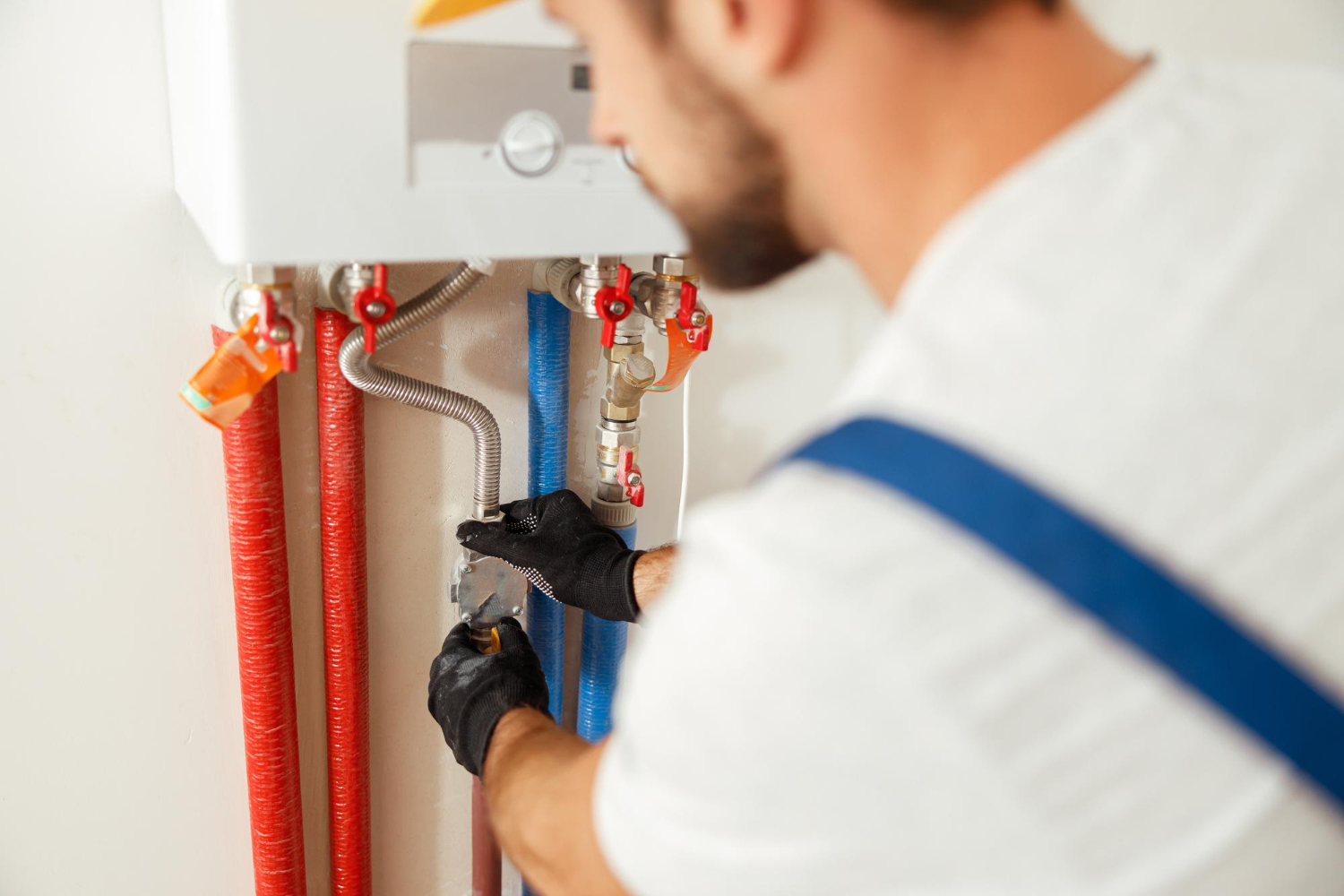
Most water heater plumbing issues fall into a few common categories, including leaks, lack of hot water, strange noises, and rusty or discolored water.
Water heaters work quietly in the background until something goes wrong. When a plumbing issue strikes, it can leave a household without hot water for showers, dishes, and laundry. These problems range from minor leaks to complete system failures.
Some problems are simple fixes that homeowners can handle themselves. Others require a professional plumber to diagnose and repair safely. This guide covers the most frequent water heater plumbing problems, how professionals diagnose them, available repair options, and when replacement makes more sense than fixing an old unit.
Let’s break down the key points you should consider:
Keep reading! Understanding what causes these issues and how to spot warning signs early can save money and prevent bigger problems down the road.
Water heaters fail due to component wear, improper installation, and lack of maintenance, with specific problems varying by system type. Recognizing early warning signs prevents costly repairs and water damage.
The tank itself experiences constant stress from heating and cooling cycles. This expansion and contraction weakens the metal over time. Sediment buildup at the bottom of the tank creates hot spots that accelerate corrosion.
According to the U.S. Department of Energy (DOE), sediment buildup in water heater tanks reduces efficiency and shortens equipment lifespan, and periodic flushing helps maintain proper heat transfer and performance.
The anode rod protects the tank by attracting corrosive elements in the water. Once this rod deteriorates completely, the tank begins to rust. Most anode rods need replacement every 3-5 years.
Pressure relief valves prevent dangerous pressure buildup inside the tank. A faulty valve either leaks constantly or fails to release pressure when needed. The dip tube directs cold water to the bottom of the tank for heating, and when it breaks, cold water mixes with hot water at the top.
Connection points where pipes meet the tank are common leak sources. Temperature and pressure changes stress these joints. Loose fittings, corroded threads, or worn gaskets allow water to escape.
Gas water heaters rely on pilot lights or electronic ignition systems that can malfunction. The thermocouple, which detects whether the pilot light is lit, often fails and prevents the burner from staying on. Gas units also experience burner and gas valve problems that stop heating entirely.
Electric water heaters use heating elements that burn out over time. These units have two elements in most cases, and when one fails, the water stays lukewarm. Tripped circuit breakers or blown fuses cut power to the entire unit.
Tankless water heaters face different challenges due to their on-demand design. Mineral scale builds up quickly on the heat exchanger, reducing efficiency. These units require annual flushing in areas with hard water. Flow sensors and ignition systems fail more frequently than traditional tank components.
Each system type requires specific parts and repair approaches. Gas units need venting inspection, while electric models need electrical testing. Tankless systems demand more frequent maintenance than tank models.
Water pooling around the base indicates an active leak from the tank or connections. Even small amounts of moisture suggest corrosion or loose fittings. Leaks from the tank itself cannot be repaired and require replacement.
Discolored or rusty water points to internal tank corrosion. Brown or reddish water from hot taps only means the problem originates in the water heater. This rust will worsen and eventually cause leaks.
Strange noises like popping, banging, or rumbling indicate sediment buildup on the tank bottom. The heating element burns through mineral deposits, creating these sounds. Unusual smells resembling rotten eggs suggest bacteria growth inside the tank.
Temperature fluctuations or complete loss of hot water signal thermostat failure, heating element problems, or sediment interference. Water that never gets hot enough means the system cannot maintain proper heating cycles.
Water heaters face several plumbing-related issues that can disrupt daily life, from complete loss of hot water to leaks that damage surrounding areas. These problems often stem from worn components, mineral buildup, or faulty connections that develop over time.
A complete loss of hot water or temperatures that swing between hot and cold indicates problems with heating elements or thermostats. In electric water heaters, one or both heating elements may have failed. Gas water heaters might have a faulty pilot light or gas valve.
The thermostat controls when heating elements turn on and off. When it malfunctions, water may not reach the desired temperature or may become too hot. Many units have two thermostats that need proper calibration.
Power supply issues can cause a no hot water issue in electric models. A tripped circuit breaker or blown fuse cuts power to the heating elements. Gas models require proper ventilation and gas flow to function correctly.
Sediment buildup at the bottom of the tank insulates water from the heating source. This makes the heater work harder and less efficiently. The problem worsens in areas with hard water.
A leaking water heater requires immediate attention to prevent water damage. Leaks occur at multiple points, including the tank itself, inlet and outlet connections, temperature and pressure relief valve, or drain valve.
According to the U.S. Department of Energy (DOE), fixing hot-water leaks reduces wasted hot water and lowers water-heating costs—so any active leak (tank or connection) should be addressed promptly before it drives up bills and causes damage.
Tank leaks usually develop near the bottom where corrosion eats through the metal. These leaks cannot be repaired and require tank replacement. Even small cracks will expand over time.
Connection leaks appear where pipes attach to the water heater. Loose fittings or worn washers cause water to seep out. These connections include cold water inlet pipes and hot water outlet pipes.
The temperature and pressure relief valve may leak when tank pressure becomes too high or the valve itself fails. This valve serves as a safety device to prevent tank explosions. A constantly dripping valve signals excess pressure or a faulty valve.
Drain valve leaks happen at the bottom of the tank. The valve may not close completely or the seal deteriorates with age. Sediment can prevent the valve from sealing properly.
Reduced hot water pressure while cold water flows normally points to specific water heater or hot water line problems. Mineral deposits inside pipes restrict water flow over time.
Sediment accumulation inside the water heater tank blocks the outlet pipe. Hard water minerals settle at the bottom and can partially clog the opening where hot water exits. This creates a bottleneck effect.
A partially closed shut-off valve on the hot water outlet reduces pressure. Someone may have accidentally turned the valve during maintenance. The valve should remain fully open during normal operation.
Corroded pipes in the hot water distribution system narrow the passage for water flow. Galvanized steel pipes are especially prone to internal rust buildup. The problem often worsens the farther water travels from the heater.
Faulty dip tubes can cause pressure issues in some cases. The dip tube directs incoming cold water to the bottom of the tank. When it breaks, cold water mixes with hot water at the top, affecting both temperature and pressure.
Brown, red, or yellow water from hot water taps indicates corrosion inside the water heater tank or pipes. This discoloration only affects hot water, not cold water from the same fixtures.
Tank corrosion occurs when the protective glass lining inside cracks or when the anode rod depletes completely. The anode rod attracts corrosive elements to protect the tank. Without a functioning anode rod, the tank walls corrode and rust particles enter the water supply.
Rusty pipes in the hot water distribution system also cause discolored water. Older steel or iron pipes deteriorate from the inside. The rust breaks free and travels through the plumbing system.
Sediment buildup at the tank bottom can turn water murky or brown. Minerals and debris accumulate over years of use. Disturbing this sediment through temperature changes or water flow releases particles into the water.
Bacteria growth inside tanks, particularly in water heaters set below 140°F, can create foul-smelling discolored water. These bacteria thrive in warm environments and produce a rotten egg smell along with discoloration.
Popping, rumbling, or banging sounds from a water heater signal sediment buildup or pressure issues. These noises occur during heating cycles or when hot water flows through the system.
Popping and rumbling happen when water gets trapped beneath hardened sediment layers at the tank bottom. As the water heats and boils, it forces its way through the sediment. The noise resembles popcorn popping or distant thunder.
Banging or knocking sounds indicate water hammer in the pipes. This occurs when water flow stops suddenly and creates a pressure wave. The wave causes pipes to move and strike against framing or other pipes.
Hissing or sizzling noises suggest water dripping onto hot surfaces. A small leak from the temperature and pressure relief valve or connections may land on the burner or heating elements. This creates steam and the characteristic sound.
Whistling or screeching sounds point to restricted water flow through valves or connections. Partially closed valves or mineral buildup in pipes forces water through narrow openings at high velocity.
Extended heating times mean the water heater struggles to maintain adequate temperature. The unit runs longer cycles and uses more energy without delivering sufficient hot water.
Undersized water heaters cannot meet household demand. A 40-gallon tank might work for two people but falls short for a family of five. Recovery rate, measured in gallons per hour, determines how quickly the tank reheats.
Failed or weak heating elements reduce heating capacity in electric models. Lower wattage elements or elements covered in scale cannot transfer heat efficiently. Each element should produce its rated wattage.
Thermostat settings below 120°F result in lukewarm water. Someone may have adjusted the temperature down to save energy or prevent scalding. Most households need settings between 120°F and 140°F.
According to the U.S. Department of Energy (DOE), most households can set a water heater to 120°F, which helps avoid scalding and can also slow mineral buildup and corrosion in the heater and pipes.
Distance between the water heater and fixtures affects perceived heating time. Long pipe runs allow heat to dissipate. Water sitting in pipes cools down and must be purged before hot water arrives.
Sediment acts as an insulator between the heat source and water. Thick mineral layers at the tank bottom prevent efficient heat transfer. Gas heaters may take twice as long to heat water with heavy sediment buildup.
Water heater problems stem from several key sources, including mineral deposits that collect over time, metal components that wear down, connection points that loosen or crack, internal parts that stop working correctly, excessive force from water pressure, and natural wear from years of use.
Minerals like calcium and magnesium in hard water settle at the bottom of the tank over time. This sediment layer creates a barrier between the heating element and the water. The heater has to work harder and longer to warm the water, which wastes energy and increases utility bills.
The buildup also causes several other problems. It reduces the amount of hot water available because sediment takes up space in the tank. The heating element or burner can overheat when covered by sediment, leading to premature failure.
Sediment creates rumbling or popping noises when the water heater runs. These sounds happen when water trapped under the sediment layer boils and bubbles up. The buildup can also cause hot spots on the tank floor that weaken the metal and lead to leaks.
The anode rod is a metal rod inside the tank that attracts corrosive elements in the water. It sacrifices itself to protect the tank lining from rust. Once the anode rod deteriorates completely, the tank itself begins to corrode.
Corrosion shows up as rusty or discolored water coming from hot water taps. The tank may develop small leaks that grow larger over time. Pipes connected to the water heater can also corrode, especially at joints and connection points.
A failing anode rod typically needs replacement every 3 to 5 years. Many homeowners never replace it because they don't know it exists. Once the tank lining starts to rust, the damage cannot be reversed and the entire water heater usually needs replacement.
The cold water inlet and hot water outlet pipes connect to the top of most water heaters. These connections can loosen from temperature changes that cause metal to expand and contract. Vibrations from water pressure or the heating cycle can also work connections loose over time.
Damaged threads on pipes or tank fittings prevent tight seals. Cross-threading during installation creates weak points that eventually leak. The dielectric unions that connect different metals can corrode and fail.
Leaks at these connections often start small and go unnoticed. Water drips down the side of the tank or collects around the base. Even small leaks waste water and can cause water damage to floors and nearby structures.
Electric water heaters use one or two heating elements controlled by thermostats. When a thermostat fails, it may not signal the element to heat or may not turn it off. This results in water that's too cold, too hot, or constantly changing temperature.
Heating elements can burn out or become covered in sediment. A failed lower element means the heater runs out of hot water quickly. A failed upper element means no hot water at all in most cases.
Gas water heaters use a thermocouple and gas control valve instead of electric elements. A faulty thermocouple shuts off the gas supply incorrectly. The pilot light goes out repeatedly or won't stay lit.
Normal home water pressure ranges from 40 to 60 psi. Pressure above 80 psi puts excessive stress on the water heater tank and all connections. The temperature and pressure relief valve may leak or discharge water frequently.
High pressure causes premature wear on internal components. It can crack pipes and loosen fittings throughout the plumbing system. The tank itself experiences more stress, which can lead to leaks developing sooner than expected.
A pressure reducing valve installed on the main water line protects the entire plumbing system. Without this valve, municipal water pressure fluctuations directly affect the water heater. Thermal expansion when water heats up also increases pressure inside a closed system.
Most traditional tank water heaters last 8 to 12 years. The tank interior coating breaks down gradually. Metal components fatigue from thousands of heating cycles. Seals and gaskets become brittle and crack.
Older units lose efficiency as sediment accumulates and parts wear out. They take longer to heat water and struggle to maintain consistent temperatures. The risk of catastrophic failure increases significantly after 10 years of service.
An aging water heater often shows multiple problems at once. Repairing one issue doesn't prevent others from developing soon after. Replacement becomes more cost-effective than repeated repairs on units nearing the end of their expected lifespan.
Plumbers use a systematic approach to find the source of water heater problems, starting with visual checks of the tank and pipes before moving to functional tests of internal components. They look for physical damage, test mechanical parts, and measure performance levels to pinpoint exactly what needs repair.
Plumbers begin by examining the water heater tank for visible signs of damage or wear. They check the exterior surface for rust, discoloration, or moisture that indicates a leak. The area around the base of the tank gets special attention since water pooling there often means a serious problem.
The connecting pipes receive a thorough inspection next. Plumbers look at inlet and outlet pipes for corrosion, loose fittings, or cracks. They check if pipes are properly secured and insulated.
Temperature and pressure relief valve pipes also get examined. These must be correctly positioned and free from blockages. Plumbers verify that drain valves are not dripping and that all connections are tight.
The temperature and pressure relief valve gets tested to make sure it opens and closes properly. Plumbers lift the test lever to see if water flows freely through the discharge tube. A valve that does not release water or continues to leak after testing needs replacement.
Plumbers measure water pressure using a gauge attached to a hose bib or the drain valve. Normal residential water pressure ranges from 40 to 80 psi. Pressure above 80 psi can damage the tank and components.
They also check the shut-off valves on both cold water inlet and hot water outlet lines. These valves must turn smoothly and create a complete seal when closed.
For electric water heaters, plumbers use a multimeter to test both upper and lower thermostats. They check for continuity and proper voltage readings. Heating elements get tested for correct resistance levels using the multimeter's ohm setting.
Gas water heaters require different checks. Plumbers inspect the pilot light to see if it stays lit and burns blue. They examine the thermocouple for proper positioning and function. The gas control valve gets checked for correct temperature settings.
Plumbers also listen for the sound of the burner igniting and observe the flame pattern. A yellow or irregular flame suggests combustion problems that need fixing.
Plumbers use specific techniques to find leaks that are not immediately visible. They wipe down all connections and fittings, then check for new moisture after the system runs. Small leaks often appear at threaded connections, gaskets, or the pressure relief valve.
Internal tank leaks are harder to spot. Plumbers look for water stains on the floor or nearby walls. They check if the tank feels hot in unusual spots, which can indicate internal failure.
Corrosion gets evaluated by examining the condition of the anode rod. Plumbers drain some water from the tank to check for sediment and rust particles. Heavy sediment buildup or rust-colored water points to advanced corrosion inside the tank.
Common water heater problems often need specific fixes to restore proper function. These repairs range from simple maintenance tasks to more complex component replacements that address heating, leaking, and performance issues.
Water heater connections can wear out over time due to constant water pressure and temperature changes. The supply lines, discharge pipes, and connection points may develop cracks or loose fittings that cause leaks or reduced performance.
A homeowner should first shut off the water supply and drain the tank before working on any connections. They need to inspect all visible pipes and fittings for signs of corrosion, mineral buildup, or physical damage.
Worn connection points require new fittings, washers, or entire pipe sections. Flexible water supply lines typically last 5-10 years and should be replaced if they show signs of wear. The temperature and pressure relief valve discharge pipe also needs secure connections to prevent dangerous leaks.
New connections must be tightened properly without overtightening, which can crack fittings. Thread seal tape or pipe dope helps create watertight seals on threaded connections.
Sediment accumulates at the bottom of water heater tanks from minerals in the water supply. This buildup reduces efficiency, creates noise, and can damage the tank or heating elements over time.
The flushing process starts by turning off the power or gas supply to the unit. A homeowner connects a garden hose to the drain valve at the bottom of the tank and runs it to a floor drain or outside area. They open the drain valve and let several gallons of water flow out until it runs clear.
Steps for effective flushing:
Water heaters should be flushed once or twice per year in areas with hard water. Regular flushing extends tank life and maintains heating efficiency.
Failed thermostats and heating elements are common reasons why water heaters stop producing hot water. Electric water heaters typically have two thermostats and two elements that work together to heat water throughout the tank.
A faulty thermostat fails to signal the heating element to turn on, while a burned-out element cannot heat water even when activated. Testing these components with a multimeter helps identify which part needs replacement.
Element replacement requires draining the tank to below the element level. The homeowner removes the access panel, disconnects wires, and unscrews the old element with an element wrench. The new element must match the wattage and size of the original.
Thermostat installation is simpler since it doesn't require draining. The power must be off during all electrical work. New thermostats should be set to 120°F for safety and efficiency.
The temperature and pressure relief valve also needs replacement if it leaks or fails to operate. This safety device prevents dangerous pressure buildup and should be tested annually by lifting the test lever.
Corrosion eats away at metal pipes connected to water heaters, especially in older homes with galvanized steel plumbing. Rust appears as orange or brown stains on pipe surfaces and eventually causes leaks or complete pipe failure.
Minor surface rust can sometimes be cleaned and sealed, but pipes with deep corrosion or active leaks need replacement. The corroded section must be cut out and replaced with new piping that matches the existing system.
Modern replacements often use copper or PEX piping instead of galvanized steel. These materials resist corrosion better and last longer in hot water applications. Dielectric unions prevent galvanic corrosion when connecting different metal types.
A homeowner should inspect all visible pipes regularly for early signs of corrosion. White or green buildup indicates mineral deposits or copper corrosion that can weaken pipes over time.
Leaks develop at connection points, valve stems, and sometimes from the tank itself. Small drips can waste significant amounts of water and cause property damage if ignored.
Fitting leaks often result from loose connections that can be tightened with a wrench. If tightening doesn't stop the leak, the fitting needs to be removed, cleaned, and reinstalled with fresh thread sealant or a new washer.
Valve stem leaks occur when internal packing wears out. The packing nut can be tightened slightly, or the packing material can be replaced without removing the entire valve. The drain valve may need complete replacement if it continues to drip after tightening.
Tank leaks are more serious because they indicate corrosion has penetrated the tank wall. These leaks cannot be permanently repaired, and the entire water heater needs replacement. Even small tank leaks will worsen quickly once the protective glass lining is breached.
Temporary fixes like epoxy or tape only delay the inevitable failure of a leaking tank.
Some water heater problems go beyond simple fixes and require full replacement. Age, structural damage, and mounting repair costs often make replacement the smarter choice.
Water leaking from the tank itself signals a serious problem that usually cannot be fixed. The tank's inner lining has likely corroded through, creating holes that no sealant can permanently repair.
These leaks typically appear at the base of the tank where sediment buildup causes the most damage. Water pooling around the heater indicates the metal has deteriorated beyond repair.
Attempting to patch a leaking tank provides only temporary relief. The corrosion continues to spread, and new leaks will develop in other weak spots. Professional plumbers do not recommend sealing tank leaks because the structural integrity has already failed.
A leaking tank poses risks including water damage to floors, walls, and nearby belongings. The leak can also lead to mold growth if not addressed quickly.
Homeowners should replace a leaking water heater immediately rather than spend money on unsuccessful repair attempts. The leak will only worsen over time, potentially causing more expensive property damage.
Water heaters have a typical lifespan of 10 to 12 years for traditional tank models. Units approaching or exceeding this age range often develop multiple problems that signal the end of their useful life.
An older system requiring frequent repairs costs more to maintain than a new unit. The components wear out naturally over time, and fixing one issue often leads to another problem shortly after.
Energy efficiency decreases significantly in aging water heaters. Sediment buildup, worn heating elements, and degraded insulation force the system to work harder and use more energy.
Newer models offer better energy efficiency that can reduce utility bills by 20% or more. Modern water heaters also include improved safety features and better temperature control.
The age of the water heater appears on a label or sticker, usually displaying a serial number that includes the manufacture date. When an older unit needs major repairs, replacement provides better long-term value than continuing to fix an outdated system.
Visible corrosion on the tank or connected pipes indicates the metal has deteriorated to a dangerous level. Rust appears as reddish-brown stains or flaking metal on the exterior surfaces.
Corrosion weakens the structural strength of the tank and pipes, making them prone to sudden failure. The rust eats through the metal from the inside out, often causing more damage than what shows on the outside.
Common signs of serious corrosion include:
Once corrosion reaches advanced stages, the damage cannot be reversed. The affected metal becomes thin and brittle, creating weak points throughout the system.
Corroded components fail without warning, potentially flooding the area around the water heater. Replacement prevents the safety hazards and property damage that come with corroded tanks.
Multiple repair calls within a short period indicate the water heater has reached the end of its reliable service life. When repair costs add up to 50% or more of a new unit's price, replacement makes better financial sense.
A new water heater typically costs between $1,000 and $3,000 installed, depending on the type and capacity. Major repairs like replacing the tank, fixing multiple leaks, or replacing both heating elements can approach these costs quickly.
The pattern of frequent breakdowns reveals systemic failure rather than isolated problems. Each repair only addresses one symptom while the underlying deterioration continues.
Homeowners should track repair expenses over the past year or two. If repairs exceed $500 to $800 on an older unit, replacement provides better value and reliability.
New water heaters come with warranties covering parts and labor for several years. This protection offers peace of mind and eliminates unexpected repair costs during the warranty period.
Regular water heater maintenance keeps systems running smoothly and helps avoid expensive repairs or replacements. Simple preventive steps can catch small problems before they turn into major failures that disrupt daily life.
A yearly professional inspection catches problems early and extends the life of a water heater. Technicians check for rust, corrosion, and worn parts that homeowners might miss during routine use.
During an annual checkup, professionals test the heating elements and thermostat to ensure they work properly. They also examine the tank's exterior for signs of damage or leaks. The pressure relief valve gets tested to confirm it releases water when pressure builds too high.
Annual maintenance also includes checking electrical connections on electric models and inspecting gas lines and burners on gas units. These inspections identify safety hazards before they cause harm. One yearly checkup can prevent flooding and catch issues that lead to complete system failure.
Sediment accumulates at the bottom of water heater tanks over time and reduces efficiency. Minerals from hard water settle and form a layer that makes the heater work harder to warm water.
Homeowners should flush their water heater every six to twelve months. The process involves attaching a hose to the drain valve and emptying several gallons until the water runs clear. This removes sediment before it hardens and damages the tank.
Sediment buildup causes several problems beyond reduced efficiency. It creates hot spots on the tank bottom that can crack the lining. It also makes popping or rumbling noises during heating cycles. Regular flushing prevents these issues and helps maintain consistent water temperature throughout the home.
The temperature and pressure relief valve prevents dangerous pressure buildup inside the tank. Homeowners should test this valve every few months by lifting the lever slightly to ensure water flows freely.
The drain valve also needs regular inspection for leaks or mineral deposits. A faulty drain valve makes it impossible to flush the tank properly. If water drips from the valve when closed, it needs replacement.
Key components to inspect regularly:
Water pressure that exceeds 80 PSI can damage water heaters and other plumbing fixtures. A pressure regulator keeps water pressure at safe levels and protects the entire system.
Certain water heater components wear out predictably and should be replaced on schedule. The anode rod attracts corrosive elements in water and protects the tank from rust. Most anode rods last three to five years.
Checking the anode rod involves removing it from the tank and measuring how much material remains. If more than six inches of the core wire is exposed or the rod is less than half an inch thick, it needs replacement. Installing a new anode rod can add years to a water heater's life.
Heating elements on electric water heaters eventually burn out from constant use. Replacing them before complete failure prevents loss of hot water. Thermostats also wear out and can cause temperature problems or energy waste.
Gaskets and seals around access panels and connections deteriorate over time. Replacing these small parts prevents leaks that can cause water damage. Keeping spare parts on hand allows for quick replacement when issues arise.
Dr. Rooter Lexington brings over 23 years of experience to water heater repairs and installations across the Midlands region. Their licensed plumbers handle everything from quick fixes to complex tankless water heater systems with transparent pricing and 24/7 emergency availability.
Water heater problems need quick attention to restore hot water and prevent property damage. Dr. Rooter's trained plumbers arrive prepared to identify issues quickly, whether it's a failing heating element, sediment buildup, or a leak in the tank.
The company's plumbers carry diagnostic tools and common replacement parts on their trucks. This preparation means many repairs get completed during the first visit. They work efficiently to minimize disruption to daily routines.
Their experience with different water heater brands and models helps them spot problems that less experienced technicians might miss. They fix both traditional tank systems and modern tankless units. Quick diagnosis saves customers money by addressing small issues before they turn into major repairs or full replacements.
Dr. Rooter's team knows how to service multiple water heater systems. They work on gas water heaters, electric models, and tankless units. Each type requires different knowledge and repair approaches.
Tankless water heaters need specialized training because they operate differently than traditional tank systems. Dr. Rooter provides installation, repair, and maintenance for these energy-efficient units. They understand the specific requirements for proper tankless system operation.
Traditional tank water heaters make up most residential installations. The company handles common issues like faulty thermostats, broken dip tubes, and corroded anodes. They also service commercial water heating systems that have higher capacity demands than residential units.
Customers receive clear pricing information before work begins. Dr. Rooter provides estimates that explain what repairs are needed and what they will cost. This approach eliminates confusion about final bills.
The company doesn't use hidden fees or add unexpected charges after completing the work. They explain the pricing structure upfront so customers can make informed decisions about repairs versus replacement. This transparency helps customers budget appropriately for their water heater needs.
When a water heater needs replacement rather than repair, they explain why and present options at different price points. Customers appreciate knowing exactly what they're paying for without surprises when the bill arrives.
Water heater failures don't follow business hours. Dr. Rooter offers 24/7 emergency plumbing services for situations that can't wait until morning. A broken water heater that's flooding a basement or leaving a business without hot water needs immediate attention.
Their emergency plumbers respond quickly to urgent calls in Lexington and surrounding areas. They come prepared to handle common emergency scenarios. Customers can reach them at (803) 761-9935 or through their online contact form.
Business customers especially benefit from round-the-clock availability since plumbing problems can shut down operations. Restaurants, hotels, and other commercial properties need reliable hot water to serve customers. Dr. Rooter's emergency service minimizes downtime and gets businesses back to normal operations quickly.
Water heater plumbing problems can disrupt daily life and cause inconvenience. Regular maintenance helps prevent many common issues from developing into costly repairs.
Homeowners should check their water heaters regularly for signs of trouble. Leaks, strange noises, and inconsistent water temperature are warning signs that need attention. Some problems can be fixed with simple solutions, while others require professional help.
Sediment buildup is one of the most common issues that affects water heater performance. Flushing the tank annually removes sediment and helps the unit work better. This simple task extends the life of the water heater and improves efficiency.
Gas and electrical issues should always be handled by licensed professionals. Safety must come first when dealing with these systems. Attempting complex repairs without proper training can lead to dangerous situations.
The age and condition of a water heater affects whether repairs make sense. Units older than 10-15 years may need replacement instead of repair. New models often offer better energy efficiency and lower operating costs.
Taking action quickly when problems arise prevents further damage. Small leaks can become major water damage if ignored. Temperature issues may indicate failing components that will only get worse over time.
Proper care and timely repairs keep water heaters running smoothly for years. Knowing when to fix problems yourself and when to call experts saves time and money. A well-maintained water heater provides reliable hot water for all household needs.
Schedule professional water heater repair with Dr. Rooter Lexington to diagnose plumbing issues quickly, stop leaks, and restore dependable hot water to your home.