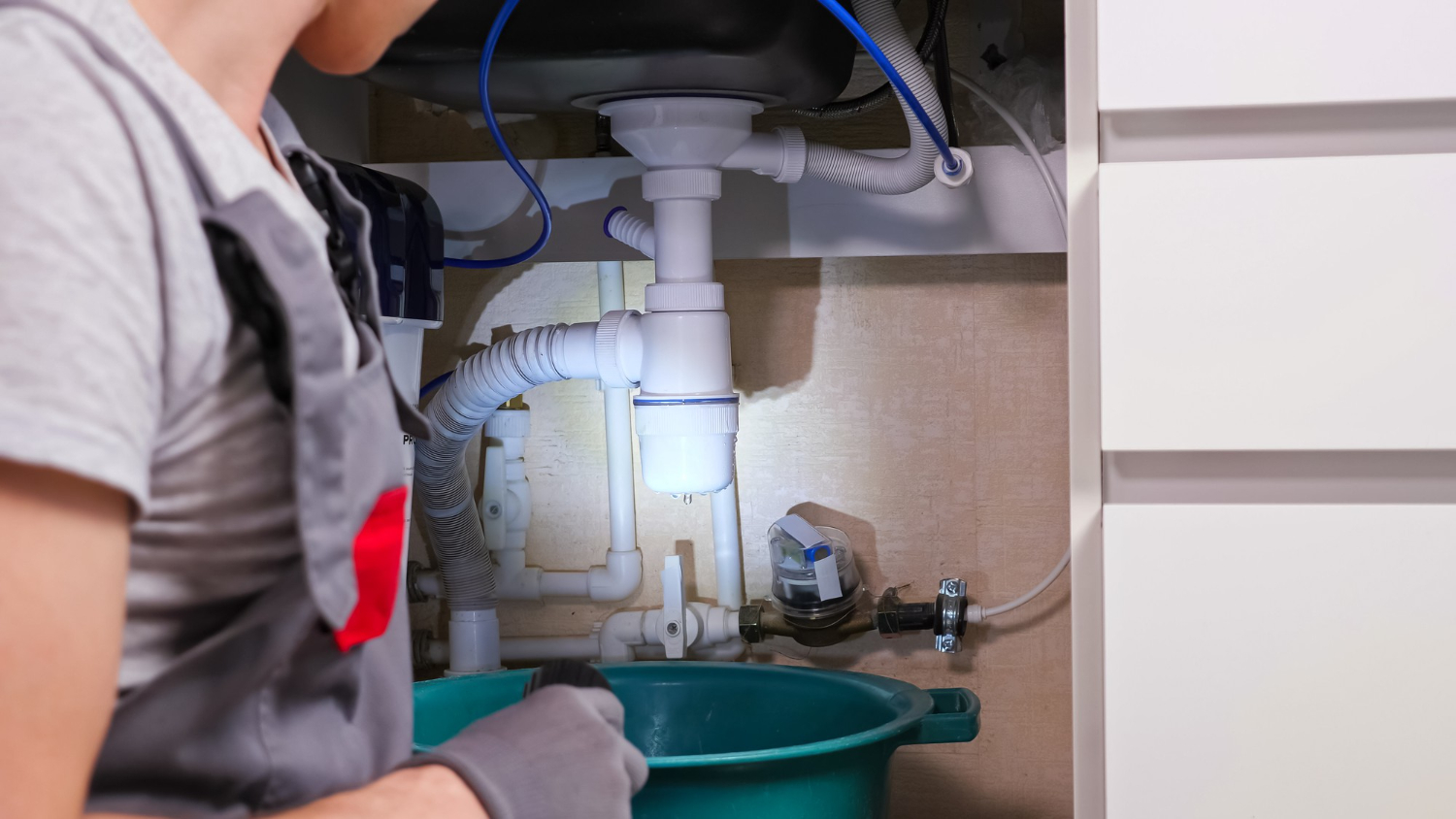
Summer in Lexington, SC puts your plumbing through more stress than most homeowners realize. Between cookouts, extra showers after long days in the heat, and sudden afternoon storms that overwhelm drainage systems, your pipes handle a surge that builds up fast. Summer drain cleaning tips in Lexington are not just good advice for sometime down the road. They are the difference between a normal season and a flooded kitchen at the worst possible moment.
The Midlands region adds its own layer of challenge. South Carolina's clay-heavy soils expand and contract with moisture changes, putting pressure on underground sewer lines. Humidity feeds bacterial growth inside drains. Tree roots grow aggressively toward any available water source, and your sewer pipes are a prime target. All of this happens quietly, underground, while you are focused on everything else summer brings.
The good news is that most summer drain emergencies are preventable. A few consistent habits, the right approach to what goes down your pipes, and knowing when to call a professional can keep your home's drains running the way they should. This article covers the specific problems Lexington homeowners face during the warmer months and what you can do about each one before it turns into an emergency call.
In this article, you will learn about:
Keep reading to learn how to protect your home's plumbing this summer and avoid the kind of emergency that costs real money to fix.
It is easy to assume that summer plumbing problems are a winter thing, that frozen pipes and cold snaps are when things go wrong. In the Lexington area, summer creates its own set of pressures that catch homeowners off guard.
Summer changes how your household uses water. Kids are home from school. Guests come through for cookouts and holiday weekends. Everyone showers more often. Laundry loads pile up from pool towels, sweaty clothes, and outdoor activities. All of that extra volume flows through the same drain lines, and if there is even a partial blockage building up inside those pipes, the increased flow can push it into a full clog.
The spike is not gradual. A drain that handled your winter routine without a problem can back up within a week once summer usage kicks in.
Lexington summers bring consistent heat and high humidity, and that combination creates ideal conditions for bacterial growth inside drain lines. Biofilm, a slimy layer of bacteria and organic matter, builds up faster in warm pipes. That layer catches hair, soap residue, food particles, and grease, thickening the buildup and narrowing the pipe opening over time.
You might notice it first as a faint smell from a drain that was fine two weeks ago. That odor is organic material decomposing inside the pipe, and it is a sign that buildup is already restricting flow.
The Midlands region experiences frequent afternoon thunderstorms through the summer, and those storms can dump a significant amount of rain in a short window. When outdoor drains are partially blocked by leaves, mulch, or soil, that water has nowhere to go. It pools near your foundation, backs up into basement floor drains, and puts pressure on your home's sewer connection. If your sewer line already has minor issues like small cracks or root intrusion, that sudden influx of stormwater can turn a small problem into a sewer backup fast.
The kitchen sink takes the hardest hit during summer. Cookouts, meal prep for larger groups, and more frequent cooking mean more fats, oils, and grease flowing toward your drain, and that is where most kitchen clogs begin.
Grease seems harmless when it is hot and liquid. You rinse a pan, the grease disappears down the drain, and everything looks fine. But as it cools inside your pipes, it solidifies and coats the interior walls. That coating catches every food particle, soap residue, and bit of debris that passes through, and the blockage grows from the inside out.
According to the U.S. Environmental Protection Agency, fats, oils, and grease from restaurants, homes, and industrial sources are the most common cause of reported sewer blockages, responsible for roughly 47 percent of them. That statistic is not just a commercial kitchen problem. It starts in residential kitchens, one pan at a time.
Summer cooking makes the grease problem worse. Burgers, ribs, chicken thighs, and anything coming off the grill produces rendered fat. Corn husks and watermelon rinds go into garbage disposals that were never designed to handle them. Pasta salads, mayo-based sides, and oily dressings all add to the load.
Here is what should never go down your kitchen drain, even with a garbage disposal running:
Instead, let grease cool in a container and throw it in the trash. Scrape plates into the garbage before rinsing, and use a mesh strainer in the sink to catch anything that slips through.
If you do use the garbage disposal, run cold water before, during, and after. Cold water keeps any residual grease in solid form so the disposal can break it apart and flush it through, rather than letting it coat the inside of your drain line. Hot water does the opposite. It liquefies grease temporarily, which just moves it further down the pipe where it solidifies in a spot you cannot reach.
The kitchen gets the most attention when it comes to summer clogs, but your bathroom drains are quietly building problems of their own.
More showers mean more hair going down the drain. Hair combines with soap scum and conditioner residue to form a dense, sticky mass that clings to the inside of your pipes. It does not dissolve on its own, and it does not flush away with water pressure. It just builds.
A drain screen or hair catcher in every shower and tub is one of the simplest and most effective tools you can use. Clean it after every shower, and you will eliminate the primary cause of bathroom drain clogs before it reaches your pipes.
Summer also brings more guests, and not everyone knows what your plumbing can handle. Items that cause problems year-round get flushed more often when your home is busier:
Only toilet paper belongs in the toilet. Everything else goes in the trash. If you are having guests over, it helps to keep a small waste bin visible in the bathroom. It is a simple change that prevents backups nobody wants to deal with during a gathering.
A slow drain does not fix itself. If the water in your shower is pooling around your ankles or your bathroom sink takes longer than usual to empty, that is buildup restricting flow. Catching it early means a simple cleaning. Ignoring it means a full blockage, potentially at the worst time.
Other signs to watch for:
Any of those signals means the problem is past the point of what a plunger will fix, and it is time for a professional to take a look with a camera inspection.
Some of the biggest summer drain problems in Lexington are not caused by anything you put down a drain. They start underground, where your sewer line runs through soil conditions that actively work against it.
The Midlands region of South Carolina is known for dense clay soils that expand when wet and contract when dry. Summer alternates between heavy rain and stretches of heat that dry the ground quickly, and that cycle puts mechanical stress on buried pipes. Over time, joints can pull apart, and small cracks form in older clay or cast iron sewer lines.
Even minor separations at pipe joints create spots where debris accumulates and roots enter. The U.S. Forest Service has documented that root intrusions in sewer systems are closely tied to pipe material and joint quality, and older systems with clay pipes are among the most vulnerable.
Tree roots grow toward any available water source, and a sewer line with even a tiny crack is exactly what they are looking for. The nutrient-rich wastewater inside is more attractive to roots than regular soil moisture, and during summer dry spells, root activity becomes even more aggressive.
Once inside the pipe, roots expand. They catch waste, grease, paper, and other debris flowing through, forming a blockage that gets worse with every flush. If your home has mature trees in the yard and your sewer line is more than 20 years old, root intrusion is a real and common possibility.
Signs that roots may be affecting your sewer line:
A sewer camera inspection is the only way to confirm root intrusion without digging. If roots are caught early, they can be cleared with hydro jetting before they cause a collapse or full backup.
Many homes in the Lexington and Columbia area were built decades ago with clay tile or cast iron sewer pipes. These materials were standard for their time, but they degrade. Cast iron rusts from the inside, creating a rough surface that traps debris. Clay pipes crack at the joints. Both types are far more susceptible to root intrusion and soil movement than modern PVC.
If your home is older and you have never had your sewer line inspected, summer is a smart time to get ahead of it. The combination of root growth, soil shifts, and higher usage makes this the season when aging pipes are most likely to fail.
You do not need to call a plumber for routine drain care. A few simple habits, done consistently, will prevent the vast majority of household clogs. The key is doing them regularly, not waiting until you notice a problem.
This is one of the most effective and safest maintenance routines you can do yourself:
The fizzing action loosens organic buildup, soap scum, and light grease deposits without damaging your pipes. Do this monthly in your kitchen sink, bathroom sinks, and shower drains, and you will catch buildup before it becomes a blockage.
Once a week, boil a full kettle and pour it slowly down each drain in two stages. This helps melt and move any light grease that has started to coat the pipe walls. It is simple, costs nothing, and takes about five minutes for the whole house.
Enzyme-based drain cleaners use natural bacteria to digest organic matter inside your pipes over time. They are safe for all pipe types, safe for septic systems, and significantly more effective as a preventive measure than as a clog fix. Use one monthly according to the product directions, and look for products that carry the EPA's Safer Choice label to ensure the ingredients meet strict health and environmental standards.
It is tempting to grab a bottle of chemical drain cleaner off the shelf when a drain slows down, but these products do more harm than good. They rely on caustic chemicals like sodium hydroxide or sulfuric acid that generate intense heat inside your pipes. That heat can warp PVC, corrode metal, and weaken pipe joints, especially in older plumbing systems.
Repeated use accelerates the damage. What starts as a five-dollar fix often leads to pipe replacement that costs hundreds or thousands. The Clemson University Cooperative Extension recommends that homeowners avoid chemical additives that claim to dissolve grease, noting that these products often just push the problem further down the line where it causes blockages in harder-to-reach areas.
If a drain is slow or partially clogged, try a plunger or a basic hand snake first. If that does not clear it, skip the chemicals and call a professional.
DIY maintenance handles the small stuff, and it handles it well. But there are situations where home remedies stop working and professional equipment is the only thing that will solve the problem without making it worse.
A single slow drain usually means the blockage is local, somewhere in that fixture's trap or the short stretch of pipe connected to it. A plunger, a hand snake, or an enzyme treatment might clear it.
When multiple fixtures slow down at the same time, that is a different situation. It means the blockage is deeper in your system, possibly in the main sewer line. That requires a professional with a camera and the right equipment to diagnose and clear it properly.
If the same drain keeps clogging after you clear it, there is a structural issue. Roots inside the pipe, a belly or sag in the line, a cracked section catching debris, something beyond buildup is trapping waste in the same spot. A video drain inspection shows exactly what is going on inside the pipe and where, so the fix addresses the actual problem instead of just the symptom.
Any sewage backing up into your home, through a floor drain, a toilet, a bathtub, is a plumbing emergency. Do not try to clear it yourself. Raw sewage carries bacteria and pathogens that pose real health risks. Shut off water use in the home and call for emergency plumbing service immediately.
Professional drain cleaning is not someone pouring a stronger chemical down your pipe. It typically starts with a camera inspection to locate and identify the blockage. From there, the approach depends on what the camera finds:
The camera tells the story. Everything that follows is based on what it finds, not guesswork.
A routine drain cleaning costs a fraction of what an emergency sewer backup costs to repair. Factor in water damage to flooring, drywall, and personal belongings, and the math is not close. Catching a problem when it is still a slow drain saves real money compared to handling it after sewage is on the floor.
Summer in Lexington is supposed to be about cookouts, time with family, and enjoying the warm weather, not dealing with backed-up sinks and emergency plumber calls. The drain problems that turn into emergencies almost always start small. A little grease here, some hair there, a tree root finding its way into an old pipe joint, these things build quietly until they do not.
The habits covered in this article, being careful about what goes down your drains, doing a monthly flush, using enzyme cleaners, keeping screens in your showers, are not complicated. They just need to be consistent. And when something does not respond to basic maintenance, getting a professional involved early is always cheaper and less stressful than waiting.
If your drains are already showing signs of trouble, or if you want to get ahead of summer problems before they start, Dr Rooter is here to help. Our team serves Lexington and the surrounding area with honest diagnostics, advanced equipment, and the kind of service that keeps your plumbing working the way it should.