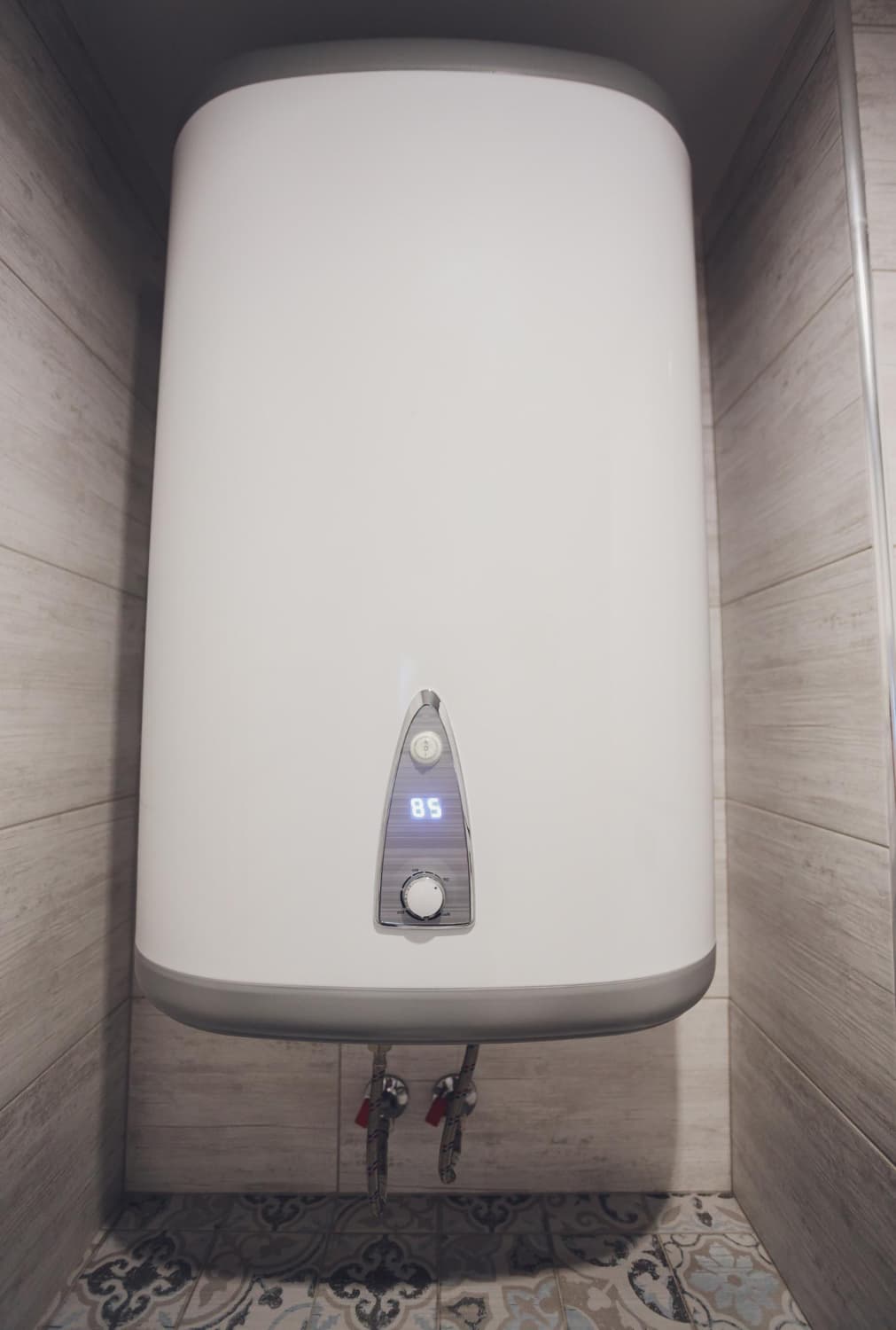
Annual tankless water heater tune ups are what keep your system delivering the efficiency and endless hot water you paid for when you installed it. Without consistent maintenance, mineral buildup quietly erodes performance, drives up energy bills, and shortens the lifespan of one of the most expensive plumbing investments in your home.
Tankless water heaters promise energy savings and endless hot water, but they need regular tune-ups to deliver on that promise. Without proper maintenance, mineral buildup and debris can reduce your unit's efficiency by up to 30%, forcing it to work harder and use more energy to heat the same amount of water. This means higher utility bills and a system that struggles to keep up with your hot water needs.
Most homeowners don't realize their tankless water heater is losing efficiency until they notice problems like inconsistent water temperature or longer wait times for hot water. These early warning signs often appear gradually, making them easy to ignore. By the time you spot an issue, mineral deposits have already started affecting your system's performance.
Annual tune-ups protect your investment and keep your water heater running at peak performance. Regular maintenance removes scale buildup, checks critical components, and catches small problems before they turn into expensive repairs. In this article, we'll cover:
- Gradual loss of efficiency
- Early performance warnings
- Value of annual maintenance
- Challenges in hard water regions
- Benefits of professional servicing
Keep reading to learn how a routine tune up keeps your tankless system efficient, reliable, and on track to reach its full lifespan.
Gradual loss of efficiency
Your tankless water heater doesn't suddenly stop working well. Instead, it slowly loses efficiency over time as minerals accumulate inside the system and restrict water flow through critical components.
Mineral buildup in the heat exchanger
The heat exchanger is where cold water gets heated instantly as it passes through. When hard water flows through this component, minerals like calcium and magnesium stick to the metal surfaces.
This buildup creates an insulating layer between the heating element and the water. Your unit has to work harder and longer to reach the same temperature.
A layer of scale just 1/8 inch thick can reduce your system's efficiency by up to 30%. The minerals act like a blanket that blocks heat transfer.
Hard water deposits and performance decline
Hard water contains high concentrations of dissolved minerals that leave deposits throughout your system. These deposits don't just affect the heat exchanger.
The buildup narrows pipes and clogs filters inside your tankless water heater. Water pressure drops and flow rate decreases. Your unit might struggle to maintain consistent temperatures or fail to activate properly with low-flow demands.
According to the U.S. Geological Survey, water with more than 121 milligrams per liter of calcium carbonate is classified as hard or very hard, and these conditions are widespread across many U.S. regions, which means most homeowners are dealing with mineral content that accelerates scale formation on heating equipment whether they realize it or not.
Without regular maintenance, your tankless water heater efficiency drops month by month.
Early signs: higher utility bills
Your energy bills provide the first warning that efficiency has declined. A tankless water heater with mineral buildup uses more gas or electricity to heat the same amount of water.
You might notice your bills creeping up by 10-20% over several months. The unit runs longer for each heating cycle. Some homeowners also experience longer wait times for hot water or temperature fluctuations during use.
These signs mean scale has already formed inside your system. The sooner you address the problem through professional maintenance, the less energy you'll waste and the lower your operating costs will be.
Early performance warnings
Your tankless water heater will show specific signs when it needs maintenance. These warning signals point to efficiency problems that will worsen without attention.
Inconsistent water temperatures and restricted flow
Your water temperature shouldn't jump between hot and cold during a shower. When your tankless heater can't maintain steady temperatures, mineral deposits have likely formed on the heat exchanger. These deposits create uneven heating patterns that affect performance.
Flow restrictions happen when sediment blocks the pipes or filters inside your unit. You'll notice the hot water slows to a trickle even though cold water flows normally. This happens because your heater's sensors detect the blockage and reduce output to prevent damage.
Hard water areas cause these problems faster. The minerals in hard water stick to internal parts and build up over time. Your unit works harder to heat water through these deposits, which wastes energy and raises your bills.
Reduced hot water pressure from scale buildup
Scale buildup narrows the pathways where water flows through your heater. You'll feel weaker water pressure at your faucets and showerheads when only using hot water. Cold water pressure stays normal because it bypasses the heater.
The buildup acts like plaque in arteries. It restricts flow and forces your unit to use more energy to push water through. A 30% efficiency drop can happen when scale accumulates without regular flushing.
Your heater may also shut off mid-use when scale becomes severe. The sensors interpret restricted flow as a demand problem and stop heating to protect the system.
Unusual operational noises indicating overheating
Your tankless heater should run quietly with just a soft hum. Loud rumbling, popping, or hissing sounds mean something is wrong inside the unit. Noisy operation is rarely something to ignore.
Popping noises come from water getting trapped under scale deposits and then boiling rapidly. The steam bubbles burst through the mineral layer, creating the popping sound. This means your heat exchanger has significant buildup.
Hissing or high-pitched whistling indicates pressure problems or steam formation. Your unit is working too hard and overheating to compensate for blocked components. These sounds signal that immediate maintenance is needed to prevent permanent damage to your system.
Value of annual maintenance
Annual maintenance keeps your tankless water heater running at peak performance by addressing buildup, wear, and system alerts before they turn into major problems. Regular tune-ups protect critical components and catch issues early when they're easiest to fix.
Protecting burners and heat exchangers through cleaning
The heat exchanger in your tankless water heater transfers energy from the burners to the water flowing through the system. Over time, mineral deposits from your water supply coat the heat exchanger surfaces and reduce its ability to transfer heat effectively.
This buildup forces your unit to work harder and use more energy to reach the same temperature. According to the U.S. Department of Energy, demand-type water heaters can be 24% to 34% more energy efficient than conventional storage tank models for homes that use about 41 gallons or less of hot water daily, but realizing those savings depends on the unit operating at design conditions without scale degrading heat transfer.
A tankless water heater tune up includes flushing the heat exchanger with a descaling solution. This process removes mineral deposits and restores the surfaces to near-original condition. Technicians also clean the burners to ensure proper fuel combustion and flame patterns.
Regular cleaning prevents scale from hardening into thick layers that eventually block water flow or cause permanent damage to the heat exchanger. Annual descaling extends the life of your unit and maintains the energy savings you bought it for.
Identifying worn parts during routine inspection
Annual inspections let technicians spot components that show signs of wear before they fail completely. Seals, gaskets, and O-rings deteriorate from heat cycles and water exposure over time.
A trained technician checks these parts along with the igniter, flame sensor, and venting system during your tune up. They test electrical connections, look for corrosion, and verify proper gas pressure or electrical supply. Small problems like a weak igniter or corroded sensor can cause the unit to run longer cycles or fail to start reliably.
Replacing worn parts during scheduled maintenance costs less than emergency repairs. You also avoid the inconvenience of sudden breakdowns during cold weather when you need hot water most.
Error codes as indicators of overdue tune-ups
Modern tankless water heaters display error codes when they detect problems with operation. Common codes relate to flame failure, scale buildup, blocked vents, or overheating conditions.
Many error codes point directly to maintenance issues. A code indicating scale buildup means the heat exchanger needs flushing. Codes for incomplete combustion often mean dirty burners or restricted air intake.
If you see repeated error codes or the same code appearing more frequently, your unit needs professional attention. Ignoring these warnings leads to reduced efficiency and potential component damage. Regular tune-ups prevent most error conditions from appearing in the first place by keeping all systems clean and properly adjusted.
Challenges in hard water regions
Hard water creates specific problems for tankless water heaters that require more frequent attention and maintenance. Mineral deposits accumulate faster in these systems, reducing efficiency and potentially causing permanent damage if left unaddressed.
Accelerated scale buildup from high mineral content
Hard water contains high levels of calcium and magnesium that separate from water when heated. These minerals form a chalky substance called limescale inside your tankless water heater's heat exchanger. The narrow passages in the heat exchanger become coated with this buildup over time.
Your water heater must work harder to push water through these restricted passages. The scale layer also acts as an insulator between the heating element and the water. This forces your unit to use more energy to reach the same temperature.
In areas with very hard water (over 10 grains per gallon), scale can form quickly. Your system may need maintenance every six months instead of the standard yearly service. The harder your water, the faster the buildup occurs inside your unit.
Descaling to restore water flow and performance
Descaling tankless water heater systems removes mineral deposits that block water flow and reduce heating efficiency. This process involves flushing the unit with a descaling solution that breaks down limescale. A pump circulates the solution through your system for 30 to 45 minutes.
You'll notice several signs that your unit needs descaling. Your water temperature may fluctuate during use. Flow rate decreases as scale narrows the passages. Your energy bills may increase as the unit works harder to heat water through the mineral barrier.
Regular descaling prevents these minerals from hardening into deposits that are difficult to remove. Professional technicians can assess the severity of buildup and determine the right descaling frequency for your water hardness level.
Impact of deferred maintenance on system lifespan
Skipping regular maintenance in hard water areas leads to expensive consequences. Scale continues to accumulate and can cause your heat exchanger to overheat. The unit's internal sensors may trigger shutdowns to prevent damage. These protective measures indicate your system is already struggling.
Thick scale deposits can cause permanent damage to the heat exchanger. The metal components may corrode or crack under stress. Your manufacturer's warranty often requires proof of regular maintenance, especially in hard water regions.
A tankless water heater should last 15 to 20 years with proper care. Neglected units in hard water areas may fail in half that time. The cost of annual maintenance is far less than replacing your entire system prematurely.
Benefits of professional servicing
Professional tankless water heater maintenance service protects your investment while keeping your system running at peak performance. Trained technicians have the tools and expertise to prevent tankless water heater problems that homeowners often miss during basic upkeep.
Maintaining manufacturer warranty coverage
Most tankless water heater manufacturers require annual professional maintenance to keep your warranty valid. If you skip these services and later need a major repair, you could face thousands of dollars in costs that the warranty would have covered.
Your warranty documentation typically specifies that a licensed professional must perform yearly inspections and cleaning. Keep records of all service appointments, including receipts and maintenance reports. These documents prove you followed the manufacturer's requirements if you need to file a warranty claim.
Without proper documentation of professional servicing, manufacturers can deny coverage even if your unit is still within the warranty period. The cost of annual maintenance is small compared to paying for a full system replacement out of pocket.
Enhanced efficiency and energy savings
Professional technicians thoroughly descale your heat exchanger, which directly improves your unit's efficiency. Mineral buildup forces your system to work harder and use more energy to heat the same amount of water.
A properly maintained tankless water heater uses 8-34% less energy than a neglected unit, depending on your water hardness and usage patterns. This translates to lower monthly utility bills that add up over the years.
Professionals also inspect and clean inlet filters, check gas pressure, test electrical connections, and verify proper venting. These tasks ensure every component works correctly so your system heats water as efficiently as designed. Regular servicing helps your unit maintain its energy factor rating throughout its lifespan.
Reducing the risk of emergency hot water loss
Professional maintenance catches small issues before they turn into complete system failures. Technicians identify worn parts, corrosion, leaks, and error codes that signal upcoming problems.
Unexpected breakdowns often happen at the worst times, leaving you without hot water for days while waiting for repair appointments and parts delivery. Emergency service calls also cost significantly more than scheduled maintenance visits.
Your technician tests safety features like temperature and pressure relief valves during routine service. They also check for gas leaks, proper combustion, and carbon monoxide levels in gas units. According to the U.S. Consumer Product Safety Commission, gas-burning appliances that are not properly maintained, ventilated, or operated can produce carbon monoxide, an odorless and colorless gas that causes serious illness and deaths each year, which is why combustion components on gas tankless units need consistent professional attention.
Conclusion
Regular tune-ups for your tankless water heater protect your investment and keep your system running at peak performance. When you skip maintenance, mineral deposits build up inside the unit and force it to work harder. This makes your energy bills go up and puts extra strain on the parts.
A well-maintained tankless water heater delivers consistent hot water when you need it. The system heats water on demand, but only when the components are clean and functioning properly. Annual professional inspections catch small problems before they turn into expensive repairs.
Most manufacturers require annual inspections by a certified technician to keep your warranty valid. Missing these checkups can leave you paying out of pocket if something breaks.
You can handle some basic maintenance tasks yourself, like checking for error codes or visual leaks. But professional technicians have the tools and knowledge to flush the system, descale the heat exchanger, and test all components thoroughly.
Your tankless water heater should last 15-20 years with proper care. That's significantly longer than a traditional tank system. The small cost of annual maintenance pays for itself through better performance and avoided repairs. To schedule a professional tankless water heater tune up in Lexington, SC, contact Dr Rooter and keep your system delivering the efficiency it was designed for.